 Speak to expert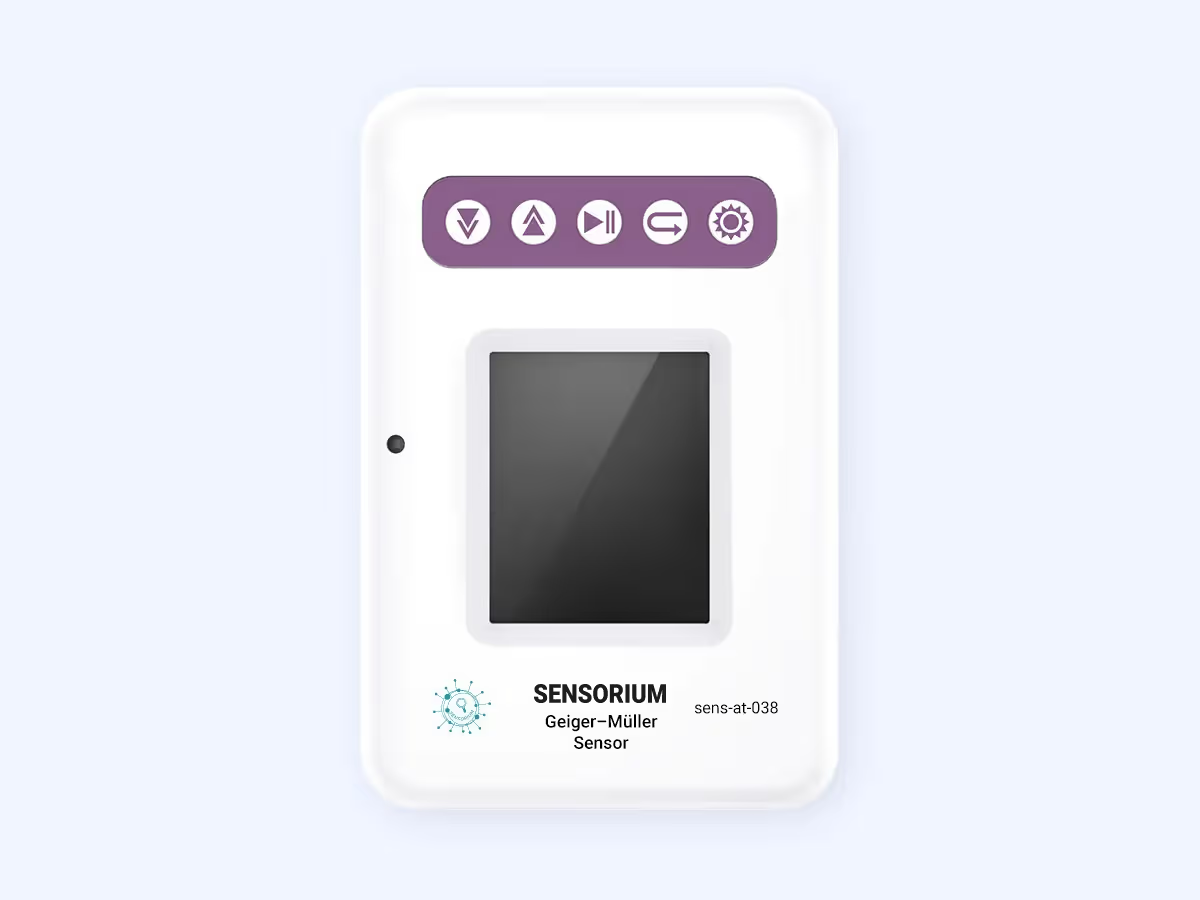

.png)

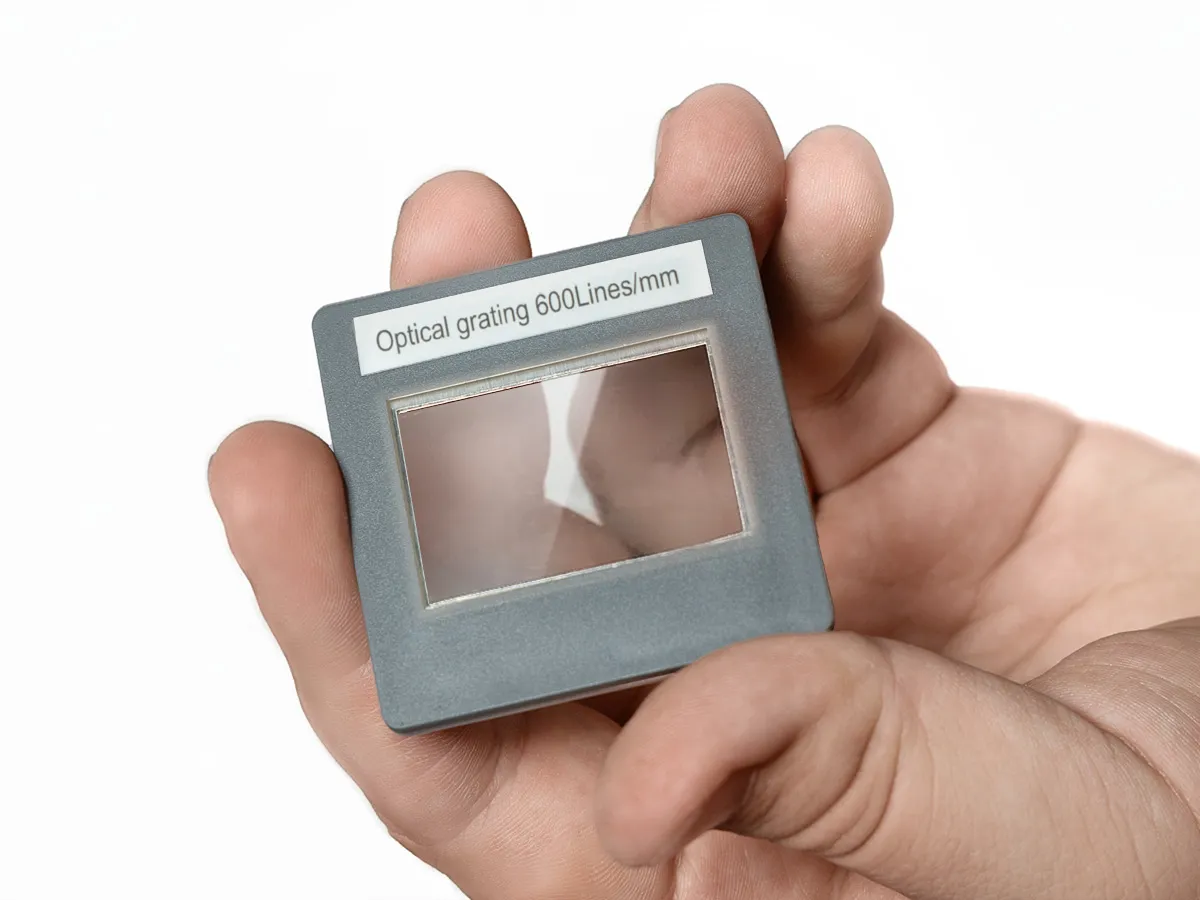
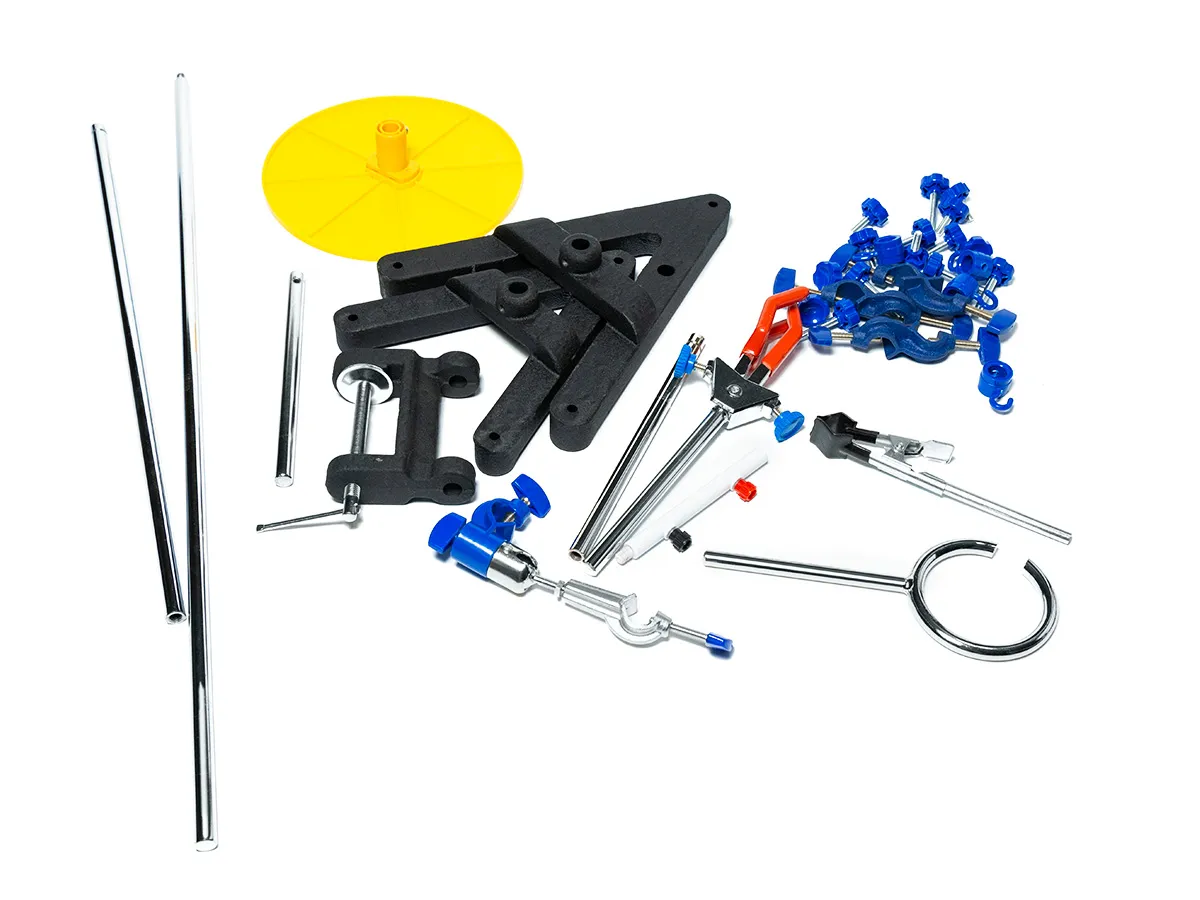

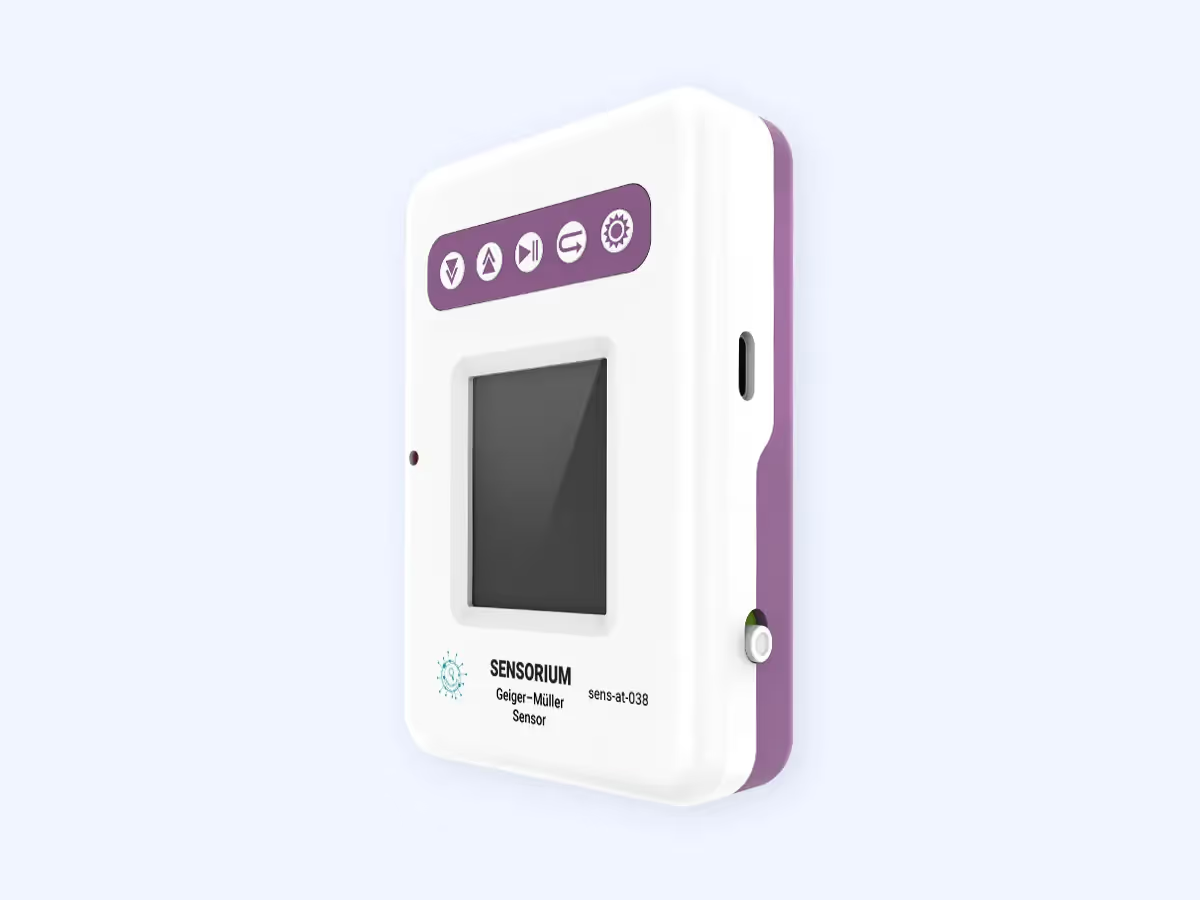
Geiger-Müller counter designed for detecting ionizing radiation including alpha, beta, and gamma rays.

The Geiger-Müller counter is designed based on the ionizing property of radiation in gases and is one of the most commonly used wire-type counters. A metal tube, sealed at both ends with insulating material, contains low-pressure gas. A metal wire is installed along the tube's axis, and a certain voltage (slightly lower than the breakdown voltage of the gas inside the tube) is applied between the wire and the tube wall using a battery. When no radiation passes through the tube, the gas does not discharge. When a high-speed particle of a certain type of radiation enters the tube, it ionizes the gas atoms inside, releasing several free electrons that move toward the metal wire under the applied voltage. These electrons further ionize other gas atoms along their path, releasing more electrons. The increasing number of electrons successively ionize more gas atoms, eventually rendering the gas inside the tube conductive and causing a rapid gas discharge between the wire and the tube wall. This generates a pulse current that is fed into an amplifier and received by a counter connected to the amplifier's output. The counter automatically records each discharge event corresponding to a particle entering the tube, thereby detecting the number of particles.
Range: 0–40 Kcpm, Resolution: 0.04 cpm
Built‑in AI functions open new possibilities for data analysis, automated processing of results, and the creation of interactive experiments.
The Geiger counter has a wide range of applications, primarily in nuclear physics, particle physics, industrial radiation monitoring, nuclear technology, medical fields, and environmental protection. In these fields, the Geiger counter is used to measure the intensity of ionizing radiation, including alpha particles, beta particles, gamma rays, and X-rays.
This product is suitable for educational purposes only and is not intended for industrial, medical, research, or commercial applications.
Wireless sensor with built‑in AI features that unlock new possibilities for data analysis and make experiments highly interactive.
Ideal for school laboratories, university courses, and STEM projects.
Built‑in AI functions open new possibilities for data analysis, automated processing of results, and the creation of interactive experiments.
What our clients are saying about us.




.avif)
.avif)


What our clients are saying about us.