Visual Perception and Fine Motor Skills. Level 2

MIKKO
35-mikko.g3
Inclusive Center
Inclusive School
School Readiness

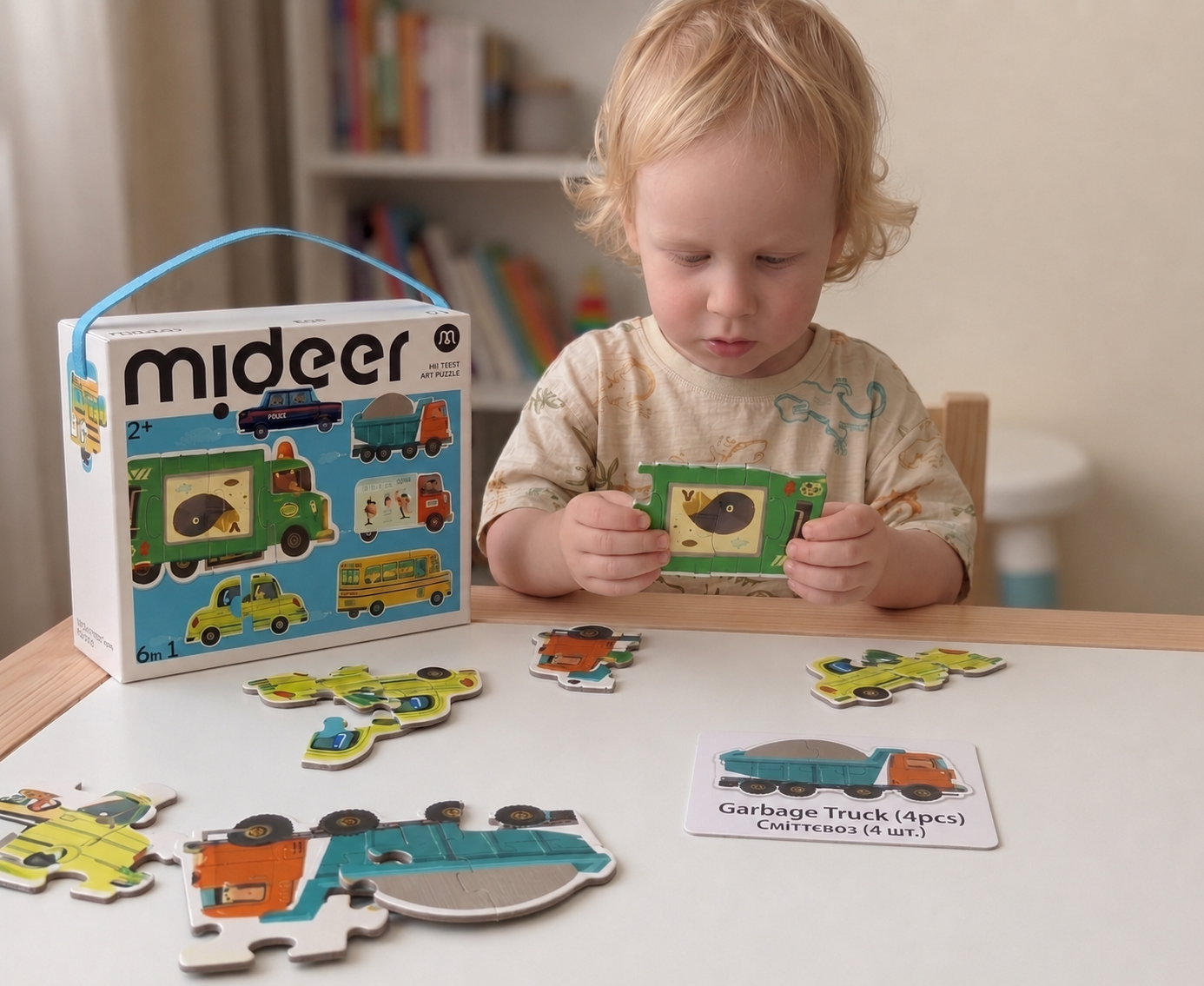
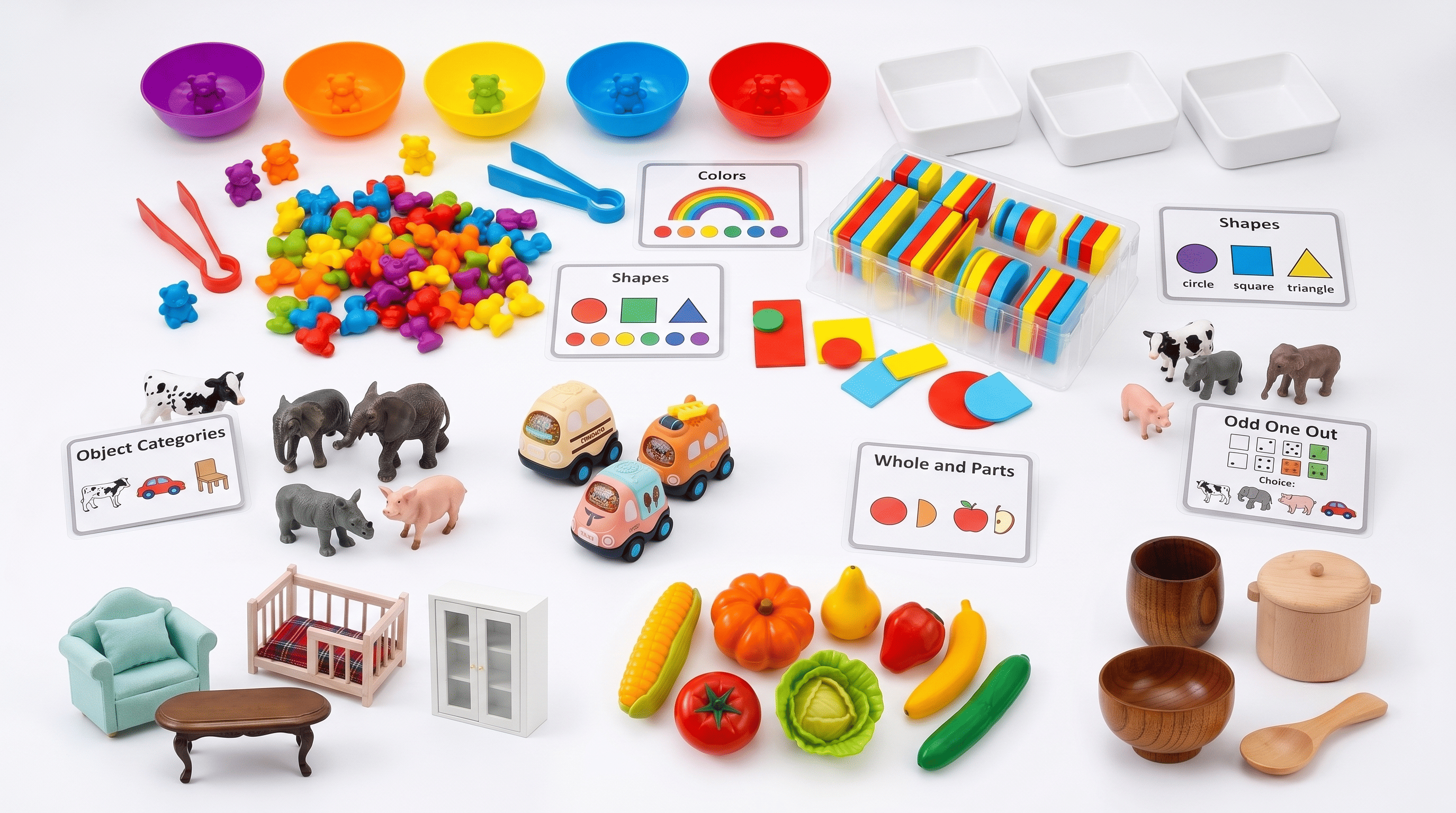
Helps assess advanced visual analysis and logical reasoning skills, including model building based on diagrams, creating logical sequences, identifying differences and associations, visual memory, and solving complex puzzles.

Thank you! Your submission has been received!
Oops! Something went wrong while submitting the form.

Details

icon plus

me-002-126 Associative Objects

me-002-512 Colour by Model

me-000-564 Set of Coloured Pencils

me-002-355 Construction Samples for Slot Construction Set

me-001-028 Colour Slot Construction Set (6 Different Pieces)

me-000-536 Colour Sorting Set with Containers (6 pcs)

me-002-038 Logical Sequences me-001-556 Logical Sequences

me-001-138 4-, 6-, 8-, 9-, and 12-Piece Puzzles

me-002-096 Body Parts

me-002-020 Visual Sequences

me-002-165 Visual Action Sequences

me-002-327 Spot the Difference

me-002-336 Find the Shadow

me-001-582 Sorting Box for Flashcard Storage

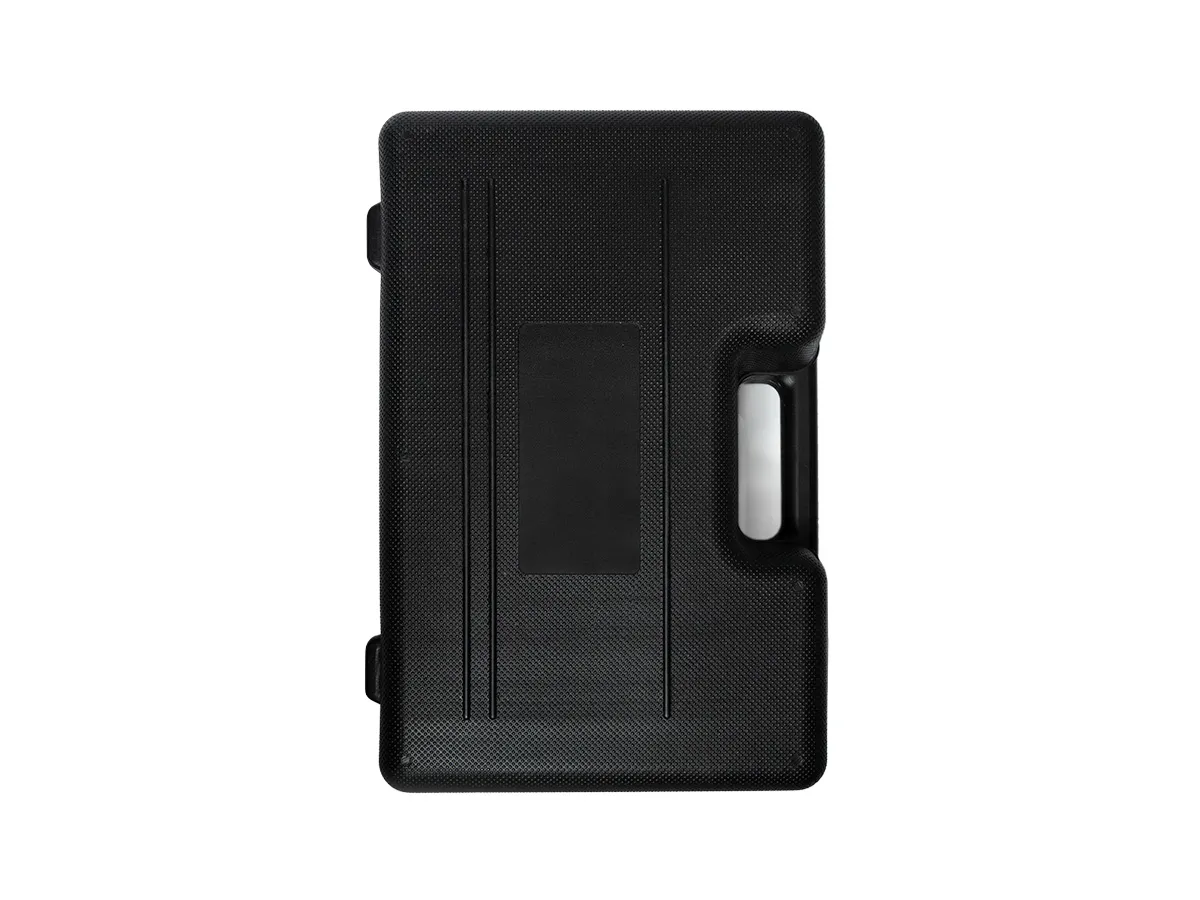
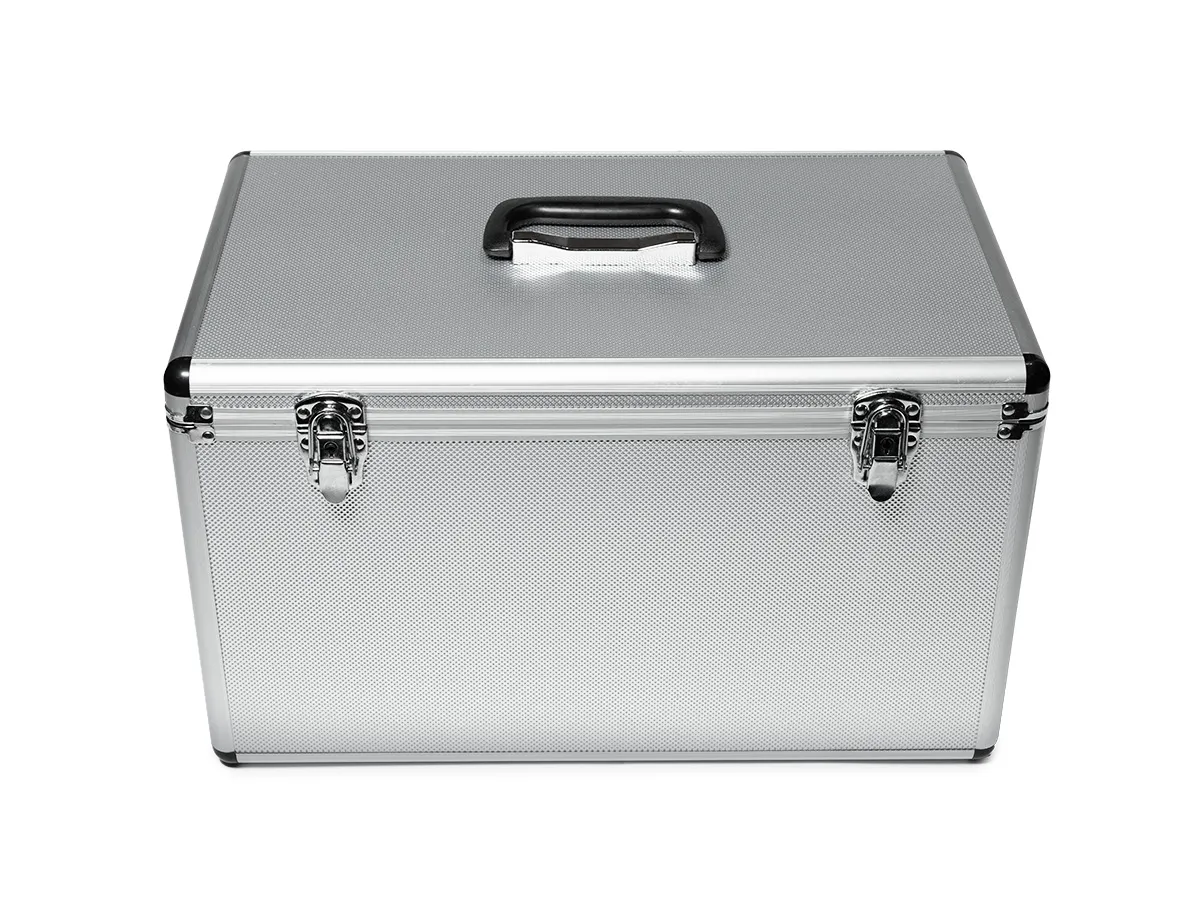
me-001-294 Storage and Transport Case for Didactic Materials

icon plus

icon plus
How long is the MIKKO Course?
Is the MIKKO Course good for new teachers
How long is the MIKKO Course?
Ask something?
More information

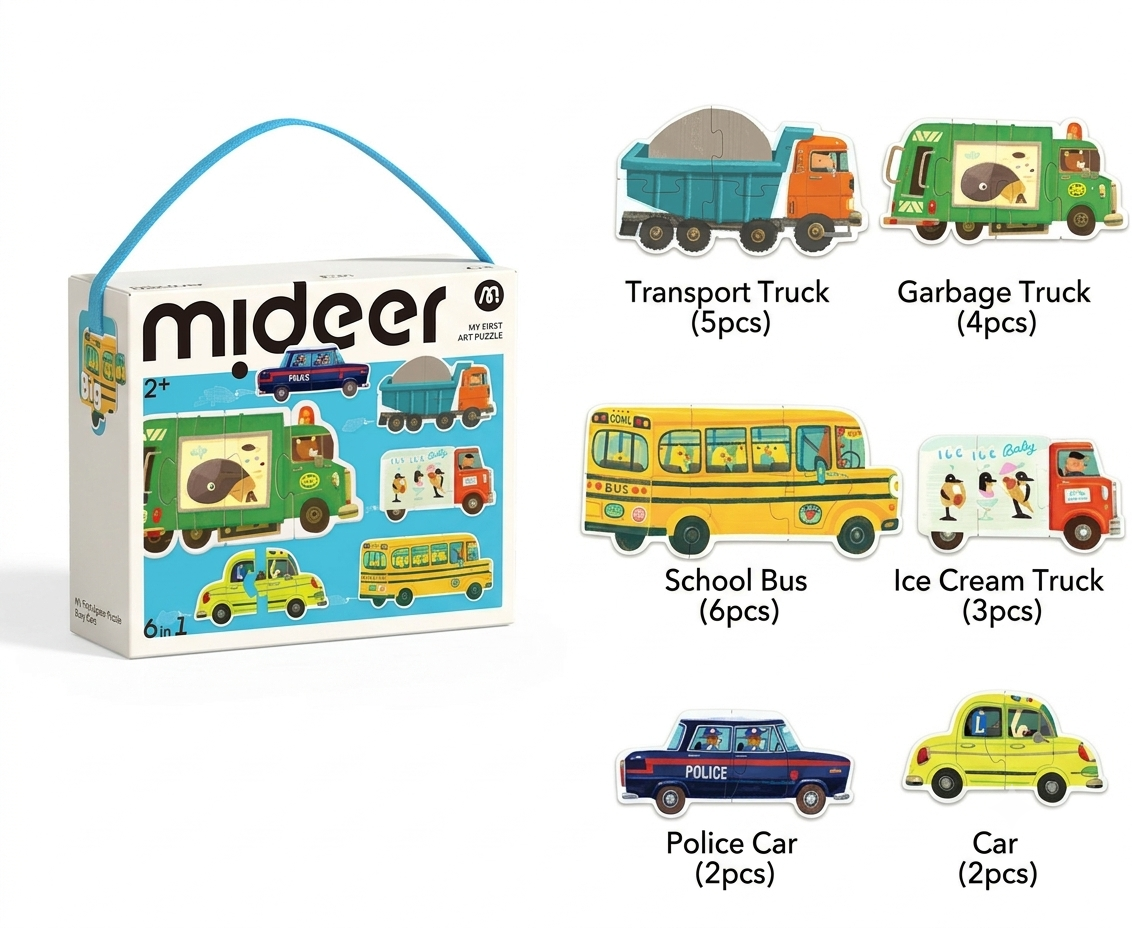
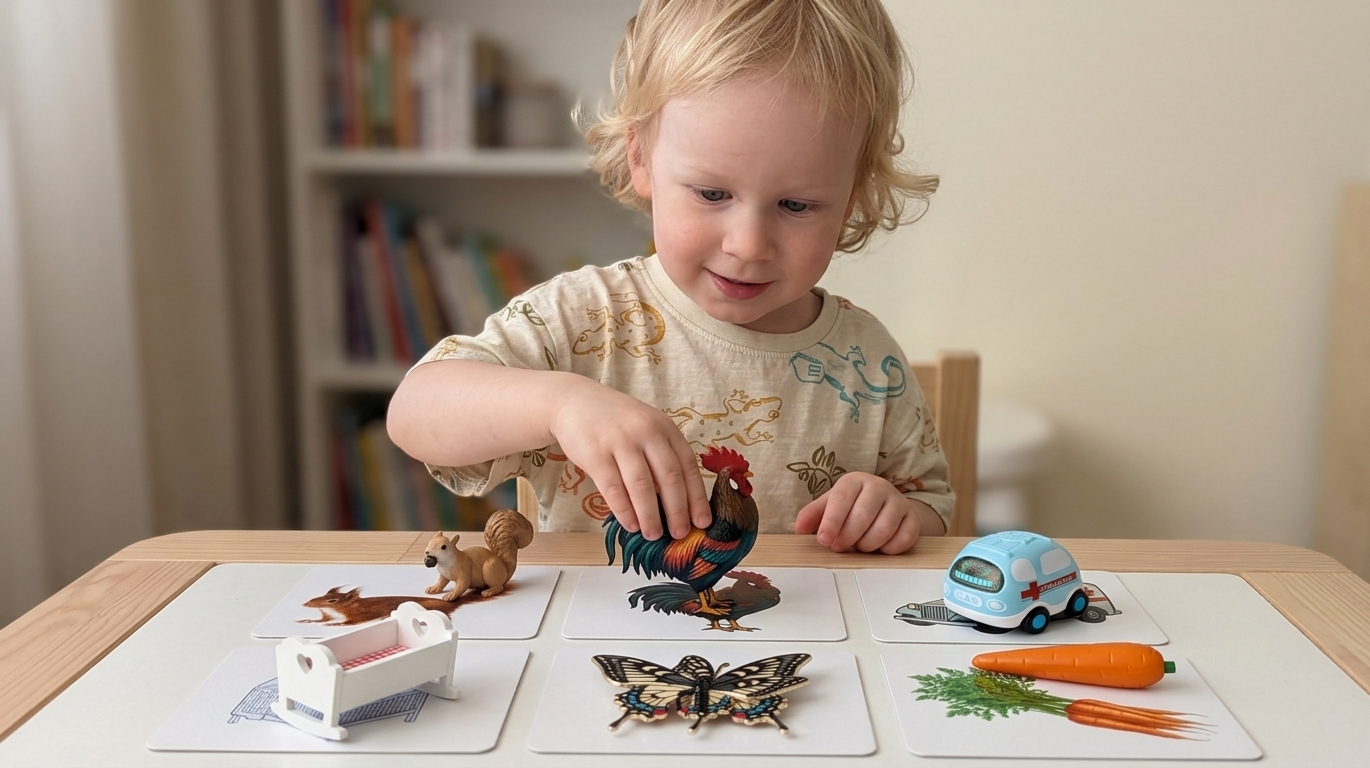
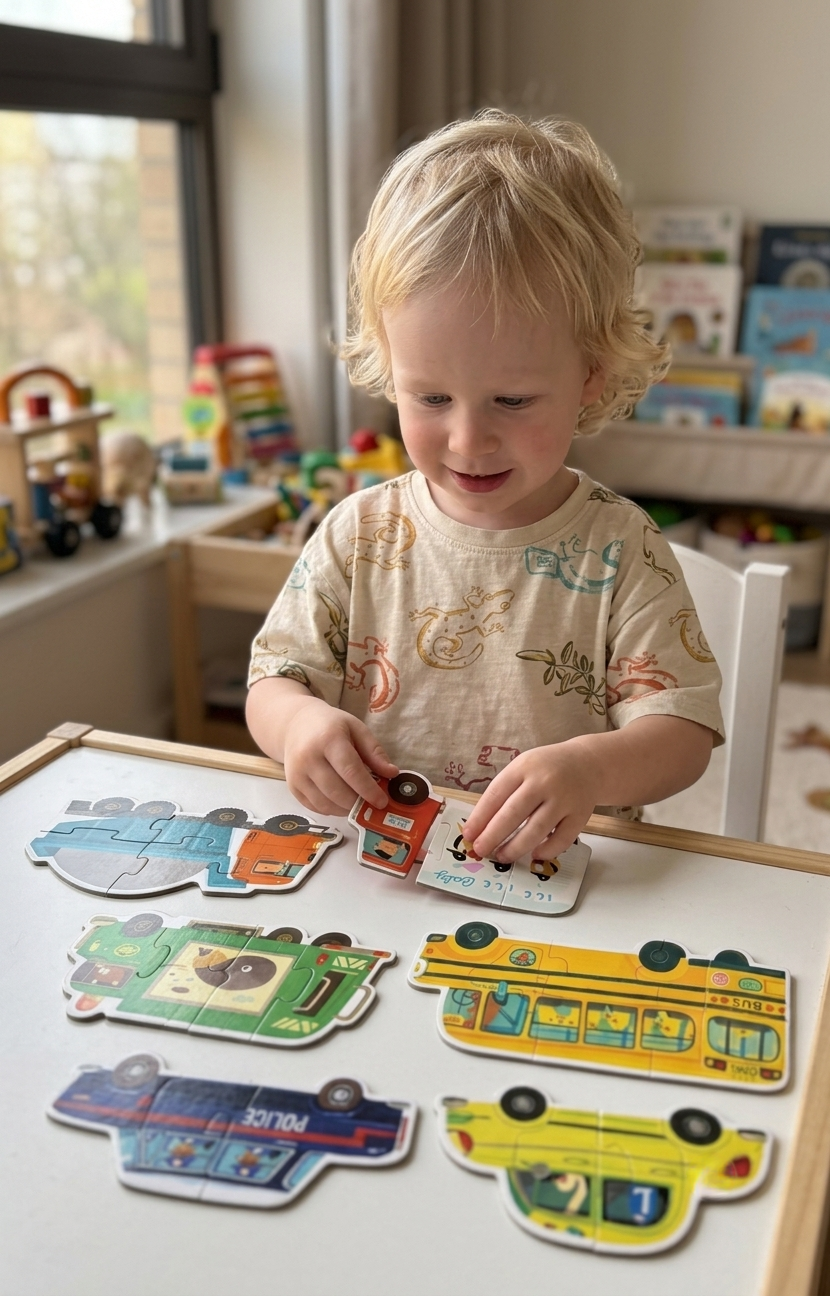
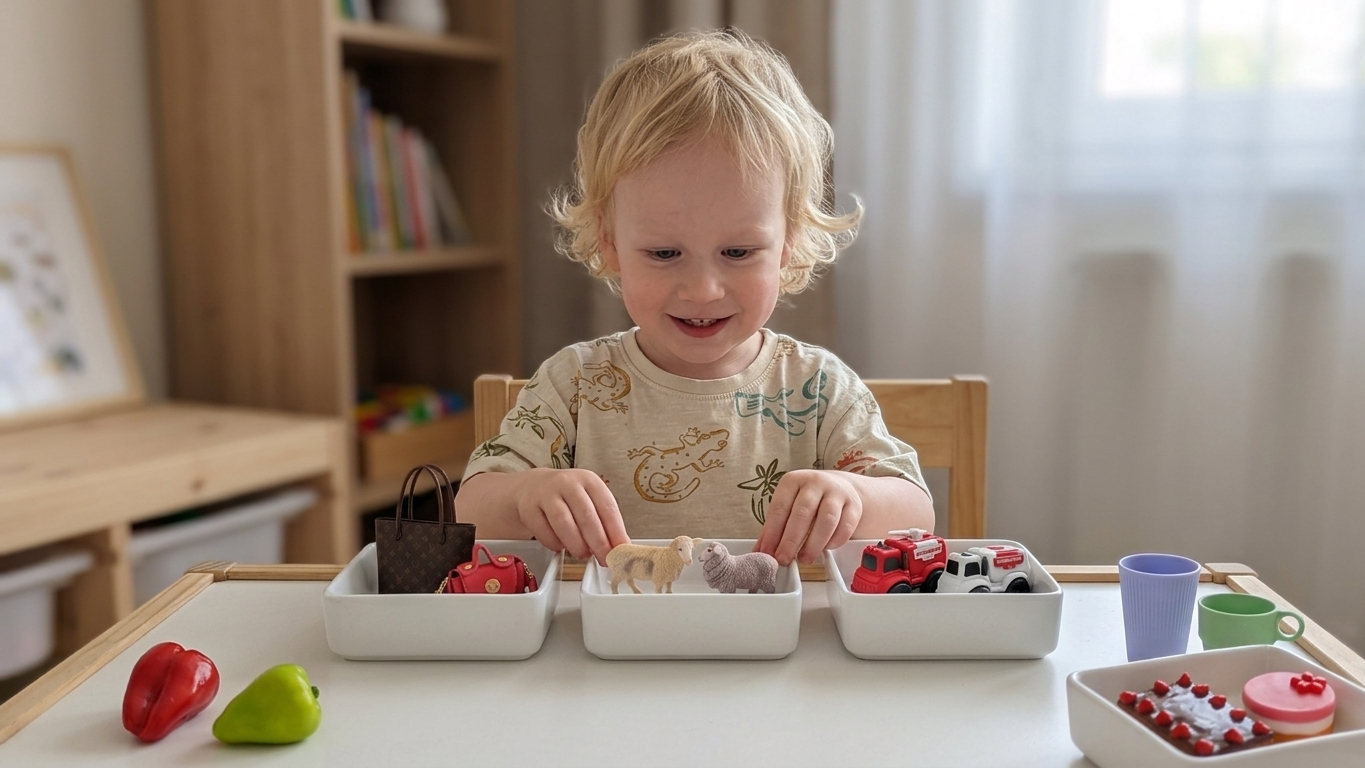
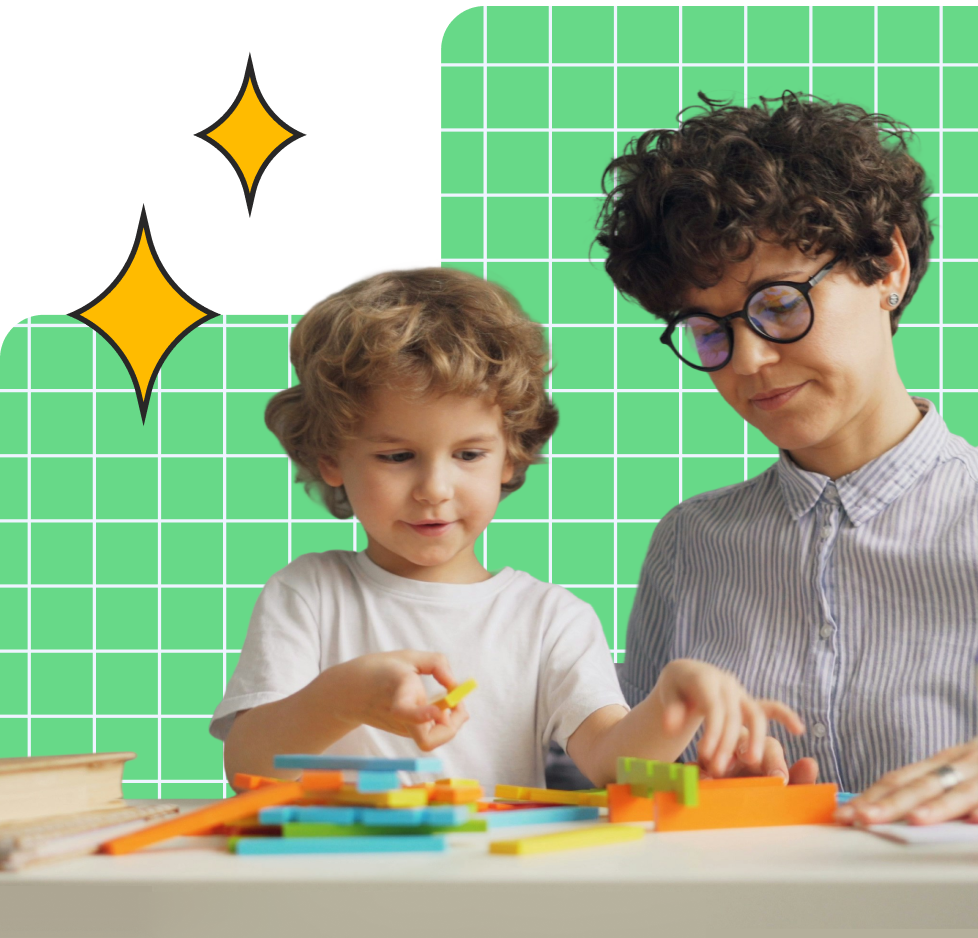
The assessment kit for cognitive development “Visual Perception and Fine Motor Skills. Level 2” is designed for children who are ready to tackle more complex logical and construction-based tasks. The activities include building models using 3D references and pictures, memory and association games, creating logical sequences, and identifying differences. This makes it possible to observe how the child analyses visual information: whether they understand spatial schemes, notice fine details, and grasp relationships between objects. The kit enables specialists to assess logical thinking, attention, and construction skills — all essential for school readiness.  

The kit is suitable for early childhood settings, school readiness groups, primary, inclusive, and special education classrooms, as well as psychological and educational support centres. It provides a unified and clear approach to assessing more advanced levels of visual perception and fine motor skills.

More information

The assessment kit for cognitive development “Visual Perception and Fine Motor Skills. Level 2” is designed for children who are ready to tackle more complex logical and construction-based tasks. The activities include building models using 3D references and pictures, memory and association games, creating logical sequences, and identifying differences. This makes it possible to observe how the child analyses visual information: whether they understand spatial schemes, notice fine details, and grasp relationships between objects. The kit enables specialists to assess logical thinking, attention, and construction skills — all essential for school readiness.  

The kit is suitable for early childhood settings, school readiness groups, primary, inclusive, and special education classrooms, as well as psychological and educational support centres. It provides a unified and clear approach to assessing more advanced levels of visual perception and fine motor skills.

Related products
view all

What our clients are saying about us.

view all

Customer testimonials

What our clients are saying about us.

Working with UNOWA was a turning point for our university. Their expert-led training in ABA, ADOS-2 and MIKKO reshaped how we think, teach, and prepare inclusive educators. The model inclusion classroom they equipped has become a living lab, a space where theory becomes hands-on skill. This partnership didn’t just support a project. It laid the foundation for a more humane, modern and inclusive education system in Kazakhstan.
Yerkin Zhumankulova
Yerkin Zhumankulova
Thanks to UNOWA’s innovative approach and professional guidance, we’ve redefined how we prepare future educators. The MIKKO training and inclusion lab brought international best practices to our university, not just as theory, but as living, hands-on tools that inspire confidence and real change.
Irina Rovnyakova
Vice-Rector in Academic Affairs. Kazakh National Women's Teacher Training University
Thanks to our partnership with UNOWA, even schools in Armenia’s most remote regions now have access to fully equipped science and technology labs. Nearly half of the country’s schools have been modernized, bringing equal learning conditions to every student, no matter where they live.
Zhanna Andreasyan
icon arrow left
icon arrow right

Customer testimonials

What our clients are saying about us.

Thanks to our partnership with UNOWA, even schools in Armenia’s most remote regions now have access to fully equipped science and technology labs. Nearly half of the country’s schools have been modernized, bringing equal learning conditions to every student, no matter where they live.
Zhanna Andreasyan
Minister of Education, Science, Culture and Sport. The Government of the Republic of Armenia
Thanks to UNOWA’s innovative approach and professional guidance, we’ve redefined how we prepare future educators. The MIKKO training and inclusion lab brought international best practices to our university, not just as theory, but as living, hands-on tools that inspire confidence and real change.
Irina Rovnyakova
Vice-Rector for Strategic Development and International Relations Sarsen Amanzholov East Kazakhstan University
Working with UNOWA was a turning point for our university. Their expert-led training in ABA, ADOS-2 and MIKKO reshaped how we think, teach, and prepare inclusive educators. The model inclusion classroom they equipped has become a living lab, a space where theory becomes hands-on skill. This partnership didn’t just support a project. It laid the foundation for a more humane, modern and inclusive education system in Kazakhstan.
Yerkin Zhumankulova
Vice-Rector in Academic Affairs Kazakh National Women's Teacher Training University
icon arrow left
icon arrow right
Visual Perception and Fine Motor Skills. Level 2
Speak to expertimage of finger pointing to a graph