How Book Conversations Help Children with Language Delays: What Teachers, Parents, and Specialists Should Know


A growing number of children are entering school without the language skills they need to succeed. A recent UK study highlights a powerful, simple tool that can help close this gap: dialogic reading, or guided conversations around picture books.
The research, published in February 2026, found that when adults ask open-ended questions about a book's images, characters, and story events, children with speech and language delays show significant progress in both communication and school-readiness. These gains are especially important for children from disadvantaged backgrounds, where language gaps are often wider.
In the study, 44 parents of 3- to 5-year-old children were taught to use dialogic reading techniques at home. After just a short intervention, the children not only improved in expressive language but also became more engaged in classroom settings. Parents, too, reported increased confidence and connection with their children.
The takeaway? Reading with a child—rather than to them—can change their developmental path.
What This Means for Educators, Specialists, and Families
For Teachers:
- Use any picture book, even familiar ones.
- Follow the child’s interest in images and characters.
- Pause to ask open-ended questions such as:
- "What do you think is happening here?"
- "Why is the character sad/happy?"
- "What might happen next?"
- Praise all responses to build confidence.
This strategy is especially effective for children with cognitive and language delays, and can be built into circle time, small group work, or one-on-one sessions.
For Specialists:
- Encourage teaching assistants, therapists, and aides to adopt dialogic methods during reading sessions.
- Offer mini-trainings or video modeling of how to use questioning strategies.
- Track expressive vocabulary gains in sessions using common prompts across staff.
Dialogic reading doesn’t require extra resources—just a shift in how we interact during storytime.
For Parents:
- Choose any book your child likes and take your time with each page.
- Use these sample prompts:
- "What do you see?"
- "What do you think this is called?"
- "What do you think the character is feeling?"
- Don’t worry about right answers—focus on conversation.
- Use positive feedback: "That's a great idea!", "Good thinking!", "Tell me more!"
Your child will gain vocabulary and confidence just by talking with you.
Ready-to-Use Tools from UNOWA & MIKKO
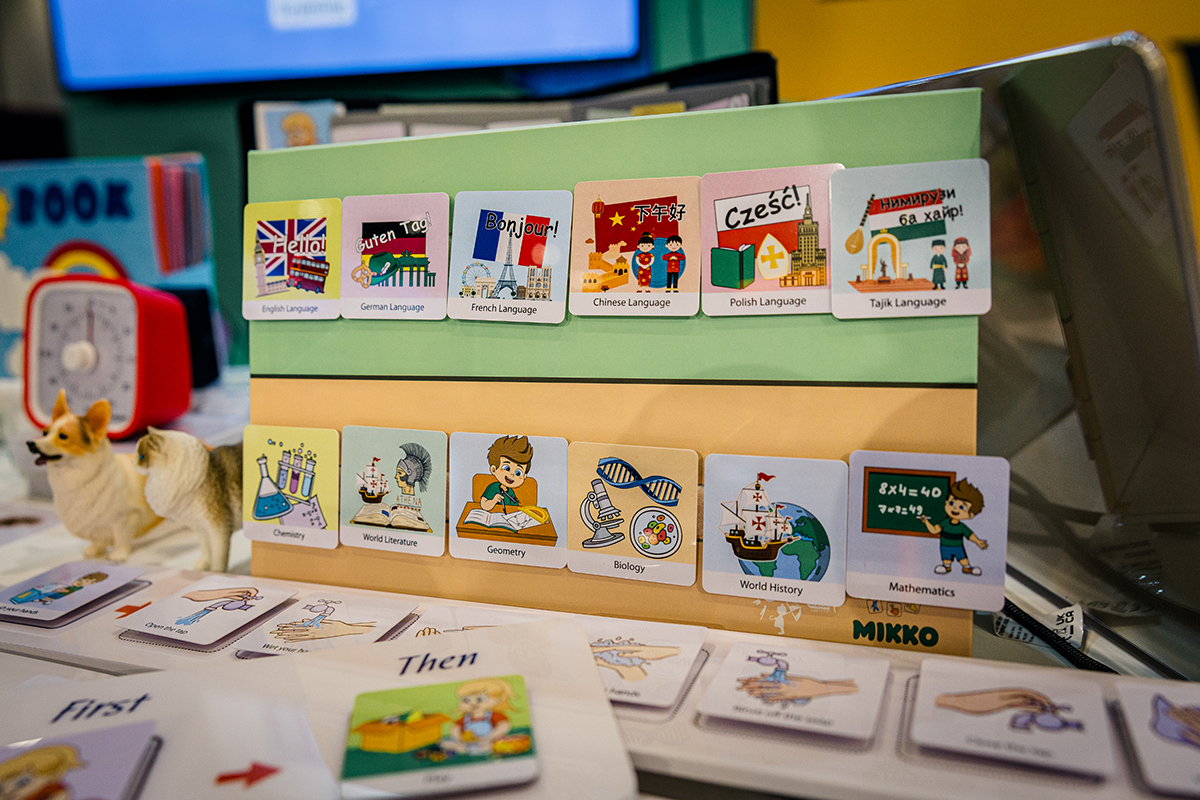
To make this even easier, MIKKO offers structured supports based on its "6 Spheres of Development" method:
These kits include visual prompts, structured question formats, and ready-made dialogue models for children at different levels of language ability.
And if you're looking for a step-by-step tool to talk about emotions and everyday behavior—try our illustrated book:
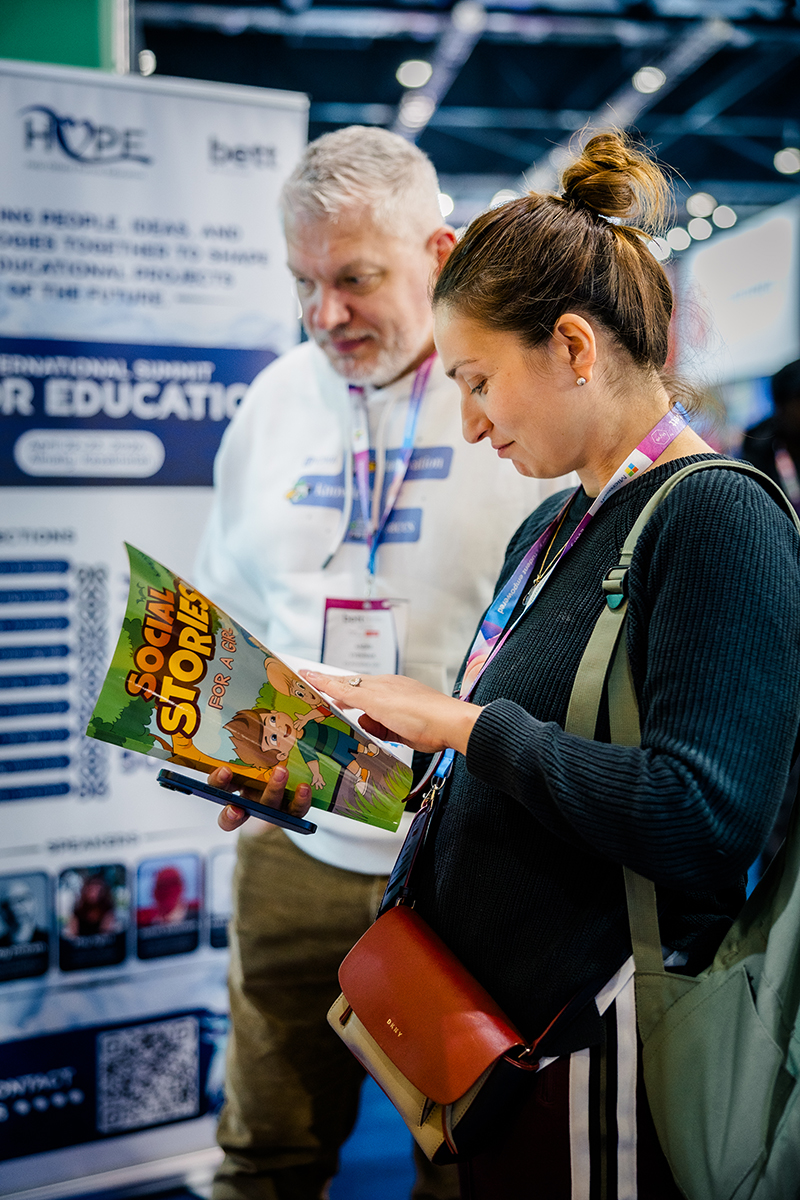
- 📄 Social Stories for Boys and Girls: designed to help children understand feelings, routines, and social expectations.
Final Thought
Research tells us that we don’t need to wait for a formal diagnosis or perfect resources to start helping a child thrive. Every book, every page, and every question is a chance to connect.
And when time is the most valuable resource we have — UNOWA helps families, teachers, and professionals use it where it matters most.
Explore more inclusive tools at www.unowa.eu
Check out other articles
Explore the latest perspectives from our digital research team

Equipping 439 schools: what a national STEM rollout actually takes
Armenia aims to equip every school with a science laboratory by the end of 2026. A look at the delivery layer of a 439-school rollout: seven laboratory configurations, 1.8 million items, 200+ localised teaching materials — and what ministries should ask suppliers.

Responsible AI in Education Starts Before the Algorithm
Responsible AI in education depends on knowing what your data actually represents. A UNOWA pilot study shows why measurement validity has to come before AI interpretation.
Differentiated Support in Inclusive Education: Why a Score Is Only the Start
Differentiated support in inclusive education starts where scoring ends. Here's why assessment should answer "what's getting in the way," not just "what's wrong."