
Beyond the Algorithm: A New Era of Inclusion
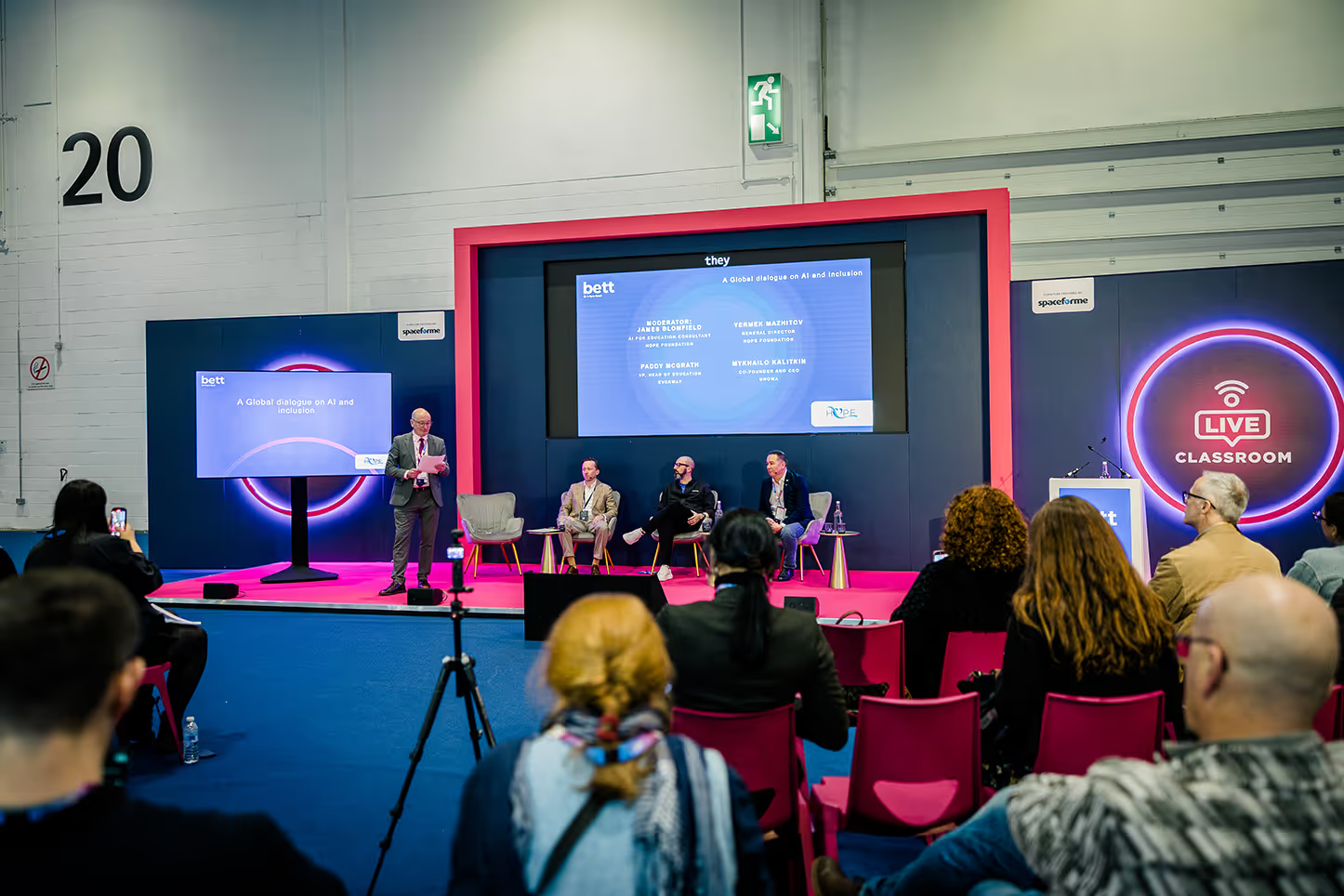
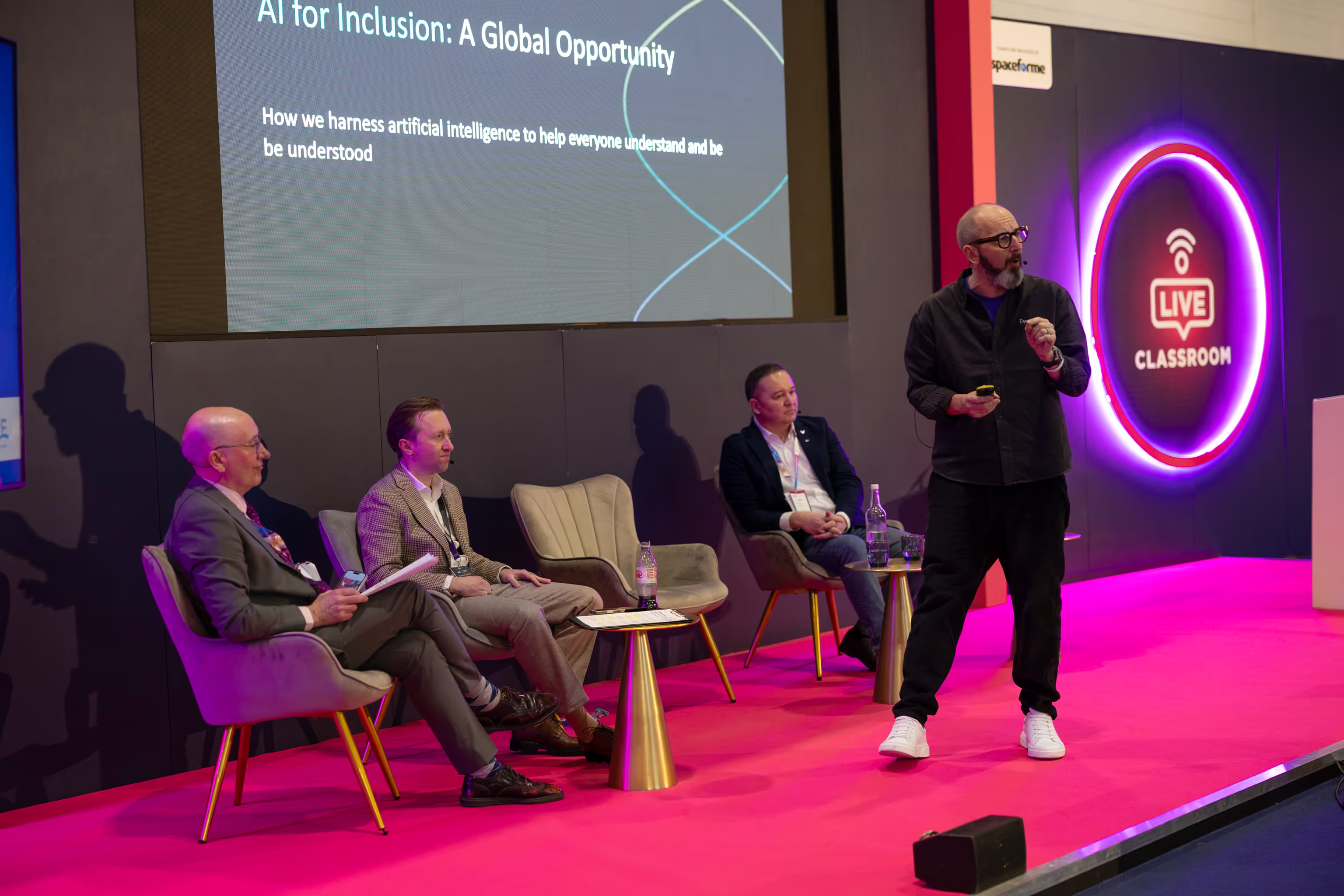
The halls of BETT 2026 buzzed with technical jargon, but at the "Global Dialogue on AI and Inclusion" session, the conversation took a deeply personal turn. Hosted by the Hope Foundation and UNOWA, the panel challenged the industry to look past productivity and focus on empathy.
James Blomfield, AI and education consultant with the Hope Foundation, opened the session by highlighting the transformative power of personalization.
"In an era when AI can reshape a lesson in real-time to match a student's unique cognitive pace, we're exploring how this technology allows us to meet every learner exactly where they are," Blomfield noted.
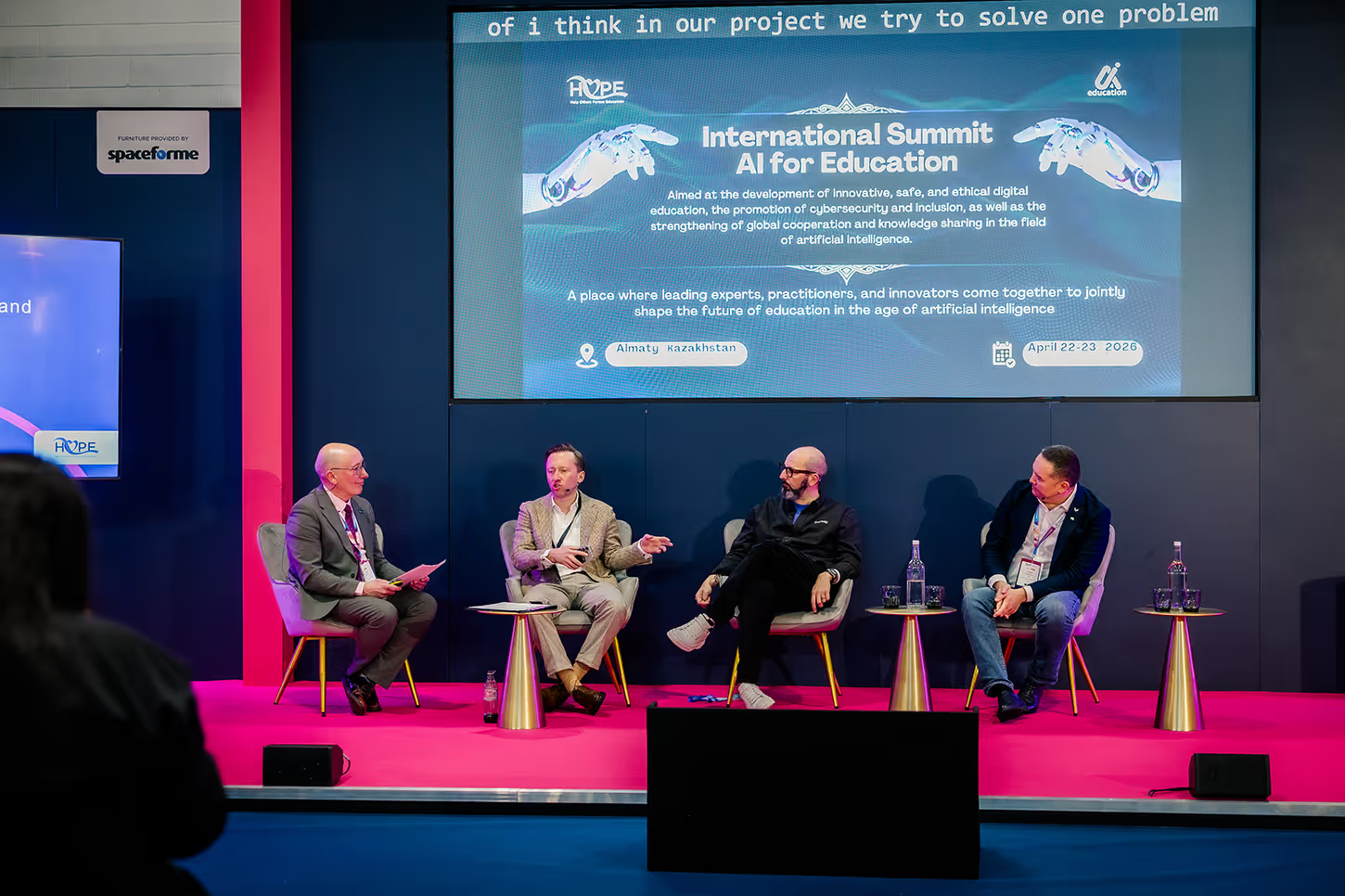
He also issued a warm invitation to the upcoming AI for Education Summit in Almaty this April, an event poised to be the next milestone for global educational innovation.
The Power of Strategic Partnership
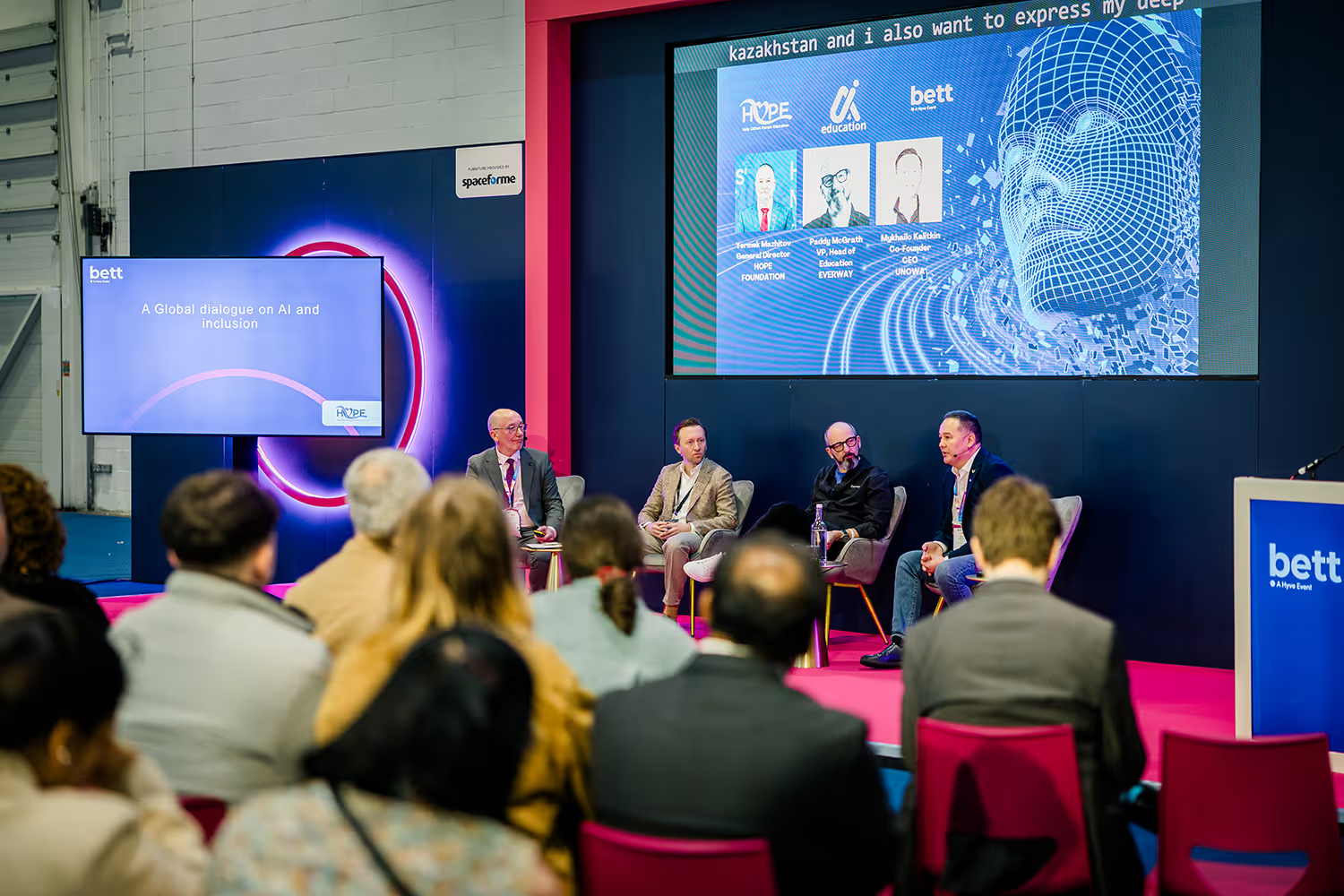
The dialogue underscored that innovation thrives on collaboration. Yermek Mazhitov, General Director of the Hope Foundation, expressed his gratitude for the growing ecosystem of partners.
"We are sincerely thankful to all of you who demonstrate with your presence a lot of gratitude to my team members... and to the team leads at UNOWA," Mazhitov stated, emphasizing the importance of international cooperation in bringing cutting-edge AI to the Kazakh landscape.
Inclusion: From "Checkbox" to Culture
For Patrick McGrath, VP and Head of Education at Everway, the goal isn't just to make tech "accessible," but to make it invisible. He argued that AI is the lever to move from a "one size fits all" model to a "just right for me" experience.
"Inclusion is not a checkbox," McGrath asserted. "AI gives us this very rare opportunity to actually design for everyone. It helps remove stigma—if you need to feel included, I can feel just as included as the next person because we’re using the same natural, AI-driven tools."
The "Soul" in the Machine
Representing the heart of the UNOWA philosophy, Mykhailo Kalitkin, CEO and co-founder of UNOWA, reminded the audience that technology is only as valuable as the human experience it supports. Drawing from his personal journey as a father of a child with autism, he delivered a powerful message on the limits of LLMs.
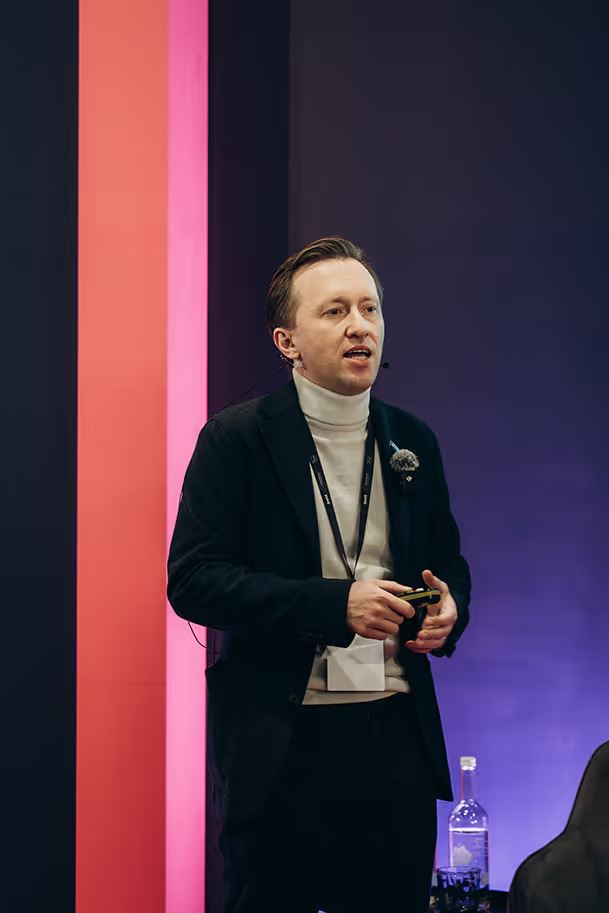
"GPT doesn't have a soul. Gemini doesn't have a soul," Kalitkin said. "The future of AI is inside our human capital and about our soul. It’s very important to be human, to be real people, and be real support—not only from AI technology."
Kalitkin also touched upon the ethical "tightrope" of data, insisting that student data must remain the property of families, not corporations.
The Future is Already Here
The session wasn't just theoretical. A presentation from students Akhat and Ismail from the Nazarbayev Intellectual School in Karaganda showcased a VR chemistry lab with integrated AI. Their project solves the "hazardous and expensive" barriers of traditional labs, allowing students to ask questions in real-time. It was a perfect example of what Blomfield called "student agency"—the ultimate goal of any educational tool.
Conclusion
As we look toward the AI for Education Summit in Almaty, the message from BETT 2026 is clear: AI is not a substitute for the teacher, the parent, or the student. It is a bridge. By embedding "soul" and human experience into our ecosystems, we can ensure that the digital future is not just smarter, but more equitable for every learner.


Check out other articles
Explore the latest perspectives from our digital research team
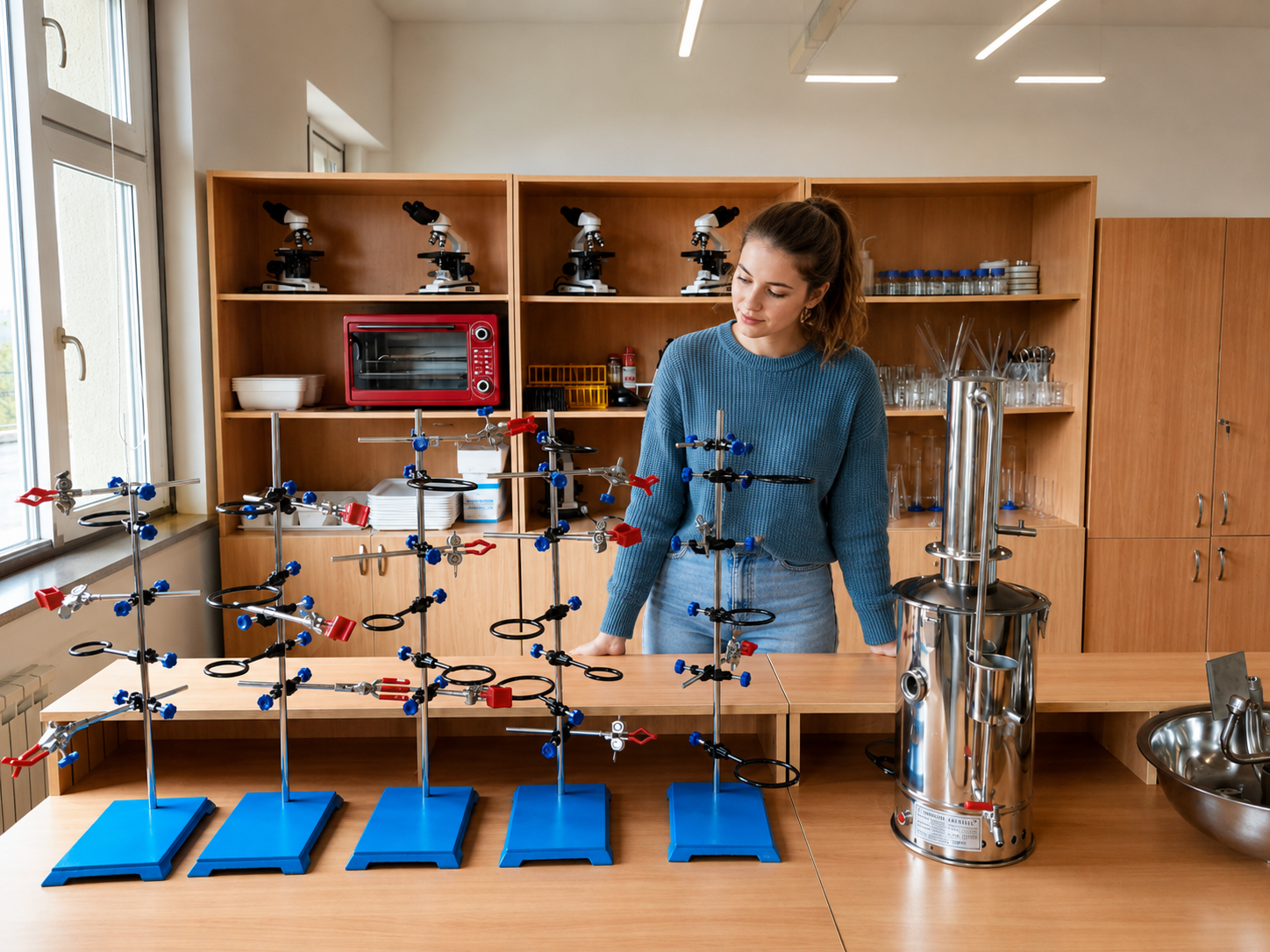
Equipping 439 schools: what a national STEM rollout actually takes
Armenia aims to equip every school with a science laboratory by the end of 2026. A look at the delivery layer of a 439-school rollout: seven laboratory configurations, 1.8 million items, 200+ localised teaching materials — and what ministries should ask suppliers.

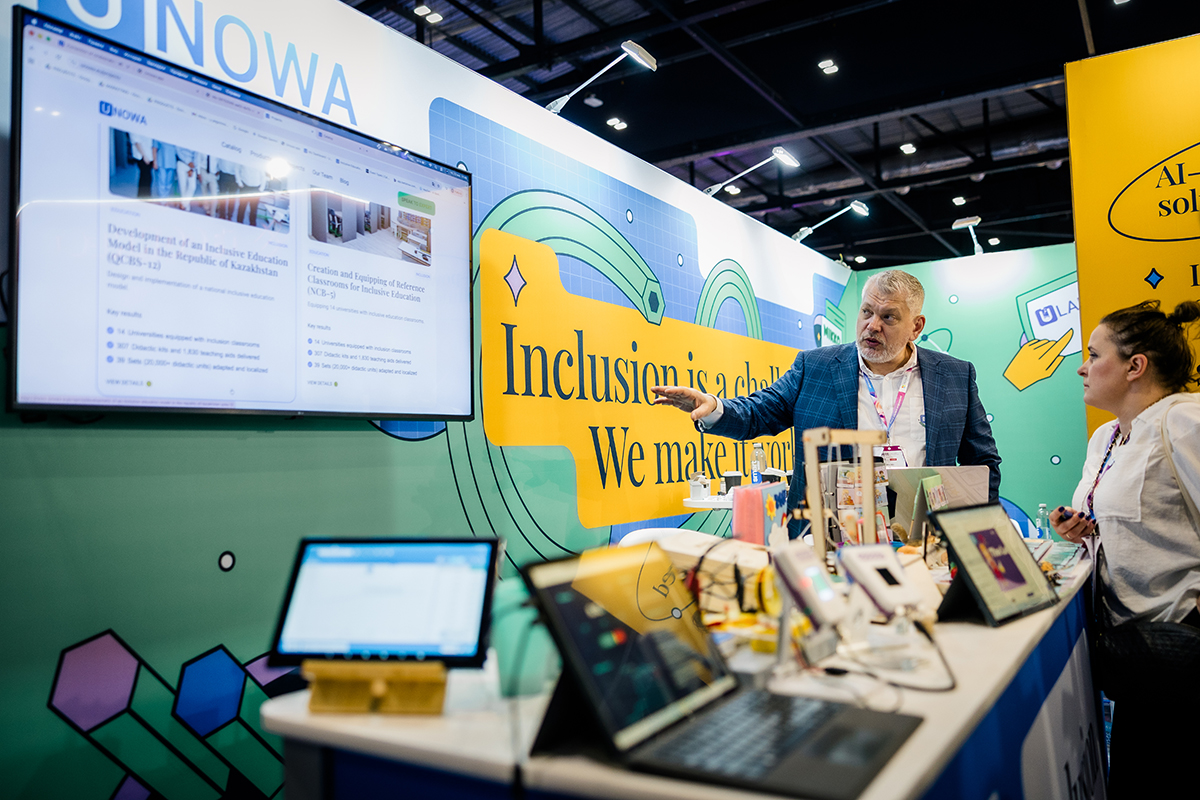
Responsible AI in Education Starts Before the Algorithm
Responsible AI in education depends on knowing what your data actually represents. A UNOWA pilot study shows why measurement validity has to come before AI interpretation.
Differentiated Support in Inclusive Education: Why a Score Is Only the Start
Differentiated support in inclusive education starts where scoring ends. Here's why assessment should answer "what's getting in the way," not just "what's wrong."