
In our previous article, “From a Pilot Project to a Global Inclusive Education Brand”, we described how UNOWA evolved from a local initiative into a structured international solution for inclusive education.
But a fair question remains:
What does this actually look like in a classroom tomorrow morning?
Let’s move from strategy to practice.
The Starting Point: A Real Cognitive Challenge

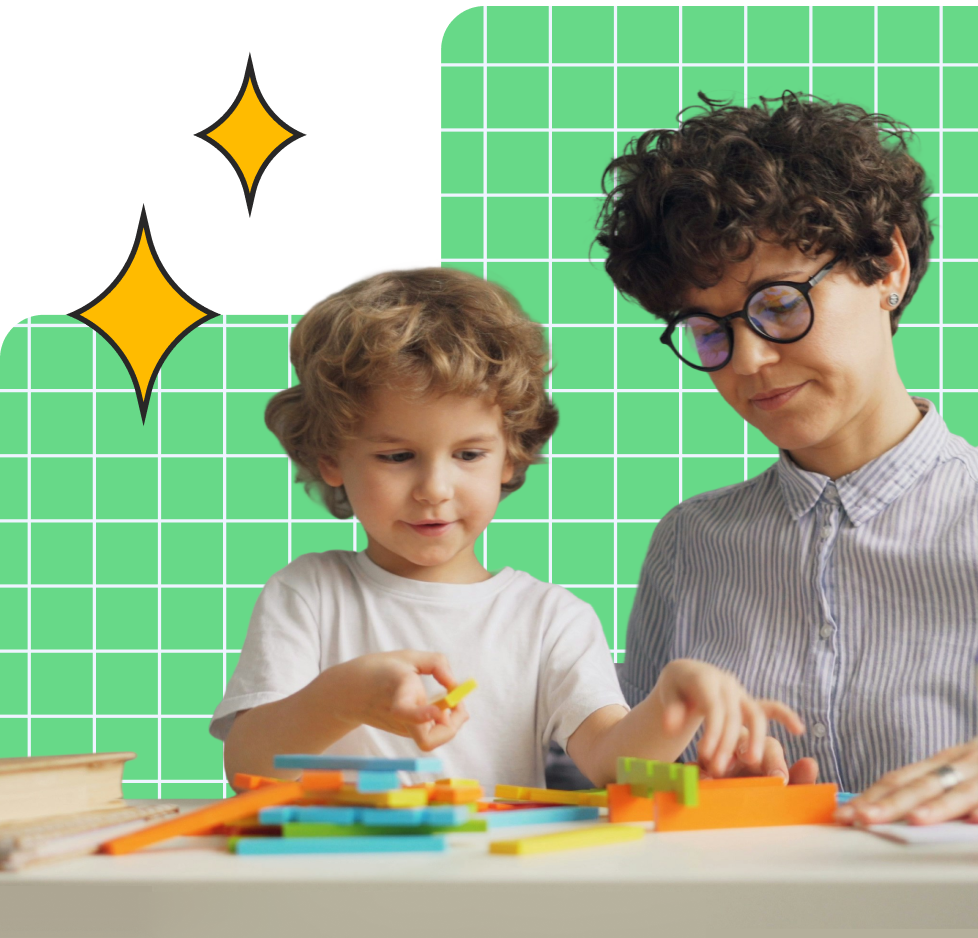
Imagine a primary school teacher in the UK working with a 6-year-old student who:
- struggles with categorisation
- has difficulty building logical sequences
- loses focus after 3–4 minutes
- avoids structured tasks
This is not unusual. And it is not a diagnosis.
It is a signal.
Instead of guessing, the school begins with:
MIKKO “6 Domains of Development” Screening
This structured assessment evaluates:

- object recognition and differentiation
- classification skills
- cause-and-effect understanding
- logical sequencing
- task completion ability
- attention sustainability
The goal is not to label a child, but to identify precise developmental gaps.
What the Assessment Reveals
The results show:
✔ Weak categorisation skills
✔ Difficulty arranging logical sequences
✔ Attention drops after 3–4 minutes
✔ Performance improves with visual structure
Now the teacher is no longer improvising.
There is clarity.
And clarity changes intervention.
Step 2: Matching Assessment With Targeted MIKKO Tools
Instead of offering generic support, MIKKO connects assessment directly to intervention.
For this cognitive profile, the following components are applied:
1️⃣ MIKKO “6 Domains of Development” Digital Course
Provides:
- methodological explanation of cognitive delays
- structured guidance on intervention planning
- alignment with inclusive classroom practice
You can find out more about this course here.
2️⃣ MIKKO Professional Bundle
Includes:
- Behaviour Approach in Teaching
- Skills Development in Children with SEN
- Language & Cognitive Development modules
This is where teachers learn how to:
- structure micro-sessions
- increase attention span gradually
- apply reinforcement correctly
- reduce task avoidance
You can find out more about this course here.
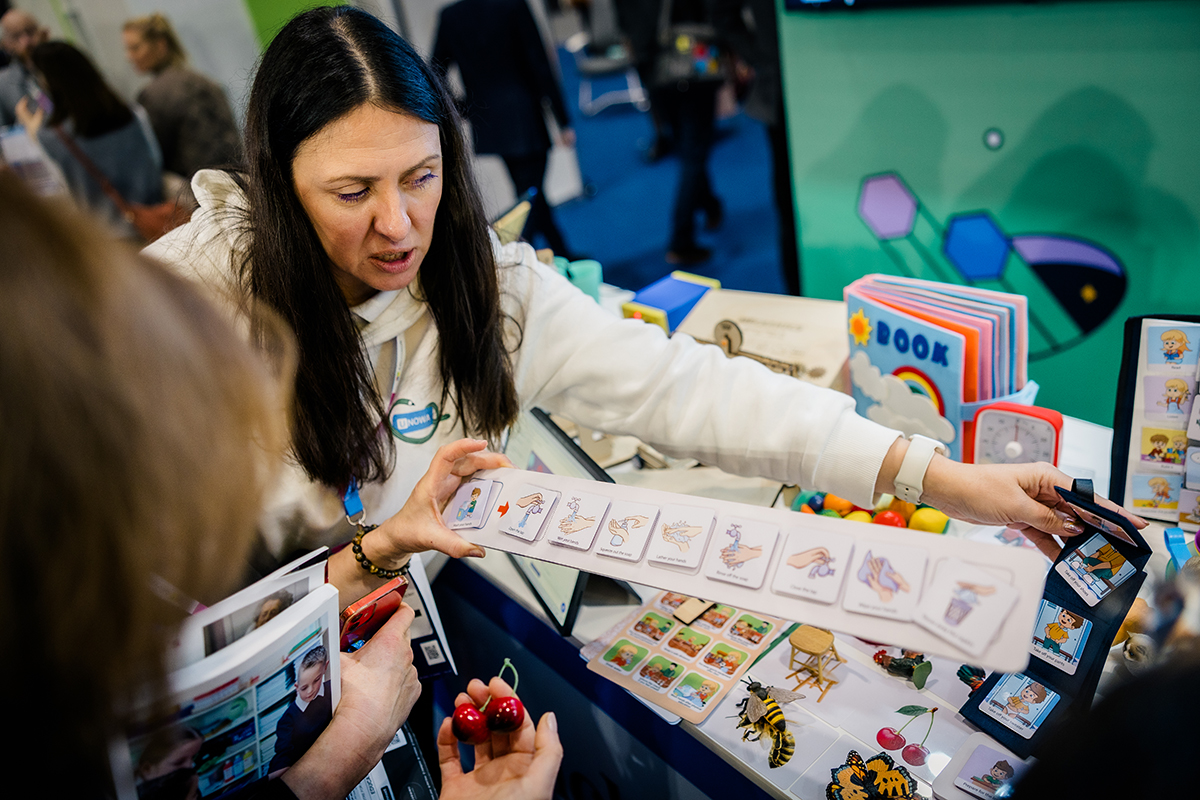
3️⃣ MIKKO Cognitive Didactic Kits
From the Cognitive/Academic Sphere direction (part of the 106-element inclusive line), appropriate tools include:
- Classification & Sorting Sets
- Logical Sequence Cards
- Cause-and-Effect Training Materials
- Visual Structuring Supports
These are structured developmental tools aligned with the assessment model. In our online catalogue, you can see how MIKKO products can tackle any challenge faced by professionals.

What the Teacher Does Tomorrow
This is where everything works. Not theory or another “implementation roadmap,” just what actually happens tomorrow in the classroom.
Instead of another 20-minute worksheet that leads to frustration and behavioural escalation, the teacher has a clear, simple activity aligned with the child’s real developmental level — something the student can engage with, complete, and succeed in. And that small shift changes the entire dynamic: less stress, more focus, and a classroom that finally starts working for everyone.
The Lesson Becomes Structured
Block 1 – 4 minutes
Classification Activity (Cognitive Kit)
Task:
Sort objects by function (food / transport / clothing)
Structure:
Start card → Sorting tray → Finish card
Goal:
Train categorisation within attention capacity.
Block 2 – 3 minutes
Logical Sequence Activity
Task:
Arrange a simple 3-step routine sequence.
Goal:
Develop structured thinking and predictability.
Block 3 – Micro Reinforcement
Using Behaviour Approach methodology:
- Immediate feedback
- Clear completion marker
- Short break
AI-Supported Adjustment

If attention drops again, the teacher uses the MIKKO AI Agent that assists:
“A child disengages after 3 minutes during sorting task. What should I adjust?”
The response is based on MIKKO’s methodology and screening results — not generic AI output.
Suggested adjustments may include:
- reducing task complexity
- increasing visual cues
- shortening blocks to 2 minutes
- adjusting reinforcement timing
This turns support into a dynamic process.
More about MIKKO AI Agent: How MIKKO AI Agent Changes the Game
What Changes Over 4–6 Weeks
With structured implementation:
- categorisation accuracy increases
- sequence-building becomes faster
- attention span extends gradually
- task avoidance decreases
Most importantly:
The teacher is not overwhelmed.
Inclusion becomes structured.
Why This Matters for Schools
During discussions with UK school leaders, one concern appears repeatedly:
“We don’t want something that adds workload.”
MIKKO does not replace curriculum.
It structures support within it.
Assessment → Defined gap → Targeted kit → Structured micro-session → Measurable progress.
This is how inclusive education becomes operational.
From Pilot to System
As described in our earlier article, UNOWA’s journey began with pilot projects and grew into a comprehensive inclusive ecosystem.
What makes that ecosystem effective is not the number of tools.
It is the connection between:
- Screening
- Methodology
- Didactic Materials
- AI Guidance
When these elements work together, inclusion becomes manageable — even in busy mainstream classrooms.
Inclusive education doesn’t fail because teachers aren’t trying hard enough — in most cases, they’re doing more than they should already. The real problem is that the systems around them are fragmented, forcing them to improvise instead of follow a clear path. When assessment actually connects to what happens in the classroom, support becomes structured, predictable, and manageable. And that’s exactly what allows inclusion to work — not occasionally, but consistently and at scale.

Check out other articles
Explore the latest perspectives from our digital research team
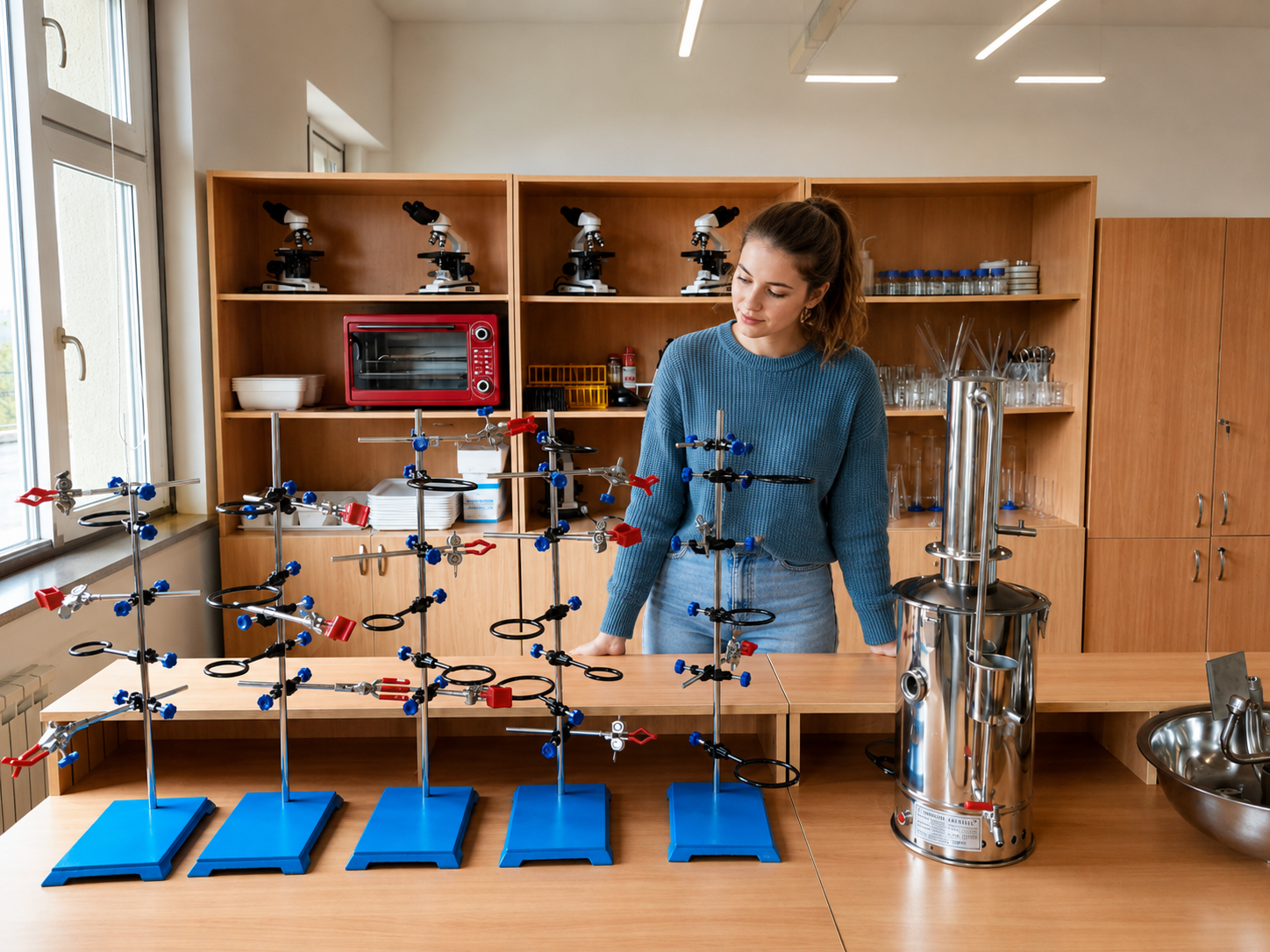
Equipping 439 schools: what a national STEM rollout actually takes
Armenia aims to equip every school with a science laboratory by the end of 2026. A look at the delivery layer of a 439-school rollout: seven laboratory configurations, 1.8 million items, 200+ localised teaching materials — and what ministries should ask suppliers.

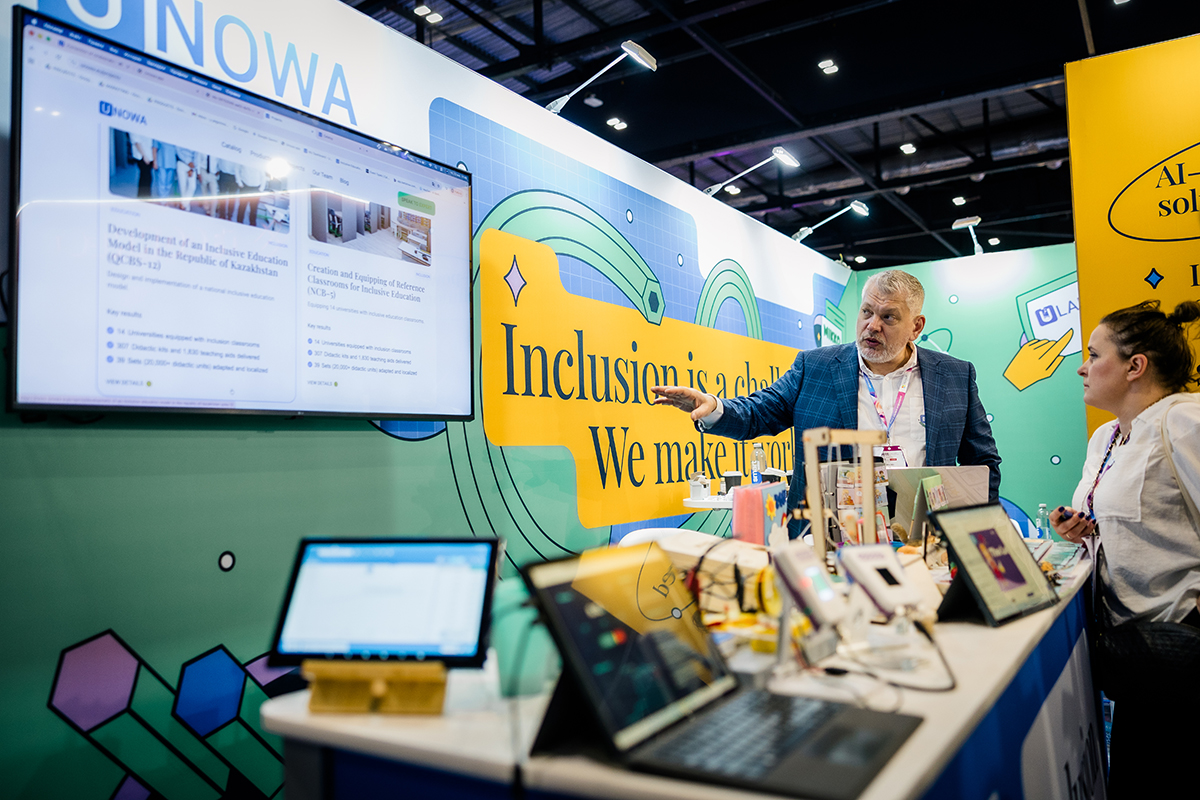
Responsible AI in Education Starts Before the Algorithm
Responsible AI in education depends on knowing what your data actually represents. A UNOWA pilot study shows why measurement validity has to come before AI interpretation.
Differentiated Support in Inclusive Education: Why a Score Is Only the Start
Differentiated support in inclusive education starts where scoring ends. Here's why assessment should answer "what's getting in the way," not just "what's wrong."