From explaining science to testing reality: why STEM is quietly being redesigned around data


For years, STEM education has claimed to teach scientific thinking. In practice, it has often taught something else: how to reproduce known answers. Students memorize formulas. They repeat predefined lab steps. They arrive at expected conclusions.
What they rarely do is investigate reality through data. That is the real limitation of traditional STEM models today. Not the lack of content. Not even the lack of equipment. The lack of authentic inquiry. Modern science is not built on explanation alone. It is built on measurement, testing, iteration, and interpretation. And if education wants to prepare students for the modern world, classrooms need to reflect that shift.
STEM claims to teach scientific thinking. In reality, it teaches answer reproduction.
The core problem is simple. A lesson about force, temperature, respiration, or conductivity becomes fundamentally different when students can actually measure these phenomena in real time. Without data, science stays abstract. With data, it becomes observable, testable, and open to interpretation. This is where sensor-based learning changes the role of the student. Instead of being asked to trust a formula, students begin to ask a better question:
What does the evidence show?
That shift matters more than it seems. Because it moves learning from passive acceptance to analytical thinking.
Science without data isn’t simplified science. It’s a simulation of understanding.
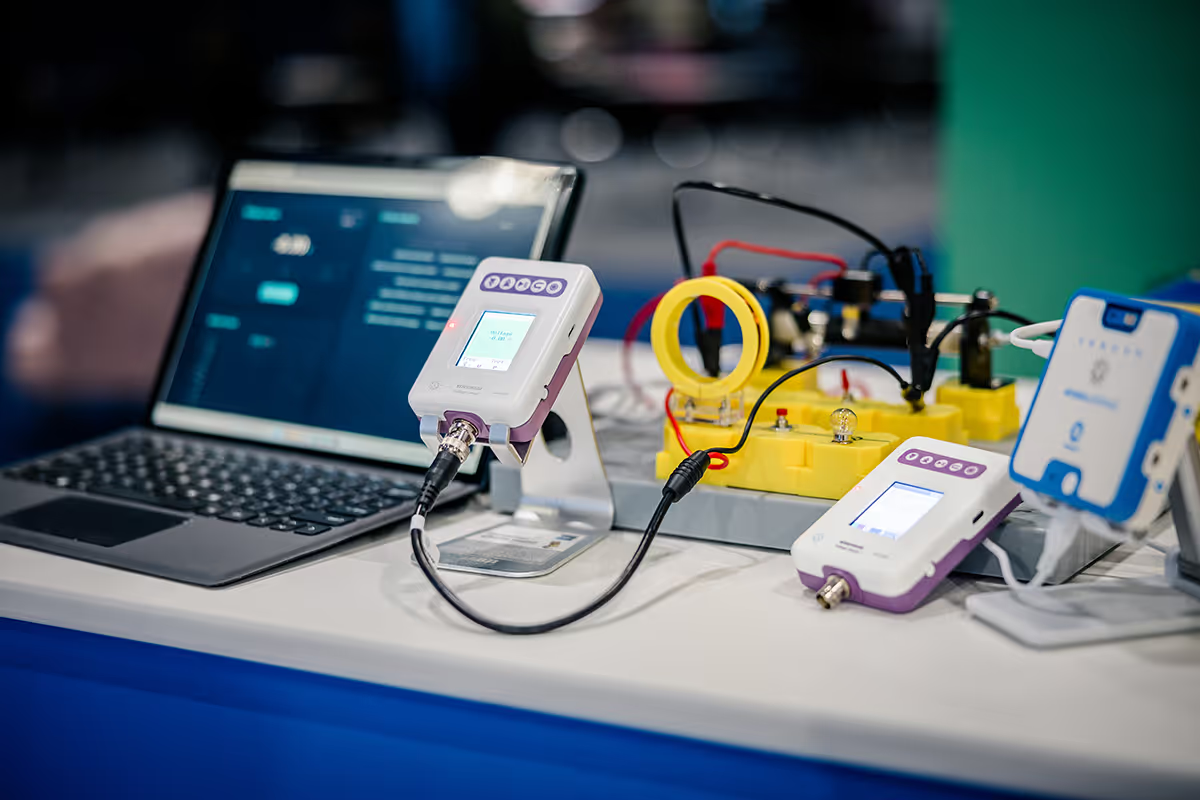
Sensors are often presented as classroom hardware. That framing is too narrow. In reality, sensors are interfaces between physical phenomena and human understanding. They allow students to capture what cannot be seen directly, translate it into measurable data, and work with that data in real time. This is what makes them strategically important for STEM education. They do not simply make lessons more interactive. They make investigation possible.
With sensor-based systems, students can:
- measure motion, force, temperature, pressure, and light in real time
- observe biological indicators such as respiration or heart rate
- analyze chemical change through pH, conductivity, or gas response
- compare hypotheses against live results instead of predefined expectations
That creates a different kind of classroom logic. One where learning is driven not by repetition, but by evidence.
The real shift: from demonstration to inquiry
The most meaningful transformation in STEM happens when they change the structure of learning.
The strongest models of STEM today are built around inquiry:
students ask questions, test assumptions, collect evidence, and draw conclusions.
They make inquiry workable at scale. They allow experiments to produce live, interpretable results.
They help teachers move from presenting knowledge to guiding investigation.
In that model, the student becomes an active participant in science.
Why system design matters
For sensor-based STEM education to work, schools need an ecosystem where:
- sensors collect reliable real-time data
- software translates data into usable insight
- teachers are supported with methodology, not left alone with devices
- students can investigate independently within a structured learning environment
That is the difference between digitizing a lesson and redesigning it. And this is exactly where the next phase of STEM innovation is heading: toward connected, data-driven laboratory systems that combine experimentation, interpretation, and pedagogy in one environment.
From partnership to platform: why this matters now
This shift is strategic.
UNOWA has recently formalized its cooperation with Fourier Systems Ltd through a memorandum that gives the company the right to develop, modify, and enhance the existing Einstein products under UNOWA’s Sensorium trademark. The cooperation also includes access to technical documentation, joint testing and validation, methodological exchange, and the joint development of educational and diagnostic solutions.
This matters because it changes the role of the company in the market.
UNOWA is building on proven sensor technology and adapting it into a broader educational system with its own methodology, analytical layer, and implementation logic.
In other words, the goal is not distribution. The goal is transformation.
That distinction is important for schools, ministries, and institutional partners. Because long-term value in STEM does not come from access to tools alone. It comes from the ability to refine, localize, validate, and embed those tools into real teaching practice.
How UNOWA approaches this: Sensorium AI
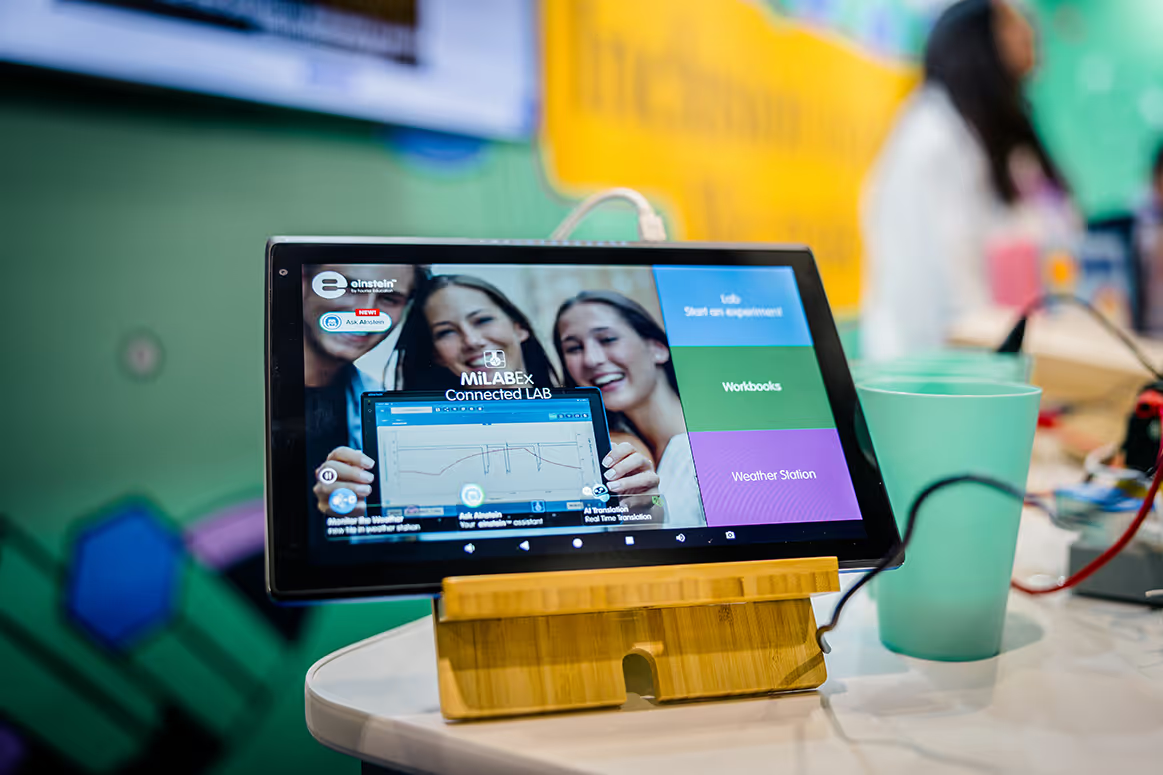
This is the thinking behind Sensorium AI.
Instead of offering sensors as isolated products, UNOWA is developing a full-cycle digital laboratory ecosystem where hardware, software, and methodology work together.
The system combines:
- digital sensors across physics, chemistry, and biology
- wireless data collection and synchronization
- an AI-enhanced learning environment
- methodological support for teachers
- a framework for adaptation, testing, and continuous improvement
This approach turns the laboratory from a place of demonstration into a space of investigation. Students measure, compare, interpret, and reason. Teachers guide students through evidence-based exploration. And schools do not simply acquire devices. They implement a structured model for data-driven STEM learning.
Rather than offering sensors as isolated solutions, UNOWA is developing a comprehensive digital laboratory ecosystem where hardware and software work seamlessly together. An excellent example of this approach is the work of the ULabs division. As Alex, the Head of ULabs, explains in this video, modern STEM kits utilize wireless data collection to conduct experiments across physics, chemistry, and biology. The sensors transmit information in real time to a digital platform, where an integrated AI agent steps in to create an AI-powered learning environment. This allows students to do more than simply record metrics; they can immediately extract analytical insights, making the exploration of real scientific processes genuinely interactive and engaging.
What this enables in practice
When sensor-based systems are built as part of a connected ecosystem, the difference is immediate.
A traditional lesson often starts with theory and ends with confirmation. A sensor-based lesson can begin with a question and end with discovery.
That changes everything:
Traditional STEM lesson
Theory first. Fixed result. Teacher-led process. Abstract explanation
Sensor-based learning environment
Experiment first. Data-driven interpretation. Student-led inquiry. Measurable reality
This is a change in how students build understanding.
The outcome that matters most
The real value of modern STEM education is not in helping students remember more facts. It is in helping them think more rigorously. When students work with real-time data, they develop habits that matter beyond the classroom: analysis, interpretation, testing, reasoning, and evidence-based decision-making.
The future of STEM education will be defined by whether learners can investigate the world, work with complexity, and draw conclusions from reality rather than assumption.
Schools need systems that turn curiosity into measurable understanding. That is why sensors matter. Not as devices. Not as add-ons. But as the foundation of a different learning model. And that is also why strategic partnerships matter. When sensor technology, educational methodology, and system-level design come together, STEM stops being a subject students memorize.
It becomes a way of thinking they can actually practice.
Check out other articles
Explore the latest perspectives from our digital research team
Equipping 439 schools: what a national STEM rollout actually takes
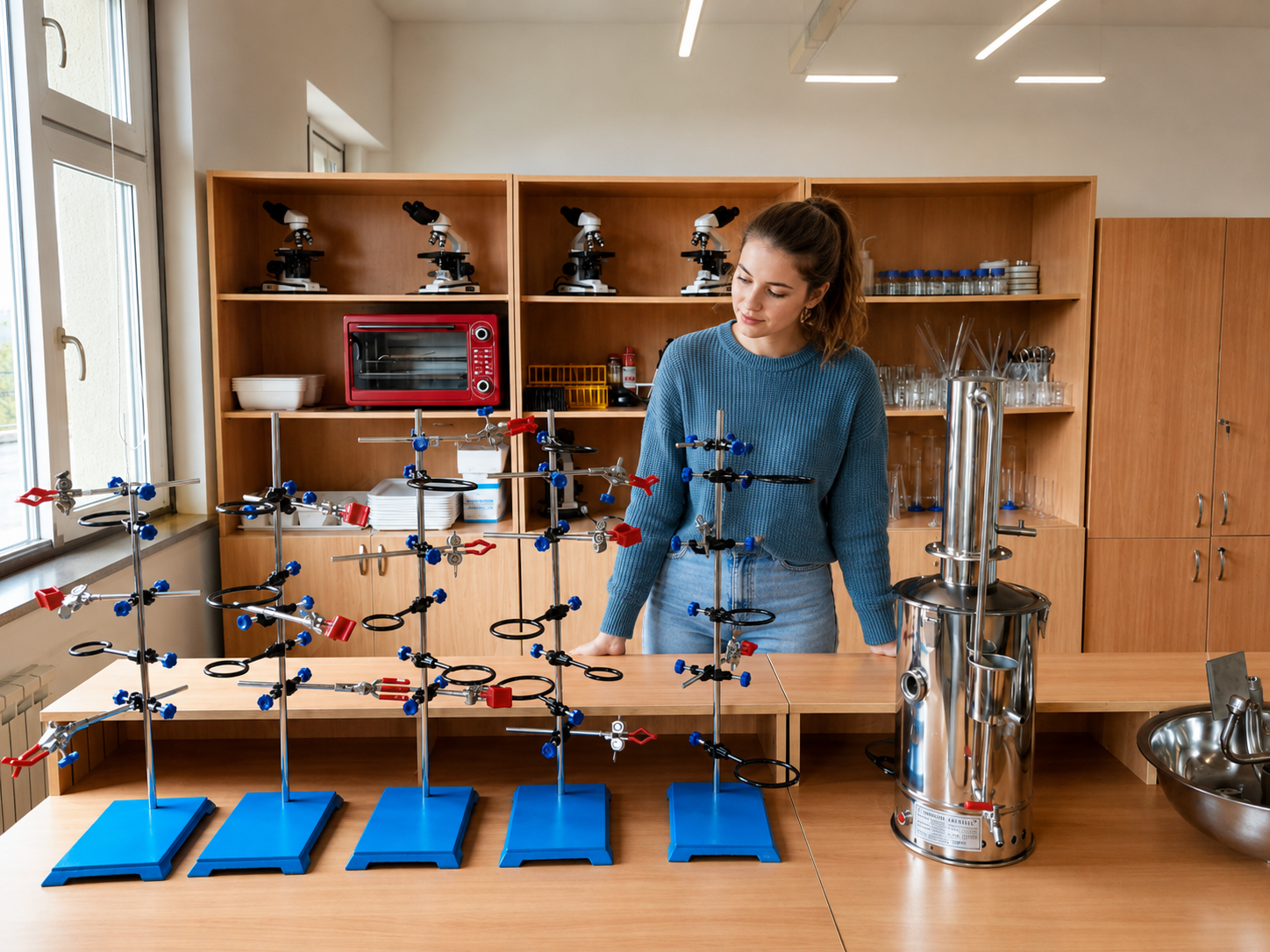
Armenia aims to equip every school with a science laboratory by the end of 2026. A look at the delivery layer of a 439-school rollout: seven laboratory configurations, 1.8 million items, 200+ localised teaching materials — and what ministries should ask suppliers.

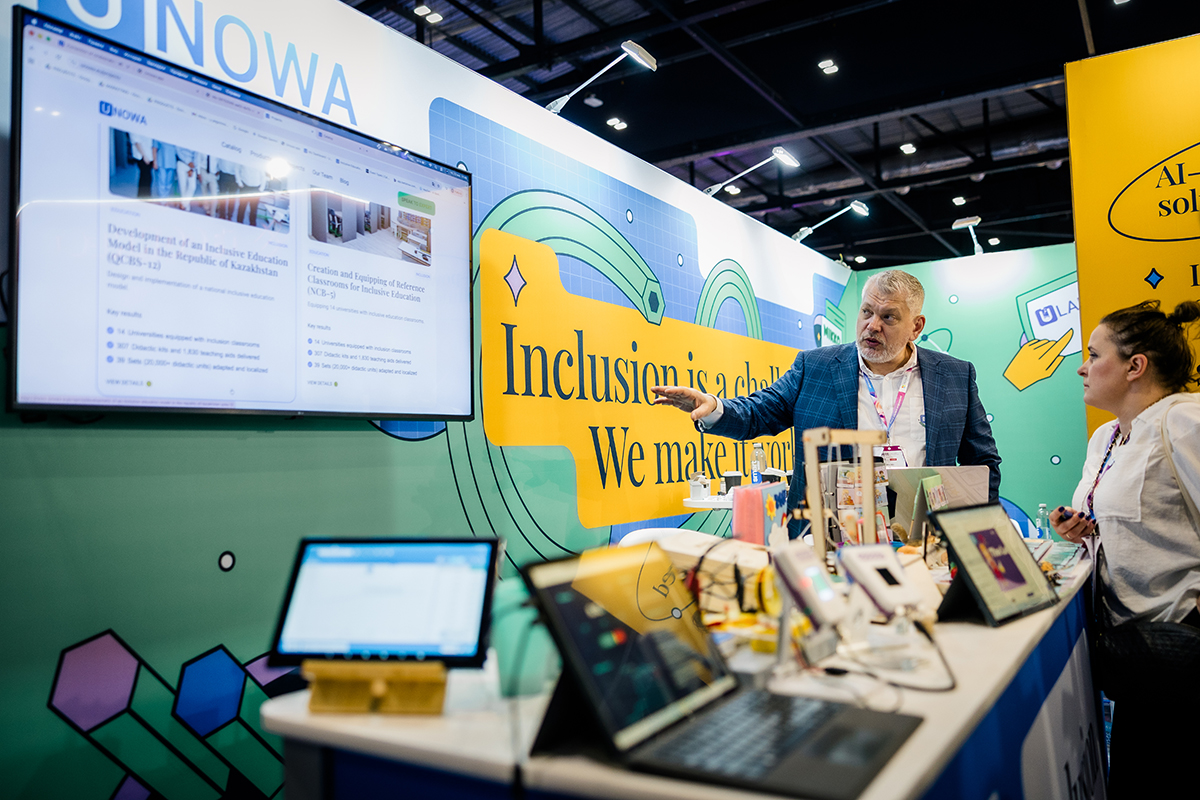
Responsible AI in Education Starts Before the Algorithm
Responsible AI in education depends on knowing what your data actually represents. A UNOWA pilot study shows why measurement validity has to come before AI interpretation.
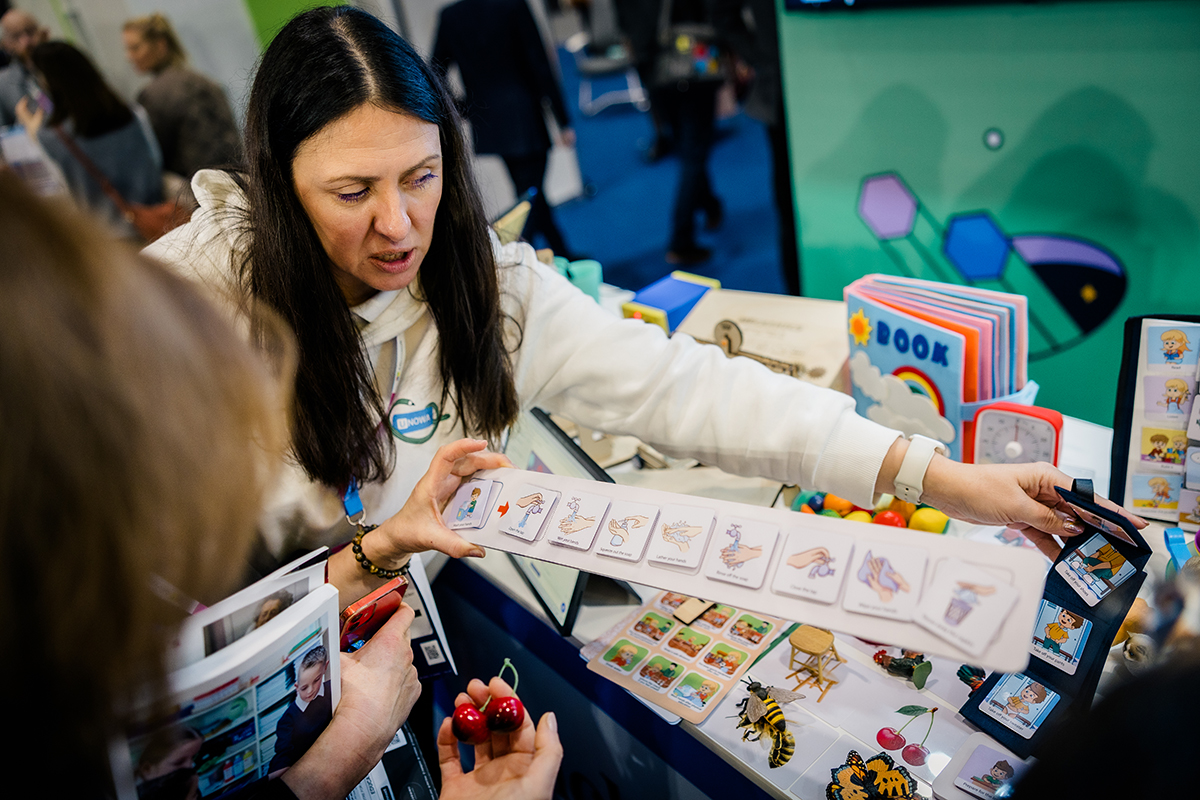
Differentiated Support in Inclusive Education: Why a Score Is Only the Start
Differentiated support in inclusive education starts where scoring ends. Here's why assessment should answer "what's getting in the way," not just "what's wrong."