Mastering Due Diligence: Best Practices for Selecting Educational Implementation Partners



In 2026, educational projects across regions like the EU, MENA, and CIS are navigating unprecedented complexity. World Bank data reveals that rigorous partner assessments can boost project success rates by up to 25%, transforming ambitious visions into tangible realities. Yet, overlooking key risks in partner selection often leads to delays, budget overruns, or outright failures, especially in diverse regulatory environments from Poland to Saudi Arabia. This article delves into the best practices for due diligence when selecting implementation partners, drawing from global insights and our expertise at UNOWA to help you build robust collaborations that drive inclusive, innovative education forward.
You Will Learn
- Essential criteria for evaluating potential implementation partners in educational initiatives.
- Step-by-step processes to conduct thorough due diligence tailored to regional regulations.
- Common pitfalls and how to avoid them in government and institutional collaborations.
- Real-world case studies from EU, MENA, and CIS projects that highlight successful outcomes.
- Actionable tips for ongoing monitoring and fostering long-term partner relationships.
- How UNOWA's solutions can support your due diligence efforts for scalable impact.
Understanding Due Diligence in Educational Partnerships
At UNOWA, we view due diligence as more than a mere checklist — it's a foundational step in empowering educational transformations that align with national standards and global goals like UNESCO's SDG 4. In the context of selecting implementation partners for projects such as inclusive education systems or STEM innovations, comprehensive due diligence ensures that collaborators not only possess the necessary capabilities but also genuinely share your vision for accessibility and innovation. This critical process involves meticulously assessing financial stability, operational capabilities, and cultural fit, all while navigating the unique regulatory and socio-economic landscapes of our target regions.
Consider the broader picture: according to a 2024 Independent Evaluation Group report from the World Bank, projects with comprehensive partner evaluations achieve 80% or higher outcome success, compared to just 55% for those with minimal checks. This stark difference underscores the profound impact of thorough vetting. In emerging markets like Uzbekistan or Qatar, where educational reforms are accelerating under national visions like Qatar National Vision 2030, the stakes are exceptionally high. Partners must not only deliver on technical expertise but also demonstrate a profound ability to adapt to local policies, such as the EU's GDPR for data protection in Latvia or Oman's Tender Law emphasizing local content and ethical procurement.
Why does this matter now more than ever? In 2026, with dynamic geopolitical shifts in the CIS and rapid digital advancements transforming the MENA region, selecting the right partners can mean the difference between a stalled initiative and a thriving, inclusive learning ecosystem. Geopolitical instability can introduce unforeseen risks, while rapid technological changes demand partners who are agile and future-ready. We've seen this firsthand in our over 15 years of delivering solutions like MIKKO for inclusive education and Ulabs for STEM, where strong, well-vetted partnerships have enabled large-scale impacts in places like Kazakhstan and the UAE, ensuring projects remain resilient and relevant.
To get started, focus on a multi-layered approach that includes financial, legal, and reputational reviews. For instance, in the EU, compliance with the Financial Regulation 2018/1046 is non-negotiable, requiring partners to demonstrate robust financial management and transparency. Meanwhile, in Saudi Arabia, adherence to anti-corruption guidelines from the National Anti-Corruption Commission adds another critical layer of scrutiny, demanding partners with impeccable ethical records. By integrating these diverse elements, you position your projects for long-term sustainability, enhanced trust, and impactful outcomes.
💡 Tip: Begin your due diligence with open-source intelligence gathering to uncover initial red flags, such as negative media mentions or sanctions, saving valuable time and resources before deeper, more costly investigations.
This foundational understanding sets the stage for more detailed evaluations, ensuring that your chosen partners enhance rather than hinder your educational goals, ultimately contributing to a better world through modern education tools.
Key Evaluation Criteria for Potential Partners
When evaluating implementation partners, it's crucial to use structured criteria that reflect both global best practices and the intricate regional nuances of the EU, MENA, and CIS. Drawing from authoritative sources like the OECD's 2024 Recommendation on Agile Governance and the UNESCO Education 2030 Handbook, we recommend categorizing assessments into core areas to make the process efficient, comprehensive, and truly empowering.
Here's a practical table summarizing key criteria, adapted for educational contexts in our geographies:
Category | Key Focus Areas |
Check out other articles
Explore the latest perspectives from our digital research team

Equipping 439 schools: what a national STEM rollout actually takes
Armenia aims to equip every school with a science laboratory by the end of 2026. A look at the delivery layer of a 439-school rollout: seven laboratory configurations, 1.8 million items, 200+ localised teaching materials — and what ministries should ask suppliers.

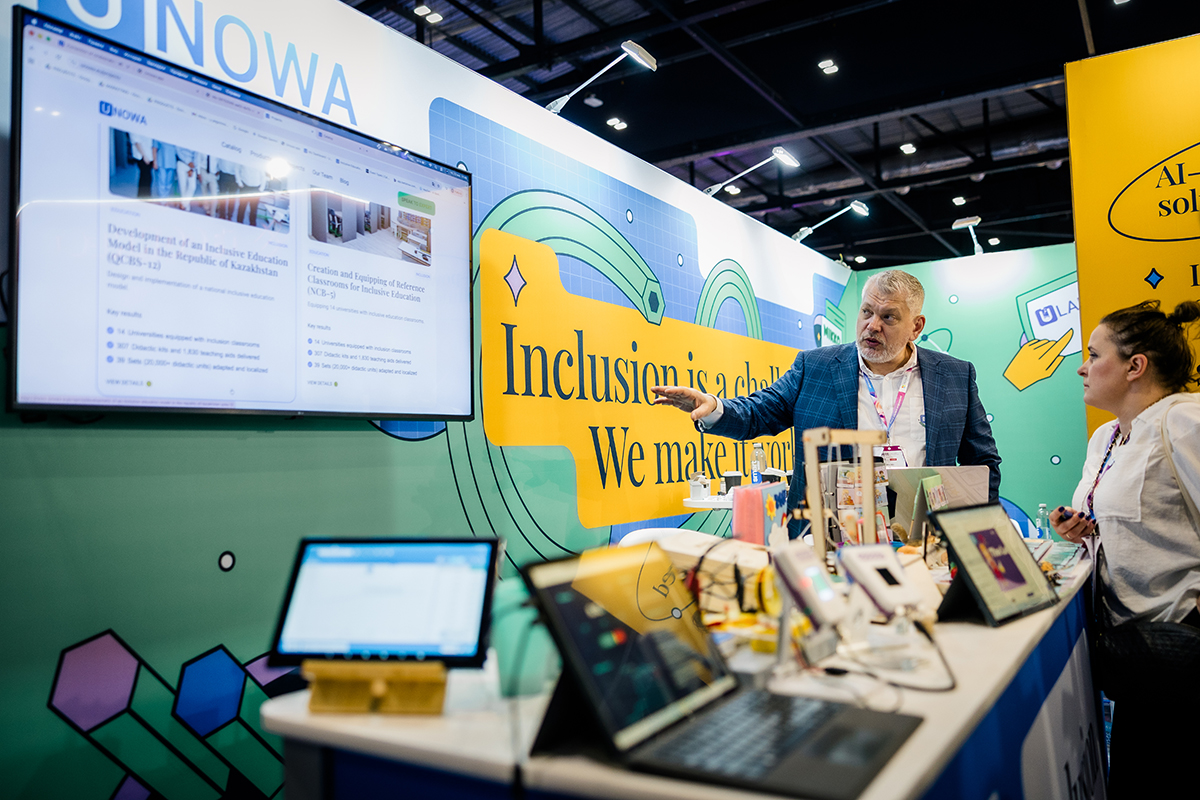
Responsible AI in Education Starts Before the Algorithm
Responsible AI in education depends on knowing what your data actually represents. A UNOWA pilot study shows why measurement validity has to come before AI interpretation.
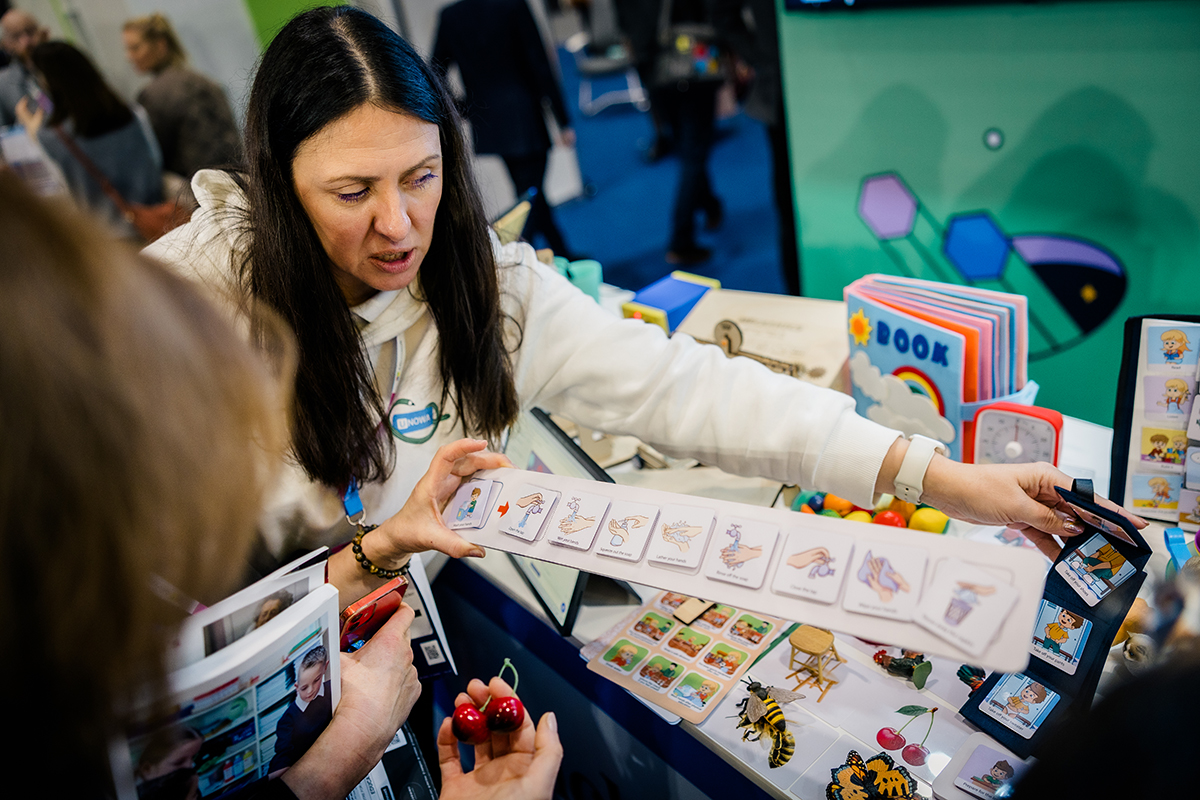
Differentiated Support in Inclusive Education: Why a Score Is Only the Start
Differentiated support in inclusive education starts where scoring ends. Here's why assessment should answer "what's getting in the way," not just "what's wrong."