 Speak to expert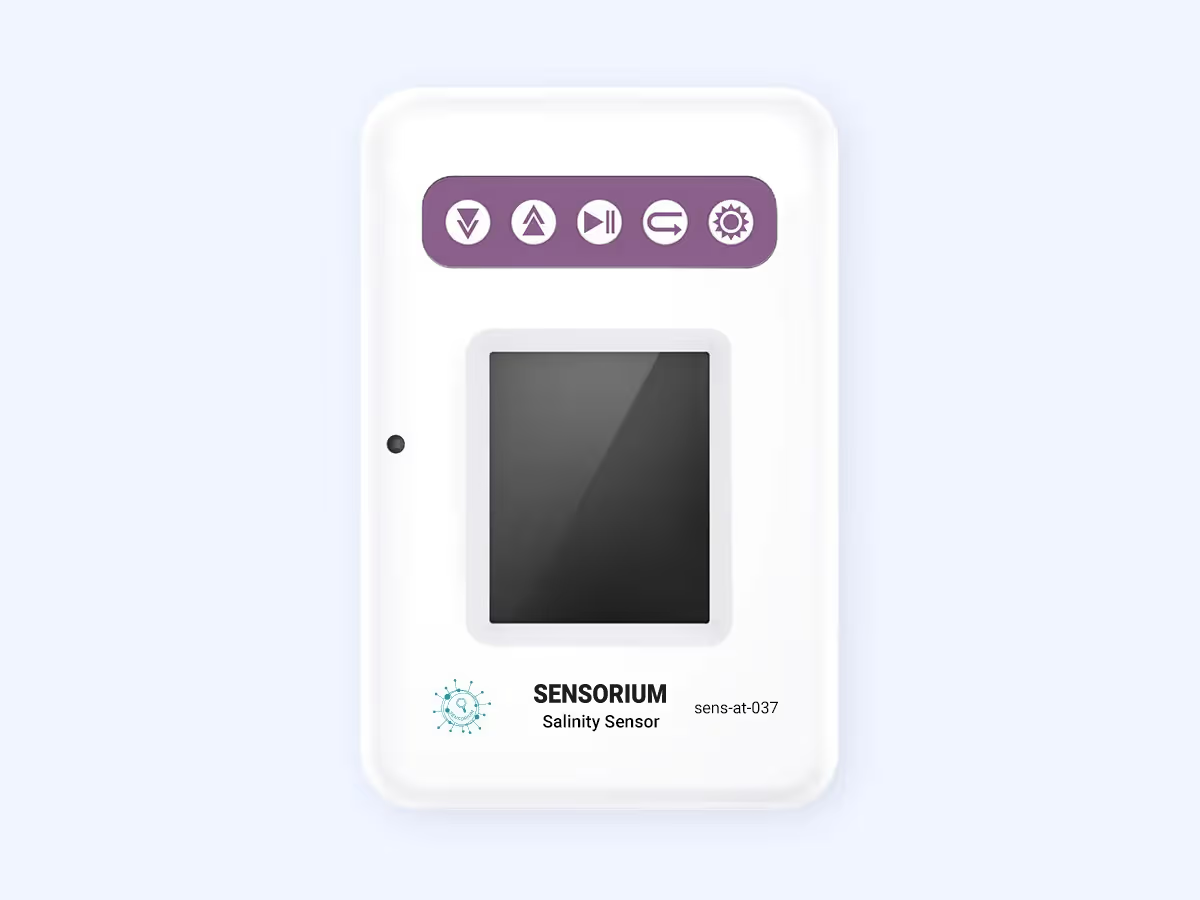

.png)

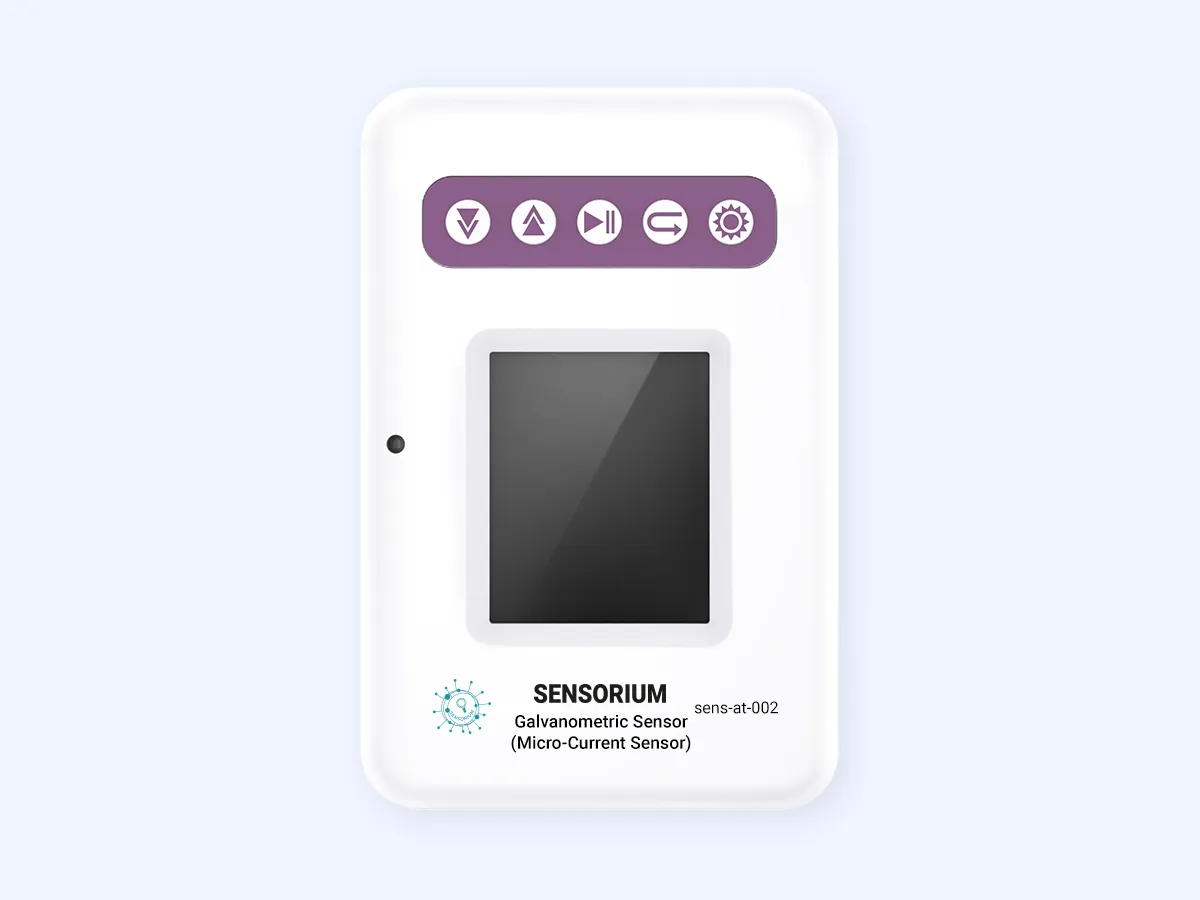
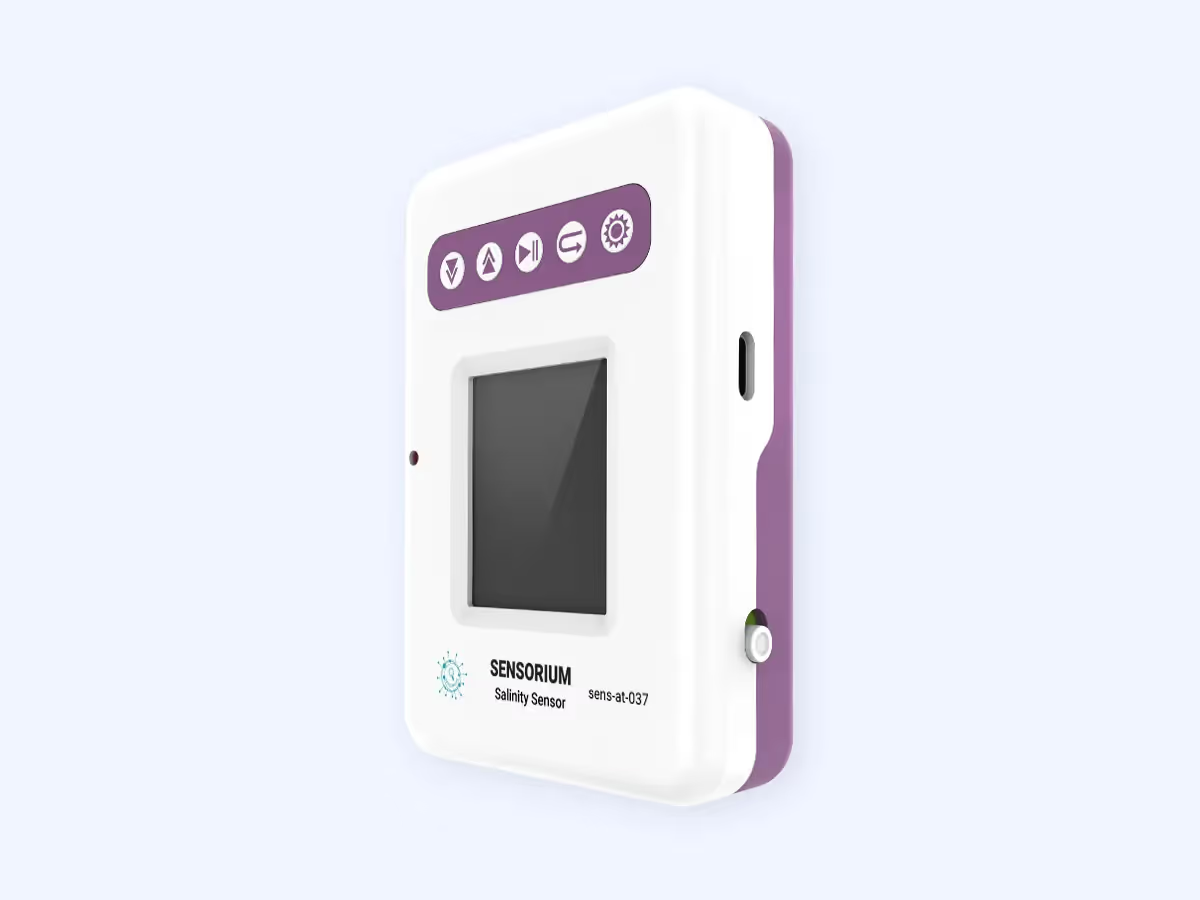
Salinity sensor utilizing conductivity detection to measure salt content in water for environmental studies.

The salinity sensor primarily utilizes the conductivity detection method to measure salinity in water. This sensor measures the electrical conductivity of a solution to determine its salt content. Specifically, as the ion concentration in the solution increases, its conductivity also rises accordingly. The salinity sensor typically consists of a pair of electrodes that detect changes in the solution's conductivity. By measuring the resistance or current between these electrodes, the conductivity of the solution can be calculated, thereby deriving the salinity.
Range: 0–100 ppt
Resolution: 0.1 ppt
Built‑in AI functions open new possibilities for data analysis, automated processing of results, and the creation of interactive experiments.
Salinity sensors are widely used in marine aquaculture, environmental monitoring, chemical production, and other fields. For example, in marine aquaculture, salinity sensors can monitor seawater salinity and temperature to help determine the most suitable species and farming methods. In environmental monitoring, salinity sensors can measure water quality and pollutant levels, thereby improving monitoring accuracy.
This product is suitable for educational use only and is not intended for industrial, medical, research, or commercial applications.
Wireless sensor with built‑in AI features that unlock new possibilities for data analysis and make experiments highly interactive.
Ideal for school laboratories, university courses, and STEM projects.
Built‑in AI functions open new possibilities for data analysis, automated processing of results, and the creation of interactive experiments.
What our clients are saying about us.




.avif)
.avif)


What our clients are saying about us.