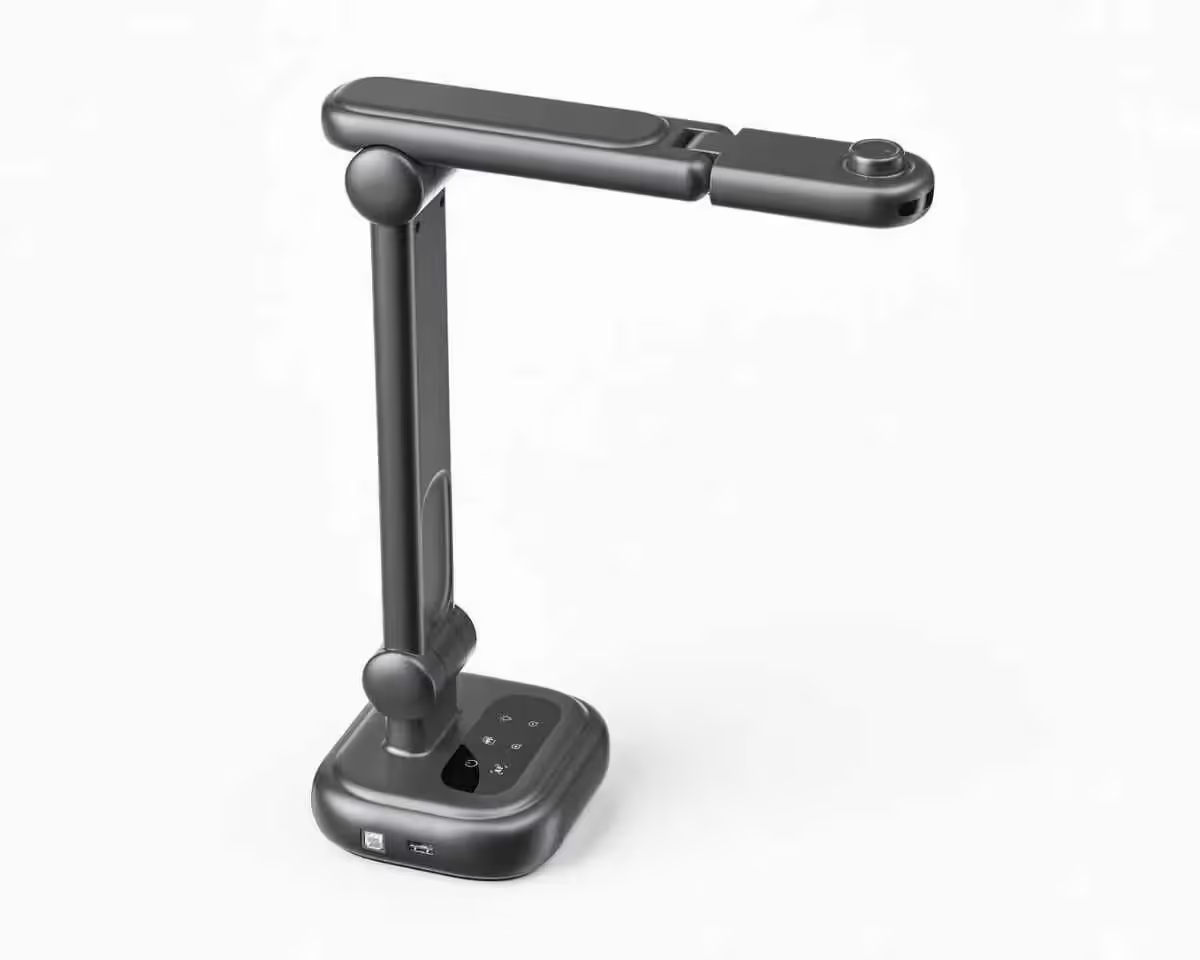
Curvimeter

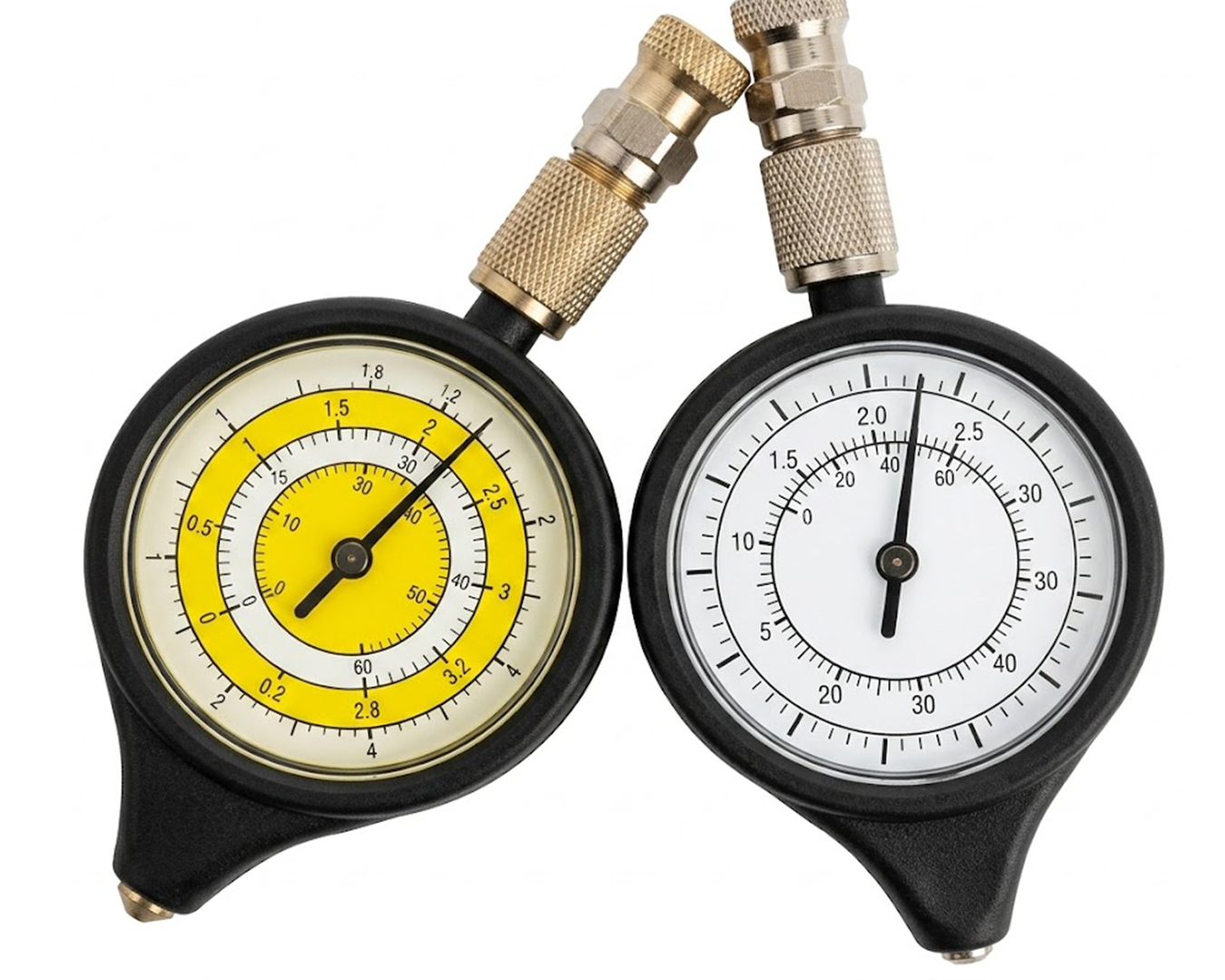
A curvimeter for determining the length of winding lines on topographic maps, plans and diagrams: routes, rivers, roads, coastlines and other curved features. The measuring wheel drives a pointer over a kilometre scale, so the result is read directly in kilometres on the ground; intended for K-12 geography lessons under the supervision of a teacher.

Thank you! Your submission has been received!
Oops! Something went wrong while submitting the form.

Specification

icon plus
  • Purpose: measurement of the length of winding lines on maps, plans and diagrams
  • Operating principle: the measuring wheel is rolled along the line and transmits its rotation through a gear train to the pointer of the readout mechanism
  • Scale: kilometre scale, so the result is read directly in kilometres on the ground
  • Readout: pointer on a dial
  • Materials: aluminium alloy, plastic, acrylic
  • Overall dimensions: 9.7 x 4.5 x 1.7 cm
  • Weight: 19 g
  • Design: portable
  • Marking: complies with the general EU product safety requirements; not electrical or electronic equipment, so the WEEE marking does not apply

Product passport: ULABS-G010 (PDF)

Additional info

icon plus
Preparation for work
  • Inspect the measuring wheel: the rim even, free of nicks and sticking points, the wheel turning easily without jerks or binding, the pointer moving smoothly over the scale.
  • Set the pointer to the zero division by rolling the wheel backwards until the pointer coincides with zero, or with the zeroing device where the design provides one. Every new measurement starts from zero.
  • Spread the map on a flat hard surface. Folds, bends and objects underneath change the length of the path travelled by the wheel; a sheet that slides is fixed or held down.
  • Determine the scale of the map and compare it with the scale for which the kilometre scale of the curvimeter is graduated, as shown on the dial or in the marking. If the scales agree, readings are taken from the kilometre scale without conversion. If they do not, find the conversion factor experimentally: roll the wheel along the linear scale of the map over a segment of known length, note the reading and convert all further results taken from this map by that ratio.
Measurement procedure
  • Set the pointer to zero and place the wheel on the starting point of the line so that the body stands perpendicular to the plane of the map. A tilted body reduces the contact area of the rim and the wheel begins to slip.
  • Lead the curvimeter along the line evenly, without jerks and without lifting the wheel from the paper, turning the body to follow the bends. Keep the pressure light and steady: too much pressure brakes the wheel, too little leads to slipping.
  • Having brought the wheel to the end point, stop without lifting the instrument and read the value on the scale against the pointer, looking at the dial perpendicularly.
  • Pass sharp breaks in the line by stopping briefly and turning the body on the spot, so that the wheel does not shift sideways.
  • Repeat the measurement several times, including in the reverse direction from the end point to the starting point. The result is the average value; a large spread means the wheel was slipping or the line was followed inaccurately.
  • For long routes divide the line into sections between characteristic points, measure each one separately and add the results. This makes it easier to find and re-measure a section with an error.
Factors affecting the result
  • Slipping of the wheel is the main source of error. It increases on glossy and coated paper, on film surfaces and when the instrument is led quickly; on such surfaces lead the wheel more slowly.
  • The curvimeter cuts corners on small windings: the larger the wheel radius compared with the bends of the line, the lower the result. Very small meanders on a large-scale map are measured in parts.
  • Lifting the wheel from the paper, crossing folds of the sheet, running along the edge of the map or over an object placed on it give a systematic overestimate or underestimate.
  • A scale error gives the largest deviation: a result taken from the kilometre scale is valid only for the scale for which that scale is graduated. For a map of another scale conversion is mandatory.
  • To reduce the reading error, look at the dial perpendicularly and estimate the position of the pointer between neighbouring divisions.
Safety
  • Do not apply force to the measuring wheel and do not turn the pointer by hand: the gear train of the readout mechanism breaks under such a load.
  • Do not place the instrument wheel down on a hard surface and do not carry it in a pocket together with keys: the toothed rim of the wheel deforms and the readings become false.
  • Protect the acrylic window of the dial from scratches and solvents.
  • Before each use check the security of the fastenings, the threaded joints and the integrity of the moving parts; do not force jammed assemblies.
  • Learners work with the instrument under the supervision of a teacher.
Maintenance
  • Periodically clean the rim of the measuring wheel of paper dust and graphite with a soft dry brush: a layer that sticks to the rim increases its effective diameter and systematically raises the readings.
  • Wipe the body and the acrylic window with a soft dry cloth. Solvents and abrasives cloud the acrylic and rub off the scale markings.
  • Do not lubricate the measuring wheel: lubricant on the rim causes slipping. A drop of liquid lubricant is applied only to the axles of the readout mechanism when needed.
  • Before a series of work check the curvimeter by a control measurement of a straight segment of known length. Keep it in a case or a separate compartment where the wheel is protected from impact.
Storage, transport and disposal
  • Store in a dry, clean, ventilated room at +5 °C to +40 °C and relative humidity of 60 %, non-condensing, protected from direct sunlight, moisture, dust and heat sources. Keep the storage air free of impurities that cause corrosion of metals.
  • Operating climatic conditions: air temperature +5 °C to +40 °C, relative humidity 40 % to 60 %, atmospheric pressure 84 to 107 kPa (630-800 mmHg).
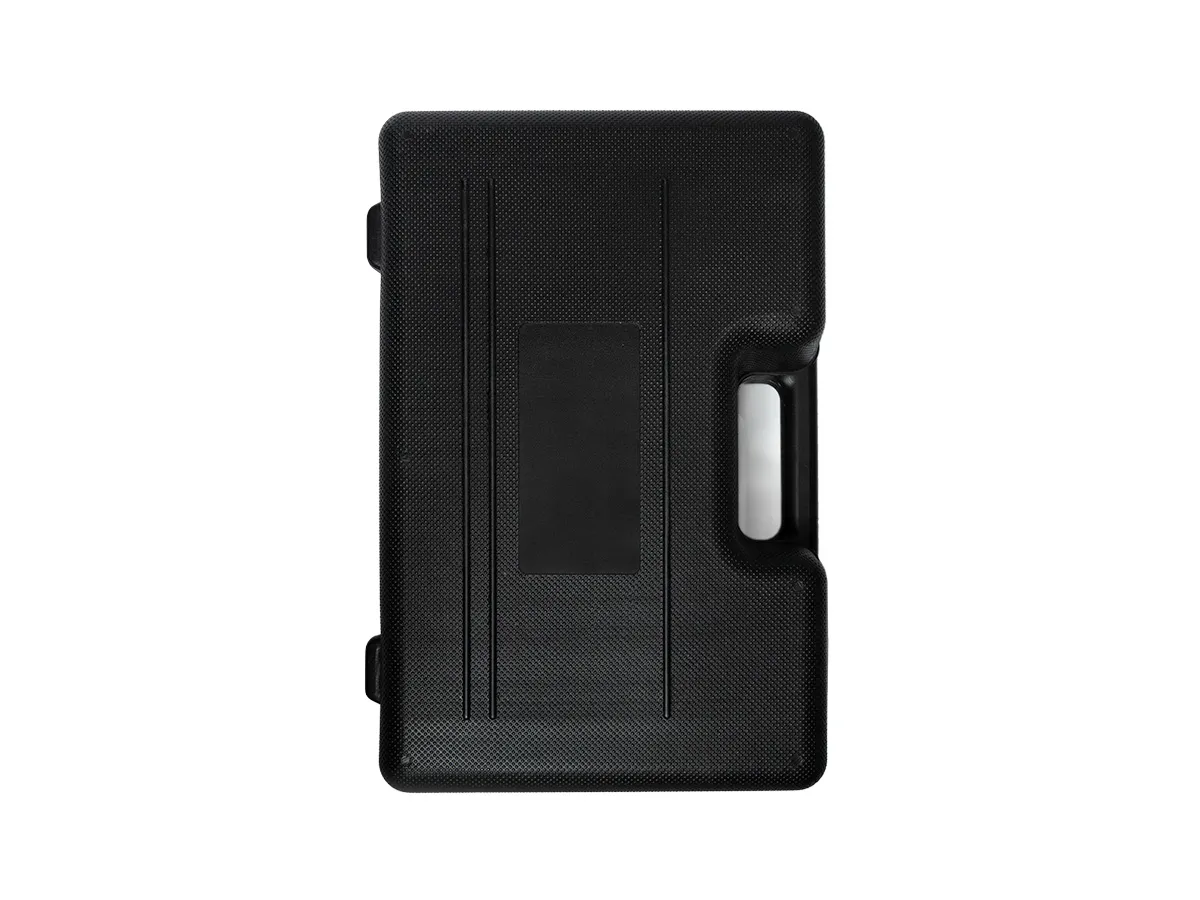
  • During transport the packed product is secured against movement and protected from precipitation and impact; the product is supplied in the manufacturer's packaging.
  • The product is not electrical or electronic equipment and carries no WEEE marking. It contains no hazardous substances and is disposed of as municipal waste after separation by material, in line with the rules of the operating organisation and the applicable law.
Warranty
  • Warranty obligations cover the elimination of defects and the replacement of defective parts or of the equipment for three years, and the availability of spare parts and consumables for five years.

icon plus
How long is the MIKKO Course?
Is the MIKKO Course good for new teachers
How long is the MIKKO Course?
Ask something?
More information

More information

Related products
view all

What our clients are saying about us.
view all

Customer testimonials

What our clients are saying about us.

Working with UNOWA was a turning point for our university. Their expert-led training in ABA, ADOS-2 and MIKKO reshaped how we think, teach, and prepare inclusive educators. The model inclusion classroom they equipped has become a living lab, a space where theory becomes hands-on skill. This partnership didn’t just support a project. It laid the foundation for a more humane, modern and inclusive education system in Kazakhstan.
Yerkin Zhumankulova
Vice-Rector in Academic Affairs. Kazakh National Women's Teacher Training University
Thanks to UNOWA’s innovative approach and professional guidance, we’ve redefined how we prepare future educators. The MIKKO training and inclusion lab brought international best practices to our university, not just as theory, but as living, hands-on tools that inspire confidence and real change.
Irina Rovnyakova
Vice-Rector for Strategic Development and International Relations. Sarsen Amanzholov East Kazakhstan University
Working with the UNOWA team was a valuable and supportive experience in delivering psychological and educational projects. Their reliable platform, openness to dialogue, and continuous technical support allowed me to focus on the quality and meaning of education. I confidently recommend UNOWA as a trusted partner for the development of psychological education and human-centered support.
Liudmyla Lahuta
President of the International Institute of Psychological Maturity INC
Thanks to our partnership with UNOWA, even schools in Armenia’s most remote regions now have access to fully equipped science and technology labs. Nearly half of the country’s schools have been modernized, bringing equal learning conditions to every student, no matter where they live.
Zhanna Andreasyan
Minister of Education, Science, Culture and Sport. The Government of the Republic of Armenia
UNOWA's national project equipped 14 Kazakhstan universities with inclusive classrooms to a unified standard. They delivered top-quality kits, equipment, digital courses with 24/7 access, and localized resources. This game-changer strengthened inclusive education foundations nationwide.
Dastan Yessenov
Coordinator of the PIU of World Bank in the Republic of Kazakhstan
UNOWA's national-level ABA and ADOS-2 training became a milestone for Kazakhstan's education system. The program was comprehensive, well-structured, and perfectly aligned with inclusive education modernization goals nationwide. I appreciated the balance of deep theory, practical sessions, and 24/7 online access. This strengthened specialists' ABA and diagnostics skills, directly improving support for children with special needs.
Karlygash Zholdassova
Inclusion Education Specialist of PIU of World Bank in the Republic of Kazakhstan
icon arrow left
icon arrow right

Customer testimonials

What our clients are saying about us.

UNOWA's national project equipped 14 Kazakhstan universities with inclusive classrooms to a unified standard. They delivered top-quality kits, equipment, digital courses with 24/7 access, and localized resources. This game-changer strengthened inclusive education foundations nationwide.
Dastan Yessenov
Coordinator of the PIU of World Bank in the Republic of Kazakhstan
UNOWA's national-level ABA and ADOS-2 training became a milestone for Kazakhstan's education system. The program was comprehensive, well-structured, and perfectly aligned with inclusive education modernization goals nationwide. I appreciated the balance of deep theory, practical sessions, and 24/7 online access. This strengthened specialists' ABA and diagnostics skills, directly improving support for children with special needs.
Karlygash Zholdassova
Inclusion Education Specialist of PIU of World Bank in the Republic of Kazakhstan
Working with the UNOWA team was a valuable and supportive experience in delivering psychological and educational projects. Their reliable platform, openness to dialogue, and continuous technical support allowed me to focus on the quality and meaning of education. I confidently recommend UNOWA as a trusted partner for the development of psychological education and human-centered support.
Liudmyla Lahuta
President of the International Institute of Psychological Maturity INC
Thanks to our partnership with UNOWA, even schools in Armenia’s most remote regions now have access to fully equipped science and technology labs. Nearly half of the country’s schools have been modernized, bringing equal learning conditions to every student, no matter where they live.
Zhanna Andreasyan
Minister of Education, Science, Culture and Sport. The Government of the Republic of Armenia
Thanks to UNOWA’s innovative approach and professional guidance, we’ve redefined how we prepare future educators. The MIKKO training and inclusion lab brought international best practices to our university, not just as theory, but as living, hands-on tools that inspire confidence and real change.
Irina Rovnyakova
Vice-Rector for Strategic Development and International Relations Sarsen Amanzholov East Kazakhstan University
Working with UNOWA was a turning point for our university. Their expert-led training in ABA, ADOS-2 and MIKKO reshaped how we think, teach, and prepare inclusive educators. The model inclusion classroom they equipped has become a living lab, a space where theory becomes hands-on skill. This partnership didn’t just support a project. It laid the foundation for a more humane, modern and inclusive education system in Kazakhstan.
Yerkin Zhumankulova
Vice-Rector in Academic Affairs Kazakh National Women's Teacher Training University
icon arrow left
icon arrow right
Curvimeter
Speak to expertimage of finger pointing to a graph