For UNOWA, preparing to participate in Bett 2026, understanding how the exhibition’s focus has evolved over recent years is essential. The key themes shaping Bett 2026 are expected to centre on artificial intelligence, inclusion, sustainability, and innovation aimed at improving learning outcomes — trends consistently highlighted by Bett organisers and education media over the past five years [Bett Show – BettFest 2021][ISC Research – Bett 2022: Reuniting the global EdTech community].
Bett 2026 will take place under the motto “Learning without limits”, reflecting a global ambition to remove barriers in education — whether related to access, opportunity, geography, or individual learning needs [5]. For participants, this means more than showcasing technology. It means demonstrating how solutions align with global priorities and deliver measurable, real-world impact.
Based on the experience of recent years, educators, policymakers, and experts increasingly value evidence-based solutions, relevance to teachers’ and learners’ everyday challenges, and a clear contribution to equity in education.
Why Looking Back at Bett 2020–2025 Matters
To understand the direction of Bett 2026, it is important to look at how the exhibition has evolved since 2020. Each year reflected the dominant challenges of its time — from rapid digitalisation and emergency remote learning to the rise of AI, inclusive design, and sustainable education systems [Bett Show – BettFest 2021].
This evolution explains why today’s focus has shifted toward scalable, integrated, and responsible EdTech solutions rather than isolated tools or experimental pilots.

Bett 2020:
Innovation, STEM and Early Signals of Change
Bett 2020, held just before the global pandemic, showcased a wide range of emerging technologies — educational robotics, AR/VR tools, and interactive classroom hardware. However, even then, a clear message emerged: software, content, and pedagogy mattered more than hardware alone [Getting Smart – The BETT Experience].
Inclusion and student wellbeing were already among the core themes, alongside a strong focus on STEM education, coding, and robotics[3]. Government participation underlined the growing strategic importance of EdTech at national and international levels.
Bett 2021:
Pandemic, Distance Learning and Digital Equity

In 2021, Bett moved online as BettFest, mirroring the global shift to remote education. The agenda focused on continuity of learning, leadership, digital inclusion, and system resilience, reflecting the urgent needs of education systems worldwide during the pandemic [Bett Show – BettFest 2021].
This period accelerated the adoption of digital learning platforms and collaboration tools. Education systems increasingly recognised that EdTech had become critical infrastructure, not an optional supplement [Bett Show – BettFest 2021].
Bett 2022:
Reuniting the Global EdTech Community
Bett 2022 marked the return to an in-person format under the theme “Create the Future” [ISC Research – Bett 2022: Reuniting the global EdTech community]. The focus shifted from emergency response to long-term transformation.
Hybrid learning models became mainstream, combining in-class and digital approaches. Mental health, wellbeing, sustainability, and inclusion gained visibility, while schools began developing structured digital strategies instead of ad-hoc solutions [ISC Research – Bett 2022: Reuniting the global EdTech community].

Bett 2023:
Artificial Intelligence Takes Centre Stage
By Bett 2023, artificial intelligence dominated the conversation. The rapid adoption of generative AI tools transformed discussions around teaching, assessment, and content creation.
Rather than focusing solely on risks, attention increasingly turned to how AI could support teachers, reduce administrative workload, personalise learning, and improve feedback quality. Governments openly described AI as a potential “game changer” for education — provided it is implemented responsibly.
This direction closely aligns with UNOWA’s own work in AI-powered education. We previously explored this approach in detail in our article on AI Agent MIKKO, which outlines how AI can support inclusive, full-cycle educational processes:
👉 Read our article on AI Agent MIKKO (How MIKKO AI Agent Changes the Game)
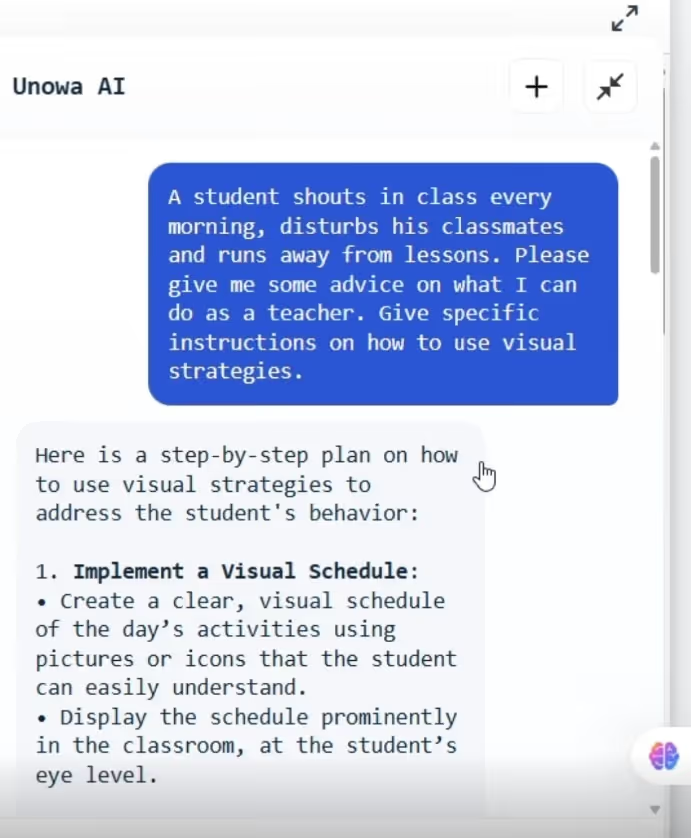
Video - AI Agent Mikko in action – see how a specialist asks the AI a question and how the agent responds, based on UNOWA's 15 years of experience.
Bett 2024:
Responsible AI, Wellbeing and Immersive Learning
In 2024, AI moved from experimentation to integration. Discussions focused on ethical use, data protection, and educational value, alongside the growing importance of teacher wellbeing and workload reduction.
At the same time, immersive technologies such as VR and AR gained momentum, particularly in STEM education and inclusive learning environments.
Bett 2025:
Inclusion, Evidence and Systemic Impact
Bett 2025 brought these trends together. AI, SEND support, inclusion, and sustainability became core pillars of the programme.
Government representatives highlighted the need for assistive technologies, structured teacher training, and evidence-based decision-making, shifting the focus from novelty to impact, scalability, and long-term value.
What This Means for UNOWA
As an EdTech developer, UNOWA works in line with the trajectory Bett has demonstrated over the past five years. Our approach reflects key global priorities confirmed by Bett’s evolution:
- using AI responsibly to support educators and learners,
- designing inclusive solutions accessible to diverse student groups,
- helping schools address real challenges — from learning outcomes to teacher workload,
building full-cycle, scalable ecosystems, not fragmented tools.

Check out other articles
Explore the latest perspectives from our digital research team

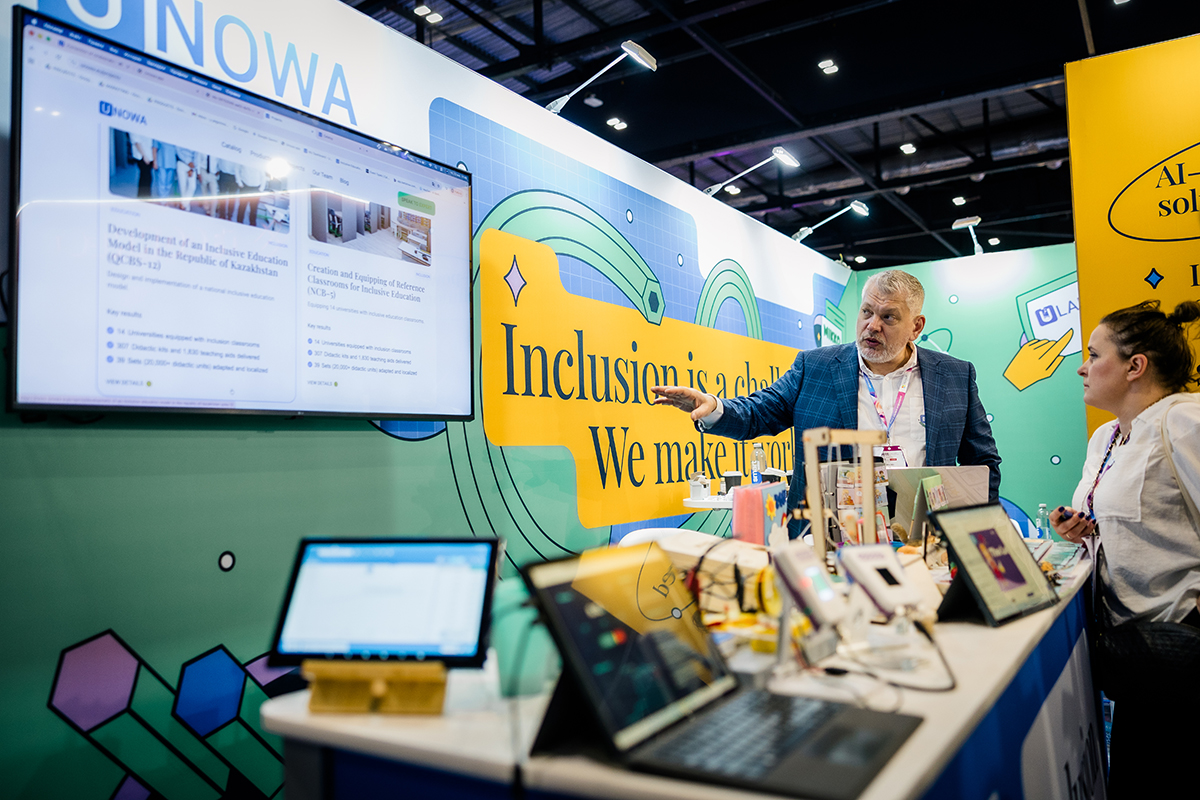
Equipping 439 schools: what a national STEM rollout actually takes
Armenia aims to equip every school with a science laboratory by the end of 2026. A look at the delivery layer of a 439-school rollout: seven laboratory configurations, 1.8 million items, 200+ localised teaching materials — and what ministries should ask suppliers.

Responsible AI in Education Starts Before the Algorithm
Responsible AI in education depends on knowing what your data actually represents. A UNOWA pilot study shows why measurement validity has to come before AI interpretation.
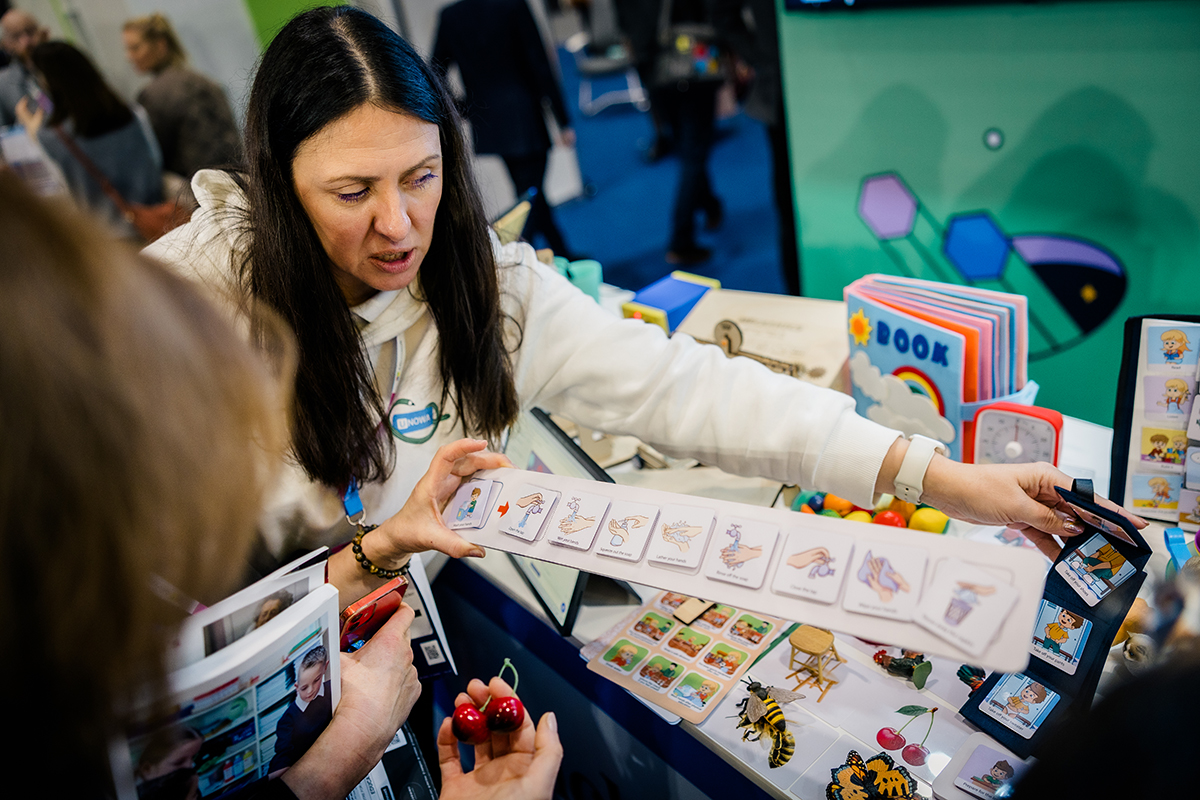
Differentiated Support in Inclusive Education: Why a Score Is Only the Start
Differentiated support in inclusive education starts where scoring ends. Here's why assessment should answer "what's getting in the way," not just "what's wrong."