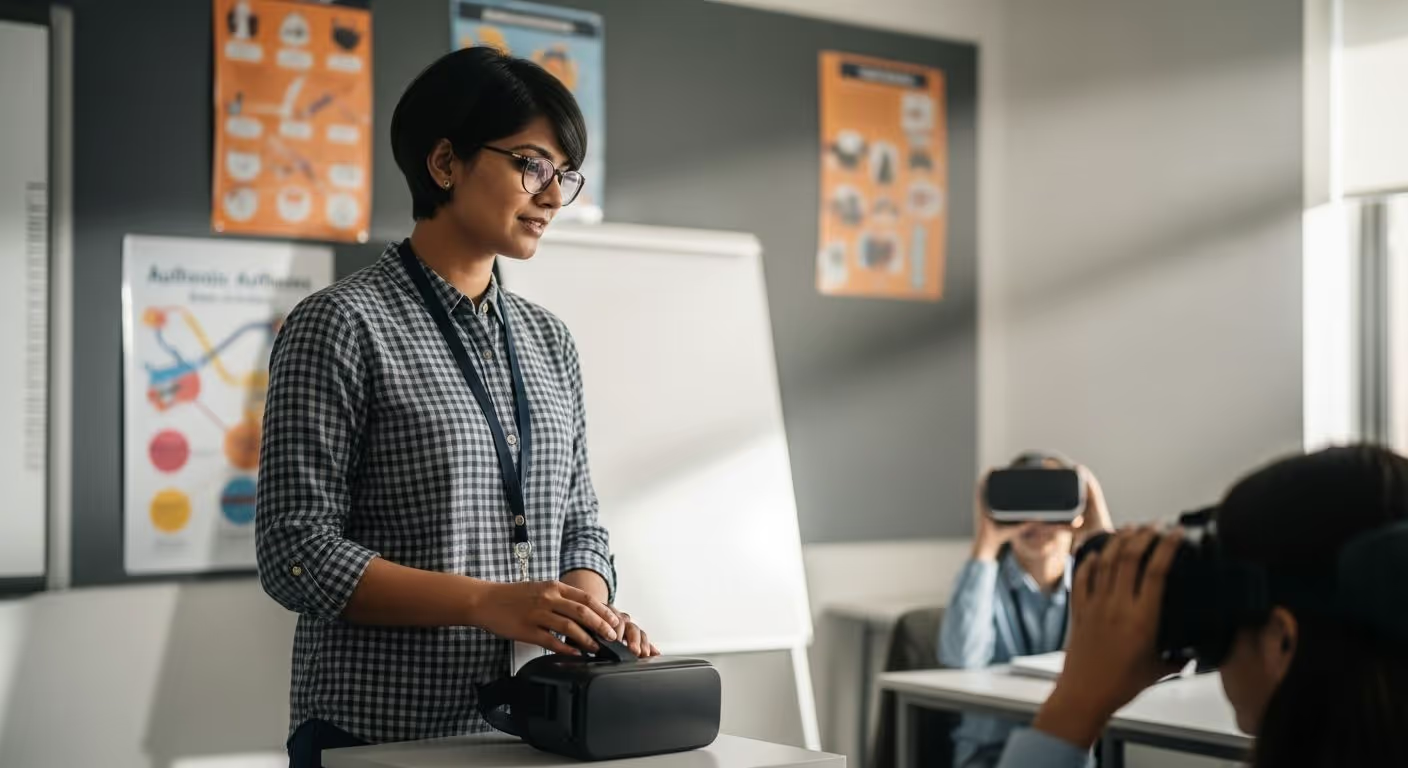

Imagine stepping into ancient Rome without leaving your desk — VR classroom setup is turning such immersive experiences into everyday education, boosting student engagement by up to 275% according to PwC studies. This article explores the essentials of implementing VR classroom setup, from benefits and challenges to regional insights and best practices, drawing on global data to help educators and institutions create future-ready learning environments.
Why VR Classroom Setup Matters Now
With the global VR in education market projected to grow from USD 4.4 billion in 2023 to USD 28.7 billion by 2030 at a 30% CAGR (as per Technavio reports), VR classroom setup offers unparalleled opportunities for experiential learning. We at UNOWA empower institutions with adaptable VR solutions aligned to national curricula, ensuring inclusive and innovative education. Here's how to navigate setup, backed by evidence-based strategies.
Key Benefits of VR Classroom Setup
Integrating VR classroom setup transforms traditional teaching by fostering active, immersive learning. Research highlights:
- Enhanced Engagement and Retention: PwC data shows VR learners experience a 3.75 times stronger emotional connection to content, leading to retention rates up to 80% after one year.
- Safe Experiential Learning: Students can practice high-risk activities like science experiments or historical explorations without real-world dangers.
- Inclusivity for All: Our solutions support multilingual interfaces and personalized pacing, making education accessible for diverse needs, including special education.
These advantages position VR classroom setup as a cornerstone for STEM innovation and inclusive education, as seen in our Ulabs and MIKKO systems.
Challenges in VR Classroom Setup and How to Overcome Them
While promising, VR classroom setup faces hurdles like cost, content shortages, and health concerns. Expert insights from PwC emphasize addressing these proactively:
- Cost and Infrastructure: Initial investments in headsets and charging stations can be high, but VR becomes 52% more cost-effective than traditional methods at scale with 3,000 learners.
- Teacher Training Gaps: Over 60% of educators report lacking skills for VR integration — invest in professional development to ensure sustained use.
- Health and Equity Issues: Motion sickness affects some users; start with short sessions and provide opt-outs to promote inclusivity.
By piloting small and evaluating rigorously, institutions can mitigate risks and maximize impact.
Step-by-Step Guide to VR Classroom Setup
Setting up a VR classroom requires careful planning. Here's a practical blueprint based on best practices:
- Choose Hardware: Opt for standalone headsets for ease in K-12 settings, ensuring comfort features like adjustable straps. Aim for 5-10 devices for station-based use or 15-30 for full classes.
- Design the Space: Allocate 2x2 meter zones per student with marked boundaries and guardian systems to prevent accidents.
- Select Software: Use curriculum-aligned apps with analytics dashboards for real-time feedback, integrating AI for adaptive learning.
- Establish Policies: Develop guidelines on session times (10-20 minutes for younger students), sanitization, and data privacy compliant with regulations like GDPR in the EU.
- Integrate Pedagogically: Frame sessions with pre-briefs, in-VR tasks, and post-debriefs to align with learning goals.
For tailored consultations, visit our website.
Regional Insights on VR Classroom Setup
Adoption varies by region, reflecting local policies and funding. In the EU (e.g., Poland, Latvia, and Bulgaria), EU Digital Education Action Plan initiatives fund pilots, emphasizing digital competence. Gulf states in MENA like the UAE and Saudi Arabia pursue top-down rollouts under visions like Saudi Vision 2030, integrating VR in smart campuses. In CIS countries such as Kazakhstan and Georgia, urban universities lead with digital labs, often supported by multilateral organizations.
These models highlight VR classroom setup as adaptable to national standards, as we demonstrate through our global projects.
Expert Quotes and Proven Strategies
"Immersive simulations enable students to experience concepts rather than just read about them, leading to measurable gains in understanding," notes a Technavio analysis. PwC experts add, "Without targeted professional development, VR remains an occasional 'wow' moment instead of a sustained part of learning."
We recommend starting with learning goals, piloting small, and using analytics for refinement — strategies proven in over 300 national projects we've delivered.
FAQ
What is the ideal number of VR headsets for a classroom? Start with 5-10 for rotational use, scaling to 1:1 based on class size and budget.
How do I ensure safety in VR classroom setup? Implement short sessions, health screenings, and boundary systems, following manufacturer guidelines and local policies.
What are the costs involved in VR classroom setup? Upfront costs include headsets (USD 300-500 each) and infrastructure, but long-term savings emerge through improved efficiency.
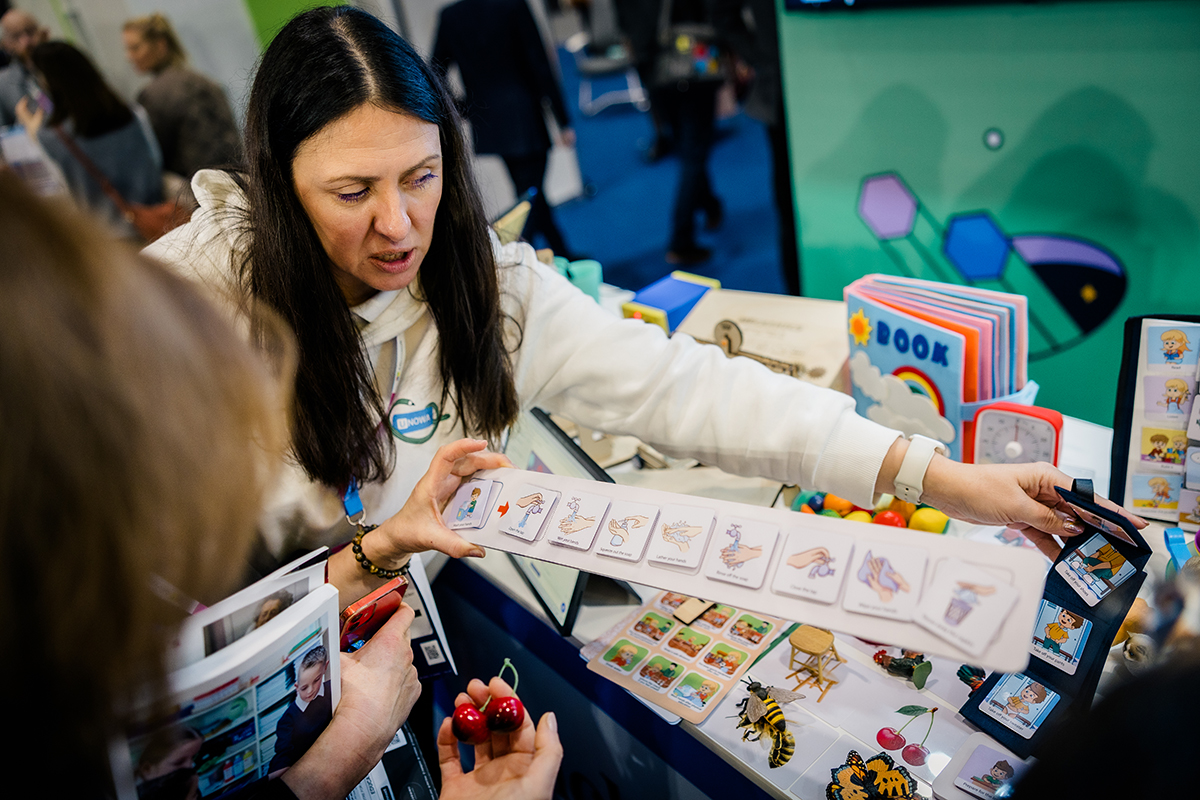
Can VR support inclusive education? Yes, with features like adjustable interfaces and alternatives for students with sensory needs, aligning with our MIKKO inclusive solutions.
Where can I learn more about UNOWA's VR offerings? Explore our comprehensive educational systems for customized setups.
For more on VR market growth, see Technavio's report. PwC's study on VR effectiveness is available here. EU policies are detailed in the Digital Education Action Plan. Saudi Vision 2030 insights from official site.

Check out other articles
Explore the latest perspectives from our digital research team
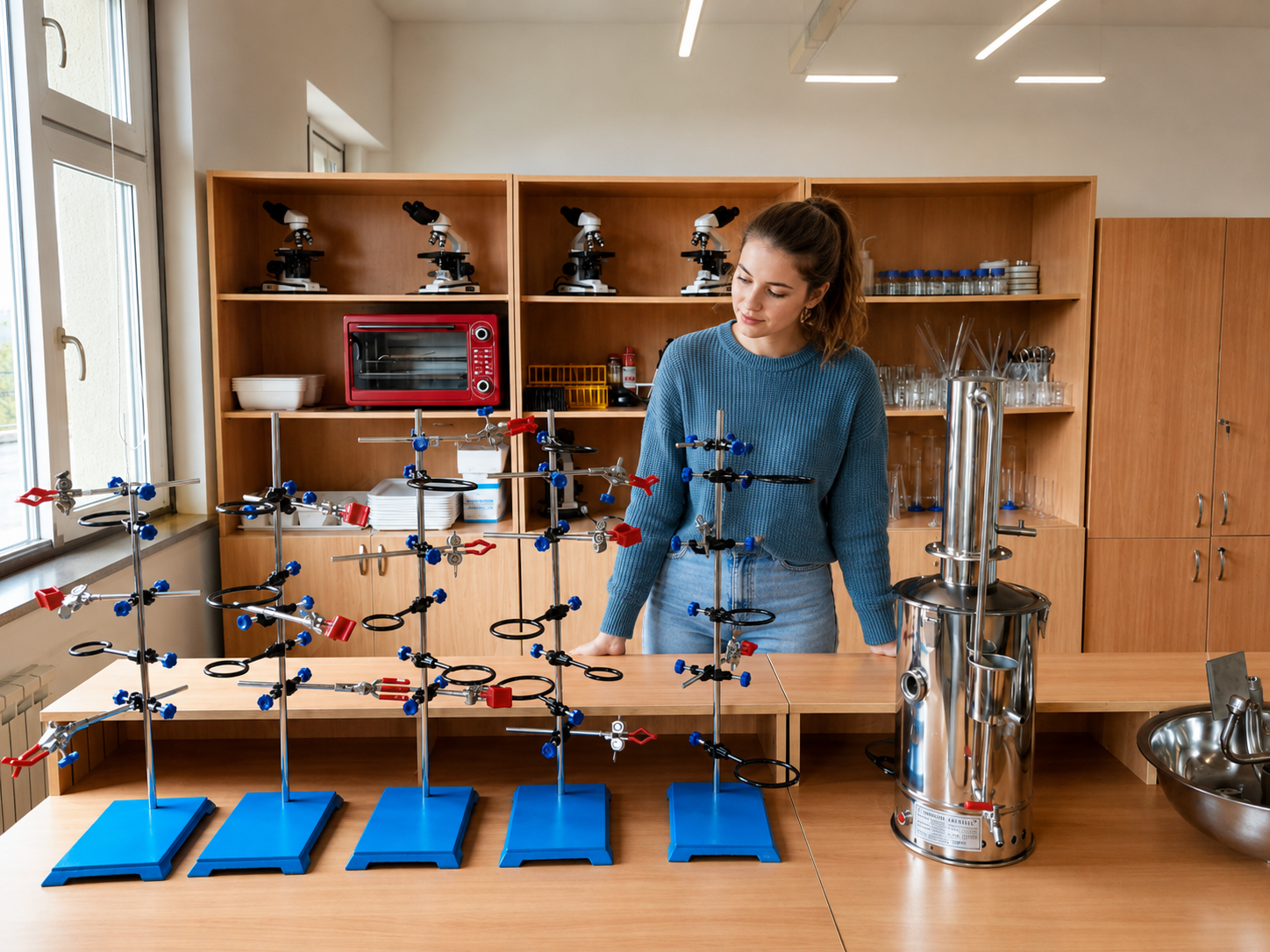
Equipping 439 schools: what a national STEM rollout actually takes
Armenia aims to equip every school with a science laboratory by the end of 2026. A look at the delivery layer of a 439-school rollout: seven laboratory configurations, 1.8 million items, 200+ localised teaching materials — and what ministries should ask suppliers.

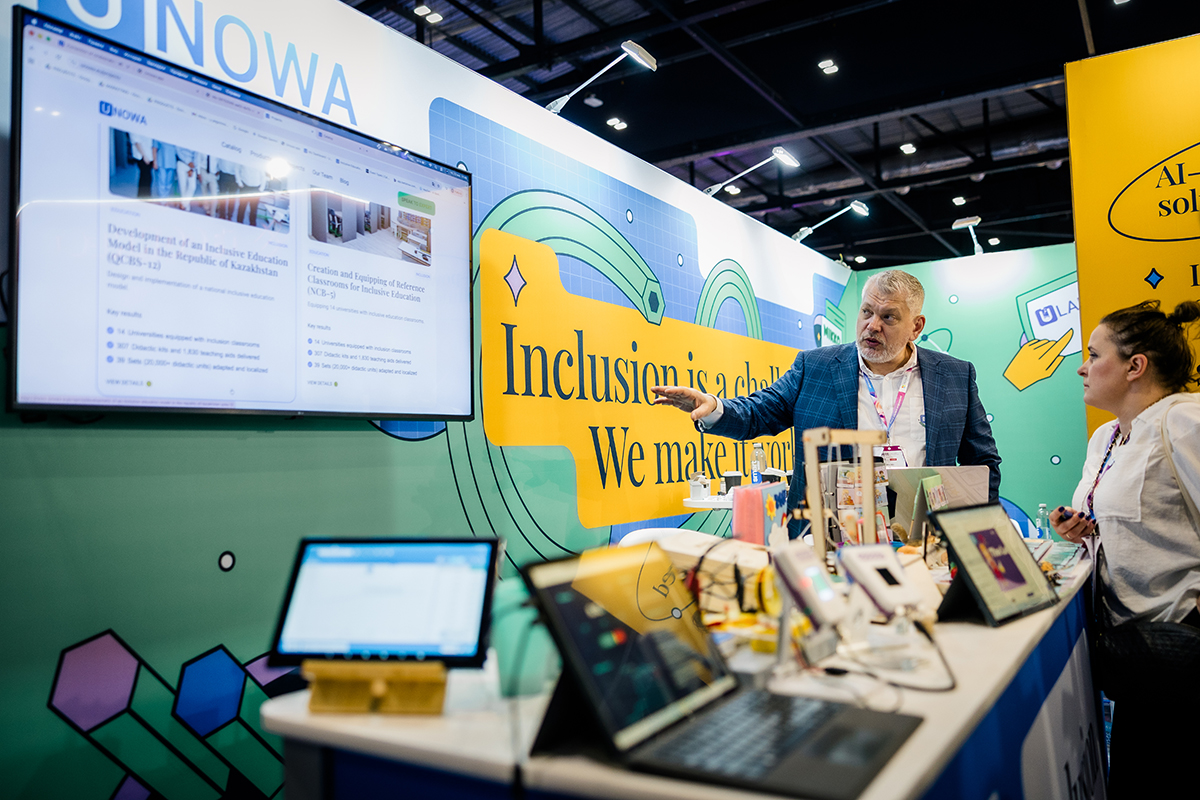
Responsible AI in Education Starts Before the Algorithm
Responsible AI in education depends on knowing what your data actually represents. A UNOWA pilot study shows why measurement validity has to come before AI interpretation.
Differentiated Support in Inclusive Education: Why a Score Is Only the Start
Differentiated support in inclusive education starts where scoring ends. Here's why assessment should answer "what's getting in the way," not just "what's wrong."