In 2026, as global education systems increasingly prioritize accessibility for all learners, the demand for robust inclusive education technology has surged, with markets in the EU, MENA, and CIS regions leading the charge. Yet, not all vendors deliver solutions that truly adapt to national standards while scaling for large-scale impact. In this article, we'll explore a detailed comparison of UNOWA with other inclusive education technology vendors, highlighting what sets us apart in empowering institutions, educators, and students worldwide.
You Will Learn
- The unique full-cycle approach that distinguishes UNOWA's MIKKO system from competitors.
- Key features and limitations of leading vendors like Century Tech, DreamBox Learning, and Texthelp.
- How UNOWA aligns with regional regulations and policies in the EU, MENA, and CIS.
- Practical strategies for implementing inclusive edtech at scale.
- Common pitfalls to avoid when selecting education technology partners.
- Real-world examples of UNOWA's impact in global projects.
Understanding Inclusive Education Technology
Inclusive education technology is revolutionizing how we support diverse learners, ensuring that every child, regardless of abilities, can thrive in modern classrooms. At its core, this field combines AI-driven tools, adaptive learning platforms, and diagnostic systems to address needs in areas like cognitive development, sensory processing, and social skills. In 2026, with UNESCO reporting that over 250 million children worldwide still lack access to quality inclusive education, vendors are stepping up to bridge these gaps UNESCO Inclusive Education Report.
What makes a vendor stand out? It's not just about features — it's about integration, adaptability, and proven impact. UNOWA, with over 15 years of experience, designs complete educational systems that include our flagship MIKKO platform for inclusive education, alongside STEM innovation tools like Ulabs. Unlike many competitors who focus on isolated apps or content libraries, we provide a holistic ecosystem: diagnostics, personalized planning, curriculum-aligned content, training, and analytics. This full-cycle model — diagnosis to recommendation to planning — turns months-long processes into instant, actionable insights.
Consider the broader market landscape. According to a 2026 EdTech report from the World Bank, the inclusive education tech sector is projected to grow by 28% annually in emerging markets, driven by policies like the EU's Digital Education Action Plan and Saudi Arabia's Vision 2030 education reforms World Bank EdTech Report. Vendors must navigate varying regulations, such as GDPR compliance in the EU (including Bulgaria, Poland, and Latvia) and data protection laws in the UAE and Qatar. UNOWA excels here by adapting our solutions to national standards, ensuring seamless integration into local curricula.
In regions like the CIS — think Kazakhstan and Uzbekistan — government guidelines emphasize scalable, locally adaptable tools. Our work in these areas demonstrates how we empower ministries and institutions to implement inclusive strategies without overhauling existing systems. For instance, MIKKO's "6 Domains of Development" framework assesses social skills, cognitive abilities, sensory functioning, physical capabilities, daily living skills, and more, providing a standardized yet flexible approach.
💡 Tip: When evaluating inclusive edtech, prioritize vendors that offer end-to-end support, not just software — look for training and infrastructure components to ensure long-term success.
Key Features of UNOWA's MIKKO System
Diving deeper into what we offer at UNOWA, our MIKKO system stands as the world's first full-cycle inclusive education platform, designed for special education needs (SEN). It operates on a simple yet powerful logic: diagnose challenges, recommend tailored interventions, and plan personalized education paths — all in real time. This contrasts with traditional methods that could take months to generate Individual Education Plans (IEPs).
Here's a breakdown of MIKKO's core components:
- Diagnostic Tools: AI-powered assessments across six domains, integrating techniques like Applied Behavior Analysis (ABA) and ADOS-2 diagnostics.
- Personalized Recommendations: Instant IEP generation, complete with adaptive learning paths and resources.
- Infrastructure Integration: Over 100 didactic tools, specialized furniture, and interactive tech for classrooms.
- Training Resources: A digital knowledge base with 232 video lectures and 5 online courses, fostering professional communities.
- Analytics and Adaptability: Real-time data insights that align with national curricula in regions like Estonia, Serbia, and Oman.
In comparison to other inclusive education technology vendors, UNOWA's strength lies in scalability. For example, our partnership with the World Bank in Kazakhstan equipped 14 pedagogical universities with reference inclusive classrooms, deploying 307 didactic kits and 1,830 teaching materials. This national-scale project, under Project 8709-KZ, has become a template for replication, showcasing measurable impact in teacher efficiency and student outcomes.
Recent news from 2026 highlights UNOWA's presence at events like BETT, where we emphasized responsible AI use — focusing on real educational contexts rather than tech for its own sake BETT 2026 Highlights. In the MENA region, alignments with Qatar's National Vision 2030 have enabled pilots in special education centers, adapting MIKKO to Arabic-language interfaces and cultural contexts.
We also extend beyond inclusive tech with Ulabs, our AI and sensor-powered STEM system, which complements MIKKO by promoting innovation for all learners. This integrated approach ensures that schools in Lithuania or Armenia can address both SEN and broader curriculum needs without juggling multiple vendors.
To visualize UNOWA's ecosystem:
Component | Description | Regional Adaptability |
|---|---|---|
MIKKO SEN | AI diagnostics and IEPs | Customized for EU GDPR and CIS national standards |
Ulabs STEM | Modular kits for hands-on learning | Aligned with MENA innovation policies like UAE's AI Strategy |
Training Platform | Video lectures and courses | Localized content for Bulgaria, Kazakhstan, and beyond |
Analytics Dashboard | Real-time impact metrics | Compliant with data laws in Poland and Saudi Arabia |
This table illustrates how we tailor solutions, making UNOWA a forward-thinking choice for ministries and distributors.
📌 Note: UNOWA's 15+ years of experience include over 300 national projects, providing a credibility edge in competitive bids.
Comparing UNOWA with Leading Vendors
When conducting a UNOWA comparison with other inclusive education technology vendors, it's essential to examine features, scalability, and regional fit. Let's break this down with key players based on 2026 market insights.
- Century Tech: This UK-based vendor offers AI-personalized learning paths, strong in adaptive content for math and science. Pros include gamified interfaces and data analytics. However, it lacks UNOWA's full-cycle diagnostics and infrastructure support, making it less ideal for large-scale SEN implementations in regions like Latvia or Uzbekistan. Century Tech shines in individual student tracking but often requires integration with other tools for comprehensive inclusivity Century Tech Overview.
- DreamBox Learning: Focused on math education with adaptive algorithms, DreamBox excels in K-8 personalization. It's user-friendly for teachers but limited to specific subjects, without the broad SEN diagnostics MIKKO provides. In MENA markets like Oman, DreamBox has seen adoption, but it doesn't offer the trainer networks or policy alignment UNOWA delivers for national rollouts.
- Texthelp: Specializing in literacy tools like Read&Write, Texthelp provides excellent assistive features such as speech-to-text and real-time captioning. It's highly accessible for dyslexic learners but doesn't encompass full IEPs or STEM integration. Compared to UNOWA, it's more niche, with less emphasis on scalable government partnerships in the CIS.
- Don Johnston (now part of Texthelp family): Offers tools like Co:Writer for writing assistance. Strong in accessibility add-ons, but integration into full systems is limited.
- Book Creator: A creative platform for digital book-making, inclusive for diverse learners through multimedia. It's engaging but not diagnostic or analytical like MIKKO.
In a head-to-head:
Vendor | Strengths | Weaknesses | Best For Regions |
|---|---|---|---|
UNOWA | Full-cycle IEPs, scalable infrastructure, regional adaptability | Higher initial setup for customization | EU (e.g., Malta, Estonia), MENA (Qatar), CIS (Kazakhstan) |
Century Tech | AI personalization, gamification | Limited to core subjects, no hardware | Developed EU markets like Poland |
DreamBox | Subject-specific adaptation | Narrow focus, less SEN depth | Emerging markets in UAE |
Texthelp | Assistive literacy tools | Niche features, integration challenges | Global but less scalable in Serbia or Georgia |
UNOWA's edge? Our proven track record in World Bank-validated projects, like in Kazakhstan, where we transformed national inclusive models. Competitors often provide point solutions, while we deliver ecosystems ready for ministries in Azerbaijan or Moldova. For more on our solutions, visit UNOWA's MIKKO page.
⚠️ Warning: Avoid vendors that promise quick fixes without evidence of regulatory compliance — non-adherence to policies like the EU's Inclusive Education Framework can lead to project delays.
Common Mistakes to Avoid
Selecting the right inclusive edtech vendor can make or break educational reforms, especially in diverse regions. Here are key pitfalls to sidestep:
- Overlooking Regional Regulations: Ignoring GDPR in the EU or data sovereignty laws in Saudi Arabia can result in compliance issues. Always verify vendor alignment.
- Focusing Solely on Tech Features: Don't choose based on flashy AI alone — ensure training and support are included, as we do at UNOWA.
- Neglecting Scalability: Small pilots work for trials, but for national impact in places like Kyrgyzstan, opt for vendors with large-scale experience.
- Ignoring Localization Needs: Generic tools fail in culturally diverse areas like Armenia or Lithuania; demand adaptable content.
- Underestimating Integration Costs: Hidden fees for merging systems can inflate budgets — UNOWA's all-in-one approach minimizes this.
By avoiding these, institutions can achieve sustainable transformations.
Expert Insights
Experts in the field underscore the value of integrated solutions. As Dr. Elena Petrova, an education specialist at the World Bank, noted in a 2026 report: "Full-cycle systems like UNOWA's MIKKO are game-changers for inclusive education, reducing IEP timelines from months to minutes and enabling scalable reforms" World Bank Education Insights.
In real-world examples, our Uganda pilot with SPED Nation adapted MIKKO's domains to local early-childhood centers, resulting in 20% faster student progress assessments. Similarly, in Kazakhstan, post-implementation surveys showed 85% of educators reporting improved efficiency. These cases position UNOWA as a leader, with insights from events like our consultations — sign up at UNOWA Events.
Another perspective comes from inclusive education advocate Maria Gonzalez: "Vendors must prioritize compassion alongside innovation; UNOWA's approach does just that by empowering every stakeholder" Inclusive Ed Expert Blog.
💡 Tip: Engage with expert networks early — UNOWA's professional communities provide ongoing insights for sustained impact.
FAQ
What makes UNOWA different from other inclusive education technology vendors? UNOWA offers a full-cycle system with instant IEPs, infrastructure, and training, unlike competitors' niche tools.
How does UNOWA comply with regional regulations? We align with EU GDPR, MENA data laws, and CIS guidelines, ensuring adaptable, secure solutions.
Can UNOWA scale for national projects? Yes, with over 300 projects, including World Bank collaborations in Kazakhstan.
What are the costs compared to competitors? While pricing varies, UNOWA's ecosystem provides better ROI through integrated support — contact us for details.
How does MIKKO support SEN in diverse regions? Through localized content and the "6 Domains" framework, adaptable to curricula in Bulgaria, UAE, and beyond.
Is UNOWA suitable for STEM integration? Absolutely — our Ulabs complements MIKKO for innovative, inclusive STEM learning.
Ready to Transform Education?
At UNOWA, we're committed to empowering your institution with cutting-edge, inclusive solutions tailored to your needs. Whether you're a ministry in Poland, a distributor in Qatar, or a school in Georgia, let's collaborate to create impactful learning experiences. Sign up for a free consultation today at UNOWA and discover how we can adapt our systems for your region. Together, we'll build a brighter, more inclusive future.

Check out other articles
Explore the latest perspectives from our digital research team
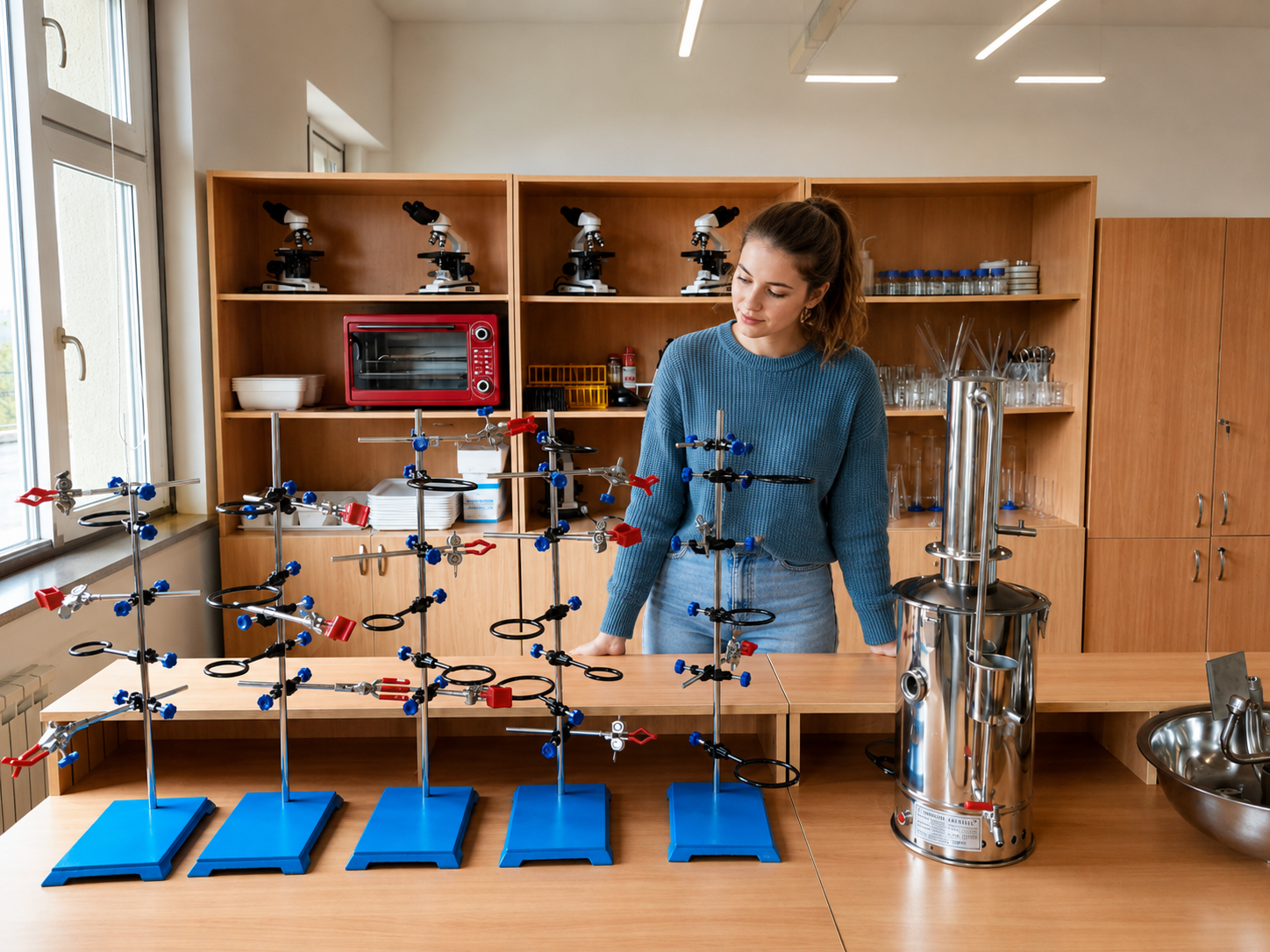
Equipping 439 schools: what a national STEM rollout actually takes
Armenia aims to equip every school with a science laboratory by the end of 2026. A look at the delivery layer of a 439-school rollout: seven laboratory configurations, 1.8 million items, 200+ localised teaching materials — and what ministries should ask suppliers.

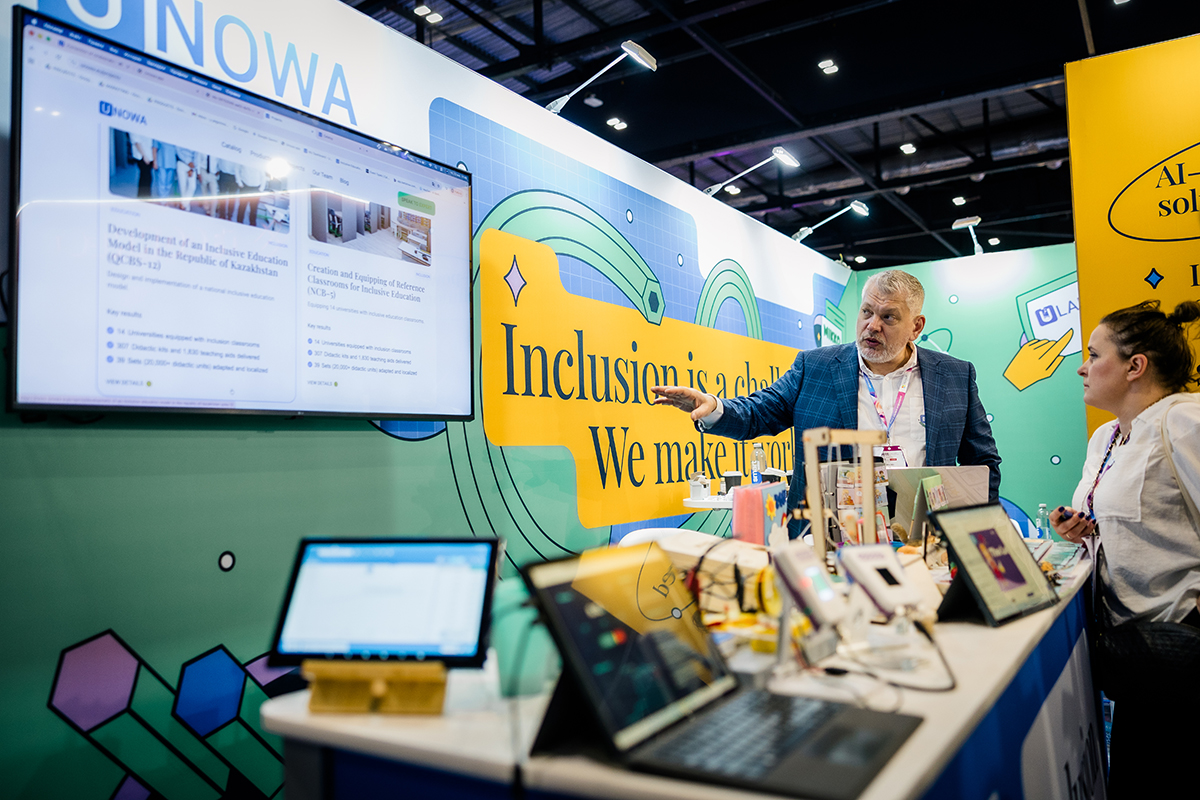
Responsible AI in Education Starts Before the Algorithm
Responsible AI in education depends on knowing what your data actually represents. A UNOWA pilot study shows why measurement validity has to come before AI interpretation.
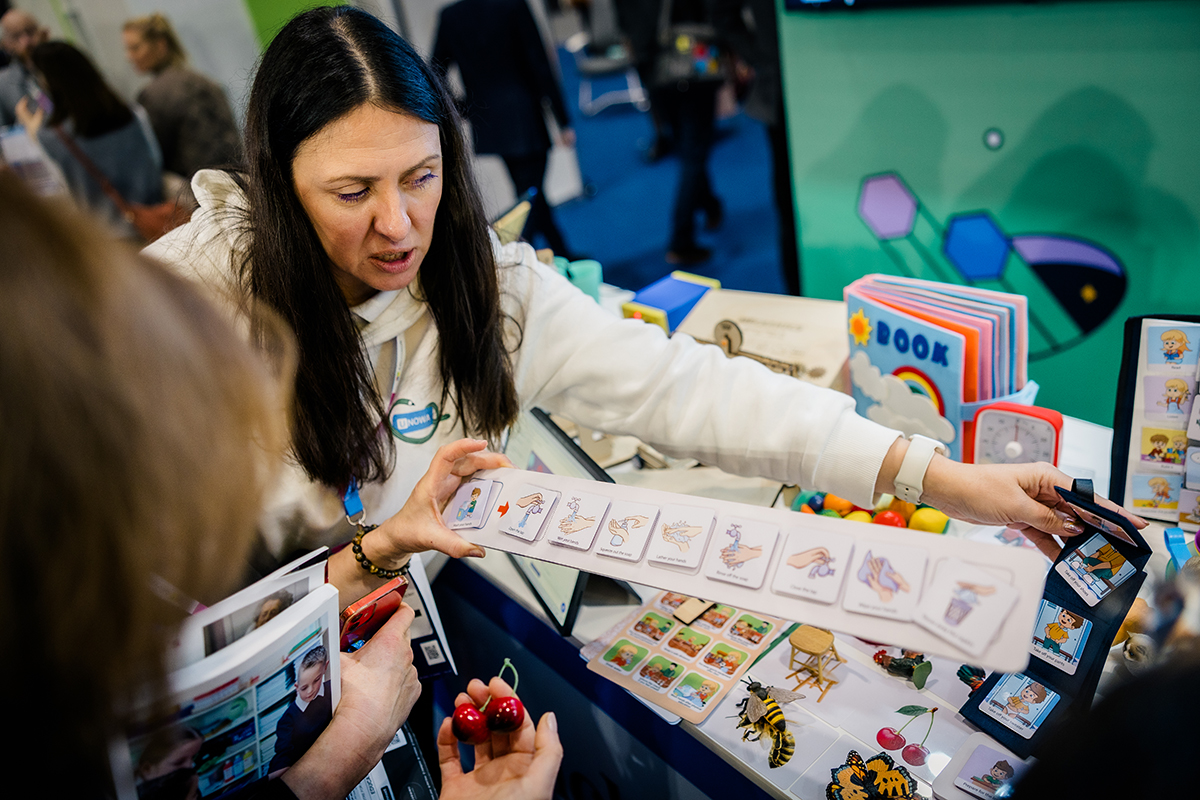
Differentiated Support in Inclusive Education: Why a Score Is Only the Start
Differentiated support in inclusive education starts where scoring ends. Here's why assessment should answer "what's getting in the way," not just "what's wrong."