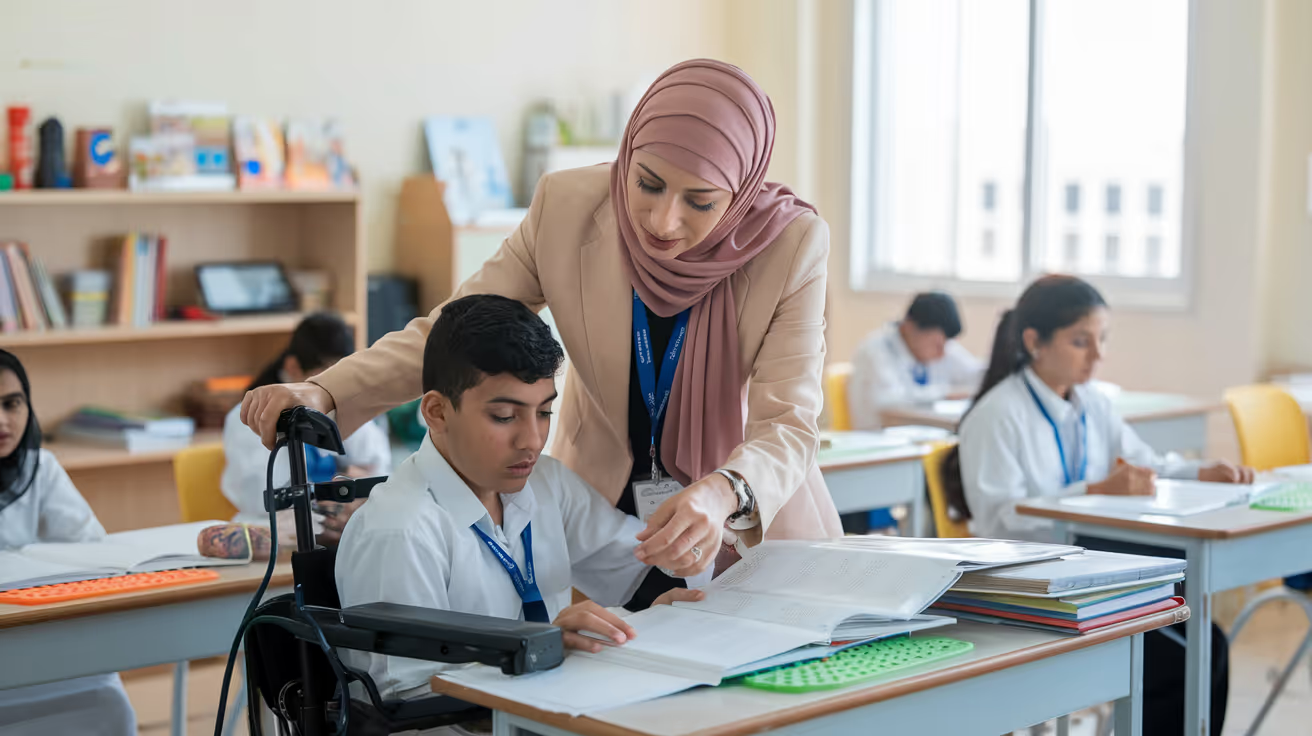

Saudi Arabia stands at a pivotal moment in its educational journey. As the Kingdom accelerates towards Vision 2030, inclusive education in Saudi Arabia is not just a policy ambition — it is a national imperative. At UNOWA, we are proud to be part of this transformation, designing and delivering adaptable, innovative educational systems that empower every learner, regardless of ability.
The Evolution of Inclusive Education in Saudi Arabia
Saudi Arabia’s commitment to inclusive education began in the early 1960s, when the Ministry of Education initiated specialized programs for people with disabilities (PWD). Over the decades, the Kingdom has steadily expanded these efforts, integrating students with disabilities into mainstream schools and developing comprehensive support systems. Today, inclusive education is a cornerstone of Saudi Arabia’s educational reform, aligned with the ambitious goals of Vision 2030.
Key Milestones and Government Commitment
- Robust Policy Framework: The Ministry of Education has established clear policies to ensure equal learning opportunities for all students. These include the integration of students with disabilities into public schools, the provision of specialized support services, and the development of teacher training programs focused on inclusive education.
- Significant Financial Investment: The education sector received a budget allocation of SR201 billion ($53.5 billion) for 2025, representing 16% of total government expenditure. This investment underscores the Kingdom’s commitment to building a world-class, inclusive education system.
- Alignment with Vision 2030: Inclusive education is central to Vision 2030, which emphasizes the rights of PWD and their full participation in society and the workforce.
Current Landscape: Facts, Figures, and Progress
Saudi Arabia’s higher education sector is the largest in the Gulf, with 2 million students enrolled in 2022 — 95% of whom are in public or semi-public institutions. The General Organization for Technical and Vocational Training has also reported ongoing efforts to enhance vocational opportunities for PWD, reflecting a holistic approach to inclusion.
“Saudi Arabia’s higher education sector is the largest individual education market across the Arabian Gulf region with a staggering 2 million students enrolled in 2022. Notably, 95 percent of these students are enrolled in public and semi-public institutions, underlining a significant reliance on the public sector for higher education.” — Mansoor Ahmed, independent adviser in education and other sectors
Recent Developments
- New Institutions and Comprehensive Education: The 2025 education plan includes the opening of three new institutions for gifted students and a renewed focus on comprehensive, inclusive practices.
- Strategic Shift in Funding: There is a growing emphasis on R&D and skills development for all students, including those with disabilities, particularly in fields like AI, robotics, and renewable energy.
Challenges and Opportunities
While the progress is impressive, challenges remain. There is a significant need for qualified teachers in special education, and the closure of some special education bachelor’s programs has sparked debate about the long-term impact on the quality of education for PWD. The labor market continues to demand professionals capable of supporting inclusive practices in both mainstream schools and specialized centers.
At UNOWA, we address these challenges by offering comprehensive teacher training, curriculum-aligned content, and analytics that empower educators to adapt to diverse learning needs. Our solutions are designed to be scalable and adaptable to national standards, ensuring that every institution can deliver on the promise of inclusive education.
UNOWA’s Approach: Empowering Institutions, Educators, and Students
With over 15 years of experience and more than 300 national projects delivered, we understand that true inclusion requires more than policy — it demands practical, innovative solutions:
- MIKKO Inclusive Education System: Our flagship product, MIKKO, is designed to support inclusive education in Saudi Arabia by providing adaptable resources, training, and analytics for schools, kindergartens, and special education centers.
- STEM Innovation with Ulabs: We bring cutting-edge STEM education to all learners, ensuring that students with disabilities have access to the same opportunities as their peers.
- Comprehensive Teacher Training: We partner with leading universities and institutions to deliver training programs that equip educators with the skills and knowledge needed for inclusive classrooms.
- Locally Adaptable Solutions: Our systems are tailored to meet the unique needs of Saudi Arabia’s educational landscape, aligning with national standards and government guidelines.
Policy and Regulatory Framework
Saudi Arabia’s inclusive education policies are among the most progressive in the region. The Ministry of Education’s guidelines emphasize:
- Integration of Students with Disabilities: Ensuring that students with disabilities are included in mainstream classrooms whenever possible.
- Specialized Support Services: Providing resources such as speech therapy, occupational therapy, and assistive technologies.
- Teacher Training and Professional Development: Investing in continuous professional development to ensure educators are equipped to support diverse learners.
For more on Saudi Arabia’s education policies, visit the Ministry of Education.
Professional Advice: Building Capacity for Inclusive Education
Saudi universities, including King Saud University, King Abdulaziz University, and Princess Noura University, offer bachelor’s programs in special education. These programs combine theoretical and practical training, preparing teachers to adapt their strategies for diverse classrooms and to advocate for the rights of PWD.
Key Recommendations for Institutions:
- Invest in ongoing professional development for teachers and staff.
- Foster a culture of inclusion through awareness campaigns and community engagement.
- Leverage technology and data analytics to identify and address learning gaps.
- Collaborate with international partners to share best practices and resources.
Looking Ahead: The Future of Inclusive Education in Saudi Arabia
Saudi Arabia’s journey towards inclusive education is a model for the region. The Kingdom’s ongoing reforms, significant financial investment, and commitment to teacher training are driving real change. At UNOWA, we are dedicated to supporting this transformation by providing the tools, training, and expertise needed to create a more equitable and comprehensive education system.
Let’s work together to transform learning experiences for the better. Discover how UNOWA can help your institution lead the way in inclusive education: https://unowa.eu
FAQ: Inclusive Education in Saudi Arabia
What is inclusive education in Saudi Arabia? Inclusive education in Saudi Arabia refers to the integration of students with disabilities into mainstream schools, supported by specialized services and resources to ensure equal learning opportunities for all.
How does the Saudi government support inclusive education? The government has established clear policies, significant budget allocations, and comprehensive teacher training programs to promote inclusive education, in line with Vision 2030.
What are the main challenges facing inclusive education in Saudi Arabia? Key challenges include a shortage of qualified special education teachers and the need for ongoing professional development and support services.
How can educational institutions implement inclusive education effectively? Institutions should invest in teacher training, adopt adaptable educational systems like MIKKO, and foster a culture of inclusion through community engagement and awareness.
Where can I learn more about inclusive education policies in Saudi Arabia? Visit the Ministry of Education and Saudi Vision 2030 for official guidelines and updates.
Further Reading
- UNESCO: Inclusive Education
- World Bank: Education in Saudi Arabia
- Saudi Vision 2030: Human Capability Development
- UNOWA: Transforming Education
By championing inclusive education in Saudi Arabia, we can empower every learner and build a brighter, more equitable future for all.

Check out other articles
Explore the latest perspectives from our digital research team
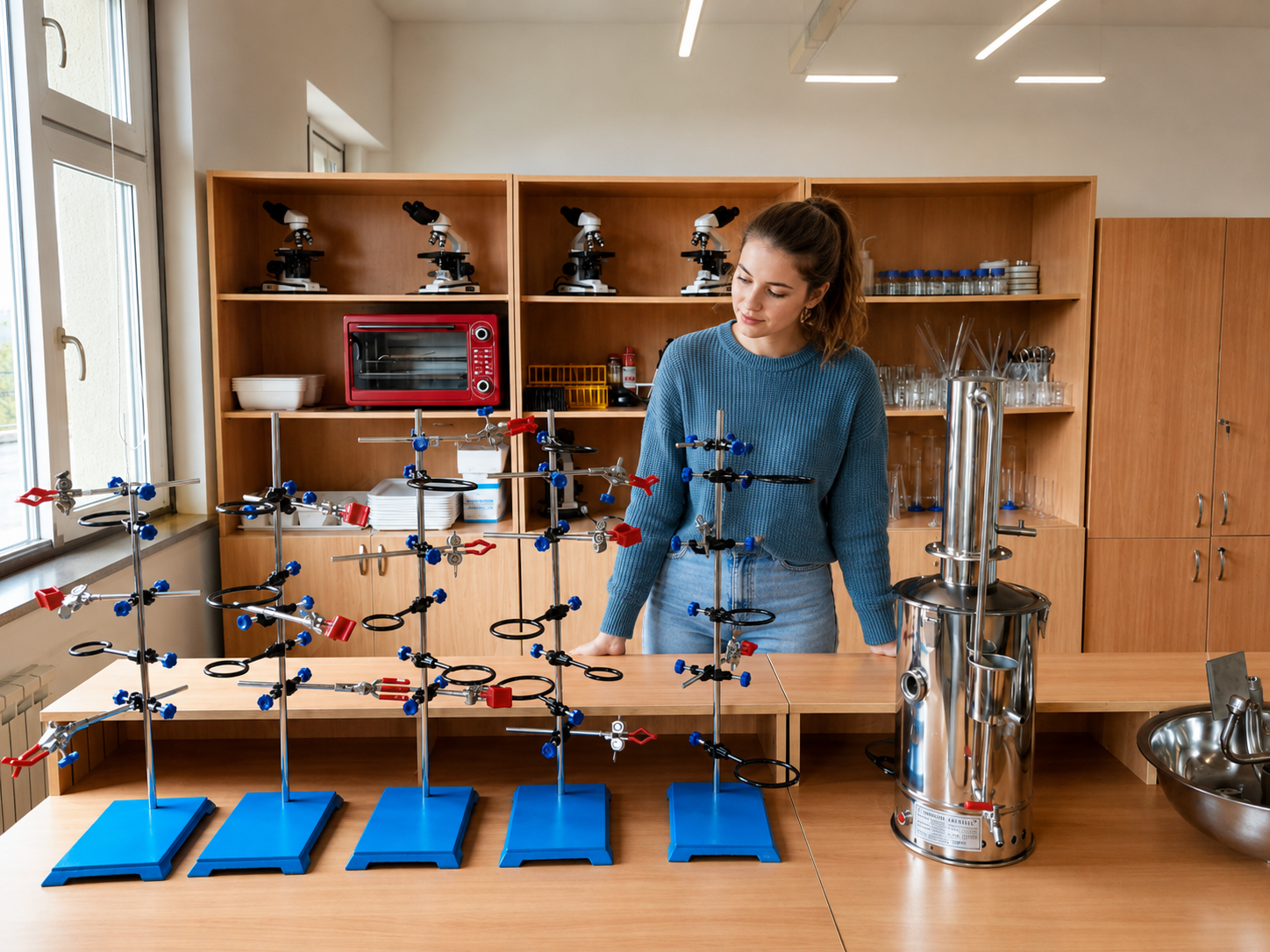
Equipping 439 schools: what a national STEM rollout actually takes
Armenia aims to equip every school with a science laboratory by the end of 2026. A look at the delivery layer of a 439-school rollout: seven laboratory configurations, 1.8 million items, 200+ localised teaching materials — and what ministries should ask suppliers.

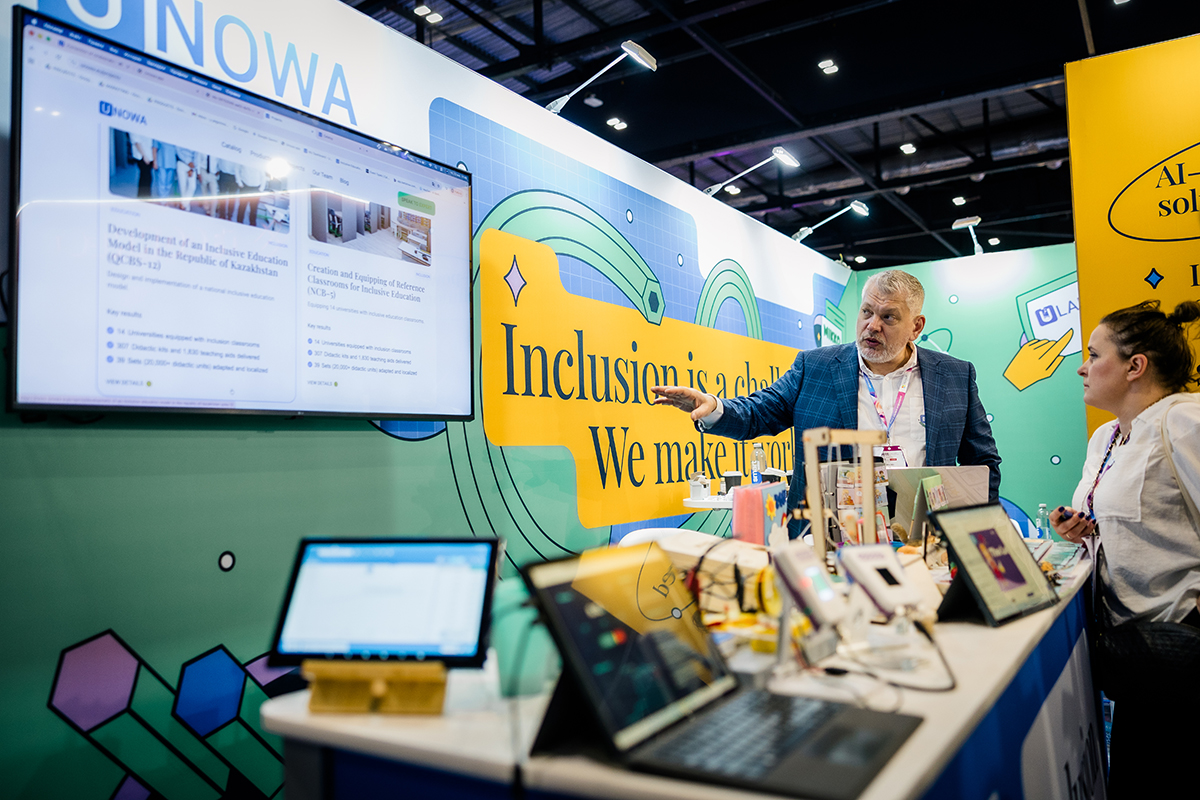
Responsible AI in Education Starts Before the Algorithm
Responsible AI in education depends on knowing what your data actually represents. A UNOWA pilot study shows why measurement validity has to come before AI interpretation.
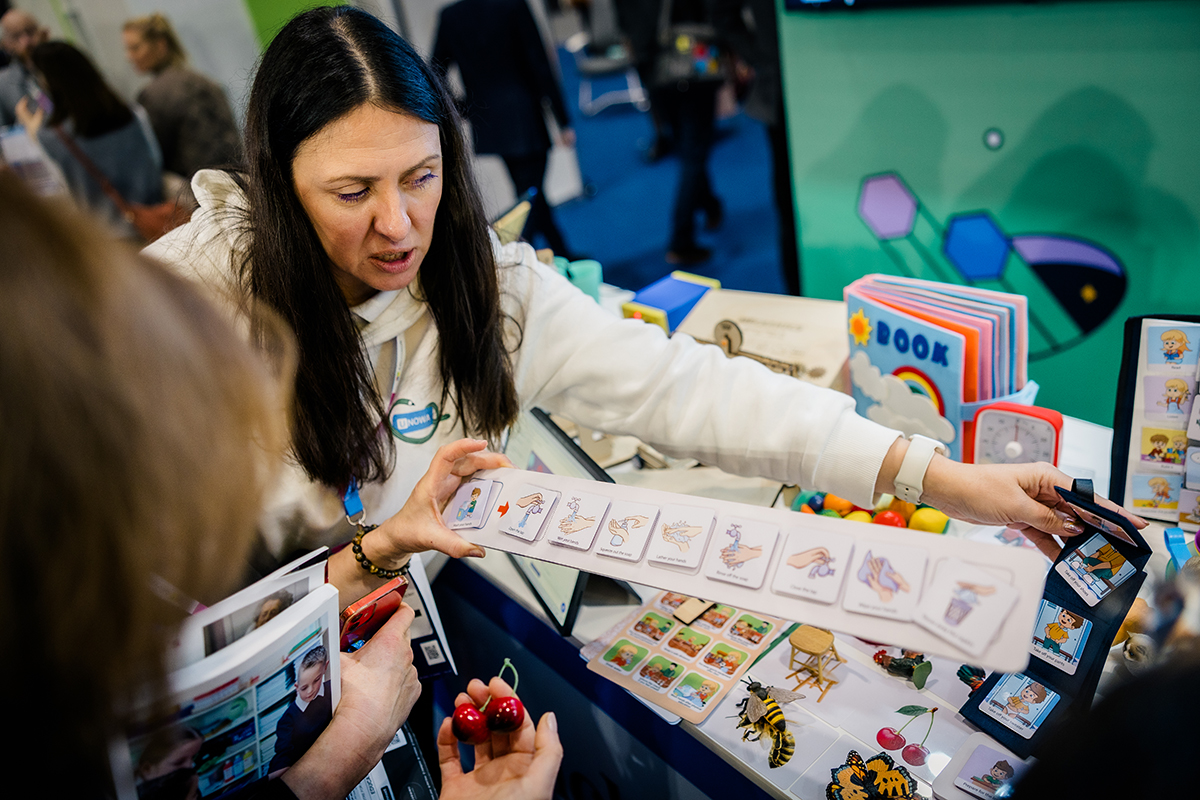
Differentiated Support in Inclusive Education: Why a Score Is Only the Start
Differentiated support in inclusive education starts where scoring ends. Here's why assessment should answer "what's getting in the way," not just "what's wrong."