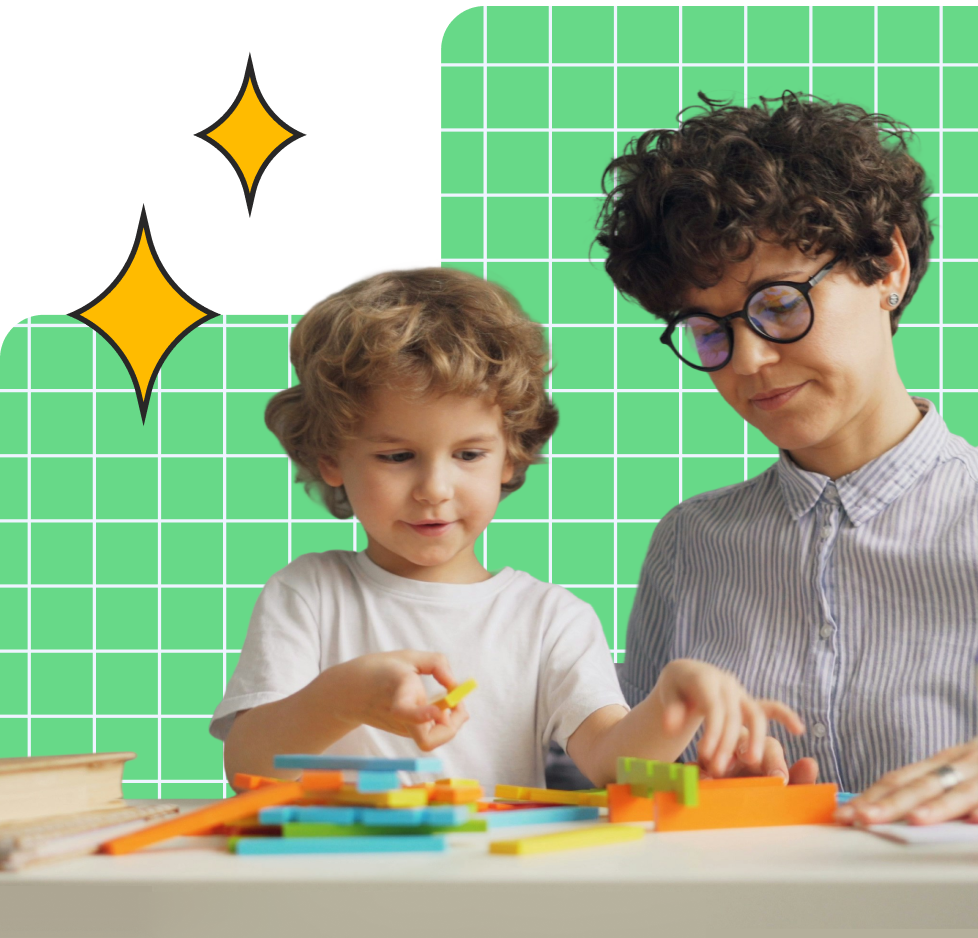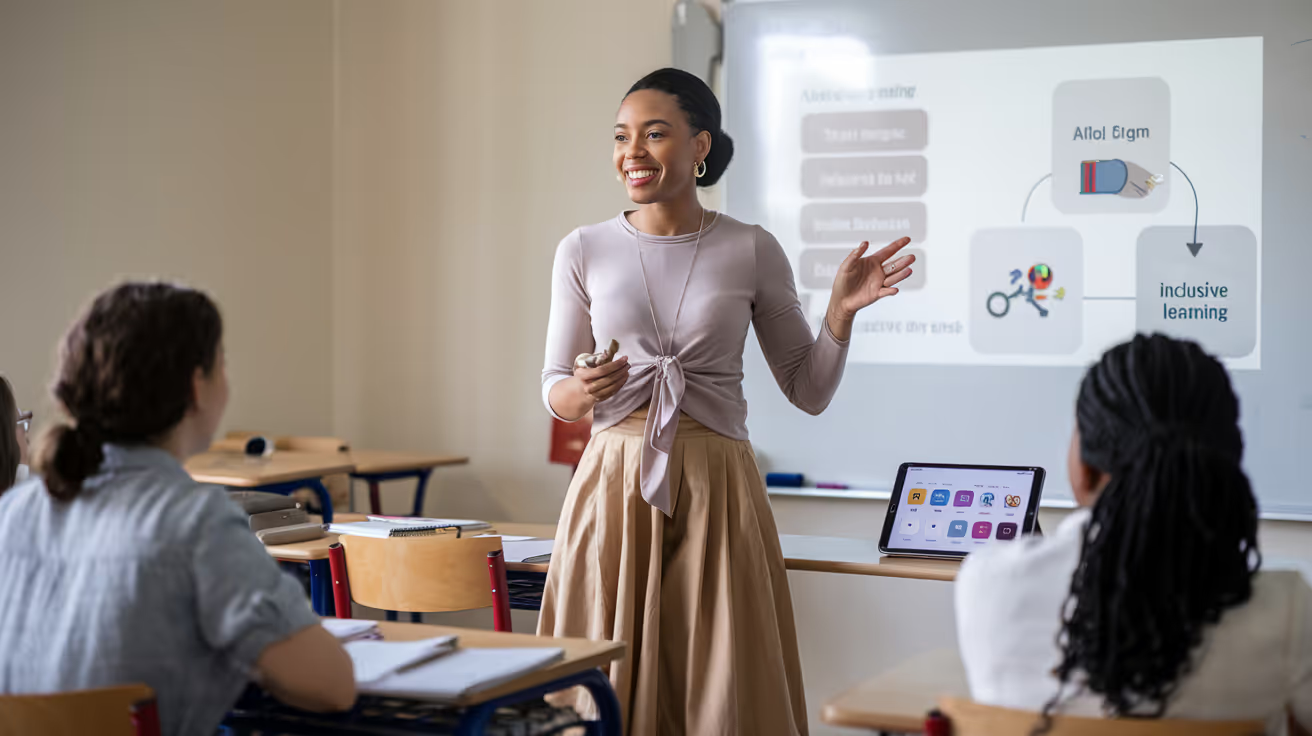

Inclusive education is no longer a distant ideal — it's a global imperative. At UNOWA, we believe that empowering educators through comprehensive inclusive education teacher training is the cornerstone of transforming learning experiences for every child, regardless of background or ability. Drawing on over 15 years of experience and insights from global reform projects, we are committed to shaping the future of education with innovative, adaptable, and impactful solutions.
The Evolving Landscape of Inclusive Education
Inclusive education is rooted in a rights-based approach, ensuring that all learners — regardless of ability, background, or circumstance — have equal access to quality education. Over the past two decades, remarkable progress has been made, particularly in Central and Eastern Europe, the Caucasus, and Central Asia:
- Out-of-school rates have halved in the last 20 years, reflecting a growing commitment to educational access for all.
- Two-thirds of education systems now define inclusion to encompass multiple marginalized groups, not just those with disabilities.
- The percentage of children with disabilities in special schools dropped from 78% in 2005/06 to 53% in 2015/16, and those in residential institutions fell by 30%.
Despite these advances, challenges persist. One in three students with special needs in Central and Eastern Europe is still placed in special schools, and in countries like Georgia and Kyrgyzstan, youth with disabilities remain disproportionately represented among out-of-school populations. Admission for students with special needs in many systems still depends on medical-psychological assessments, highlighting the need for ongoing reform.
Why Inclusive Education Teacher Training Matters
At the heart of successful inclusive education is the teacher. Research and experience show that:
- Teacher mindset and attitudes are critical to the success of inclusion. Training must address not only practical skills but also beliefs and values about diversity and equity.
- Practical strategies for differentiation, classroom management, and collaboration with specialists are essential components of effective training.
- Ongoing professional development, peer support, and access to specialist advice are vital for sustaining inclusive practices.
As the European Agency for Special Needs and Inclusive Education states:
“Inclusive education gives all learners equal learning opportunities in line with a rights-based approach to education.”
Policies, Regulations, and Global Commitments
Most countries in the EU, MENA, and CIS regions are signatories to the UN Convention on the Rights of Persons with Disabilities, committing to inclusive education policies. The European Commission monitors progress through the European Semester and the Education and Training Monitor, tracking efforts to fight inequalities and promote social inclusion.
Key policy frameworks and initiatives include:
- Erasmus+ and the European Solidarity Corps, which fund projects promoting social inclusion and civic engagement among youth.
- The European Toolkit for Schools and eTwinning platform, offering resources, training, and opportunities for collaboration.
- National guidelines and action plans, such as those in Malta and Poland, which provide frameworks for inclusive practice.
Challenges in Implementation
Despite policy advances, implementation remains uneven:
- Many systems still operate with fragmented action frameworks and insufficient budgetary support.
- Disadvantaged schools are less likely to have full-time, university-educated teachers and often lack the resources needed for effective inclusion.
- There is often a lack of harmonization between inclusive education policies and general education planning.
These challenges underscore the need for comprehensive, ongoing teacher training and systemic support.
UNOWA’s Approach: Empowering Educators, Transforming Systems
At UNOWA, we design and deliver complete educational systems — including our inclusive education solution, MIKKO — that are adaptable to national standards and ready for large-scale impact. Our approach to inclusive education teacher training is grounded in:
- Comprehensive, modular training programs tailored to local contexts and needs.
- Blended learning models that combine in-person workshops, online modules, and ongoing coaching.
- Collaboration with local and international experts to ensure relevance and effectiveness.
- Continuous monitoring and analytics to track progress and inform ongoing improvement.
Our solutions are trusted by ministries of education, curriculum authorities, and educational institutions across the EU, MENA, and CIS regions. We are proud to have delivered over 300 national projects, empowering thousands of educators and transforming learning experiences for countless students.
Proven Strategies for Effective Inclusive Education Teacher Training
Based on global best practices and our extensive experience, we recommend the following strategies for ministries, institutions, and project leaders:
- Harmonize inclusive education policies with general education strategies to ensure coherence and sustainability.
- Invest in comprehensive, ongoing teacher training that includes both theoretical and practical components.
- Foster collaboration between mainstream and special education professionals to share expertise and resources.
- Utilize data and monitoring tools to track progress and identify areas for improvement.
- Engage with EU-supported platforms and initiatives to access resources, share best practices, and build professional networks.
For more information on best practices and resources, visit the European Agency for Special Needs and Inclusive Education, European Toolkit for Schools, and UNESCO Inclusive Education.
The Impact of Inclusive Education Teacher Training
The benefits of investing in inclusive education teacher training are profound:
- Improved educational outcomes for all students, not just those with special needs.
- Greater teacher confidence and job satisfaction, leading to reduced turnover and stronger school communities.
- Enhanced social cohesion and equity, as schools become more welcoming and supportive environments for diverse learners.
By prioritizing inclusive education teacher training, ministries and educational leaders can drive systemic change and create a brighter, more equitable future for all learners.
FAQ: Inclusive Education Teacher Training
What is inclusive education teacher training? Inclusive education teacher training equips educators with the knowledge, skills, and attitudes needed to effectively teach diverse learners in mainstream classrooms. It covers differentiation, classroom management, collaboration with specialists, and fostering a positive, inclusive mindset.
Why is ongoing professional development important for inclusive education? Ongoing professional development ensures that teachers stay updated on best practices, receive support for challenges, and continue to grow in their ability to meet the needs of all students.
How can ministries and institutions support inclusive education teacher training? By harmonizing policies, allocating adequate resources, investing in comprehensive training, and fostering collaboration between mainstream and special education professionals.
What resources are available for inclusive education teacher training? EU-supported platforms like eTwinning, the European Toolkit for Schools, and UNOWA’s solutions offer extensive resources, training modules, and opportunities for professional networking.
How does UNOWA support inclusive education? We provide complete educational systems, including inclusive education solutions, curriculum-aligned content, teacher training, and analytics — empowering institutions, educators, and students to thrive in diverse learning environments.
Let’s work together to transform learning experiences for the better. Discover how UNOWA can support your journey toward inclusive, future-ready education at unowa.eu.

Check out other articles
Explore the latest perspectives from our digital research team

Equipping 439 schools: what a national STEM rollout actually takes
Armenia aims to equip every school with a science laboratory by the end of 2026. A look at the delivery layer of a 439-school rollout: seven laboratory configurations, 1.8 million items, 200+ localised teaching materials — and what ministries should ask suppliers.

Responsible AI in Education Starts Before the Algorithm
Responsible AI in education depends on knowing what your data actually represents. A UNOWA pilot study shows why measurement validity has to come before AI interpretation.
Differentiated Support in Inclusive Education: Why a Score Is Only the Start
Differentiated support in inclusive education starts where scoring ends. Here's why assessment should answer "what's getting in the way," not just "what's wrong."