

Did you know that schools equipped with dedicated STEM labs report up to 25% higher student engagement in science and technology subjects, according to European Schoolnet studies? This article explores the transformative power of STEM lab setup, sharing proven strategies, regional insights, and practical advice to empower educators and institutions in creating inclusive, future-ready learning spaces. Drawing from global reforms, we'll cover benefits, design best practices, policy alignments, challenges, and more — positioning your educational ecosystem for large-scale impact.
Why Invest in STEM Lab Setup?
In today's rapidly evolving world, a well-designed STEM lab setup is more than infrastructure — it's a catalyst for innovation and equity in education. At UNOWA, we empower institutions to build labs that foster critical thinking, collaboration, and real-world problem-solving, aligned with national standards.
Key benefits include:
- Enhanced student outcomes: Inquiry-based learning in STEM labs boosts conceptual understanding and attitudes toward STEM, with studies showing improved performance over traditional methods (European Schoolnet).
- Future-ready skills: Labs develop essential competencies like digital literacy and creativity, addressing the EU's noted shortage of STEM professionals (European Commission).
- Inclusivity boost: Adaptable setups ensure every student, including those with special needs, can participate fully, promoting gender balance and diversity (Scientix).
Recent data from UNESCO highlights that regions investing in STEM education see stronger economic growth, with MENA countries like Saudi Arabia reporting increased female participation in STEM through lab initiatives (UNESCO).
Designing an Inclusive STEM Lab Setup
Creating an effective STEM lab setup starts with flexible, pedagogy-driven design. Based on the Future Classroom Lab model, we recommend zoning for investigation, creation, presentation, exploration, and reflection to support diverse activities.
Essential design elements:
- Flexible spaces: Use reconfigurable furniture for group and individual work, ensuring physical accessibility like adjustable benches and wheelchair-friendly layouts.
- Safety and infrastructure: Incorporate ventilation, power outlets, and emergency systems compliant with local regulations, such as EU building codes.
- Technology integration: Include microcontrollers, 3D printers, and sensors for hands-on projects, starting small to match budgets.
For CIS countries like Kazakhstan, labs often serve as regional hubs, sharing resources across schools (World Bank). Costs can range from low-budget setups under €10,000 for basic kits to flagship labs exceeding €50,000, phased for sustainability.
Aligning with Regional Policies and Standards
Our STEM lab setups are adaptable to national guidelines, ensuring seamless integration. In the EU, policies like the STEM Education Strategic Plan emphasize labs as "STEM foundries" for competency-based curricula (European Commission).
Regional insights:
- EU nations (e.g., Poland, Latvia): Leverage Erasmus+ funding for ICT-rich labs, focusing on digital competence (Erasmus+ Programme).
- MENA (e.g., UAE, Qatar): Align with Vision 2030 goals, incorporating AI and robotics for inclusive innovation.
- CIS (e.g., Uzbekistan, Georgia): Use donor-supported reforms for cluster-based labs, emphasizing teacher training.
These alignments, backed by over 15 years of our experience in 300+ projects, make labs locally relevant and impactful.
Overcoming Challenges in STEM Lab Setup
Common hurdles include funding shortages and teacher readiness, but proven strategies from global projects mitigate them. For instance, piloting small-scale labs before scaling has succeeded in Baltic states, reducing under-utilization (Scientix).
Strategies for success:
- Stakeholder involvement: Engage educators, ministries, and partners early for ownership.
- Professional development: Offer ongoing training to build confidence, as seen in Oman’s national programs.
- Evaluation frameworks: Track metrics like student engagement to refine and secure funding.
At UNOWA, we provide analytics and training to transform these challenges into opportunities for empowerment.
Empowering Through Innovation
A robust STEM lab setup empowers students by giving them agency in real-world projects, especially in inclusive settings. Expert quote: "STEM labs bridge theory and practice, fostering resilience and creativity," notes a European Schoolnet report. By integrating with our Ulabs solutions, institutions create environments where every learner thrives.
Ready to transform your educational space? Explore our comprehensive systems at UNOWA.
FAQ
What is the ideal size for a STEM lab setup? Typically 100-200 m² for flexibility, but scalable down for smaller schools, per Future Classroom Lab guidelines.
How can we ensure inclusivity in our STEM lab? Apply Universal Design for Learning principles, including adaptive tools and diverse activities, to support all students.
What are the initial costs involved? Basic setups start at €5,000-€15,000, covering essentials like kits and furniture, with funding options via EU programs.
How do STEM labs align with national curricula? We customize setups to match standards, incorporating project-based assessments for competencies like problem-solving.
Where can I find more resources on STEM lab regulations? Check regional guidelines from sources like the European Commission or UNESCO for policy details.

Check out other articles
Explore the latest perspectives from our digital research team
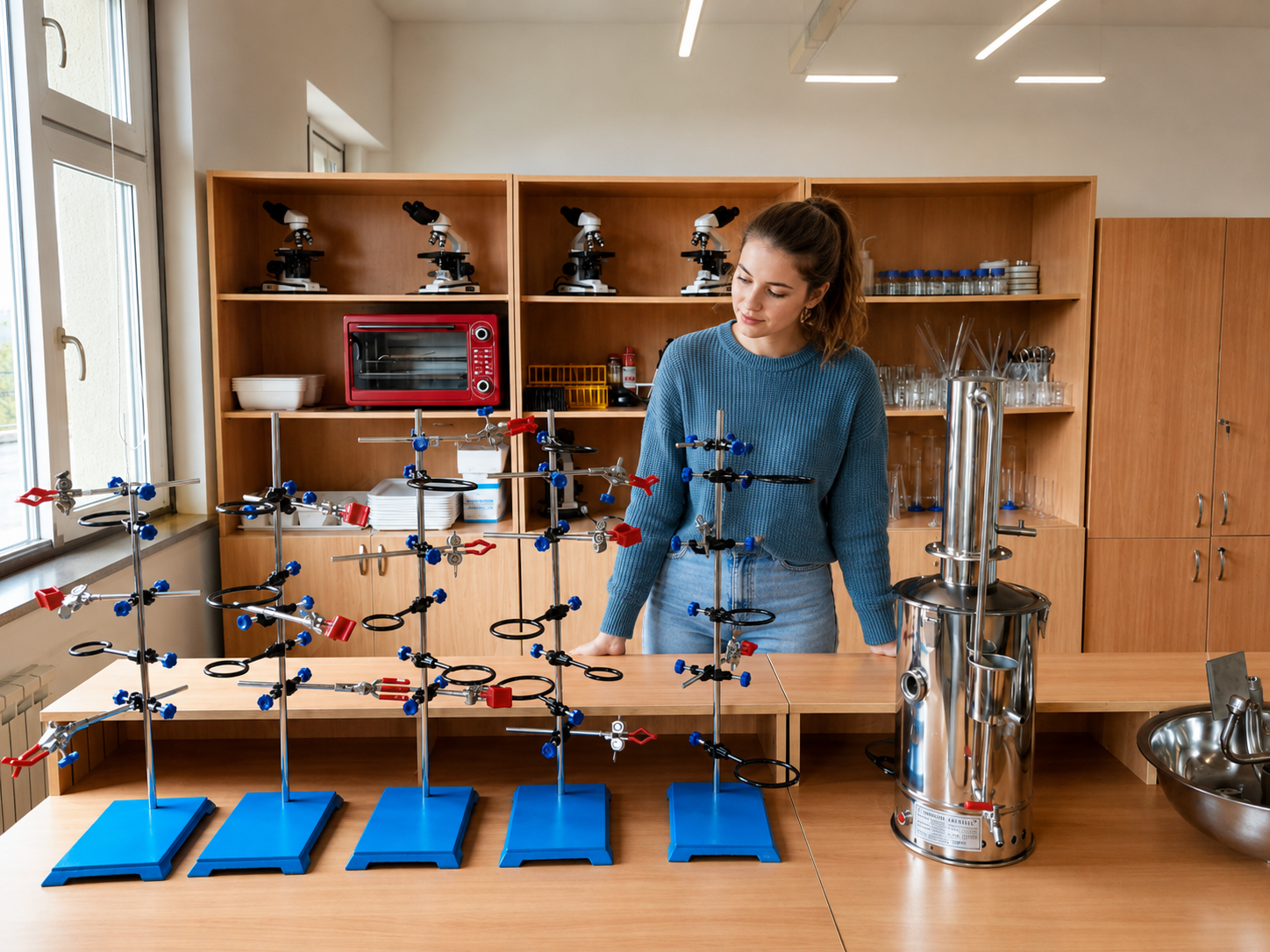
Equipping 439 schools: what a national STEM rollout actually takes
Armenia aims to equip every school with a science laboratory by the end of 2026. A look at the delivery layer of a 439-school rollout: seven laboratory configurations, 1.8 million items, 200+ localised teaching materials — and what ministries should ask suppliers.

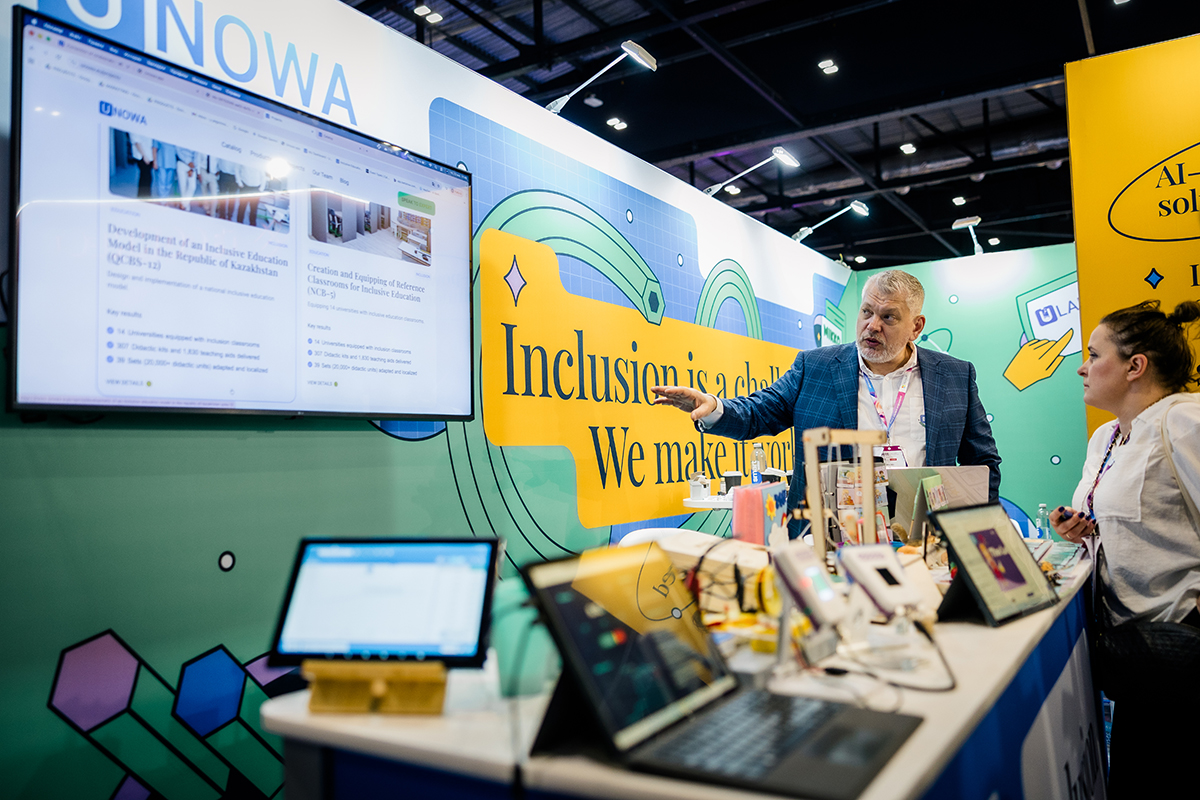
Responsible AI in Education Starts Before the Algorithm
Responsible AI in education depends on knowing what your data actually represents. A UNOWA pilot study shows why measurement validity has to come before AI interpretation.
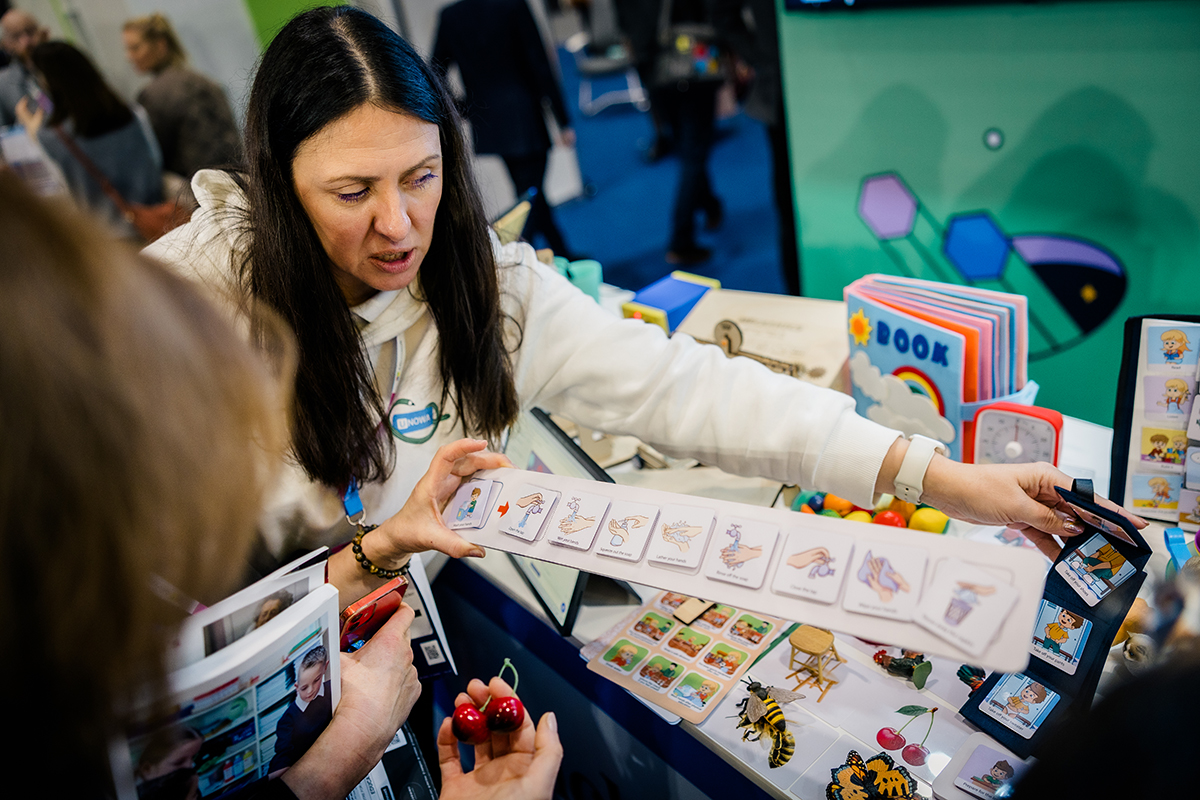
Differentiated Support in Inclusive Education: Why a Score Is Only the Start
Differentiated support in inclusive education starts where scoring ends. Here's why assessment should answer "what's getting in the way," not just "what's wrong."