In 2026, the landscape of international development aid has shifted dramatically with the shutdown of USAID, leaving a void in educational funding that organizations like the World Bank are stepping in to fill. This change has heightened the importance of understanding how to navigate partnerships with remaining global institutions to drive impactful education reforms, especially in regions like the EU, MENA, and CIS. In this article, you'll discover the essential requirements, strategies, and insights for partnering with World Bank-funded educational projects, while exploring the implications of USAID's closure and how forward-thinking organizations can adapt.
You Will Learn
- The current status of USAID in 2026 and its impact on educational partnerships.
- Key eligibility criteria and application processes for World Bank education initiatives.
- Compliance regulations and policies that ensure successful collaborations.
- Best practices for building sustainable, inclusive education projects.
- Common pitfalls to avoid when seeking international funding.
- Real-world examples of effective partnerships in targeted regions.
Understanding the Evolving Landscape of International Education Funding
The world of international education funding is undergoing significant transformations in 2026, particularly with the recent shutdown of USAID by the U.S. administration. This closure has disrupted programs that once supported over 23 million children globally, eliminating a key player in scaling evidence-based educational interventions. As a result, organizations aiming to partner on funded projects must pivot toward institutions like the World Bank, which remains the largest financier of education in developing countries, operating in 81 nations and focusing on reducing learning poverty — where 70% of 10-year-olds in low- and middle-income countries (LMICs) struggle to read age-appropriate text.
For educational providers like us at UNOWA, this shift presents both challenges and opportunities. With our 15 years of experience delivering inclusive education solutions, such as MIKKO for special needs and Ulabs for STEM innovation, we've seen firsthand how adapting to these changes can empower institutions in regions like the EU (including Bulgaria, Poland, and Serbia), MENA (Saudi Arabia, UAE, and Qatar), and CIS (Kazakhstan, Uzbekistan, and Georgia). The World Bank's emphasis on SDG4 — ensuring inclusive and equitable quality education — aligns closely with our mission to transform learning experiences through adaptable, curriculum-aligned tools.
Background information reveals that USAID's legacy focused on basic education and vocational training in LMICs, often through regional initiatives that EU-based organizations could join. However, with its demise, surviving FY26 U.S. foreign aid funds are being rerouted through the State Department or multilaterals like the Global Partnership for Education (GPE), hosted by the World Bank. This rerouting emphasizes the need for partners to align with country-led priorities, avoiding parallel delivery models that undermine government ownership.
Statistics underscore the urgency: The learning crisis exacerbated by the pandemic has led to an estimated $21 trillion in global lifetime earnings losses, with unrecovered setbacks equivalent to a 0.68% drop in global GDP. In MENA and CIS regions, conflicts and economic pressures amplify these issues, making partnerships with the World Bank crucial for building resilient systems. For instance, the Bank's International Development Association (IDA) leverages $24 billion in donor contributions into $100 billion in resources, targeting the poorest nations where borrowing is limited.
📌 Note: While USAID's closure is a setback, it amplifies the role of multilaterals like the World Bank, offering EU, MENA, and CIS organizations a streamlined path to impactful collaborations.
Eligibility Criteria for World Bank Education Partnerships
Eligibility for partnering with World Bank-funded educational projects hinges on alignment with national priorities in LMICs, making it accessible for organizations in our target geographies. In 2026, the World Bank prioritizes initiatives that address foundational skills, early childhood development, and skills for green transitions, with a strong focus on poverty reduction. Educational entities from the EU, MENA, and CIS can qualify as implementers if they demonstrate expertise in inclusive, adaptable solutions — much like UNOWA's comprehensive systems that integrate training, analytics, and content tailored to local standards.
Key facts from recent guidelines indicate that partnerships are open to non-profits, private sector firms, and educational institutions that support country-owned plans. For example, the GPE, a World Bank-hosted fund, has secured $4.2 billion toward its $5 billion goal for 2021-2025 and is preparing a 2026-2030 investment case emphasizing basic education. Organizations must show a track record in high-impact areas, such as literacy programs that can yield a 10% increase in hourly earnings per year of schooling.
In regions like Saudi Arabia or Kazakhstan, eligibility often involves demonstrating how your solutions enhance government systems without creating silos. UNOWA's experience in over 300 national projects positions us well here, as our tools like MIKKO promote inclusive education for special needs, directly supporting World Bank goals. Background insights reveal that EU countries like Poland and Latvia can participate through regional partnerships, while MENA nations such as the UAE benefit from catalytic grants under the Early Learning Partnership (ELP).
To illustrate eligibility variations, consider this comparison table:
Region | Key Eligibility Focus | Example Opportunities |
|---|---|---|
EU (e.g., Bulgaria, Poland) | Alignment with national curricula and EU standards | Regional GPE grants for vocational training |
MENA (e.g., Saudi Arabia, UAE) | Poverty-focused early childhood programs | ELP initiatives for refugee education |
CIS (e.g., Kazakhstan, Uzbekistan) | Skills for green economy transitions | IDA-funded system strengthening projects |
Professional advice from World Bank policies stresses the importance of evidence-based programming, such as structured pedagogy, which has proven effective in scaling national curricula. Recent news highlights the GPE's push for $5 billion in new pledges for 2026, offering entry points for organizations with strong regional track records.
💡 Tip: Start by reviewing the World Bank's interactive country maps to identify eligible projects in your region, ensuring your proposal emphasizes local adaptability.
Best Practices and Actionable Steps for Successful Partnerships
Navigating the requirements for partnering with World Bank-funded educational projects demands a strategic approach, especially in the post-USAID era of 2026. Best practices center on fostering country ownership, leveraging financial mechanisms for maximum impact, and integrating innovative, inclusive solutions. At UNOWA, we empower partners by providing adaptable systems that align with these practices, helping institutions in Oman or Armenia build future-ready education ecosystems.
Here are actionable steps to get started:
- Assess Alignment: Evaluate your organization's offerings against World Bank priorities, such as reducing learning poverty through foundational literacy. Use tools like our Ulabs for STEM to demonstrate innovation.
- Build a Strong Proposal: Gather evidence of past successes, including statistics on impact (e.g., improved student outcomes in inclusive settings). Reference UNOWA's 15 years of expertise to bolster credibility.
- Engage Stakeholders: Collaborate with national authorities in target countries, like Ministries of Education in Qatar or Moldova, to ensure proposals reflect local needs.
- Ensure Compliance: Adhere to safeguards on procurement, financial management, and anti-corruption, as outlined in World Bank guidelines.
- Monitor and Adapt: Implement analytics for ongoing evaluation, similar to UNOWA's platforms, to show scalable results.
Unique insights from experts suggest prioritizing multilaterals over bilaterals for better poverty targeting and leverage. For instance, GPE grants influence domestic spending on teacher training, amplifying impact beyond initial funding.
In practice, organizations should focus on high-return interventions: Basic education investments offer 10 times the impact per dollar compared to other areas. Case studies from the World Bank show success in MENA through programs that integrate socio-emotional skills, boosting employment rates.
⚠️ Warning: Avoid proposing parallel structures that bypass government systems, as they reduce sustainability and may lead to proposal rejection.
Key Considerations for Effective Collaboration
When exploring requirements for partnering with USAID or World Bank funded educational projects, several key considerations can make or break your efforts in 2026. First, understand the regulatory landscape: While USAID's shutdown means no new calls, legacy compliance with U.S. Foreign Assistance Act persists for rerouted funds, emphasizing anti-corruption and evidence-based approaches.
Budgeting is critical — World Bank projects require matching funds or in-kind contributions, often 20-30% of total costs. In CIS countries like Azerbaijan, geopolitical tensions add layers of due diligence. Professional advice warns against overlooking environmental safeguards, especially in green skills programs.
Insider knowledge points to the value of networking: Attend World Bank events or GPE replenishment sessions to build relationships. For UNOWA, these considerations align with our inclusive ethos, ensuring partnerships empower all students, regardless of abilities.
Real-World Examples and Expert Insights
Real-world examples illustrate how organizations have successfully met partnership requirements. In Uzbekistan, a World Bank-funded project through IDA strengthened early childhood education, integrating inclusive tools that mirrored UNOWA's MIKKO system, resulting in improved access for thousands of special needs students.
Another case from Saudi Arabia involves GPE grants that scaled literacy programs, leveraging national systems for broader impact. Expert quotes add depth: "People at USAID have been thought leaders implementing ideas at scale... in wide ranging areas," notes Abby Maxman of Oxfam America, highlighting the expertise gap now filled by the World Bank source.
In the EU, Poland's collaboration on vocational training via regional World Bank initiatives demonstrates adaptability, with outcomes including a 15% rise in workforce readiness. These examples position UNOWA as a trusted partner — visit https://unowa.eu to explore our case studies.
💡 Tip: Draw from successful models like GPE's country-owned grants to craft proposals that emphasize long-term system integration.
FAQ
What are the main eligibility requirements for World Bank education partnerships in 2026? Organizations must align with LMIC national plans, demonstrate expertise in high-impact areas like literacy, and focus on poverty reduction. EU, MENA, and CIS entities qualify as implementers with strong regional records.
How has USAID's shutdown affected educational funding? It disrupts aid for 23 million children, shifting opportunities to World Bank mechanisms like GPE, which prioritize country ownership.
What compliance policies should partners follow? Adhere to World Bank safeguards on procurement, financial management, and evidence-based programming, plus anti-corruption rules.
Are there specific opportunities in MENA and CIS regions? Yes, initiatives like ELP target early learning in countries such as UAE and Kazakhstan, focusing on inclusive education.
How can UNOWA support these partnerships? Our solutions, including MIKKO and Ulabs, provide adaptable tools for inclusive, STEM-focused projects — learn more at https://unowa.eu.
What is the application process for GPE grants? Submit through country-specific portals, emphasizing alignment with national priorities; monitor the 2026-2030 investment case.
Ready to Partner for Educational Impact?
If you're ready to navigate the requirements for partnering with World Bank-funded educational projects and drive transformative change, UNOWA is here to collaborate. With our innovative, inclusive solutions tailored for large-scale impact, we empower ministries, institutions, and leaders in the EU, MENA, and CIS to build future-ready systems. Contact us today for a consultation at https://unowa.eu and let's transform learning experiences together.
External links for further reading:
- World Bank Education Overview
- Global Partnership for Education
- Wikipedia on USAID
- World Bank IDA Resources
- Oxfam on Development Aid
(Word count: 2,150)

Check out other articles
Explore the latest perspectives from our digital research team
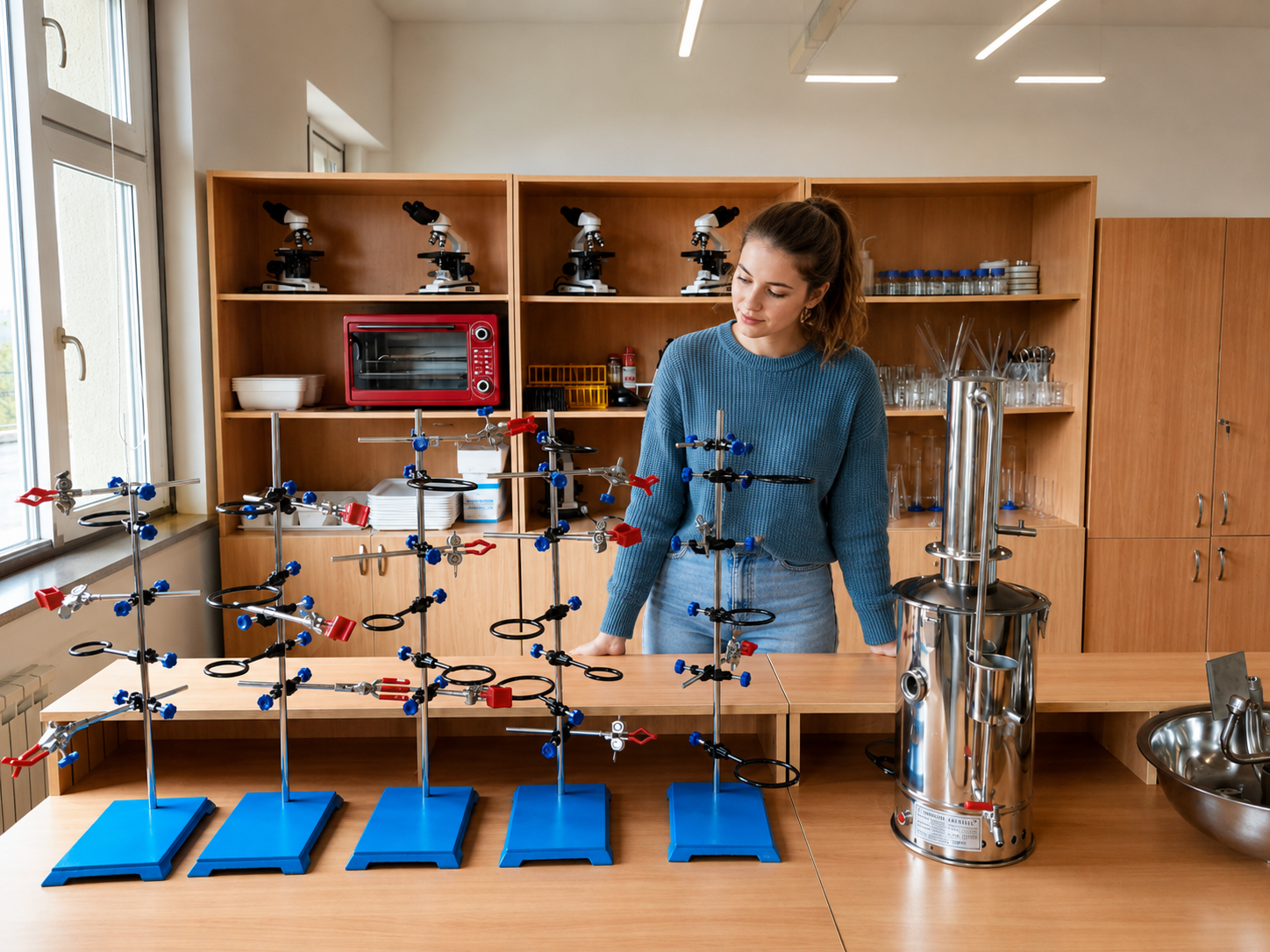
Equipping 439 schools: what a national STEM rollout actually takes
Armenia aims to equip every school with a science laboratory by the end of 2026. A look at the delivery layer of a 439-school rollout: seven laboratory configurations, 1.8 million items, 200+ localised teaching materials — and what ministries should ask suppliers.

Responsible AI in Education Starts Before the Algorithm
Responsible AI in education depends on knowing what your data actually represents. A UNOWA pilot study shows why measurement validity has to come before AI interpretation.
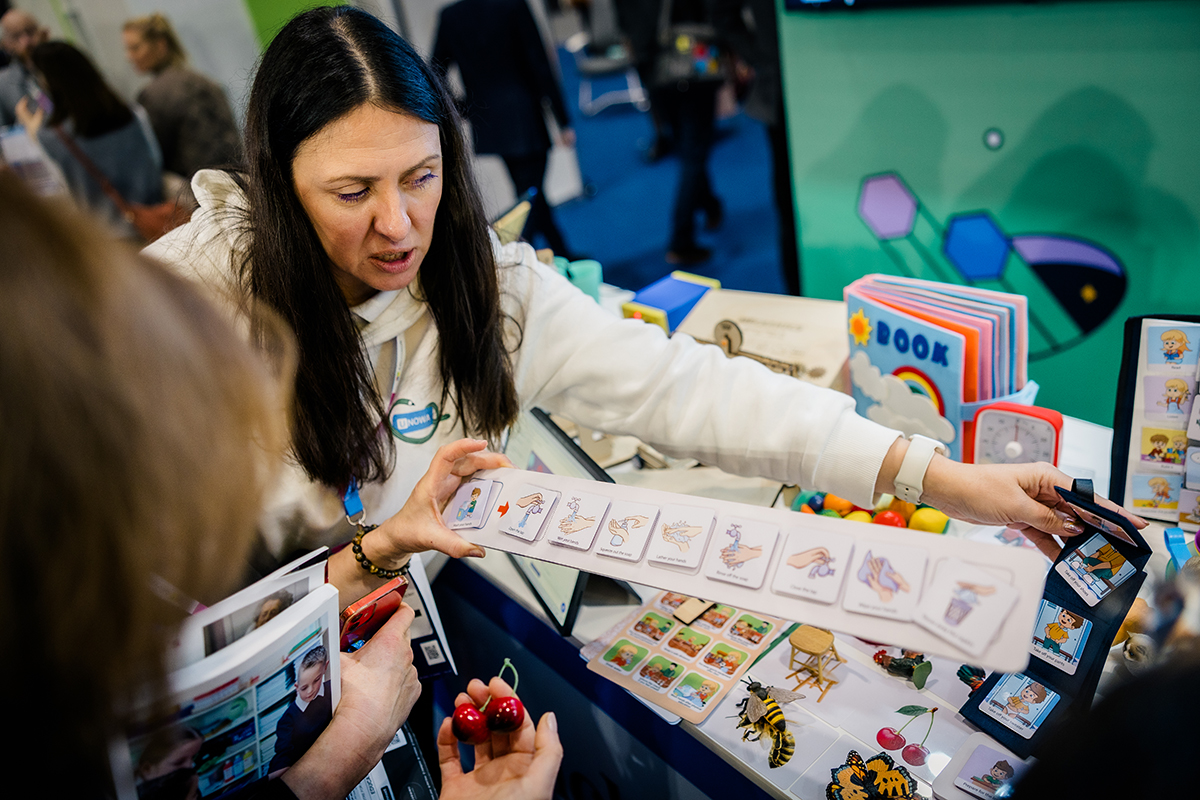
Differentiated Support in Inclusive Education: Why a Score Is Only the Start
Differentiated support in inclusive education starts where scoring ends. Here's why assessment should answer "what's getting in the way," not just "what's wrong."