

Did you know that misalignment between curricula and national standards contributes to performance gaps in up to 70% of schools across EU, MENA, and CIS regions, according to recent OECD analyses? This article explores regional curriculum alignment, highlighting key challenges, proven strategies, and insights from global reforms to empower educators and policymakers in creating inclusive, future-ready education systems. Drawing on our 15+ years of experience at UNOWA, we'll share practical approaches adaptable to diverse contexts, positioning us as your partner in educational transformation.
Understanding Regional Curriculum Alignment Challenges
Regional curriculum alignment involves synchronizing written standards, classroom practices, and assessments to ensure coherent learning outcomes. Across the EU (including Bulgaria, Malta, Poland, Latvia, Lithuania, Estonia, and Serbia), MENA (Saudi Arabia, UAE, Qatar, Oman), and CIS (Kazakhstan, Uzbekistan, Armenia, Moldova, Azerbaijan, Kyrgyzstan, Georgia), common hurdles include fragmented standards and rapid reforms outpacing teacher readiness.
For instance, in post-Soviet CIS countries like Kazakhstan and Uzbekistan, the shift from rote-based to competency-focused curricula has been uneven, with legacy textbooks hindering progress. In the Gulf, ambitious visions like Saudi Arabia's Vision 2030 demand alignment with international benchmarks, yet balancing national identity and STEM priorities remains complex. EU nations such as Estonia lead in digital integration, but rural-urban disparities persist, as noted in a 2022 World Bank report on education equity World Bank Education Report.
Key challenges include:
- Misalignment of layers: Written curricula often diverge from taught and assessed content.
- Reform overload: Overlapping changes in standards, exams, and teacher training overwhelm systems.
- Equity gaps: Marginalized groups, such as Roma students in Bulgaria or linguistic minorities in Georgia, face barriers to inclusive access.
By addressing these, we at UNOWA help institutions bridge gaps through tailored, curriculum-aligned content and analytics.
Proven Strategies for Effective Alignment
Successful regional curriculum alignment relies on coherent frameworks and phased implementation. Global reform projects emphasize integrating curriculum standards with teacher development and assessment systems. For example, Estonia's digital curriculum mapping has improved alignment by 25% in STEM subjects, per UNESCO data UNESCO Digital Education Report.
Strategies that work:
- Phased pilots: Test reforms in select regions before scaling, as seen in UAE's multi-year STEM curriculum rollout.
- Teacher support: Ongoing professional development focused on practical tasks, reducing implementation gaps.
- Curriculum audits: Mapping tools to identify misalignments, a method we've successfully applied in over 300 national projects.
- Stakeholder engagement: Involving educators, parents, and employers for buy-in, as in Poland's competency-based reforms.
These approaches, backed by our innovative tools like Ulabs for STEM and MIKKO for inclusive education, ensure adaptability to national standards.
Regional Insights: EU, MENA, and CIS Examples
In the EU, countries like Latvia and Lithuania excel in competency-based curricula, integrating EU Key Competences for digital and green skills. Bulgaria's ongoing updates address teacher shortages, with 40% of educators needing upskilling, according to a 2023 European Commission study European Commission Education Monitor.
MENA nations, such as Qatar and Oman, align curricula to labor-market needs via partnerships with international providers, emphasizing Arabic-English balance. Saudi Arabia's reforms have boosted TIMSS scores by 15 points since 2019 TIMSS 2019 Results.
In the CIS, Georgia and Armenia are phasing in student-centered models, with Kazakhstan's new standards focusing on critical thinking. A 2021 OECD review highlights how these shifts improve equity OECD Education Policy Outlook.
At UNOWA, we've supported such transformations, delivering inclusive solutions that align with local policies.
Inclusive Education and STEM Innovation in Alignment
Regional curriculum alignment must prioritize inclusivity, ensuring every child accesses quality learning. Policies like Universal Design for Learning (UDL) promote differentiation, as mandated in EU inclusive education laws. In special education centers across Serbia and Moldova, we've implemented MIKKO to support individualized plans, closing equity gaps.
For STEM, alignment integrates problem-solving and digital literacy from early grades. UAE's robotics programs exemplify this, aligning with national visions and boosting innovation. Our Ulabs platform empowers educators with curriculum-aligned STEM content, fostering forward-looking skills.
Lessons from Global Reform Projects
Drawing from experiences in 300+ projects, key lessons include avoiding assessment pitfalls — ensuring exams reflect new standards — and investing in middle leadership for classroom impact. As one reform leader noted in a UNESCO forum, "Alignment succeeds when teachers are empowered, not just instructed" UNESCO Inclusive Education Forum.
We invite you to explore how our expertise can transform your system — visit UNOWA for a consultation.
FAQ
What is regional curriculum alignment? It refers to synchronizing educational curricula with national and regional standards to ensure consistent, effective learning outcomes.
Why is regional curriculum alignment important for inclusive education? It addresses equity gaps by adapting content for diverse learners, including those with special needs, promoting accessibility and fairness.
How does UNOWA support regional curriculum alignment? We provide adaptable systems like MIKKO for inclusive education and Ulabs for STEM, backed by training and analytics tailored to local standards.
What are common pitfalls in curriculum alignment reforms? Overloading systems with simultaneous changes and neglecting teacher support can lead to uneven implementation and persistent misalignments.
How can policymakers measure alignment success? Use tools like curriculum mapping, assessment data from PISA/TIMSS, and stakeholder feedback to track progress and refine strategies.

Check out other articles
Explore the latest perspectives from our digital research team
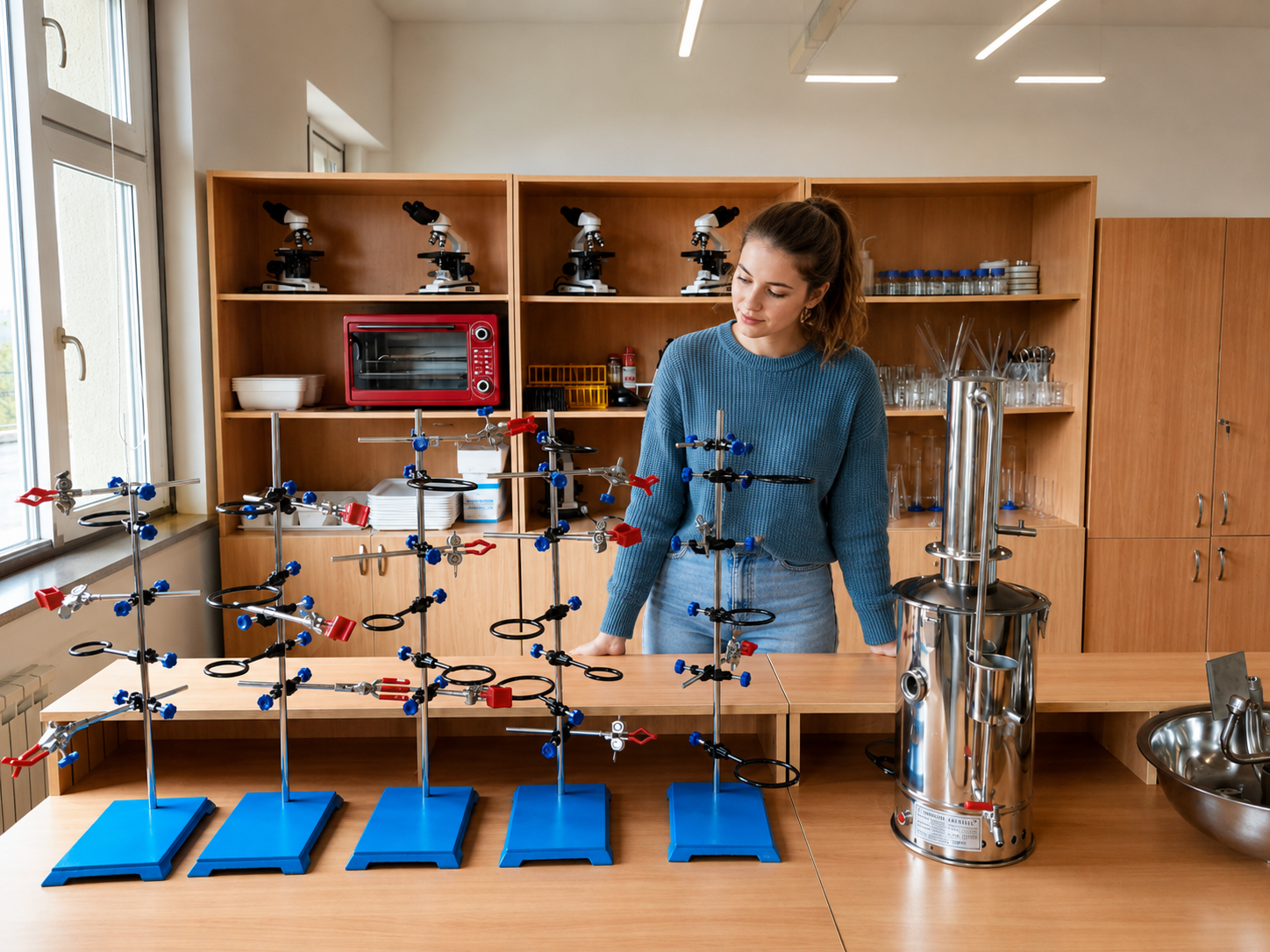
Equipping 439 schools: what a national STEM rollout actually takes
Armenia aims to equip every school with a science laboratory by the end of 2026. A look at the delivery layer of a 439-school rollout: seven laboratory configurations, 1.8 million items, 200+ localised teaching materials — and what ministries should ask suppliers.

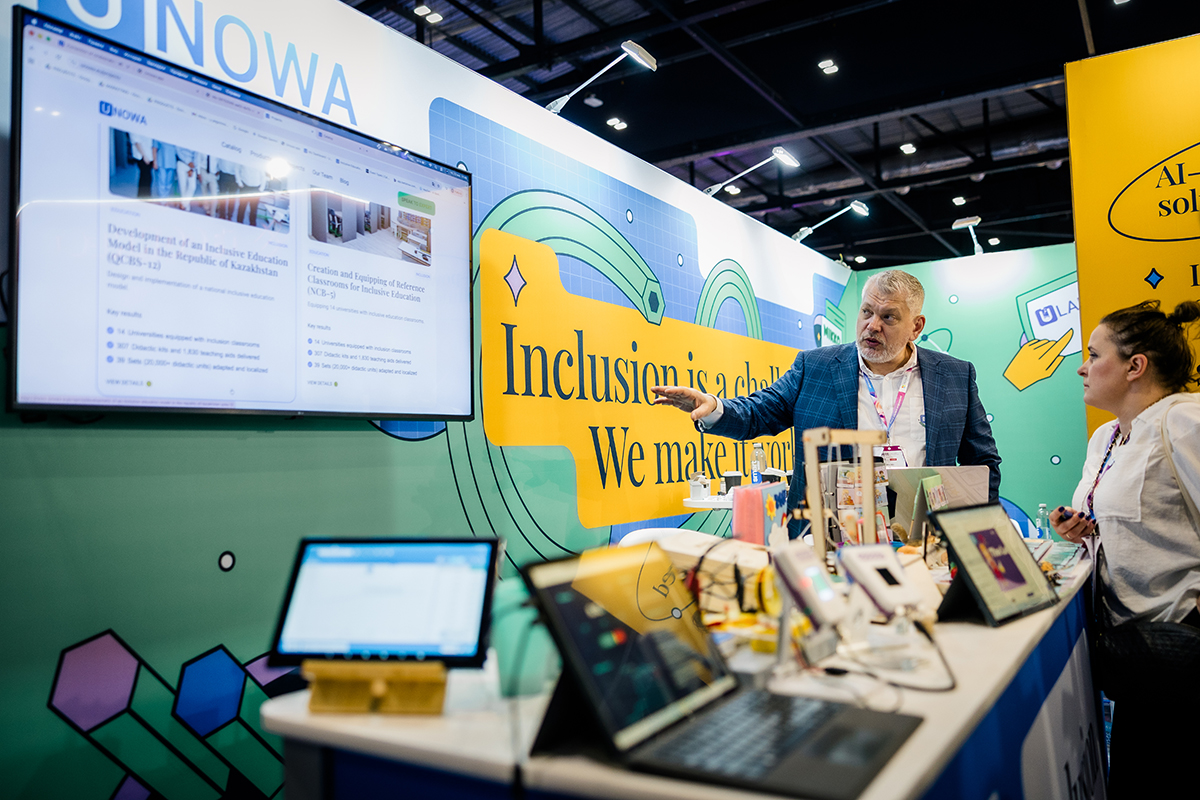
Responsible AI in Education Starts Before the Algorithm
Responsible AI in education depends on knowing what your data actually represents. A UNOWA pilot study shows why measurement validity has to come before AI interpretation.
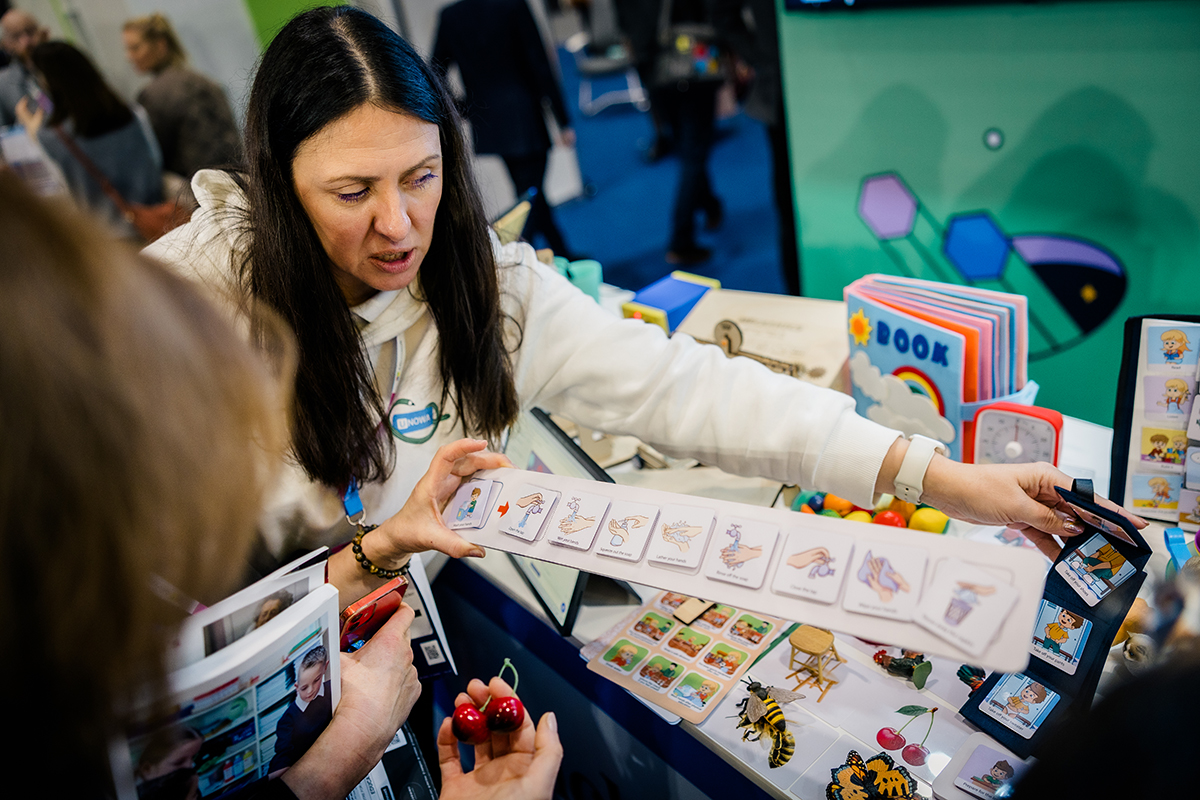
Differentiated Support in Inclusive Education: Why a Score Is Only the Start
Differentiated support in inclusive education starts where scoring ends. Here's why assessment should answer "what's getting in the way," not just "what's wrong."