

Did you know that public-private education partnerships have expanded access to quality education for over 50 million students worldwide, yet many still struggle with equity challenges? In this article, we explore the transformative potential of public-private education partnerships, drawing on global insights and regional examples from the EU, MENA, and CIS to highlight benefits, challenges, and strategies for inclusive, innovative learning. We'll share proven approaches that align with national standards, positioning us at UNOWA as your partner in educational reform.
The Power of Public-Private Education Partnerships
Public-private education partnerships (PPPs) blend public oversight with private innovation to enhance education systems. According to the World Bank, well-designed PPPs can increase enrollment by up to 20% in underserved areas while introducing cutting-edge tools like STEM labs and digital platforms World Bank Blog on Designing Effective PPPs in Education.
At UNOWA, we empower institutions through such collaborations, delivering adaptable solutions like our MIKKO inclusive education system and Ulabs STEM innovation programs. These partnerships foster future-ready education, ensuring every child, regardless of ability, accesses quality learning.
Global Trends and Benefits
Recent data shows PPPs are on the rise, with the Global Campaign for Education noting their role in expanding STEM and vocational training across low- and middle-income countries Global Campaign for Education Paper on PPPs. Key benefits include:
- Enhanced Access: PPPs have boosted enrollment in remote areas, as seen in infrastructure projects reducing costs per student by 15-20% Campbell Systematic Review on PPPs in LMICs.
- Innovation Boost: Private partners introduce technologies, aligning curricula with job markets for better student outcomes.
- Efficiency Gains: Contracts tied to performance metrics ensure accountability, freeing public resources for equity-focused initiatives.
We at UNOWA leverage these trends, offering curriculum-aligned content and analytics that integrate seamlessly into national frameworks.
Regional Insights: EU, MENA, and CIS
Public-private education partnerships vary by region but consistently drive inclusive and STEM-focused reforms.
EU Examples
In countries like Poland and Estonia, PPPs focus on STEM and digital skills, with industry collaborations funding labs and teacher training. For instance, Poland's dual-education models have improved vocational outcomes, supported by EU structural funds US Chamber Foundation on Education PPPs.
In Bulgaria and Latvia, partnerships emphasize inclusive education, enrolling disadvantaged students through equity-weighted funding.
MENA Innovations
Saudi Arabia's Vision 2030 promotes PPPs for school infrastructure and STEM programs, expanding private schools and international collaborations. The UAE uses PPPs for AI and engineering curricula in Education City, enhancing innovation Privatisation in Education and Human Rights Consortium Brief.
These efforts align with our mission at UNOWA to create adaptable, inclusive systems.
CIS Strategies
Kazakhstan employs PPPs for modernizing TVET with industry partners in oil and engineering, while Uzbekistan expands STEM-oriented private education. Georgia's donor-funded ICT projects highlight inclusive digital labs for rural students.
Challenges and Proven Strategies
Despite successes, challenges persist. A 17-country review found PPPs can reinforce disparities by favoring better-off students, underscoring the need for equity safeguards Demystifying Education PPPs Position Paper.
Proven strategies include:
- Equity Targets: Tie funding to enrolling low-income or disabled students.
- Robust Monitoring: Use data-driven evaluations for transparency.
- Inclusive Design: Prohibit selective admissions and hidden fees.
With over 15 years of experience, we at UNOWA guide partners through these, delivering 300+ national projects tailored to local needs. Explore our solutions at UNOWA.
FAQ
What are public-private education partnerships? They are collaborations where governments partner with private entities to finance, manage, or deliver education services, focusing on access and quality.
How do PPPs support inclusive education? By incorporating equity indicators in contracts, ensuring access for all, including students with special needs.
What role do PPPs play in STEM innovation? They provide equipment, curricula, and industry links, boosting skills for future jobs.
Are there risks in PPPs? Yes, such as equity gaps, but strong regulations mitigate them.
How can UNOWA help with PPPs? We offer comprehensive systems like MIKKO for inclusion and Ulabs for STEM, adaptable to your national standards — contact us at UNOWA.

Check out other articles
Explore the latest perspectives from our digital research team
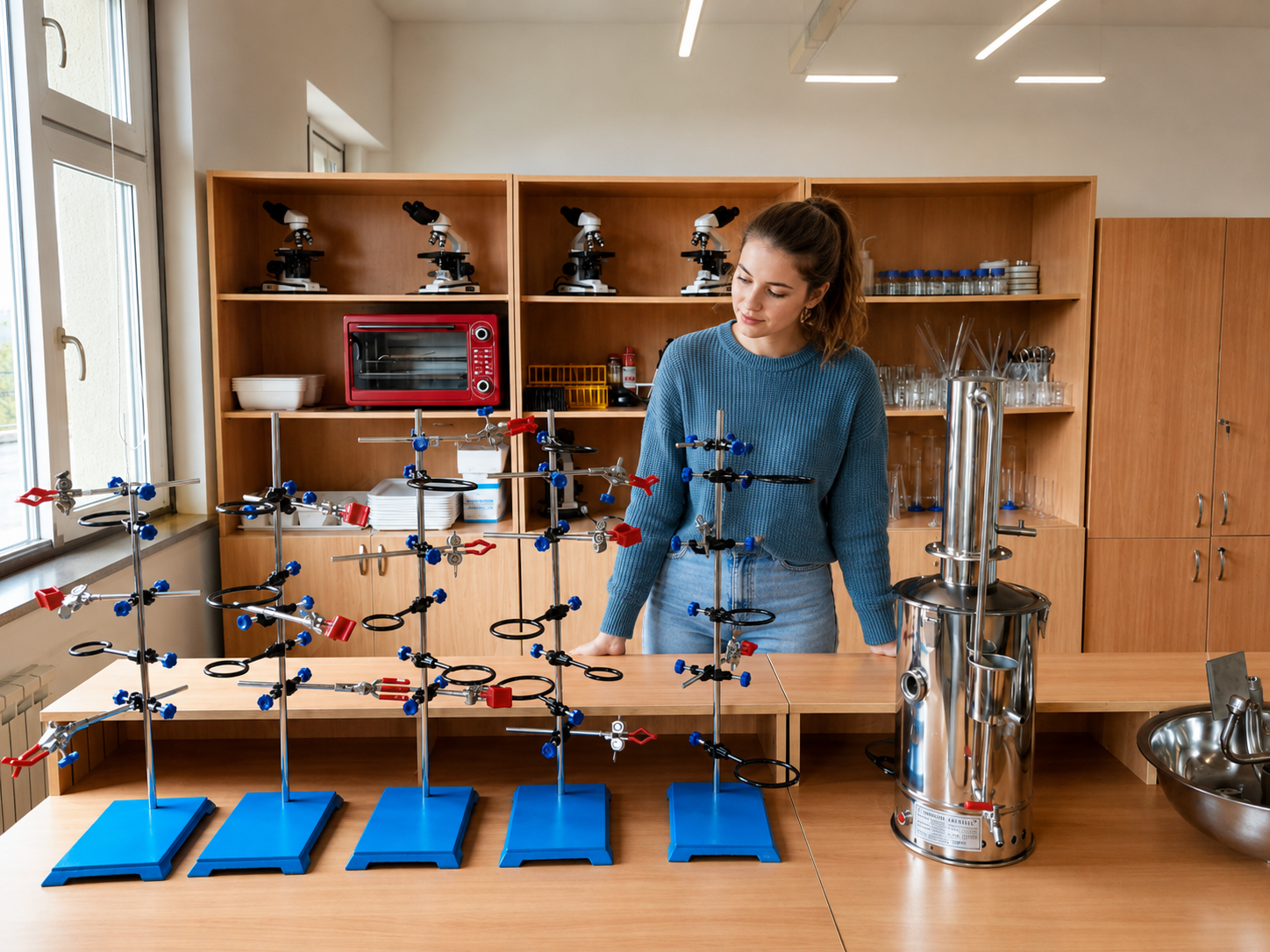
Equipping 439 schools: what a national STEM rollout actually takes
Armenia aims to equip every school with a science laboratory by the end of 2026. A look at the delivery layer of a 439-school rollout: seven laboratory configurations, 1.8 million items, 200+ localised teaching materials — and what ministries should ask suppliers.

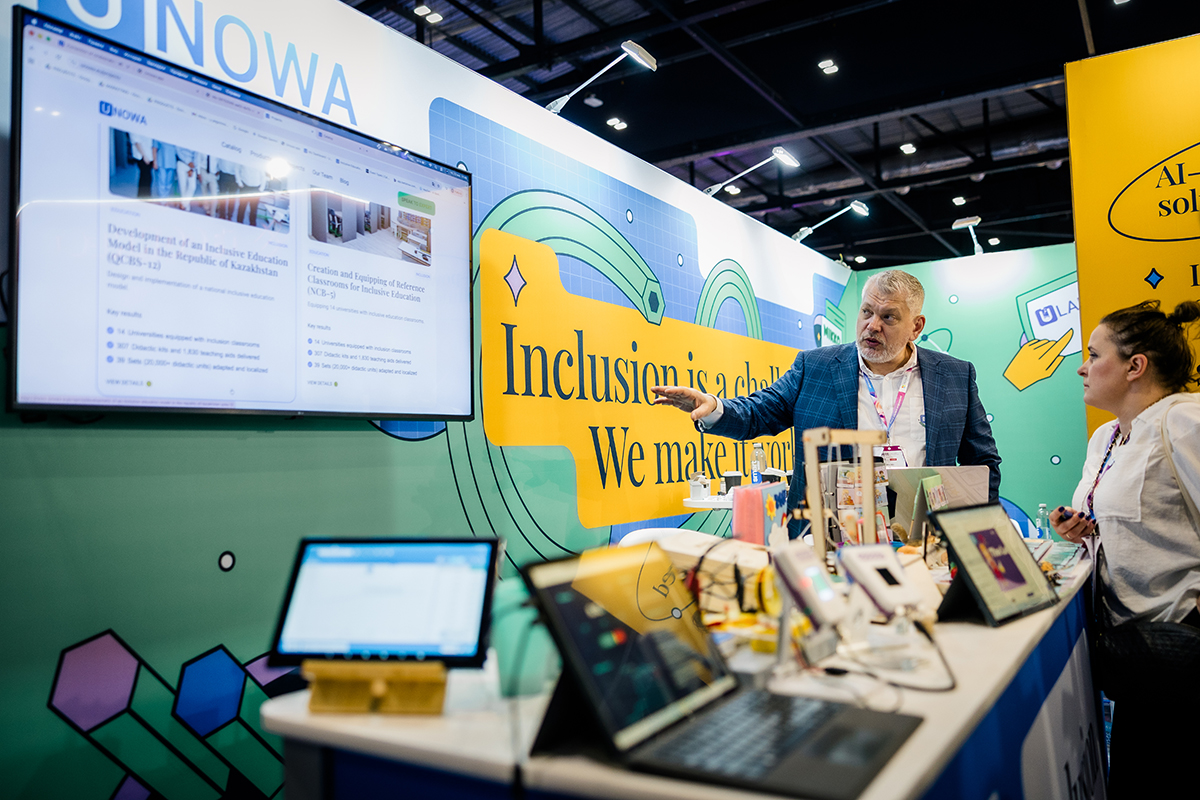
Responsible AI in Education Starts Before the Algorithm
Responsible AI in education depends on knowing what your data actually represents. A UNOWA pilot study shows why measurement validity has to come before AI interpretation.
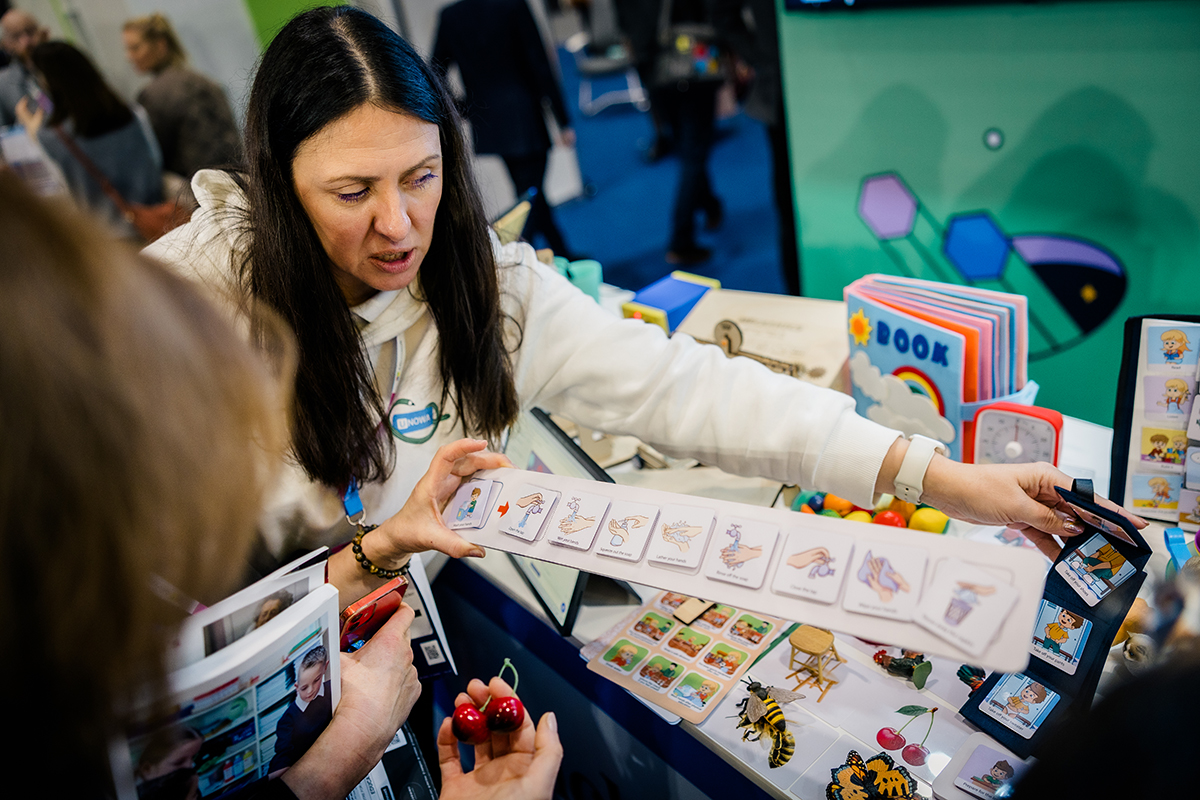
Differentiated Support in Inclusive Education: Why a Score Is Only the Start
Differentiated support in inclusive education starts where scoring ends. Here's why assessment should answer "what's getting in the way," not just "what's wrong."