
Did you know that students using project-based teaching methods score up to 10 percentage points higher on standardized tests than those in traditional classrooms? This article explores how these innovative approaches transform education, drawing from global research and our expertise at UNOWA to guide institutions toward inclusive, future-ready learning.
Understanding Project-Based Teaching Methods
Project-based teaching methods involve students tackling real-world problems through hands-on projects, fostering critical thinking and collaboration. Rooted in progressive education theories from John Dewey, these methods have evolved with modern research showing their impact on engagement and equity.
According to a study by the Buck Institute for Education, PBL (a core form of project-based teaching methods) boosts student motivation by 63% in collaborative settings Buck Institute for Education. We at UNOWA integrate these into our MIKKO inclusive education system, making learning adaptable for diverse needs.
Benefits and Key Statistics
Project-based teaching methods deliver proven advantages, backed by rigorous studies:
- Academic Gains: Randomized trials from Lucas Education Research show PBL students outperform peers by 8-10 percentage points on AP exams, with even stronger results for low-income students Lucas Education Research.
- Equity Boost: These methods close achievement gaps, increasing AP participation among disadvantaged groups by 8% Edutopia.
- Skill Development: Students build self-efficacy and real-world skills, with STEM-focused PBL improving outcomes across all achievement levels Michigan State University Study.
Our Ulabs STEM innovation tools enhance these benefits, empowering educators to create meaningful projects aligned with national curricula.
Challenges in Implementation
While powerful, project-based teaching methods face hurdles like resource constraints and assessment complexity. Research from the OECD highlights that 40% of teachers report insufficient training for PBL OECD Education.
In regions like Bulgaria and Saudi Arabia, cultural adaptations are key — our experience in over 300 national projects shows tailored training overcomes resistance, ensuring inclusive rollout.
Proven Strategies from Global Projects
Drawing from our 15+ years, here are strategies for success:
- Start Small: Begin with short projects to build confidence, as seen in Kazakhstan's reforms where PBL improved science scores by 8% World Bank Education.
- Foster Partnerships: Collaborate with local communities, like our UAE initiatives integrating tech for culturally responsive projects.
- Use Analytics: Our tools provide data-driven insights to refine methods, addressing challenges in special education centers.
These align with UNESCO guidelines for future-ready education UNESCO, positioning us as partners in transformation. Explore more at UNOWA.
UNOWA's Role in Educational Transformation
We empower institutions with curriculum-aligned content and training, making project-based teaching methods scalable. From Poland's inclusive programs to Oman's STEM innovations, our solutions drive impact — transforming learning for a better world.
FAQ
What are project-based teaching methods? These are student-centered approaches where learners solve real problems through projects, building skills beyond rote learning.
How do they benefit special education? They offer flexible adaptations, promoting inclusion — our MIKKO system supports this with accessible tools.
What evidence supports their effectiveness? Studies show 10% higher test scores and better equity Lucas Education Research.
How can institutions implement them? Start with training and partnerships; contact us at UNOWA for consultations.
Are there regional adaptations? Yes, we customize for EU, MENA, and CIS contexts, aligning with local policies.

Check out other articles
Explore the latest perspectives from our digital research team
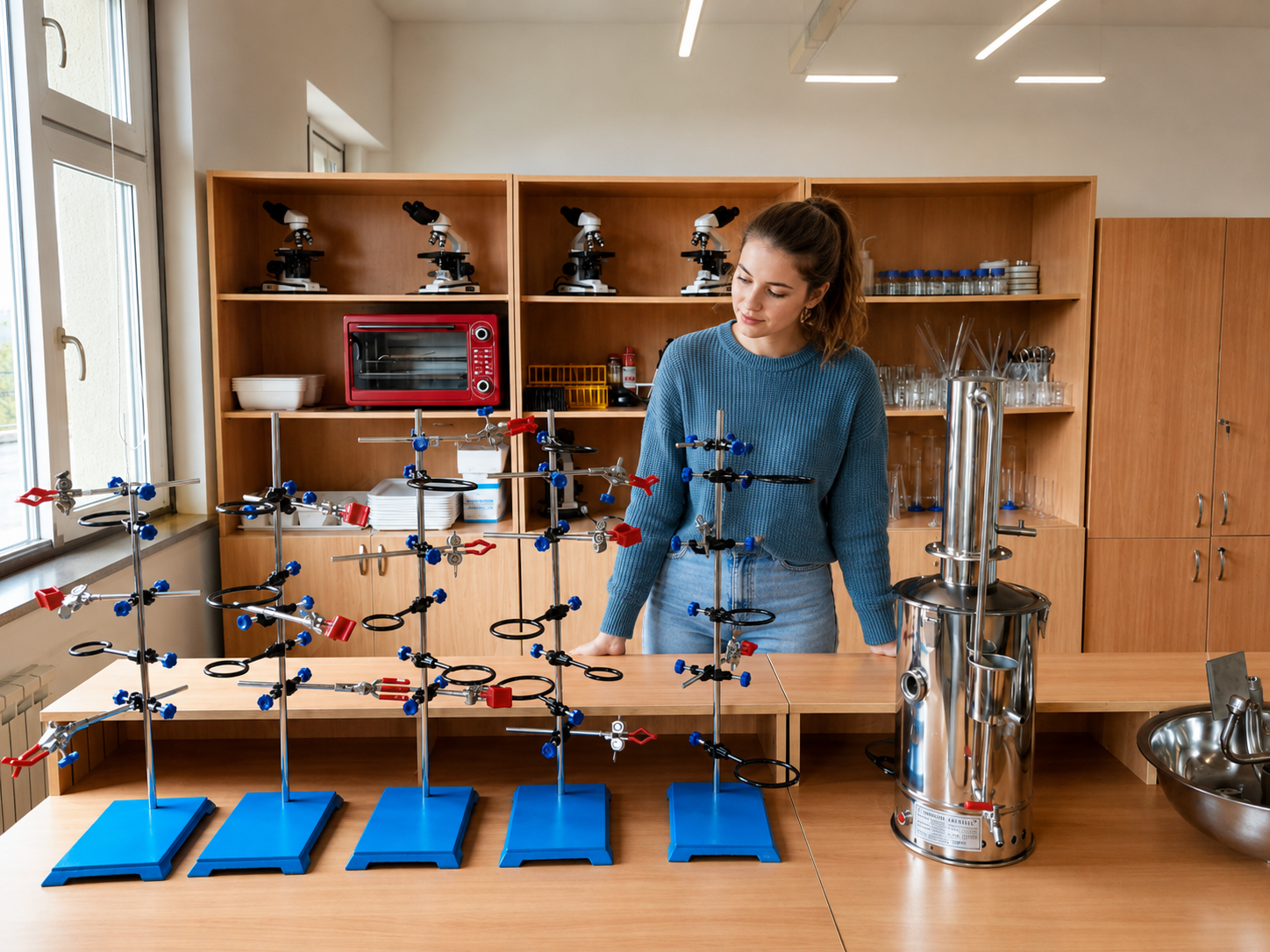
Equipping 439 schools: what a national STEM rollout actually takes
Armenia aims to equip every school with a science laboratory by the end of 2026. A look at the delivery layer of a 439-school rollout: seven laboratory configurations, 1.8 million items, 200+ localised teaching materials — and what ministries should ask suppliers.

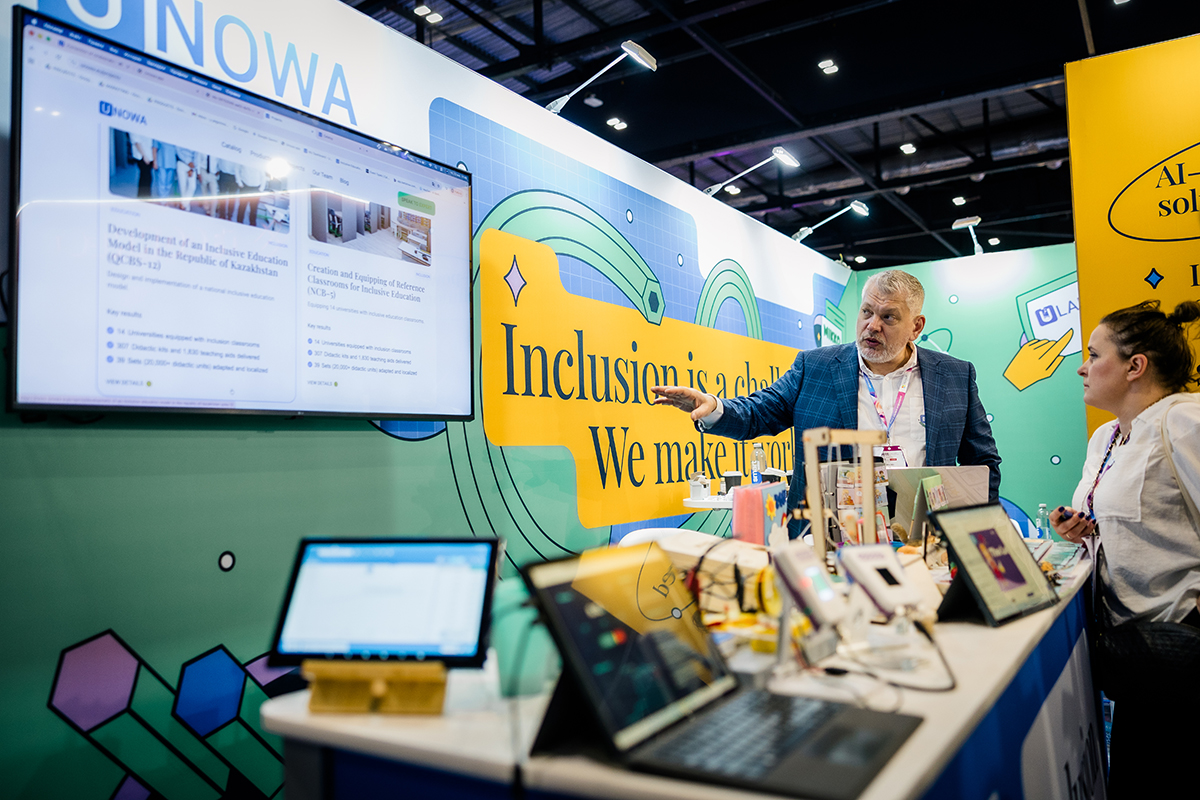
Responsible AI in Education Starts Before the Algorithm
Responsible AI in education depends on knowing what your data actually represents. A UNOWA pilot study shows why measurement validity has to come before AI interpretation.
Differentiated Support in Inclusive Education: Why a Score Is Only the Start
Differentiated support in inclusive education starts where scoring ends. Here's why assessment should answer "what's getting in the way," not just "what's wrong."