STEM education policy is at the heart of national reform agendas worldwide, shaping the future of economies and societies. At UNOWA, we are proud to support ministries of education, curriculum authorities, and educational institutions as they design and implement inclusive, locally adaptable, and future-ready STEM strategies. Here, we explore the latest facts, insights, and best practices from the EU, MENA, and CIS regions — highlighting how collaborative innovation is transforming learning for all.
The Strategic Imperative for STEM Education
Across Europe, the Middle East, and Central Asia, governments are prioritizing STEM (Science, Technology, Engineering, and Mathematics) education to address critical skills gaps, drive innovation, and prepare youth for rapidly evolving labor markets. The European Union’s STEM Education Strategic Plan, for example, sets ambitious targets for 2030, aiming to reverse declining STEM performance and increase participation — especially among underrepresented groups such as girls and women (European Commission).
Key facts:
- The EU’s plan responds to a decade-long decline in STEM performance and persistent gender imbalances in STEM fields.
- Implementation began in 2025, focusing on policy coordination, targeted investments, and skills intelligence.
- MENA and CIS countries are aligning with global best practices, investing in infrastructure, teacher training, and digital literacy.
National and Regional Approaches: Tailoring Policy to Local Needs
EU: Aligning Ambition with Local Adaptation
Countries like Bulgaria, Malta, Poland, Latvia, Lithuania, Estonia, and Serbia are aligning national strategies with the EU’s overarching objectives. This means:
- Setting national benchmarks while adapting EU guidelines to local contexts.
- Emphasizing inclusivity, gender balance, and cultural relevance.
- Integrating STEM priorities into broader economic and social policy frameworks via the European Semester (Eurydice).
“National adaptation is crucial. What works in Estonia may not work in Bulgaria or Malta. Local context, teacher empowerment, and community engagement are the keys to sustainable STEM reform.” — STEM Education Policy Advisor
MENA: Investing in Future-Ready Skills
Saudi Arabia, UAE, Qatar, and Oman are making substantial investments in STEM infrastructure and teacher professional development, often in partnership with international organizations and the private sector. National visions like Saudi Vision 2030 and UAE Centennial 2071 explicitly reference STEM as a driver of economic diversification and digital transformation (Vision 2030 Saudi Arabia, UAE Centennial 2071).
Key focus areas:
- Digital literacy and entrepreneurship.
- Gender equity and access for marginalized groups.
- Integration of STEM into national economic strategies.
CIS: Modernizing and Bridging Gaps
Kazakhstan, Uzbekistan, Armenia, Moldova, Azerbaijan, Kyrgyzstan, and Georgia are modernizing curricula, expanding access, and fostering international collaboration. There is a strong emphasis on:
- Adapting global best practices to local realities.
- Addressing rural-urban disparities.
- Integrating STEM with vocational and technical education.
Inclusive and Locally Adaptable Approaches
Equity and access are central to effective STEM education policy. Successful strategies prioritize:
- Access for girls, rural students, and marginalized groups.
- Tailoring programs to linguistic, cultural, and economic contexts.
- Shifting from rote learning to problem-solving, critical thinking, and digital competencies.
At UNOWA, we believe every child deserves access to quality education, regardless of their abilities. Our inclusive education solutions, such as MIKKO, ensure that special educational needs (SEN) are addressed within national STEM strategies.
The Power of Public-Private Partnerships
Collaboration is essential for large-scale, sustainable reform. Ministries of education increasingly partner with EdTech providers like us to:
- Deliver scalable digital learning platforms.
- Modernize curricula and align content with national standards.
- Provide teacher training and professional development.
- Facilitate data-driven decision-making and monitor reform outcomes.
With over 15 years of experience and more than 300 national projects delivered, we empower institutions to create brighter futures for all students.
“The EU STEM Education Strategic Plan is a turning point for Europe’s knowledge economy. By focusing on inclusivity and skills intelligence, we can ensure no student is left behind in the digital transition.” — EU STEM Executive Panel Member
Regulations, Policies, and Government Guidelines
- The EU’s legal framework for STEM education is outlined in its STEM Education Strategic Plan, mandating member states to set national targets, monitor progress, and report outcomes.
- Policy coordination is facilitated through the European Semester, integrating STEM into national reform agendas.
- MENA and CIS countries are developing regulatory frameworks inspired by international standards and best practices.
For more on EU policy frameworks, see the European Commission’s STEM policy page.
Recent Developments and News
- In 2025, the European Commission launched the implementation phase of the STEM Education Strategic Plan, with renewed focus on gender balance and digital skills.
- The European STEM Executive Panel is currently evaluating national progress, with results expected by the end of 2025.
- MENA and CIS countries are piloting innovative STEM programs, often in collaboration with international partners and EdTech leaders.
How We Support National STEM Education Policy
At UNOWA, we are at the forefront of developing cutting-edge educational solutions that empower ministries, schools, and educators to achieve their STEM education policy goals. Our comprehensive approach includes:
- Inclusive education systems (MIKKO) that address diverse learner needs.
- STEM innovation labs (Ulabs) for hands-on, inquiry-based learning.
- Curriculum-aligned content tailored to national standards.
- Professional training for teachers and administrators.
- Analytics and data-driven insights to monitor and optimize reform outcomes.
We work closely with national authorities, project leaders, and local partners to ensure every solution is adaptable, scalable, and impactful.
Learn more about our mission and solutions at UNOWA.
FAQ: National Strategies for STEM Education
What is a national STEM education policy? A national STEM education policy is a coordinated set of government strategies, regulations, and guidelines aimed at improving STEM learning outcomes, increasing participation, and preparing students for future careers in science, technology, engineering, and mathematics.
How do countries adapt STEM policies to local needs? Countries set national benchmarks and adapt international guidelines to reflect linguistic, cultural, and economic contexts. Local adaptation ensures reforms are effective and sustainable.
Why is inclusivity important in STEM education? Inclusivity ensures that all students — including girls, rural learners, and those with special needs — have equal access to high-quality STEM education, helping to close achievement gaps and foster innovation.
What role do private companies play in national STEM strategies? Private companies like UNOWA provide expertise in curriculum design, digital platforms, teacher training, and analytics, supporting ministries of education in implementing large-scale, effective reforms.
Where can I find more information on STEM education policy?
- European Commission: STEM Education
- Eurydice: National Education Systems
- Vision 2030 Saudi Arabia
- UAE Centennial 2071
- UNOWA
Empowering educators to create a brighter future for all students is at the core of our mission. Let’s work together to transform learning experiences for the better.

Check out other articles
Explore the latest perspectives from our digital research team
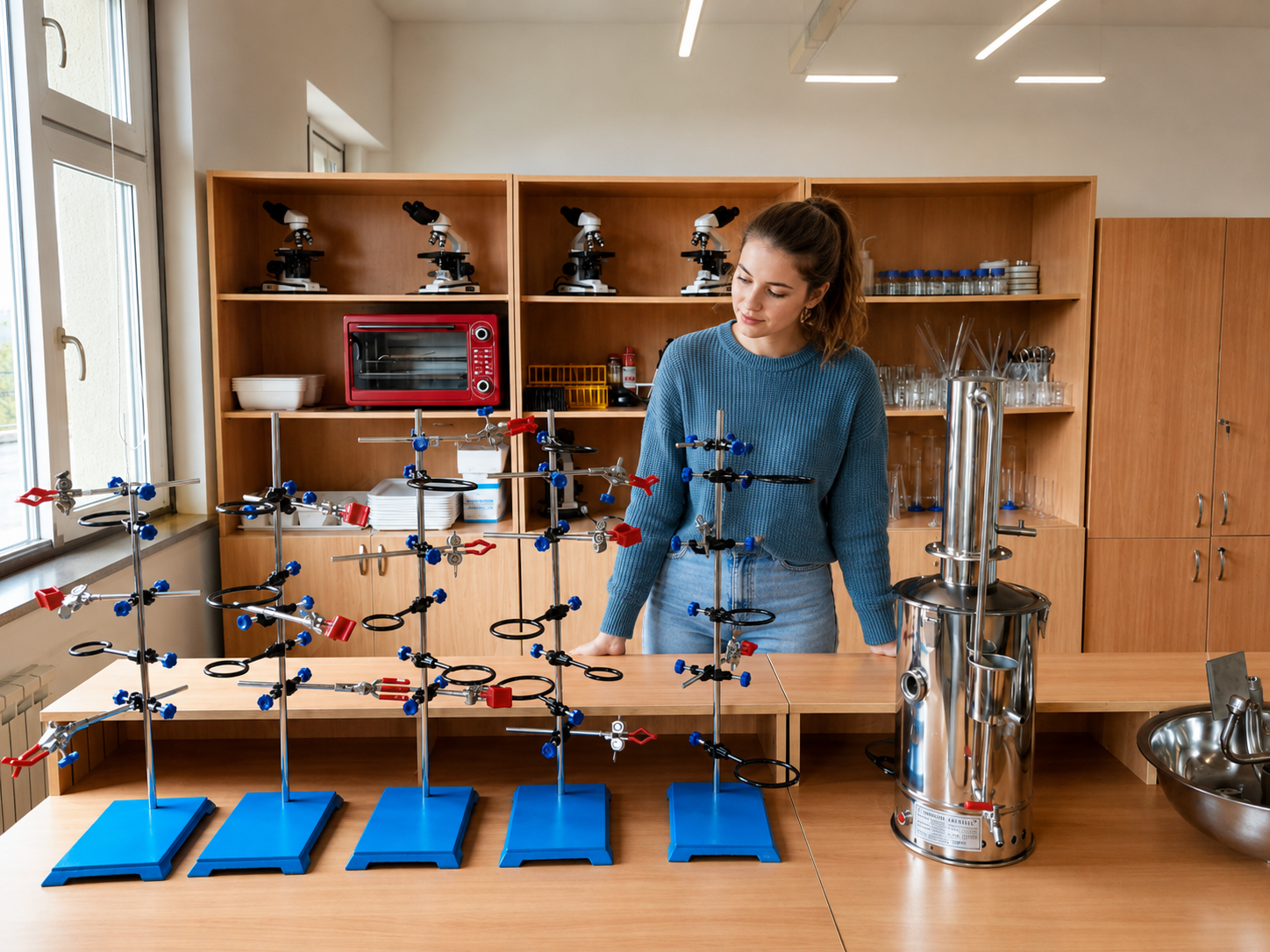
Equipping 439 schools: what a national STEM rollout actually takes
Armenia aims to equip every school with a science laboratory by the end of 2026. A look at the delivery layer of a 439-school rollout: seven laboratory configurations, 1.8 million items, 200+ localised teaching materials — and what ministries should ask suppliers.

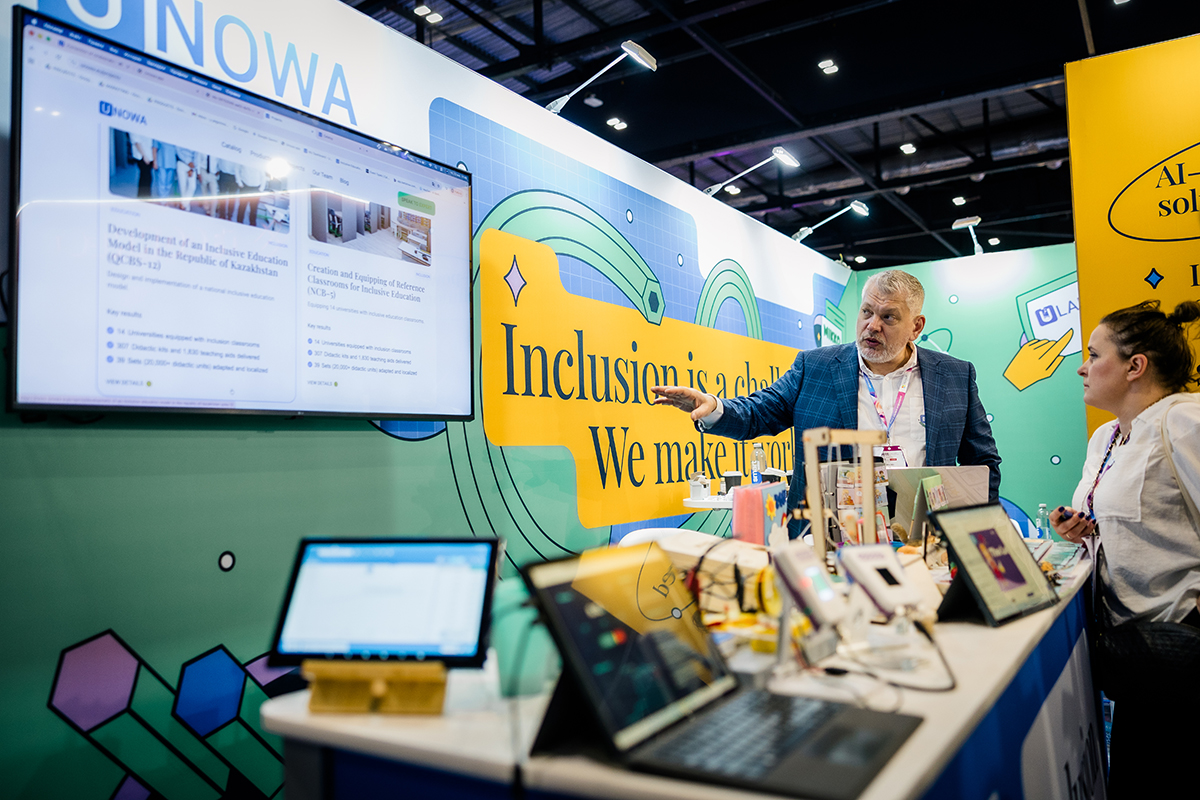
Responsible AI in Education Starts Before the Algorithm
Responsible AI in education depends on knowing what your data actually represents. A UNOWA pilot study shows why measurement validity has to come before AI interpretation.
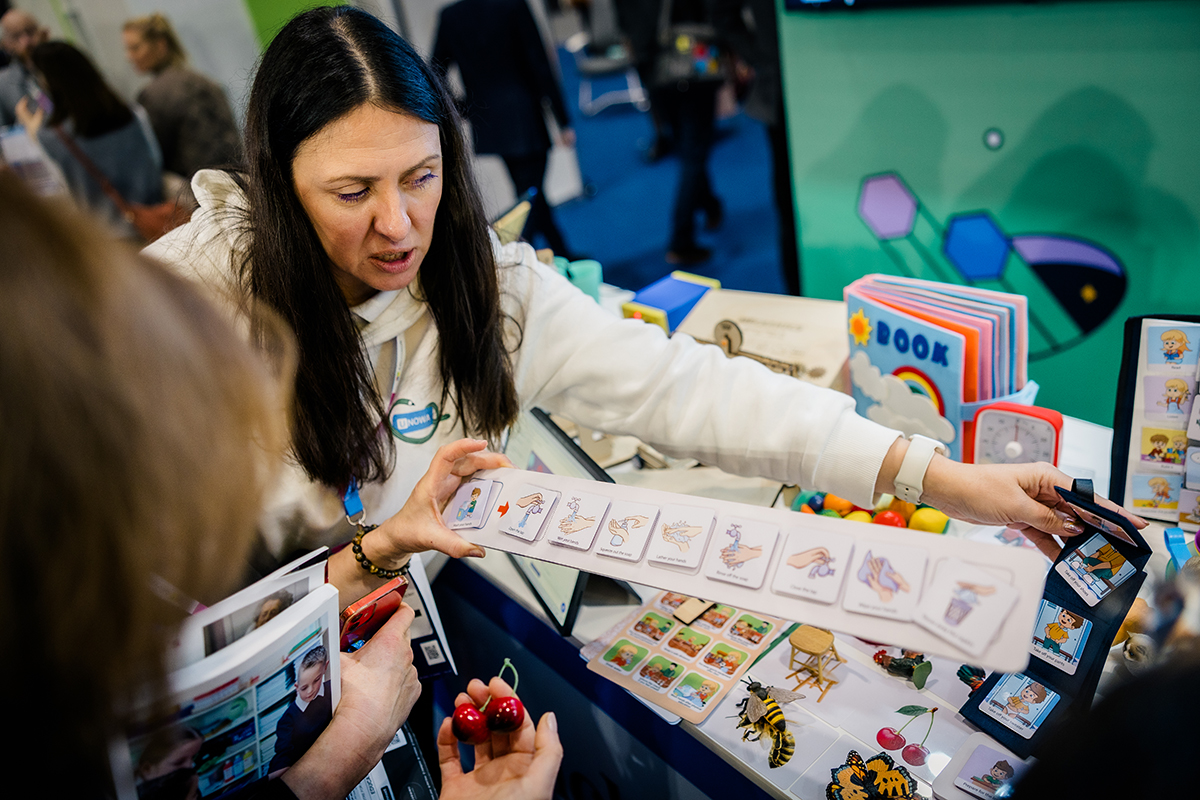
Differentiated Support in Inclusive Education: Why a Score Is Only the Start
Differentiated support in inclusive education starts where scoring ends. Here's why assessment should answer "what's getting in the way," not just "what's wrong."