Did you know that over 70% of countries in the EU, MENA, and CIS regions are actively reforming their education systems to prioritize inclusion and STEM, yet many still face equity gaps in foundational skills? This article explores key strategies for national education reform, drawing from global insights to highlight inclusive, adaptable, and future-ready approaches. We'll cover core priorities, regional examples, proven tactics, and how we at UNOWA empower transformations — positioning us as your partner in creating impactful educational systems.
Core Priorities in National Education Reform
National education reform efforts worldwide emphasize competency-based curricula, inclusive practices, and STEM innovation to prepare students for a knowledge economy. According to the OECD PISA reports, high-performing systems like Estonia integrate digital competence from early grades, boosting outcomes in math and science.
Key priorities include:
- Competency-based learning: Focusing on problem-solving, digital skills, and critical thinking.
- Inclusive education: Ensuring access for all, aligned with the UN Convention on the Rights of Persons with Disabilities (CRPD).
- STEM and digital integration: Aligning curricula with national standards for innovation.
- Teacher training and analytics: Using data to drive continuous improvement.
These align with our mission at UNOWA to deliver adaptable solutions like MIKKO for inclusive education and Ulabs for STEM.
Regional Insights: EU, MENA, and CIS
In the EU — spanning Bulgaria, Malta, Poland, Latvia, Lithuania, Estonia, and Serbia — reforms follow the EU Strategy for the Rights of Persons with Disabilities 2021–2030, shifting to mainstream inclusive settings. For instance, Malta's policies ensure nearly all students with disabilities attend regular schools with support educators, as noted in UNESCO reports.
MENA countries like Saudi Arabia, UAE, Qatar, and Oman drive reforms through visions like Saudi Vision 2030, emphasizing STEM and digital skills. The UAE's National Innovation Strategy introduces AI and coding early, with inclusive measures for "People of Determination."
In CIS nations such as Kazakhstan, Uzbekistan, Armenia, Moldova, Azerbaijan, Kyrgyzstan, and Georgia, competency-based curricula and STEM labs are expanding, per World Bank education reviews. Kazakhstan's trilingual policy and robotics programs exemplify this, addressing post-Soviet legacies.
Expert quote from UNESCO GEM Report: "Moving from segregation to inclusion requires a triple shift: in mindset, in funding formulas, and in teacher preparation."
Proven Strategies for Large-Scale Impact
Successful national education reform integrates curriculum-aligned content, training, and analytics. Research from TIMSS reports shows that pairing new curricula with multi-year teacher support yields sustained gains.
Effective tactics:
- Embed inclusion by design: Use individualized plans and accessible tools, as in EU funding models.
- Prioritize foundational skills in STEM: Address literacy gaps to close equity divides, per PISA data.
- Leverage data analytics: National platforms in the UAE and Baltic states monitor progress and inform policy.
- Foster teacher empowerment: Continuous professional development (CPD) aligned to standards, with coaching for digital pedagogy.
At UNOWA, our 15+ years of experience in over 300 national projects enable us to adapt solutions to your standards, transforming learning for institutions, educators, and students.
Challenges and Solutions in National Education Reform
Common challenges include funding inequities and data interoperability, as highlighted in UNESCO's Global Education Monitoring Report. Solutions involve modular systems that follow national guidelines, ensuring scalability.
We empower reforms by offering inclusive MIKKO tools, STEM-focused Ulabs, and analytics for evidence-based decisions — proven in diverse contexts to bridge gaps and inspire innovation.
FAQ
What is the role of inclusive education in national education reform?
Inclusive education ensures equitable access, aligning with policies like the UN CRPD, and is central to reforms in regions like the EU and MENA.
How does STEM innovation fit into national standards?
STEM integrates with competency-based curricula to build skills for Industry 4.0, as seen in UAE's AI programs and Estonia's digital reforms.
What are key teacher training strategies?
Focus on CPD, data literacy, and inclusive pedagogy, supported by frameworks like the EU's Key Competences.
How can analytics drive reform?
By providing actionable insights on student progress, aligned to national assessments like PISA, to target interventions effectively.
Why partner with UNOWA for national education reform?
With our expertise in adaptable systems, we transform education — contact us to start your journey.

Check out other articles
Explore the latest perspectives from our digital research team
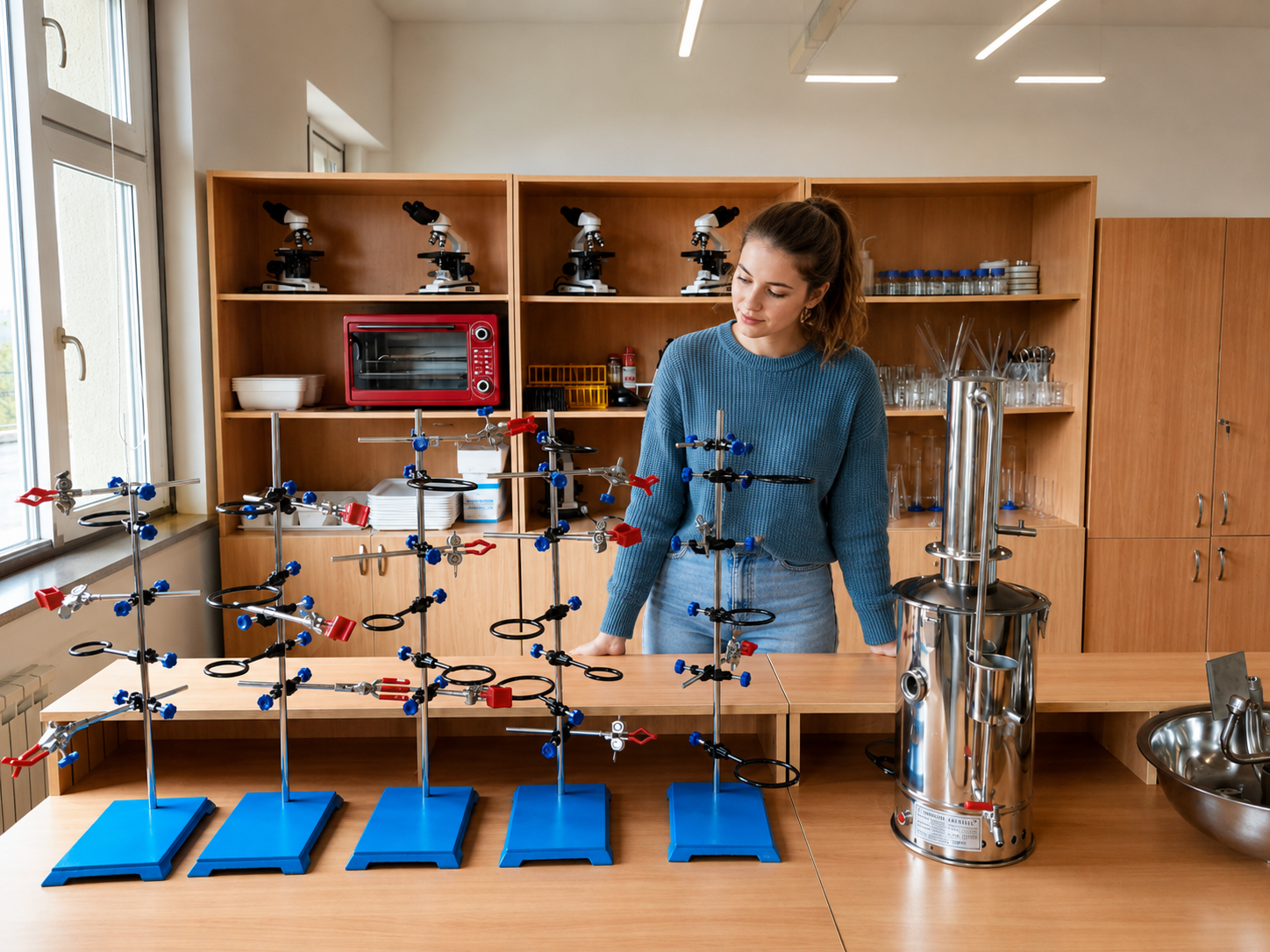
Equipping 439 schools: what a national STEM rollout actually takes
Armenia aims to equip every school with a science laboratory by the end of 2026. A look at the delivery layer of a 439-school rollout: seven laboratory configurations, 1.8 million items, 200+ localised teaching materials — and what ministries should ask suppliers.

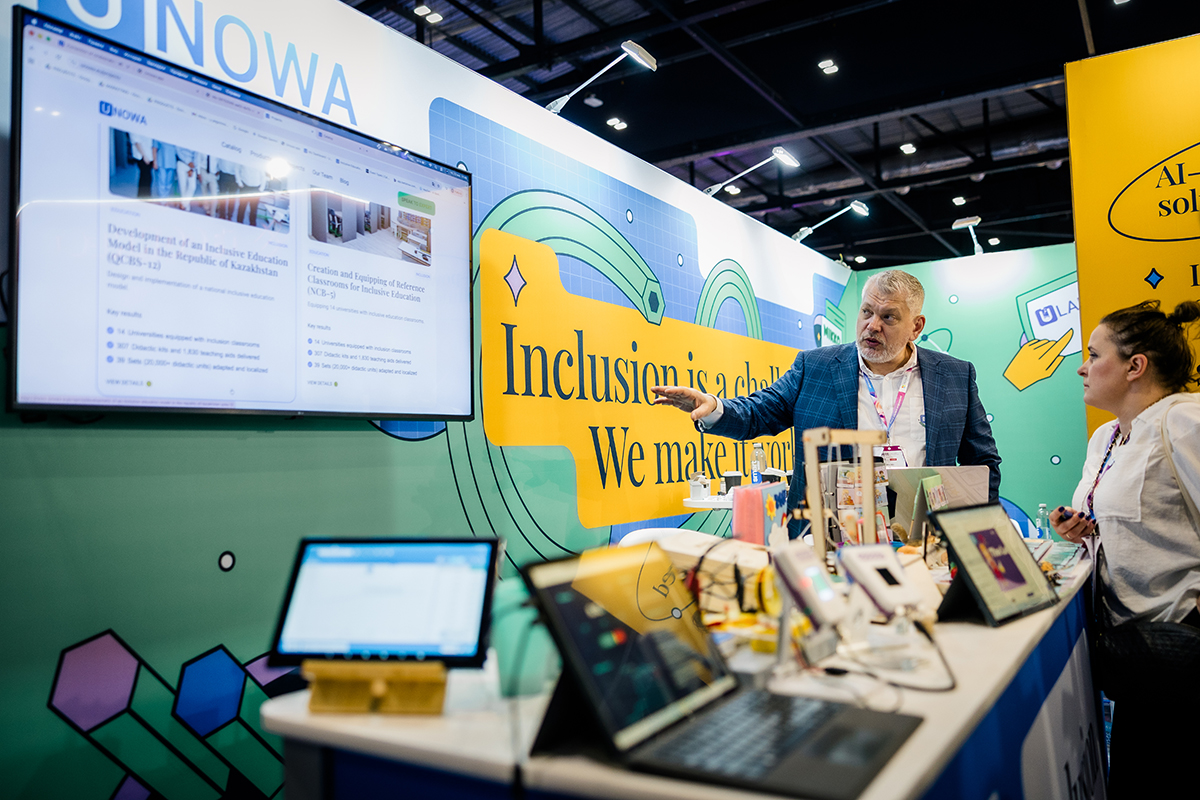
Responsible AI in Education Starts Before the Algorithm
Responsible AI in education depends on knowing what your data actually represents. A UNOWA pilot study shows why measurement validity has to come before AI interpretation.
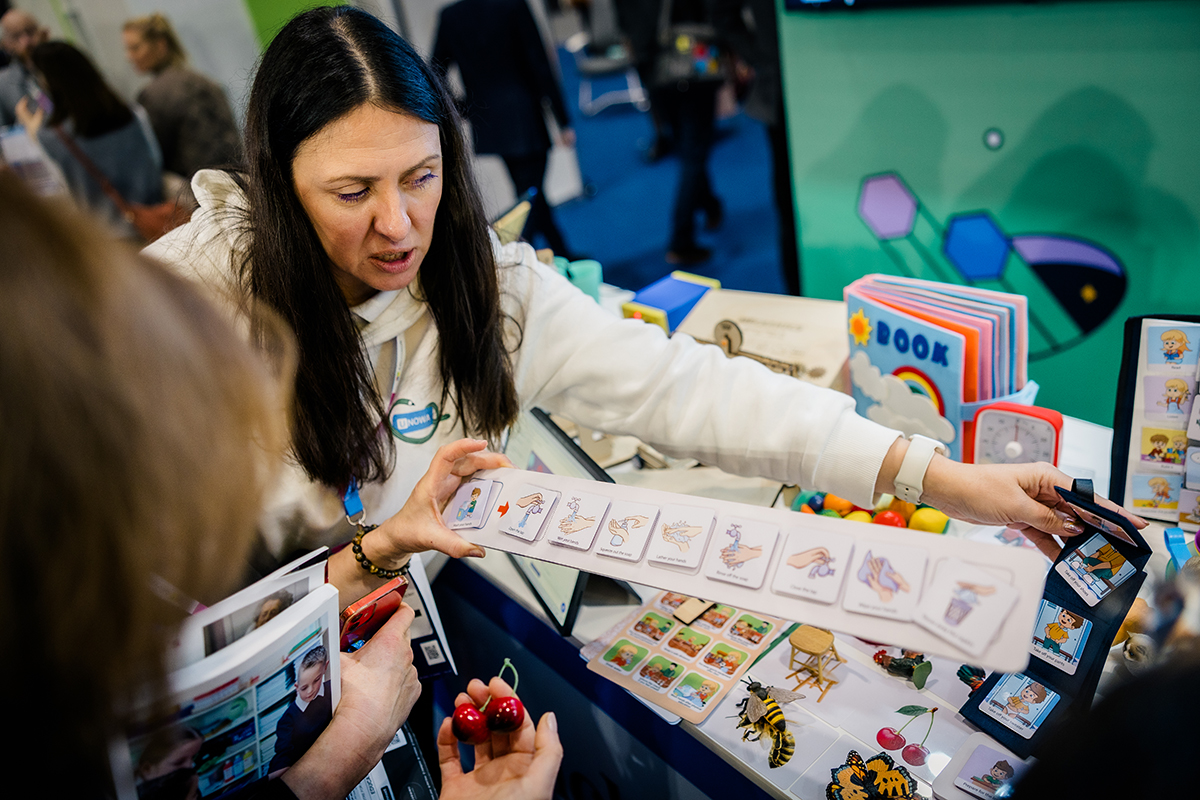
Differentiated Support in Inclusive Education: Why a Score Is Only the Start
Differentiated support in inclusive education starts where scoring ends. Here's why assessment should answer "what's getting in the way," not just "what's wrong."