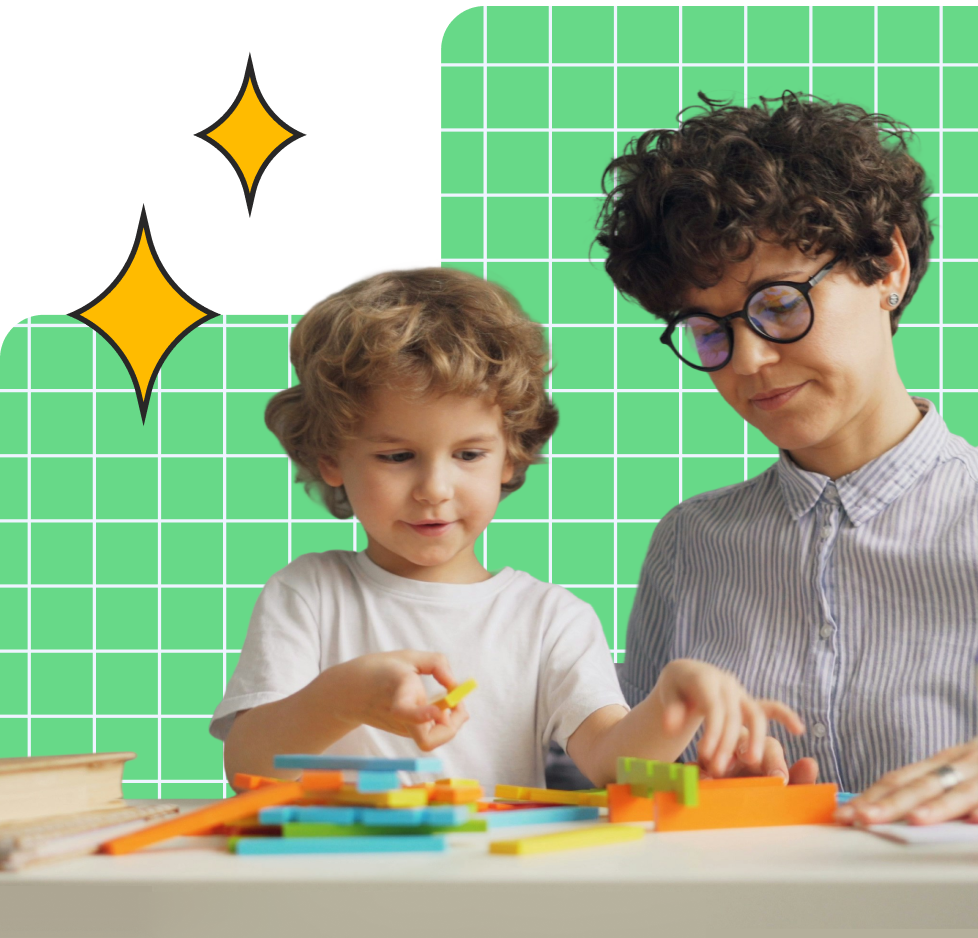
Did you know that high-performing education systems focus on fewer topics in greater depth, avoiding the "mile-wide, inch-deep" curriculum trap that hinders student mastery? This insight from global studies underscores the evolving landscape of national curriculum standards, where flexibility and alignment drive transformative learning. In this article, we explore key trends, regional insights, and strategies for adapting national curriculum standards to foster inclusive, innovative education — drawing on our expertise at UNOWA to empower institutions worldwide.
Global Trends in National Curriculum Standards
National curriculum standards are shifting from rigid content lists to flexible frameworks emphasizing competencies like problem-solving and digital skills. According to the OECD's Future of Education and Skills 2030 project, many systems now prioritize competency-based learning while granting schools autonomy in implementation (OECD).
This evolution addresses a core tension: balancing central equity with local relevance. Successful reforms define clear learning progressions centrally but allow adaptation in pedagogy and content. For instance, evidence from TIMSS studies shows that countries like Japan achieve better outcomes by focusing on depth over breadth in STEM subjects (TIMSS).
At UNOWA, we support this by providing curriculum-aligned content that maps precisely to national curriculum standards, ensuring coherence without stifling innovation. Our solutions, including MIKKO for inclusive education and Ulabs for STEM, adapt seamlessly to these trends.
Inclusive Education Within National Curriculum Standards
Inclusion is now a cornerstone of national curriculum standards, with policies mandating universal design for learning (UDL) and differentiated instruction. Yet, gaps persist: OECD evaluations highlight insufficient teacher preparation and fragmented support services as major barriers (OECD).
In regions like the EU and MENA, legal commitments align with the UN Convention on the Rights of Persons with Disabilities, emphasizing access for all learners. We believe every child deserves quality education, regardless of abilities — our MIKKO system embeds multi-tiered supports directly into lessons, aligned to national curriculum standards.
Expert insight: "Inclusive education is the core design problem of modern curriculum," notes a paraphrased view from OECD research, stressing diversified pathways alongside clear standards.
STEM Innovation and National Curriculum Standards
National curriculum standards increasingly integrate early STEM, computational thinking, and inquiry-based projects. TIMSS data reveals that high-achievers emphasize applied problem-solving over rote learning, with systems introducing coding in primary grades (TIMSS).
We empower this through Ulabs, offering coherent STEM progressions mapped to national curriculum standards. Our tools use AI analytics to identify conceptual gaps, delivering targeted resources while maintaining alignment.
Regional Insights on Adapting National Curriculum Standards
EU Countries
In Bulgaria, Malta, Poland, Latvia, Lithuania, Estonia, and Serbia, national curriculum standards align with European Key Competences, prioritizing digital and inclusive agendas. Estonia's high PISA performance exemplifies how autonomy within standards boosts outcomes (PISA).
We partner with institutions here to decompress overloaded curricula, providing turn-key packages that enhance teacher support.
MENA Region
Saudi Arabia, UAE, Qatar, and Oman drive reforms via visions like Saudi Vision 2030, blending national curriculum standards with international models and EdTech. Bilingual content and system-level analytics are key demands.
Our adaptable solutions respect cultural values while delivering global rigor, transforming learning experiences.
CIS Nations
Kazakhstan, Uzbekistan, Armenia, Moldova, Azerbaijan, Kyrgyzstan, and Georgia transition to competency-based national curriculum standards, navigating multilingual contexts. PISA participation guides revisions, focusing on critical thinking.
We offer offline-capable tools and capacity-building to bridge intended and implemented curricula.
Challenges and Strategies for Implementation
Common challenges include curriculum overload and misaligned assessments. Proven strategies from global reforms involve co-design, phased pilots, and integrated ecosystems (UNESCO).
- Co-design with stakeholders for ownership.
- Phased rollout with feedback loops.
- Integrated platforms for curriculum, assessment, and PD.
At UNOWA, with over 15 years of experience in 300+ national projects, we turn these strategies into action, empowering educators to master national curriculum standards.
For more on our innovative solutions, visit UNOWA.
FAQ
What are national curriculum standards? They are frameworks setting learning goals, increasingly focused on competencies and flexibility.
How do national curriculum standards support inclusion? By embedding UDL and supports, ensuring equitable access aligned to policies like the UN Convention.
Why adapt STEM to national curriculum standards? To promote depth and real-world skills, as seen in high-performing systems per TIMSS.
How can UNOWA help with national curriculum standards? We provide aligned content, training, and analytics — contact us at UNOWA for a consultation.
What global resources inform national curriculum standards? Sources like OECD and TIMSS offer benchmarks for effective reforms.

Check out other articles
Explore the latest perspectives from our digital research team

Equipping 439 schools: what a national STEM rollout actually takes
Armenia aims to equip every school with a science laboratory by the end of 2026. A look at the delivery layer of a 439-school rollout: seven laboratory configurations, 1.8 million items, 200+ localised teaching materials — and what ministries should ask suppliers.

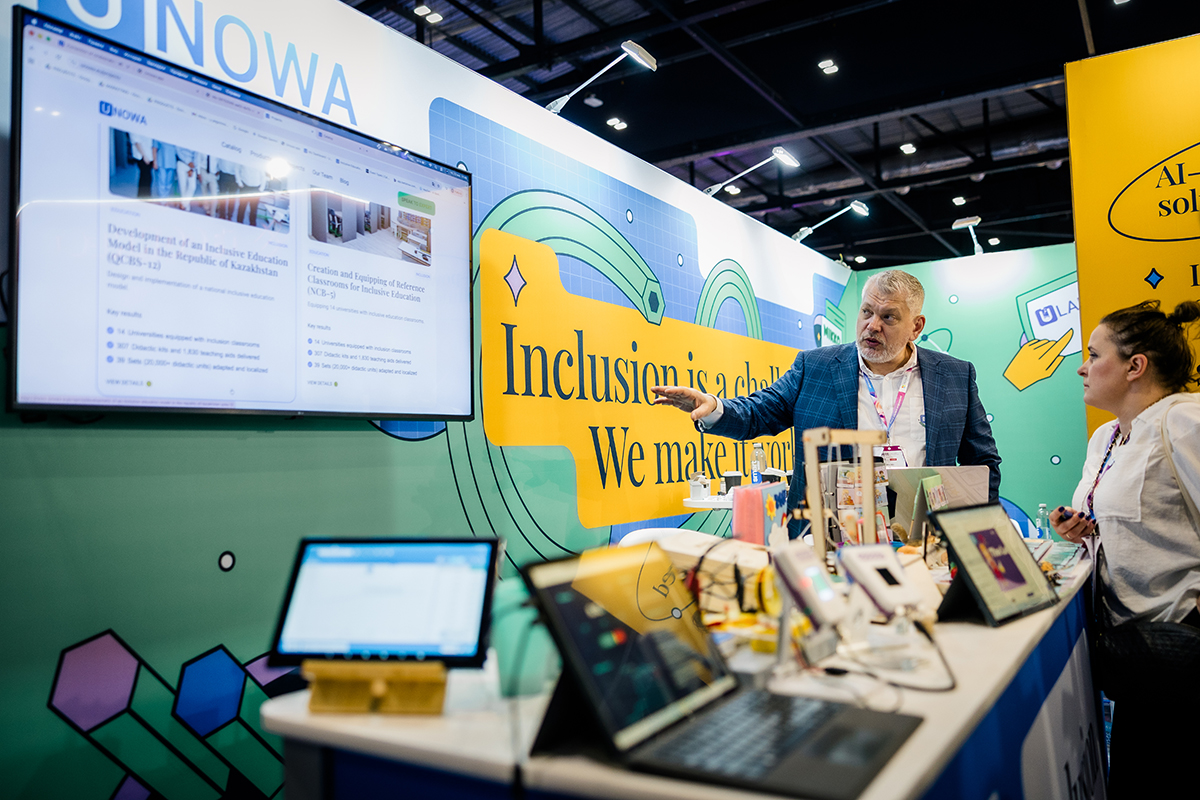
Responsible AI in Education Starts Before the Algorithm
Responsible AI in education depends on knowing what your data actually represents. A UNOWA pilot study shows why measurement validity has to come before AI interpretation.
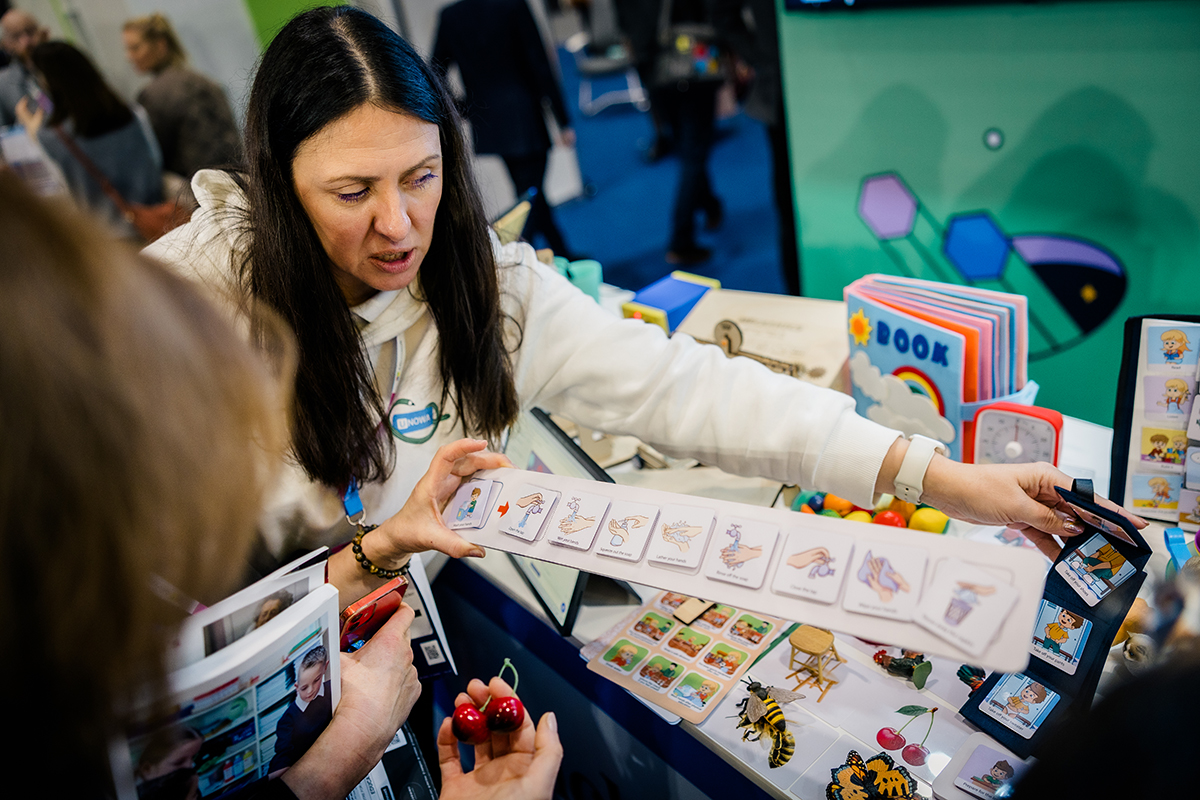
Differentiated Support in Inclusive Education: Why a Score Is Only the Start
Differentiated support in inclusive education starts where scoring ends. Here's why assessment should answer "what's getting in the way," not just "what's wrong."