Did you know that 40% of the global population lacks access to education in a language they fully understand, rising to 90% in many low- and middle-income countries? This stark reality underscores the urgent need for effective multilingual education content to foster inclusive, equitable learning. In this article, we explore the benefits, challenges, and strategies for implementing multilingual education content, drawing on global insights and our expertise at UNOWA to empower institutions in creating future-ready educational systems.
The Power of Multilingual Education Content
At UNOWA, we believe multilingual education content is key to unlocking potential in diverse linguistic landscapes. By providing materials that support mother-tongue foundations while integrating additional languages, we enable deeper comprehension and cultural relevance.
- Academic Boost: Students taught in familiar languages show 30% higher reading comprehension by primary school's end, per UNESCO data UNESCO Languages in Education.
- STEM Innovation: Our Ulabs solutions adapt multilingual education content for STEM, ensuring abstract concepts are grasped in home languages before bridging to global ones like English.
- Inclusivity Gains: This approach supports special education needs (SEN), aligning with inclusive models like our MIKKO system for equitable access.
Backed by over 15 years of experience, we've delivered projects that transform learning through adaptable, curriculum-aligned multilingual education content.
Global Challenges in Multilingual Education Content
Implementing multilingual education content isn't without hurdles, but understanding them paves the way for solutions.
- Resource Scarcity: There's a shortage of STEM materials in minority languages, with only 351 of 7,000 global languages used in instruction UNESCO Report.
- Teacher Training Gaps: Many educators lack bilingual pedagogy skills, complicating transitions in diverse classrooms.
- Policy-Practice Disconnect: While policies endorse multilingualism, funding for assessments and materials often lags.
In regions like the EU and MENA, political pressures for dominant languages can undermine home-language foundations, as seen in recent reforms World Bank Education Insights.
Proven Strategies for Effective Multilingual Education Content
We empower partners with innovative strategies to overcome these challenges, drawing from global best practices.
- Mother-Tongue First: Ensure 6-8 years of home-language instruction for strong literacy, then add languages progressively UNESCO Guidelines.
- Digital Integration: Leverage AI tools for adaptive multilingual education content, projected to fuel a $100 billion market by mid-2020s.
- Inclusive Alignment: Adapt content to national standards, incorporating sign languages and accessible formats for SEN learners.
- Community Engagement: Involve families to build support, framing multilingualism as an asset for social cohesion.
Our comprehensive solutions, including training and analytics, make these strategies scalable for large-impact projects. Explore more at UNOWA.
Regional Insights: Adapting Multilingual Education Content
Tailoring multilingual education content to local contexts is crucial for success in our target geographies.
- EU Focus: In Latvia and Estonia, balancing state and minority languages like Russian enhances inclusion; Malta's bilingual model exemplifies natural code-switching for STEM European Commission Education.
- MENA Innovations: UAE and Saudi Arabia prioritize Arabic-English bilingualism in public systems, boosting global competitiveness while preserving cultural identity.
- CIS Strategies: Kazakhstan's trilingual approach (national language, Russian, English) supports STEM transitions, with careful sequencing to avoid subtractive bilingualism OECD Education Reviews.
These examples highlight how we adapt our offerings for regional needs, positioning us as partners in educational transformation.
FAQ
What is multilingual education content? It refers to educational materials designed for instruction in multiple languages, supporting mother-tongue learning while integrating additional languages for inclusive, effective education.
Why is multilingual education content important for STEM? It ensures conceptual understanding in familiar languages, improving outcomes in science and math, with 15% higher learning rates in bilingual pilots like Mozambique's UNESCO Case Studies.
How does UNOWA support multilingual education content? We provide adaptable systems like MIKKO and Ulabs, aligned to national standards, with training and analytics for institutions. Visit UNOWA for consultations.
What are common challenges in implementing multilingual education content? Key issues include limited materials, teacher capacity, and assessment alignment, but strategies like digital tools and policy mapping can address them effectively.
How can institutions get started with multilingual education content? Begin with sociolinguistic surveys and partner with experts like us for customized, innovative solutions that empower educators and students.

Check out other articles
Explore the latest perspectives from our digital research team

Equipping 439 schools: what a national STEM rollout actually takes
Armenia aims to equip every school with a science laboratory by the end of 2026. A look at the delivery layer of a 439-school rollout: seven laboratory configurations, 1.8 million items, 200+ localised teaching materials — and what ministries should ask suppliers.

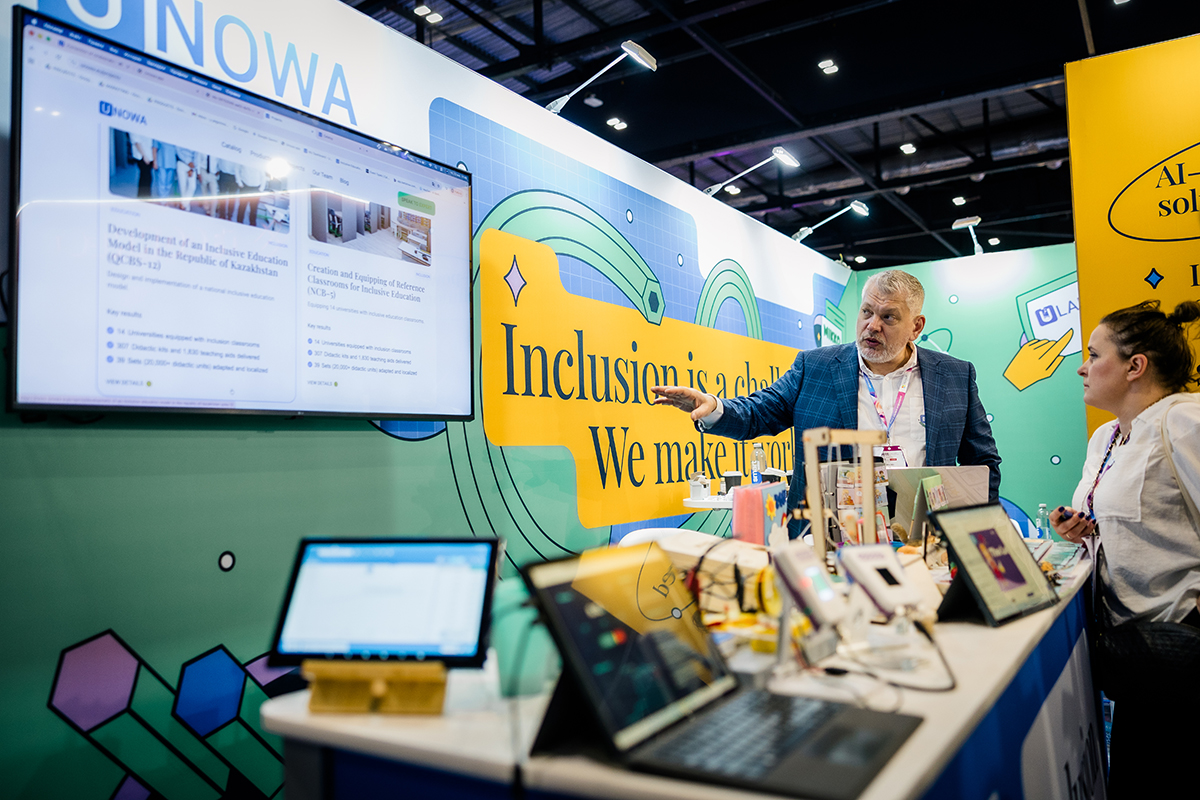
Responsible AI in Education Starts Before the Algorithm
Responsible AI in education depends on knowing what your data actually represents. A UNOWA pilot study shows why measurement validity has to come before AI interpretation.
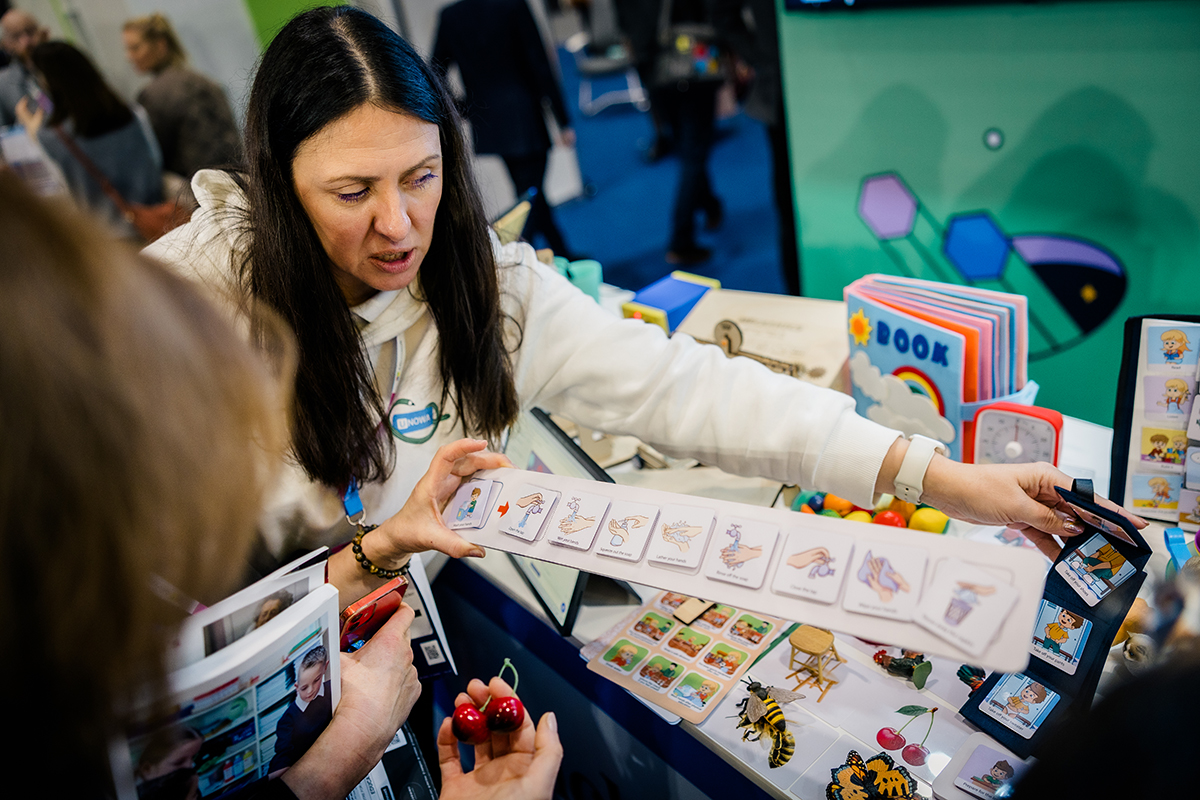
Differentiated Support in Inclusive Education: Why a Score Is Only the Start
Differentiated support in inclusive education starts where scoring ends. Here's why assessment should answer "what's getting in the way," not just "what's wrong."