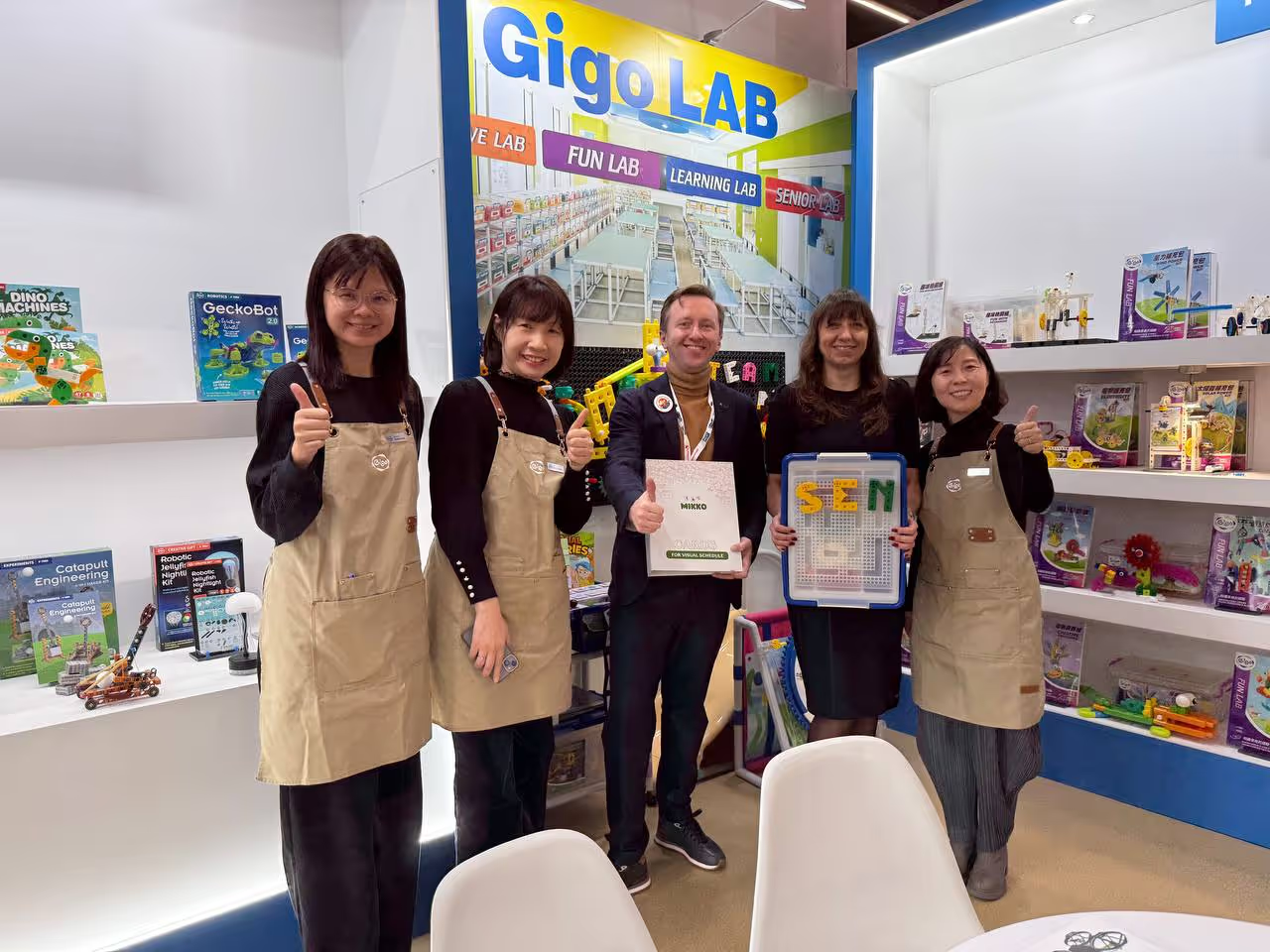

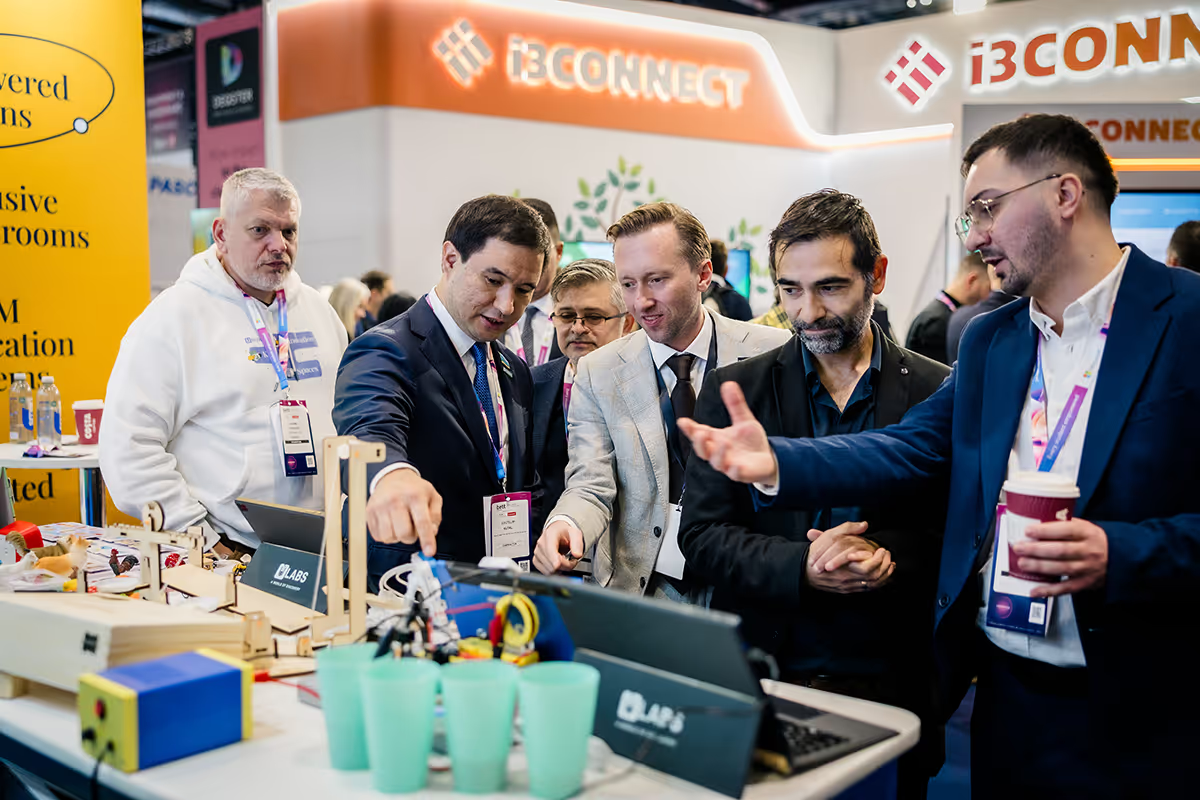
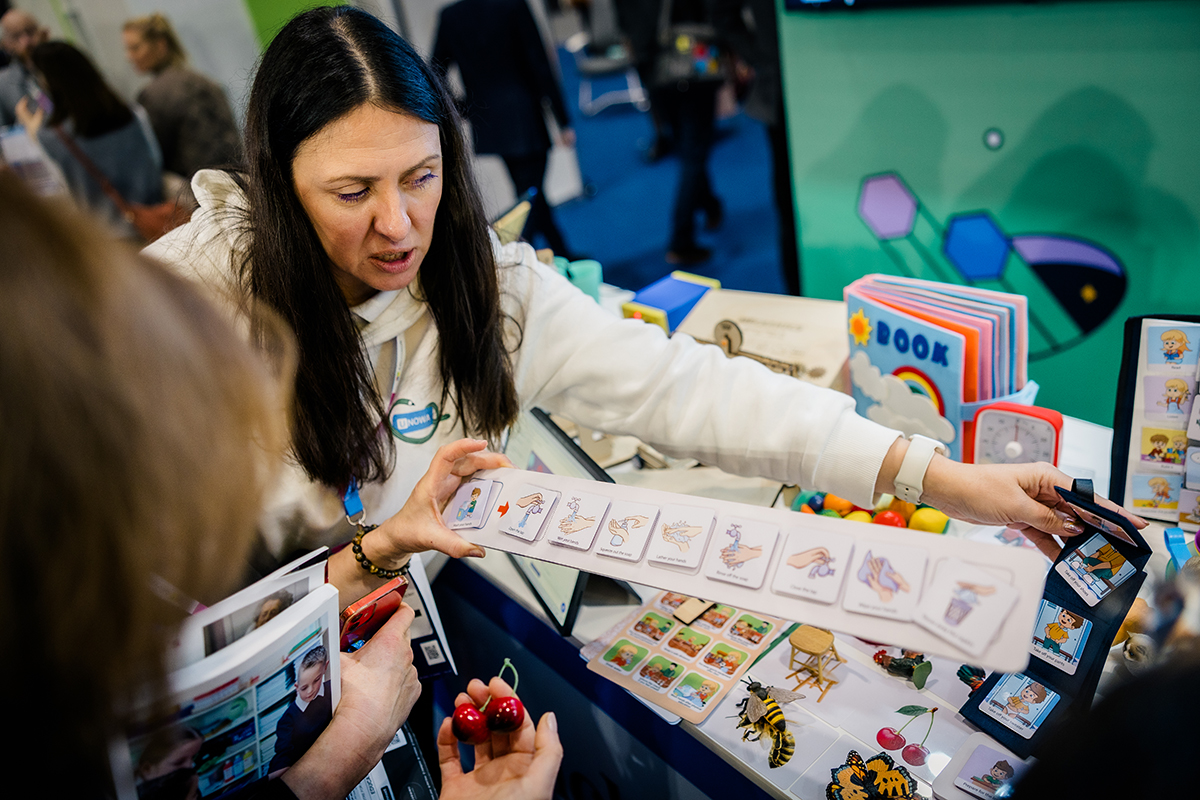
At Spielwarenmesse in Nuremberg, one of the world’s largest fairs for educational products and toys, a new partnership in inclusive education began to take shape.
During the event, the team of UNOWA met with representatives of GIGO, an international developer of educational construction systems. What started as a conversation about technologies quickly turned into a shared vision: combining expertise to create new learning opportunities for children with special educational needs.
Educational Technologies Meet Inclusive Methodology
According to Arina Ivanicheva from GIGO Toys, the first meeting with Mykhailo Kalitkin, co-founder of the MIKKOTM solution, revealed strong synergy between the two approaches.
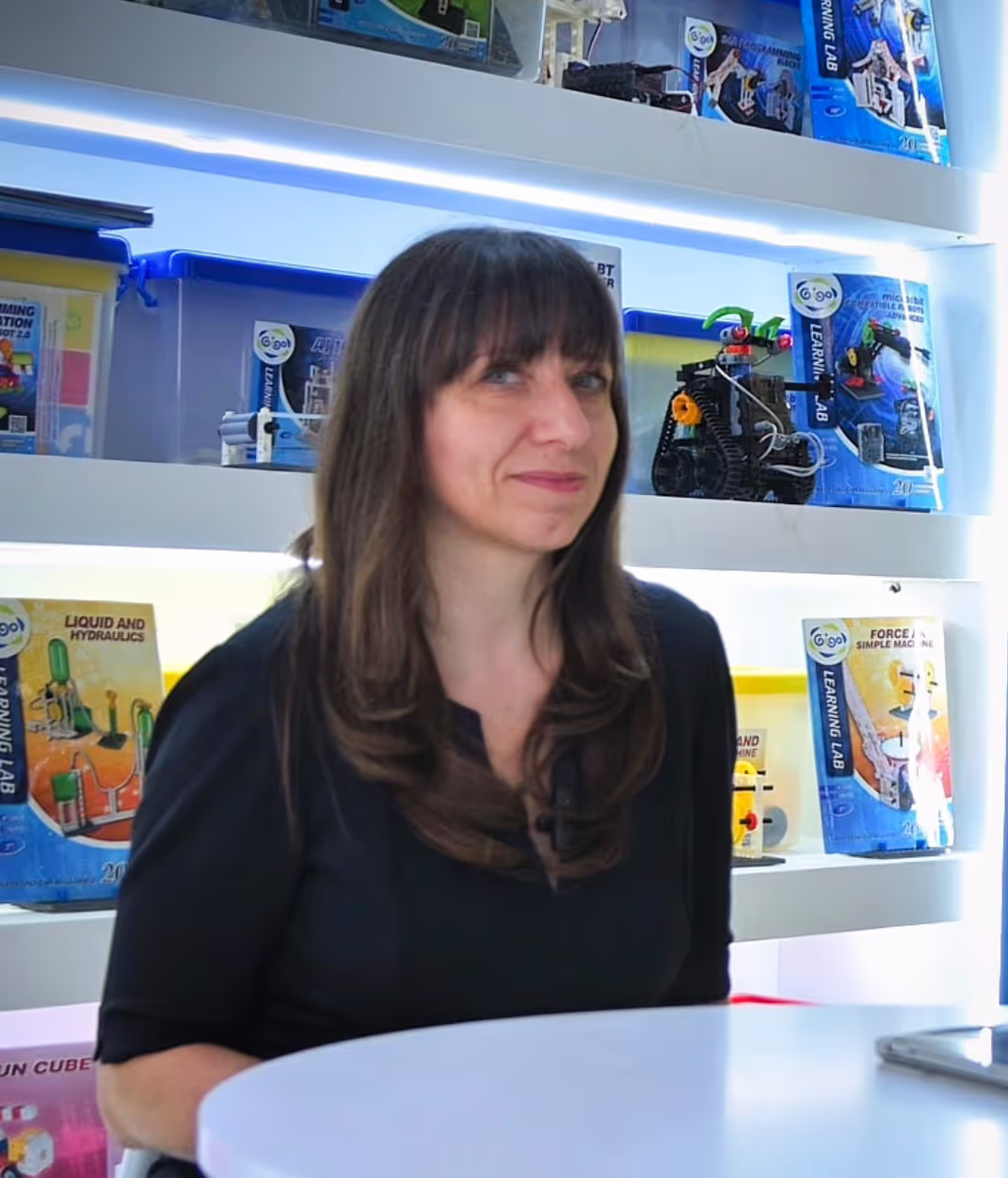
GIGO brings more than 50 years of experience in developing educational construction and STEM learning systems. At the same time, UNOWA has spent years developing MIKKOTM — a comprehensive solution for inclusive education based on the “6 Domains of Development” methodology.
The MIKKO ecosystem combines diagnostic tools, teaching materials, didactic kits, and AI-based technologies that help educators create individualized learning paths for children with special educational needs. The system allows teachers and specialists to assess development across six key areas — cognitive, speech, social, sensory, daily living, and physical skills — and then design a personalized educational trajectory for each child.
For Arina, this complexity was one of the most impressive aspects of the solution.
“I realized that MIKKOTM is not just a product. It is a learning technology and a diagnostic system that can build an individual learning path for every child.”
Building a Joint Solution: MIKKO × GIGO
The collaboration between the two companies is focused on integrating GIGO educational construction sets into the MIKKO methodology.
The first stage of the partnership involves analyzing how existing technologies from both sides can complement each other. After identifying the most relevant tools, GIGO will prepare sample sets that will be tested by UNOWA’s methodologists and educators.
Based on these tests, the team will develop teaching scenarios, methodological materials, and AI-supported learning pathways that integrate the new tools into the MIKKO ecosystem.
The first product concept emerging from this cooperation is expected to focus on mathematics and logical thinking, using construction-based learning as an engaging and accessible method for children with diverse learning needs.
A Global Need for Inclusive Learning Solutions
Feedback collected during the exhibition confirmed that inclusive education is becoming a global priority.
Interest in the joint concept came not only from European educators but also from visitors representing countries such as Brazil, Chile, and other regions where schools are actively looking for practical tools to support students with special educational needs.
Inclusive education is not only a social responsibility but also a long-term investment for societies. When children with special needs receive the right educational support, they are more likely to integrate into the workforce and participate fully in economic life.
For governments, this means stronger social inclusion, reduced long-term support costs, and increased economic participation.
Supporting Both Schools and Families
One of the most powerful aspects of the MIKKOTM approach is that it works on two levels simultaneously.
On one level, it provides structured tools for schools, educators, and national education systems.
On another level, it empowers parents by giving them access to simple screening tools and development guidance. Even without specialized training, families can assess a child’s development and receive clear recommendations on which skills need additional support.
This dual approach helps build stronger communities around inclusive education.
The Next Step: From Concept to Product
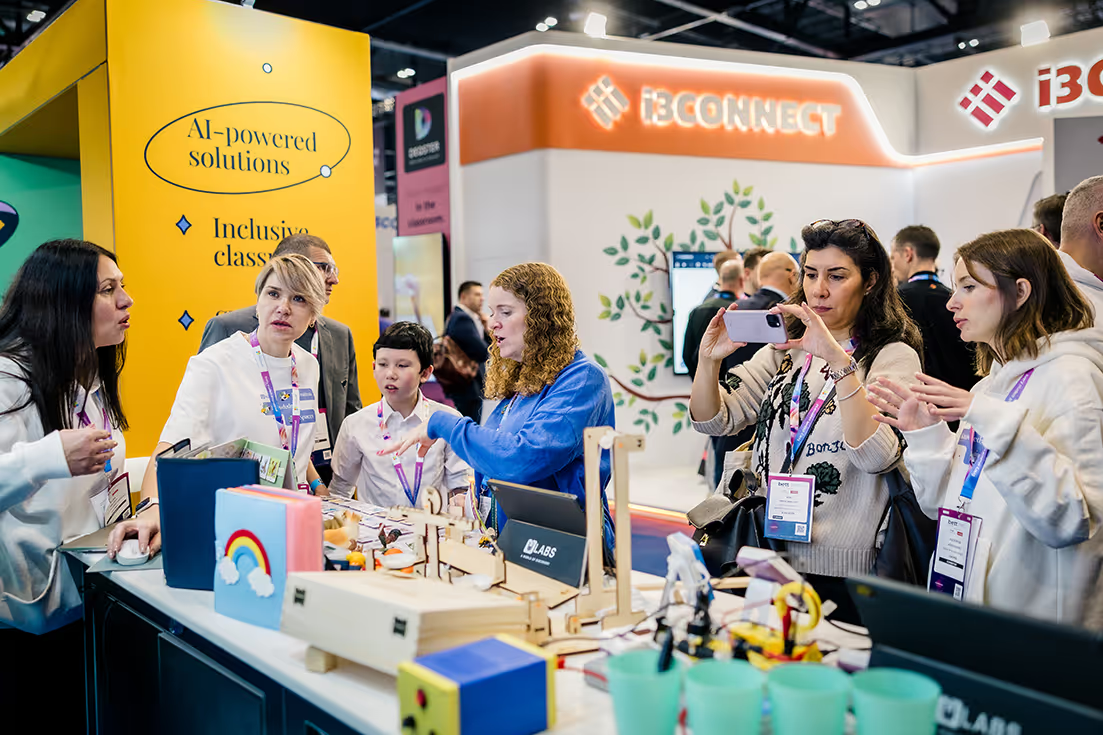
The idea of the joint solution was first discussed during preparations for the BETT education technology fair in London and quickly evolved into a pilot concept presented in Nuremberg.
Now the next stage is beginning.
UNOWA and GIGO are preparing to formalize their partnership agreement and develop a roadmap for 2026. The goal is to transform the concept into a fully developed product that integrates construction-based learning with the MIKKO methodology.
If successful, the collaboration could open new pathways for combining STEM learning, creativity, and inclusive education, giving children with special needs new tools to explore the world and participate fully in society.
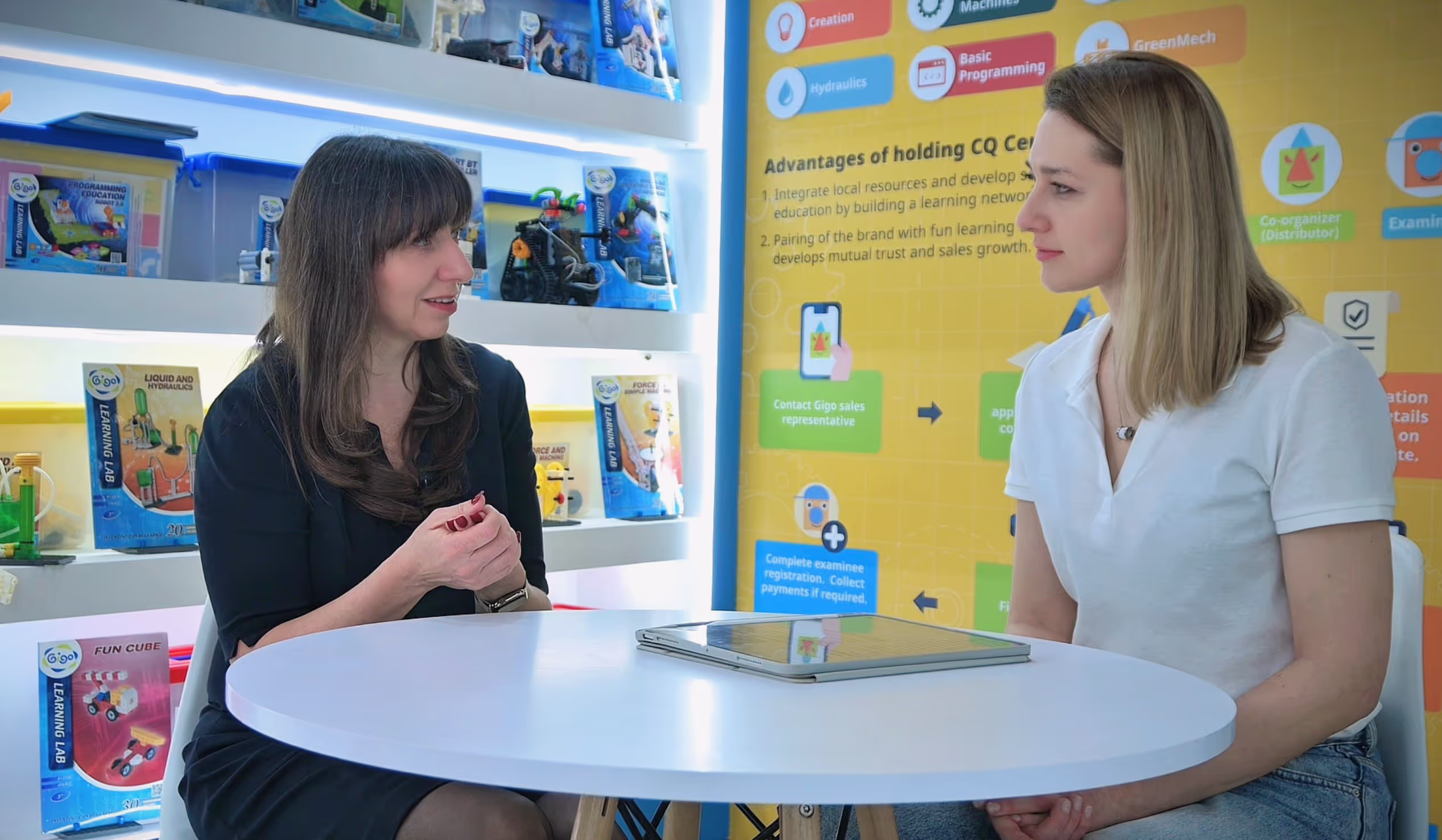
During Spielwarenmesse, we also recorded a short interview with Arina from GIGO, where we discussed the idea behind the collaboration, the growing global demand for inclusive education solutions, and the potential of combining STEM construction learning with the MIKKO methodology.
🎥 You can watch the full interview here.

Check out other articles
Explore the latest perspectives from our digital research team
Equipping 439 schools: what a national STEM rollout actually takes
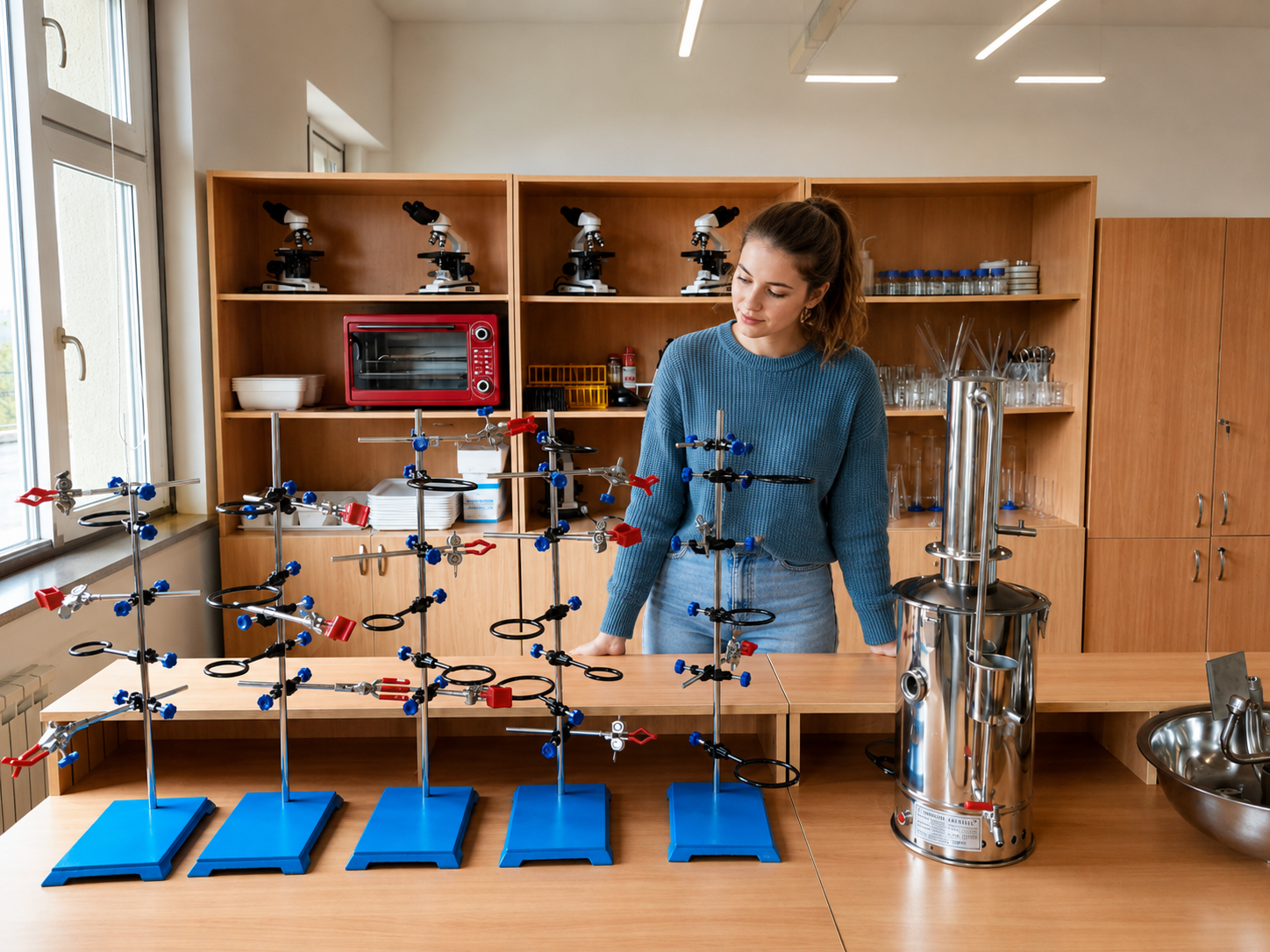
Armenia aims to equip every school with a science laboratory by the end of 2026. A look at the delivery layer of a 439-school rollout: seven laboratory configurations, 1.8 million items, 200+ localised teaching materials — and what ministries should ask suppliers.

Responsible AI in Education Starts Before the Algorithm
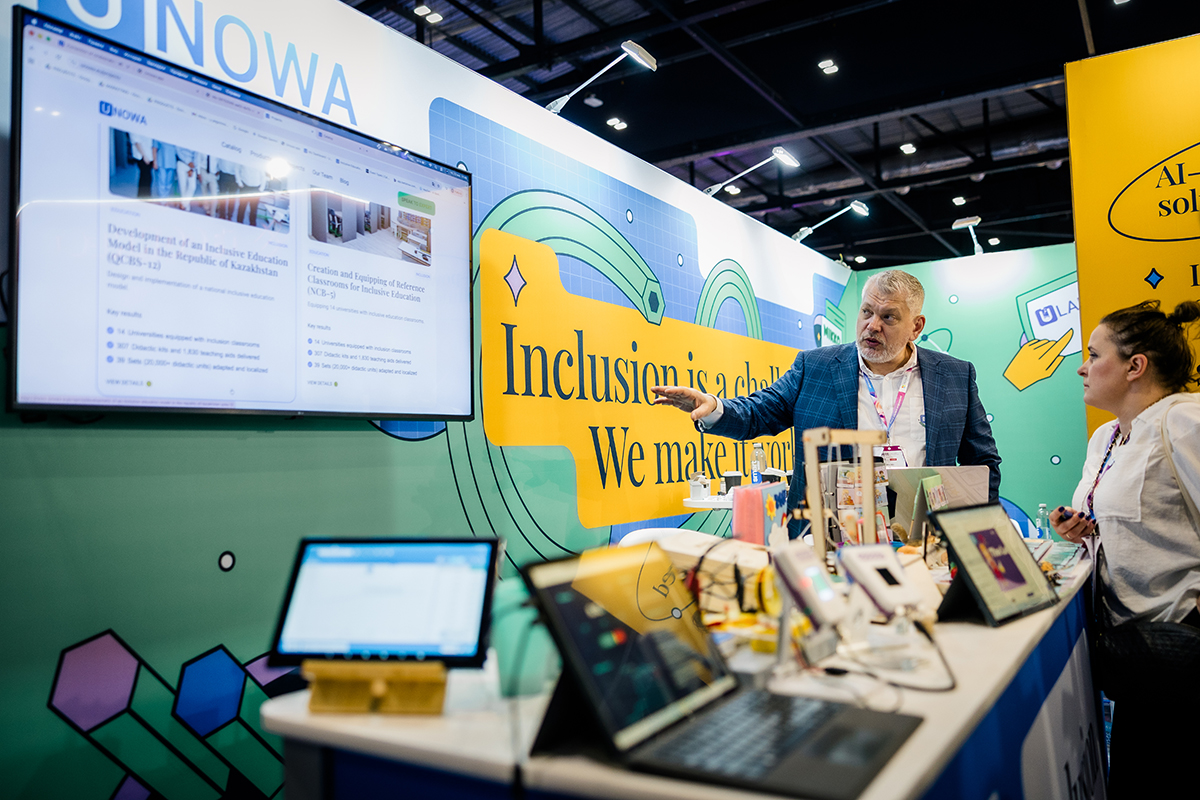
Responsible AI in education depends on knowing what your data actually represents. A UNOWA pilot study shows why measurement validity has to come before AI interpretation.
Differentiated Support in Inclusive Education: Why a Score Is Only the Start
Differentiated support in inclusive education starts where scoring ends. Here's why assessment should answer "what's getting in the way," not just "what's wrong."