
Choosing the best educational path for a child with special needs is one of the most significant decisions parents, educators, and policymakers face today. As advocates for inclusive, future-ready education, we at UNOWA understand the complexities and emotional weight behind this choice. This article explores the landscape of inclusive vs special education, offering insights, data, and professional advice to help families and institutions make informed, empowering decisions.
Understanding Inclusive vs Special Education
Inclusive education means integrating children with special educational needs (SEN) into mainstream schools, ensuring they learn alongside their peers in a barrier-free environment. In contrast, special schools are dedicated institutions tailored to the unique needs of children with SEN, often providing specialized staff, resources, and individualized support.
The debate between inclusive vs special education is not just academic — it shapes the daily experiences, social integration, and future opportunities of millions of children worldwide.
Key Facts and Regional Perspectives
- SEN Identification Rates: Across 19 European countries, the proportion of students identified with SEN ranges from 3.3% to 14.2% at primary and lower-secondary levels.
- Placement Outside Mainstream: The percentage of children educated outside mainstream settings varies significantly — from 0.1% to over 7% in 25 countries — reflecting differences in policy, assessment, and funding.
- Regional Variations: In the EU, especially Bulgaria, Malta, Poland, Latvia, Lithuania, Estonia, and Serbia, inclusive education is mandated by law, but implementation and support levels differ. In the MENA (Saudi Arabia, UAE, Qatar, Oman) and CIS (Kazakhstan, Uzbekistan, Armenia, Moldova, Azerbaijan, Kyrgyzstan, Georgia) regions, inclusive education is advancing, but special schools remain prevalent due to historical and infrastructural factors.
For more on global trends, see the European Agency for Special Needs and Inclusive Education.
Policy, Legislation, and Government Guidelines
- EU: All member states have statutory frameworks for inclusive education, influenced by the UN Convention on the Rights of Persons with Disabilities. The European Agency for Special Needs and Inclusive Education (EASNIE) monitors progress and highlights best practices.
- CIS and MENA: Countries are at various stages of policy development. Some, like Malta, have shifted towards inclusion with increased investment in resource centers and support staff, while others are piloting inclusive models with international support.
For detailed policy guidance, visit UNESCO’s Inclusive Education page.
Parental Decision-Making: What Matters Most?
When deciding between mainstream and special schools, parents consider:
- Quality and Accessibility of Support: Are there trained staff, accessible facilities, and individualized learning plans in mainstream schools?
- Severity and Type of Needs: Some children require intensive, specialized support only available in special schools.
- Social and Academic Benefits: Inclusive settings can foster social integration, higher self-esteem, and better long-term outcomes.
- Cultural Attitudes and Stigma: Societal perceptions of disability and inclusion can influence parental choices.
- Availability of Expertise: In regions where mainstream schools lack resources, special schools may be the only viable option.
“Inclusive education goes beyond the physical placement of learners with SEN in mainstream classrooms and aims at providing a barrier-free learning environment for all learners, regardless of their individual differences.” — European Agency for Special Needs and Inclusive Education
Outcomes: What Does the Research Say?
Benefits of Inclusion
- Social Integration: Children in inclusive settings develop stronger peer relationships and social skills.
- Academic Expectations: Higher expectations and exposure to diverse learning environments can boost academic achievement.
- Long-Term Participation: Inclusive education is linked to better societal participation and employment outcomes.
Challenges
- Teacher Training: Many mainstream educators lack specialized training in inclusive practices.
- Resource Gaps: Funding, classroom support, and infrastructure often lag behind policy ambitions.
- Assessment Variability: Inconsistent identification and support mechanisms can leave some children underserved.
For more on outcomes and challenges, see the European Commission’s report on inclusive education.
Innovative Approaches and Success Stories
Whole-School Transformation
Some EU countries have adopted whole-school approaches, restructuring schools to support all learners — not just those with SEN. This includes universal design for learning, flexible curricula, and collaborative teaching models.
Peer Support Programs
Initiatives that pair students with and without disabilities have shown measurable improvements in both social inclusion and academic performance.
Teacher Professional Development
Continuous, targeted training in inclusive pedagogy is a cornerstone of successful inclusion. For example, Malta’s investment in professional development has led to a significant increase in SEN students thriving in mainstream settings.
Early Assessment and Intervention
Early identification and support are critical. Countries piloting inclusive education in the CIS and MENA regions are seeing positive results from early intervention programs, often supported by international organizations.
For a global perspective on best practices, visit World Bank’s Inclusive Education resources.
How We Empower Inclusive Education
At UNOWA, we design and deliver complete educational systems that adapt to national standards and local needs. Our inclusive education solution, MIKKO, provides curriculum-aligned content, teacher training, and analytics to support both mainstream and special schools. We believe every child deserves access to quality education, regardless of their abilities.
With over 15 years of experience and more than 300 national projects delivered, we empower institutions, educators, and students to transform learning experiences for the better. Learn more about our mission and solutions at UNOWA.
Professional Advice for Parents and Institutions
- Assess Individual Needs: Every child is unique. Evaluate the specific support required and the capacity of local schools to provide it.
- Engage with Networks: Connect with parent associations, advocacy groups, and local experts for guidance and support.
- Advocate for Support Plans: Insist on individualized education plans and regular progress reviews.
- Collaborate: Foster strong partnerships between families, educators, and policymakers.
- Stay Informed: Keep up with national policies, funding opportunities, and best practices.
Frequently Asked Questions
What is the difference between inclusive and special education?
Inclusive education integrates children with special needs into mainstream schools, while special education provides dedicated settings with specialized resources and staff.
Are outcomes better in mainstream or special schools?
Research shows that inclusive settings often lead to better social integration and long-term participation, but the best choice depends on the child’s individual needs and the quality of available support.
What challenges do mainstream schools face in inclusion?
Mainstream schools may lack trained staff, resources, or accessible facilities. Continuous professional development and investment are essential for successful inclusion.
How can parents advocate for their child’s needs?
Engage with school staff, request individualized support plans, and connect with local advocacy groups. Stay informed about your rights and available resources.
Where can I find more information?
- UNOWA
- European Agency for Special Needs and Inclusive Education
- UNESCO Inclusive Education
- World Bank Inclusive Education
- European Commission: Inclusive Education
Empowering educators to create a brighter future for all students is at the heart of what we do. Let’s work together to transform learning experiences for every child — because inclusive, adaptable, and innovative education is the foundation of a better world.

Check out other articles
Explore the latest perspectives from our digital research team
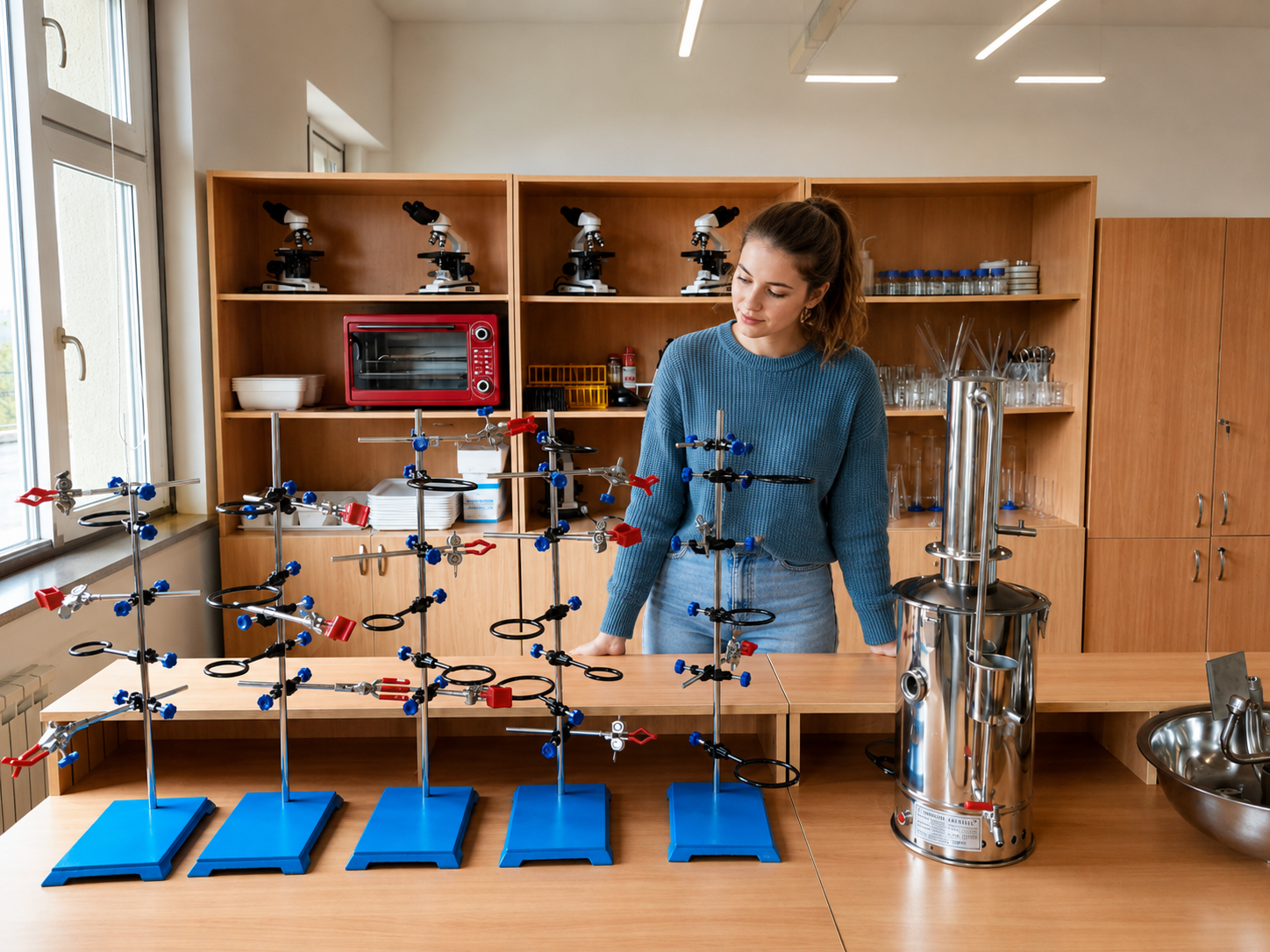
Equipping 439 schools: what a national STEM rollout actually takes
Armenia aims to equip every school with a science laboratory by the end of 2026. A look at the delivery layer of a 439-school rollout: seven laboratory configurations, 1.8 million items, 200+ localised teaching materials — and what ministries should ask suppliers.

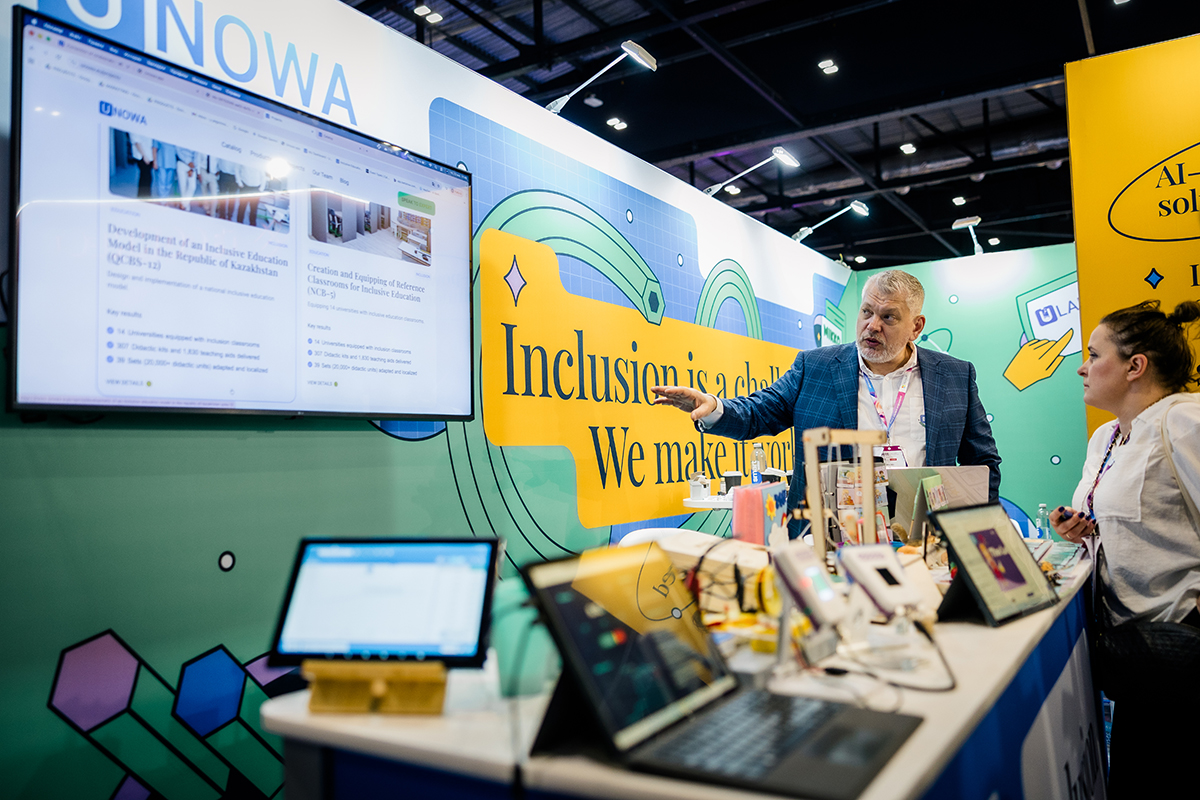
Responsible AI in Education Starts Before the Algorithm
Responsible AI in education depends on knowing what your data actually represents. A UNOWA pilot study shows why measurement validity has to come before AI interpretation.
Differentiated Support in Inclusive Education: Why a Score Is Only the Start
Differentiated support in inclusive education starts where scoring ends. Here's why assessment should answer "what's getting in the way," not just "what's wrong."