Did you know that adapting curricula to local contexts can boost student engagement by up to 17 percentage points in subjects like math? This article explores the transformative power of localized curriculum content, highlighting benefits, challenges, strategies, and real-world insights from global education reforms — empowering you with actionable knowledge to drive inclusive, future-ready learning.
Why Localized Curriculum Content Matters
In today's diverse educational landscapes, localized curriculum content bridges global standards with regional realities, fostering deeper learning and cultural relevance. Drawing from extensive reforms across the EU, MENA, and CIS regions, we at UNOWA have seen how this approach enhances inclusivity and innovation. For instance, systems integrating local examples into STEM education report higher student persistence and skill application.
Key benefits include:
- Improved accessibility for multilingual and special needs learners, reducing barriers through culturally familiar materials.
- Enhanced global competence, connecting local issues like climate challenges in the Gulf to worldwide Sustainable Development Goals (SDGs).
- Stronger institutional outcomes, with evidence showing 16 percentage points higher test scores in districts using high-quality, adapted materials.
As per a UNESCO report on inclusive education, localization ensures every child accesses quality learning, aligning with our mission to empower educators and students.
Challenges in Implementing Localized Curriculum Content
While promising, adopting localized curriculum content isn't without hurdles. Overloaded national curricula often leave little room for local adaptations, overwhelming teachers and fragmenting learning.
Common challenges:
- Balancing standards and autonomy: Governments enforce coherent frameworks, yet communities demand cultural relevance, as seen in multi-ethnic CIS countries like Kazakhstan and Uzbekistan.
- Capacity gaps: Teachers need training in pedagogical and linguistic skills, with unequal tech access widening divides in rural areas.
- Quality assurance: Locally developed materials vary in rigor, risking misalignment with exams.
Recent OECD insights on curriculum overload emphasize prioritizing depth over breadth, a strategy we've applied in over 300 national projects to streamline adaptations without compromising standards.
Proven Strategies for Success
From global reform projects, effective localized curriculum content relies on evidence-based tactics. For example, co-designing with communities and industries ensures relevance, as in UAE's STEM programs tied to smart city initiatives.
Strategies to adopt:
- Anchor in high-quality cores: Start with evidence-aligned materials, then contextualize — leading to near-universal access and equity gains, per World Bank education studies.
- Invest in professional learning: Ongoing, curriculum-linked development helps teachers adapt content, boosting implementation integrity and student achievement.
- Manage overload: Streamline by distinguishing mandatory from optional elements, allowing 10–30% local flexibility within national guidelines.
- Incorporate inclusivity: Build supports for diverse learners from the outset, using local analogies and language scaffolds.
Expert quote from an OECD report: "Successful systems decentralize decisions to allow local flexibility within a clear national framework." At UNOWA, our MIKKO inclusive education tools exemplify this, adapting to national standards in regions like Poland and Saudi Arabia.
Regional Insights and Innovations
Across our focus geographies, localized curriculum content drives transformation. In the EU, Baltic states like Estonia leverage digital tools for STEM localization, tying curricula to local ICT ecosystems. MENA nations, such as Qatar, integrate national heritage with global competencies, enhancing career readiness in energy sectors.
In CIS countries like Georgia, reforms shift to competency-based models, linking education to local agriculture and mining needs. A European Commission education overview highlights how these adaptations promote equity, with localized content increasing engagement for minority language groups.
We've supported such innovations through Ulabs STEM solutions, delivering adaptable, curriculum-aligned content that empowers institutions to meet these demands.
Empowering Through Localized Curriculum Content
Ultimately, localized curriculum content positions educators as agents of change, students as active participants, and institutions as community anchors. By aligning with local labor markets, it fosters future-ready skills — evident in programs where students tackle real-world problems like regional biodiversity.
As a leader with 15 years of experience, we at UNOWA invite collaboration to transform your educational systems. Explore our comprehensive solutions for inclusive, innovative learning.
FAQ
What is localized curriculum content? It involves adapting educational materials to local cultures, languages, and economies while aligning with national standards, enhancing relevance and inclusion.
How does it benefit STEM education? By connecting concepts to local industries, it increases engagement and practical skills, as seen in reforms boosting career awareness by incorporating regional trends.
What are common challenges? Issues include curriculum overload, teacher capacity, and ensuring quality, addressed through streamlined frameworks and professional development.
How can institutions implement it? Start with high-quality cores, co-design with stakeholders, and use tools like ours at UNOWA for adaptable, inclusive content.
Where can I find more resources? Check UNESCO's SDG 4 guidelines for global standards on inclusive education.

Check out other articles
Explore the latest perspectives from our digital research team
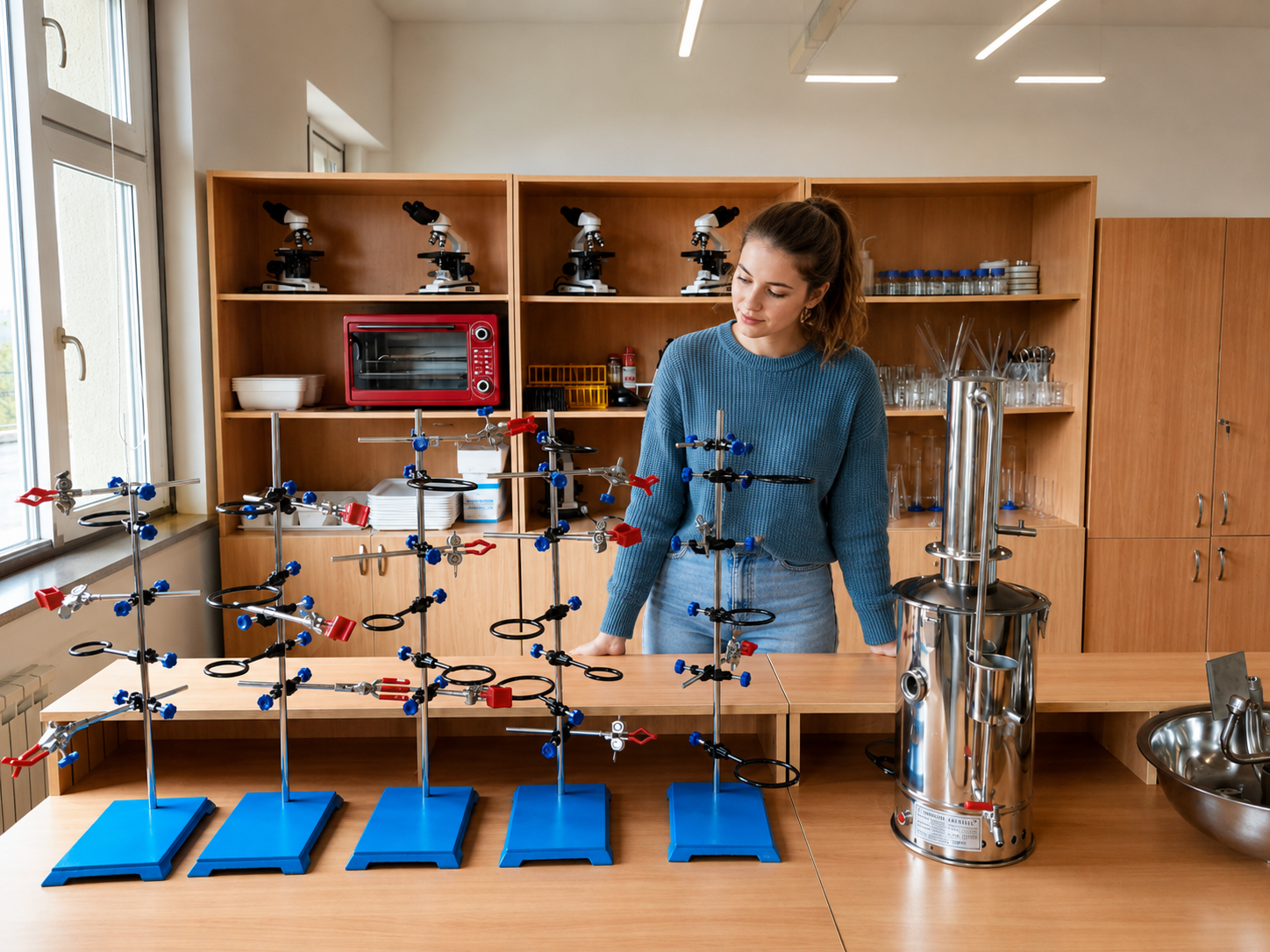
Equipping 439 schools: what a national STEM rollout actually takes
Armenia aims to equip every school with a science laboratory by the end of 2026. A look at the delivery layer of a 439-school rollout: seven laboratory configurations, 1.8 million items, 200+ localised teaching materials — and what ministries should ask suppliers.

Responsible AI in Education Starts Before the Algorithm
Responsible AI in education depends on knowing what your data actually represents. A UNOWA pilot study shows why measurement validity has to come before AI interpretation.
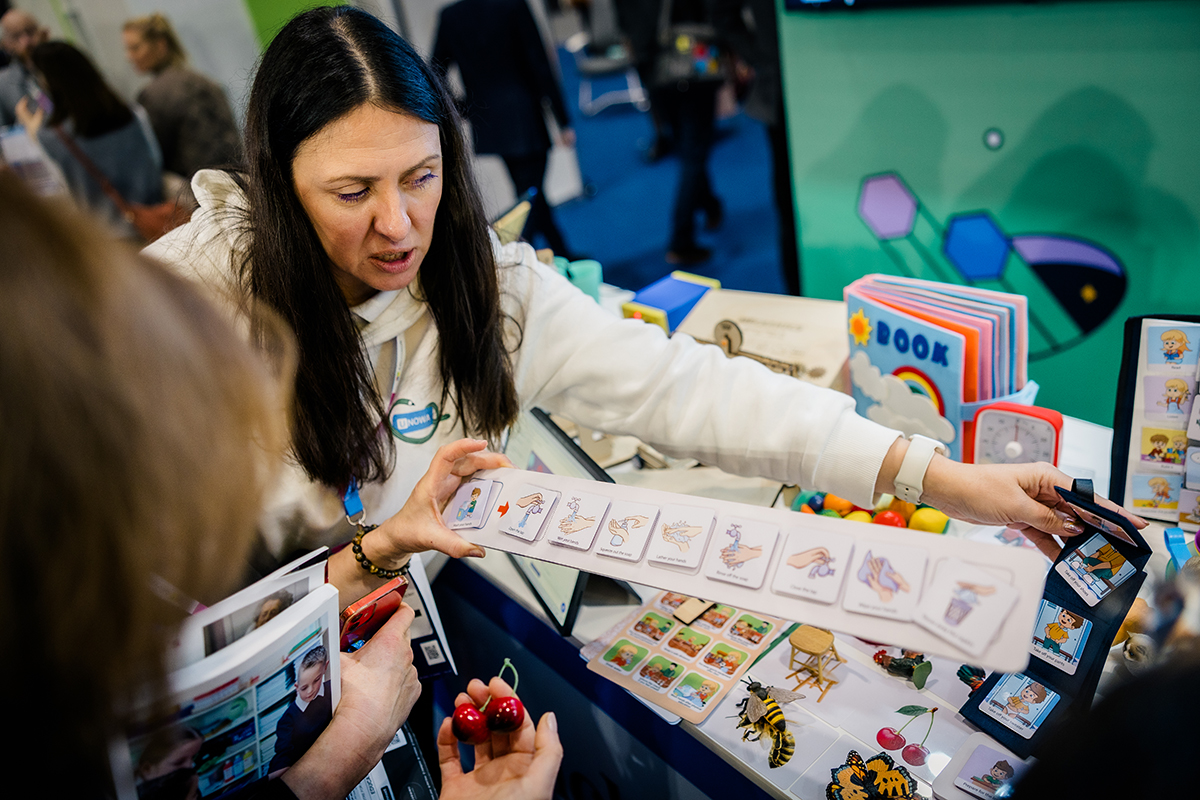
Differentiated Support in Inclusive Education: Why a Score Is Only the Start
Differentiated support in inclusive education starts where scoring ends. Here's why assessment should answer "what's getting in the way," not just "what's wrong."