

Did you know that in many global education systems, up to 60% of students fail to achieve basic proficiency in math and reading, despite near-universal enrollment? This stark reality underscores the urgent need for effective learning outcome measurement to drive inclusive, equitable reforms. In this article, we explore its critical role in modern education, drawing on global insights, challenges, and strategies — positioning us at UNOWA as your partner in transforming learning experiences through innovative, adaptable solutions.
The Importance of Learning Outcome Measurement in Inclusive Education
At UNOWA, we believe learning outcome measurement is essential for revealing inequities and ensuring every student thrives. By assessing observable knowledge, skills, and competencies — such as solving linear equations or collaborating in diverse teams — we empower institutions to align curricula with real-world needs.
Global data from assessments like PISA and TIMSS highlight persistent gaps: for instance, only 39% of 4th graders meet math standards in some systems, with widening disparities for disadvantaged groups National Assessment of Educational Progress (NAEP). This shifts focus from mere access to actual learning, aligning with SDG 4 for quality education.
In regions like the EU and MENA, where we operate, learning outcome measurement supports inclusive practices by disaggregating data by disability, gender, and socioeconomic status. For example, Estonia's top PISA performance stems from using such data for school improvement, not just accountability OECD PISA.
Challenges in Implementing Learning Outcome Measurement
While powerful, learning outcome measurement faces hurdles that can distort its impact. High-stakes testing often leads to "teaching to the test," narrowing curricula and excluding low-performers. In CIS countries like Kazakhstan, legacy exam-driven systems are evolving toward competency-based approaches, but capacity gaps persist World Bank Education.
Other challenges include:
- Bias and accessibility issues: Assessments may disadvantage minority groups without cultural sensitivity or accommodations.
- Data fragmentation: Linking K-12 outcomes to postsecondary success is rare, hindering long-term tracking.
- Digital divides: Online tools exacerbate inequities in areas with poor connectivity.
Recent news from the UAE shows investments in national test programs to address these, tying outcomes to STEM reforms UNESCO Education.
Proven Strategies for Effective Learning Outcome Measurement
Drawing from global reform projects, we at UNOWA advocate strategies that make learning outcome measurement a tool for empowerment. Systems succeeding in this area, like Poland's PISA gains through standardized exams and delayed tracking, demonstrate the value of alignment Our World in Data.
Key strategies include:
- Explicit standards: Develop clear, shared learning outcomes co-created with educators and inclusion specialists.
- Multiple measures: Combine standardized tests with formative assessments and portfolios for a holistic view.
- Formative feedback: Train teachers in data interpretation to differentiate instruction, especially in STEM and inclusive settings.
- Equity focus: Embed universal design principles to ensure valid measurement for all students.
In MENA nations like Saudi Arabia, these approaches are integrating outcomes with teacher development, boosting girls' STEM participation.
Empowering Through Analytics and Innovation
Our analytics at UNOWA turn learning outcome measurement into actionable insights, adaptable to national standards. By monitoring trends like pandemic-related learning losses — where foundational skills remain weak — we help institutions target support effectively.
Emerging trends, such as AI-informed metrics, promise personalized learning. In the EU, frameworks emphasize competence-based assessment to reduce early school leaving European Commission Education.
We invite you to explore how our solutions, including MIKKO for inclusive education and Ulabs for STEM, can enhance your learning outcome measurement efforts. Visit UNOWA for a consultation.
FAQ
What is learning outcome measurement?
Learning outcome measurement evaluates students' demonstrated knowledge, skills, and competencies through assessments, aligning with curricula to drive improvements.
Why is it crucial for inclusive education?
It reveals gaps for underserved groups, enabling targeted interventions to ensure equity, as seen in EU policies UNESCO.
How can institutions overcome measurement challenges?
By using multiple tools, building teacher capacity, and focusing on growth over absolute scores, as proven in global projects.
What role does STEM play in learning outcome measurement?
STEM outcomes correlate with innovation; measuring skills like problem-solving helps align curricula and resources for future-ready education.
How does UNOWA support learning outcome measurement?
We provide analytics, training, and adaptable systems to empower your reforms — contact us to learn more.

Check out other articles
Explore the latest perspectives from our digital research team

Equipping 439 schools: what a national STEM rollout actually takes
Armenia aims to equip every school with a science laboratory by the end of 2026. A look at the delivery layer of a 439-school rollout: seven laboratory configurations, 1.8 million items, 200+ localised teaching materials — and what ministries should ask suppliers.

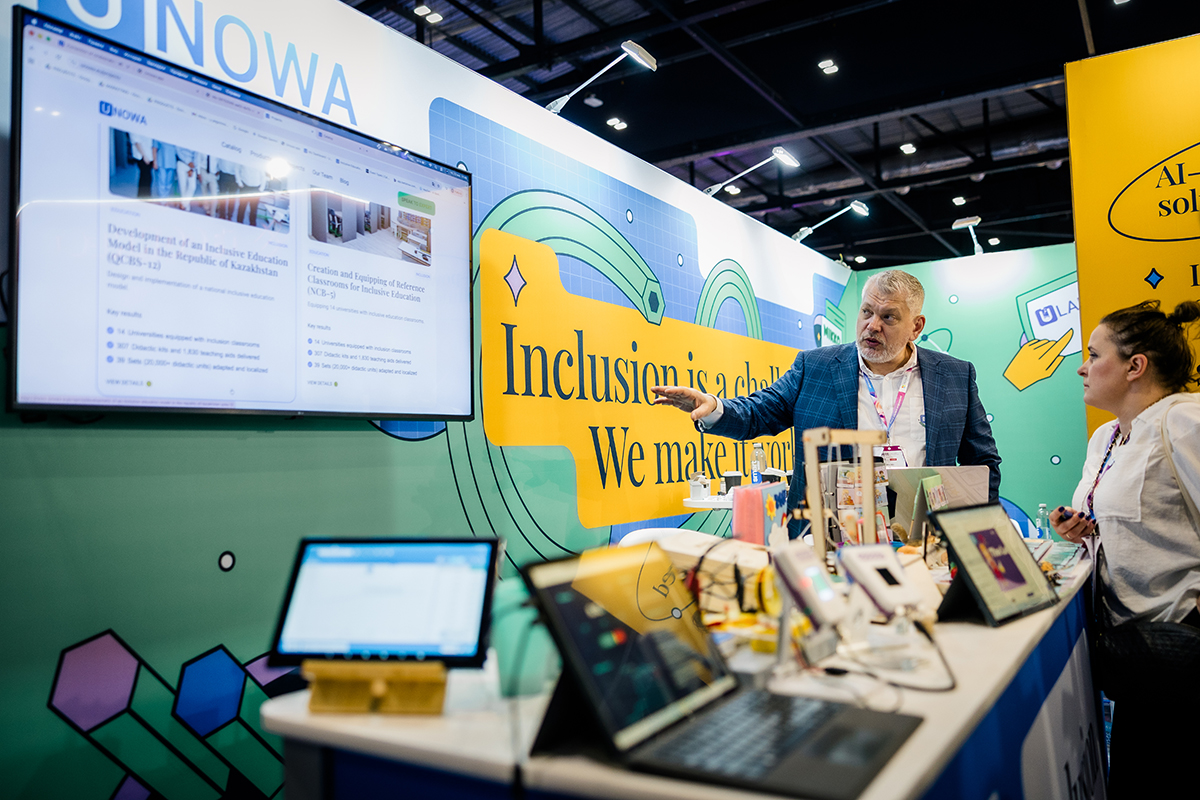
Responsible AI in Education Starts Before the Algorithm
Responsible AI in education depends on knowing what your data actually represents. A UNOWA pilot study shows why measurement validity has to come before AI interpretation.
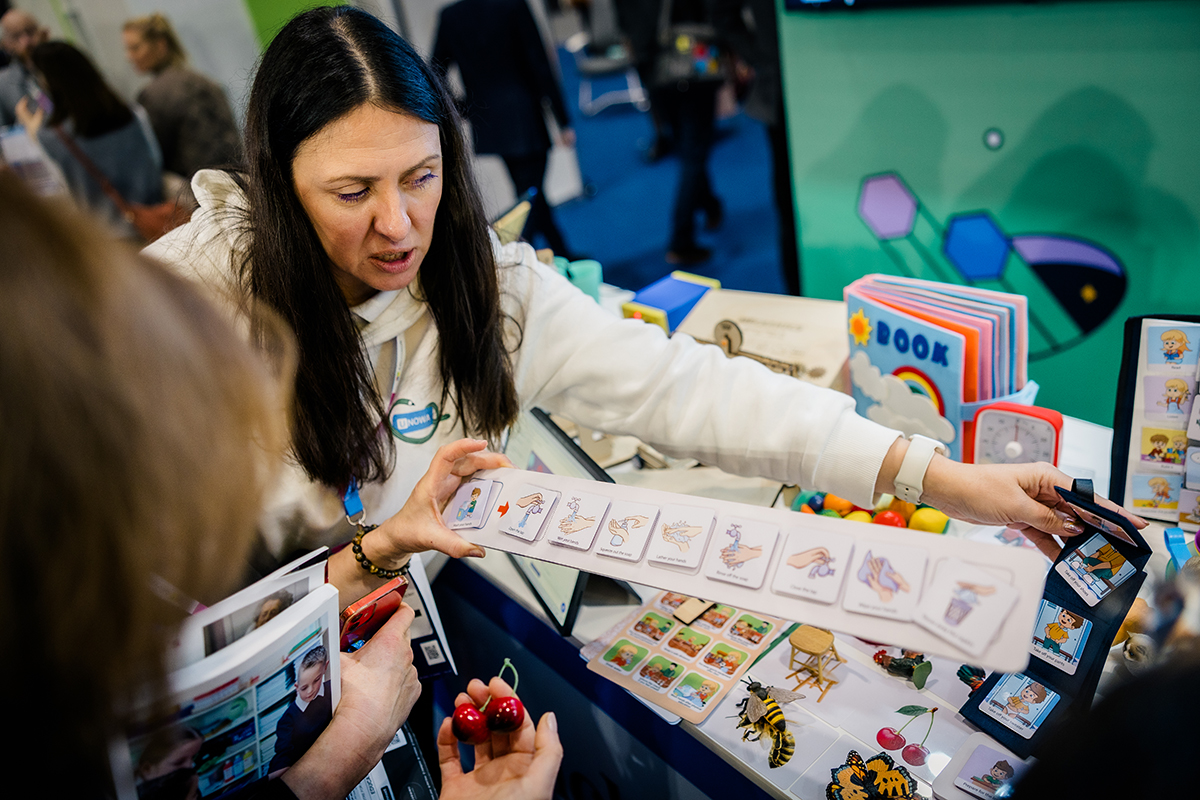
Differentiated Support in Inclusive Education: Why a Score Is Only the Start
Differentiated support in inclusive education starts where scoring ends. Here's why assessment should answer "what's getting in the way," not just "what's wrong."