Did you know that students taught in their familiar language for at least six years are substantially more likely to achieve reading proficiency by the end of primary school? This article explores the transformative power of language inclusive classrooms, sharing global insights, challenges, and strategies to foster equitable education. Drawing from international research and regional experiences, we'll highlight proven approaches that empower educators and institutions — positioning us at UNOWA as your partner in creating future-ready, inclusive learning environments. Read on for key facts, practical advice, and FAQs to guide your implementation.
Understanding Language Inclusive Classrooms
Language inclusive classrooms are dynamic spaces where students' home languages are valued as essential resources for learning, alongside the primary language of instruction. Rooted in evidence from global studies, these environments promote better engagement, literacy, and overall achievement by allowing learners to draw on their full linguistic repertoire — a practice known as translanguaging.
According to synthesized international research, sustained mother-tongue instruction in early grades can accelerate learning in subjects like math and science, while reducing dropout rates. For instance, bilingual programs maintaining home languages post-transition show higher reading comprehension and conceptual understanding. This aligns with our mission at UNOWA to deliver adaptable, inclusive education solutions like MIKKO, tailored to national standards across the EU, MENA, and CIS regions.
For more on global language rights in education, explore UNESCO's guidelines.
Benefits and Global Evidence
The advantages of language inclusive classrooms extend beyond linguistic minorities to all students, fostering intercultural competence and empathy. Key benefits include:
- Improved outcomes: Learners in multilingual settings exhibit stronger self-esteem, attendance, and metalinguistic awareness.
- Equity boost: These classrooms reduce discrimination, supporting migrants, refugees, and indigenous groups.
- Broader gains: Majority-language peers develop cooperative skills and respect for diversity.
Statistics from international evaluations indicate that structured multilingual education leads to reduced repetition and dropout, with gains in science and math proficiency. In regions like the EU's Baltic states (Latvia, Lithuania, Estonia), where minority languages like Russian are integrated, such approaches enhance inclusion amid national language policies.
Discover detailed studies at World Bank's education resources.
Challenges in Implementation
While promising, building language inclusive classrooms faces hurdles such as policy gaps, limited teacher training, and resource shortages. Common issues include:
- Abrupt transitions: Short mother-tongue phases (1-3 years) can widen achievement gaps.
- Attitudinal barriers: Fears that home languages hinder official language mastery often slow reforms.
- Resource limitations: Lack of bilingual materials and assessments in dominant languages marginalizes others.
In MENA countries like Saudi Arabia and the UAE, balancing Arabic identity with English bilingualism requires scaffolded support for expatriate students' home languages. Similarly, CIS nations such as Kazakhstan pursue trilingual models but grapple with rapid shifts that risk marginalizing groups.
For insights into overcoming these, refer to European Commission's inclusion directives.
Proven Strategies for Success
At UNOWA, we empower institutions with innovative tools to create language inclusive classrooms. Here are evidence-based strategies:
- Mother-Tongue Based Multilingual Education (MTB-MLE): Use home languages as the primary medium in early grades, gradually introducing official languages.
- Translanguaging and Scaffolding: Encourage mixed-language discussions and visual aids like word walls for inclusive participation.
- Curriculum Integration: Develop bilingual textbooks and tasks comparing languages to build awareness.
- Assessment Adaptations: Employ portfolios capturing progress in multiple languages, distinguishing language barriers from conceptual ones.
- Community Engagement: Involve families in material creation and cultural events to value all languages.
In EU contexts like Poland and Bulgaria, EU-funded projects for Roma inclusion demonstrate how teacher agency in flexible language use drives responsive classrooms. Our MIKKO system supports these with curriculum-aligned content and analytics.
Learn about MTB-MLE from Save the Children's reports.
Regional Insights and UNOWA's Role
Tailoring language inclusive classrooms to local contexts is key. In Serbia, legal frameworks support minority language education, yet teacher shortages persist — areas where our training programs excel. MENA's Gulf states, like Qatar and Oman, focus on Arabic-English bilingualism, with our adaptable solutions ensuring third-language support.
In CIS countries such as Uzbekistan and Georgia, post-Soviet multilingual legacies benefit from our 15+ years of experience in delivering over 300 national projects. We provide comprehensive systems, including STEM innovation via Ulabs, to transform learning.
Visit our website to explore how we can partner for your educational transformation. For regional policy examples, check OSCE's minority language education guidelines.
FAQ
What are language inclusive classrooms? They are learning environments that integrate students' home languages with the main instructional language to enhance equity and outcomes.
How do language inclusive classrooms benefit all students? They boost engagement, literacy, and intercultural skills, with evidence showing higher proficiency in core subjects for diverse learners.
What challenges do schools face in adopting these? Key issues include teacher preparation, material availability, and policy alignment, often addressed through targeted training and resources.
How can UNOWA help implement language inclusive classrooms? We offer MIKKO for inclusive education, training, and analytics, adaptable to your national standards — contact us for a consultation.
Are there global policies supporting this? Yes, frameworks like UNESCO's emphasize education in understandable languages to promote inclusion.

Check out other articles
Explore the latest perspectives from our digital research team
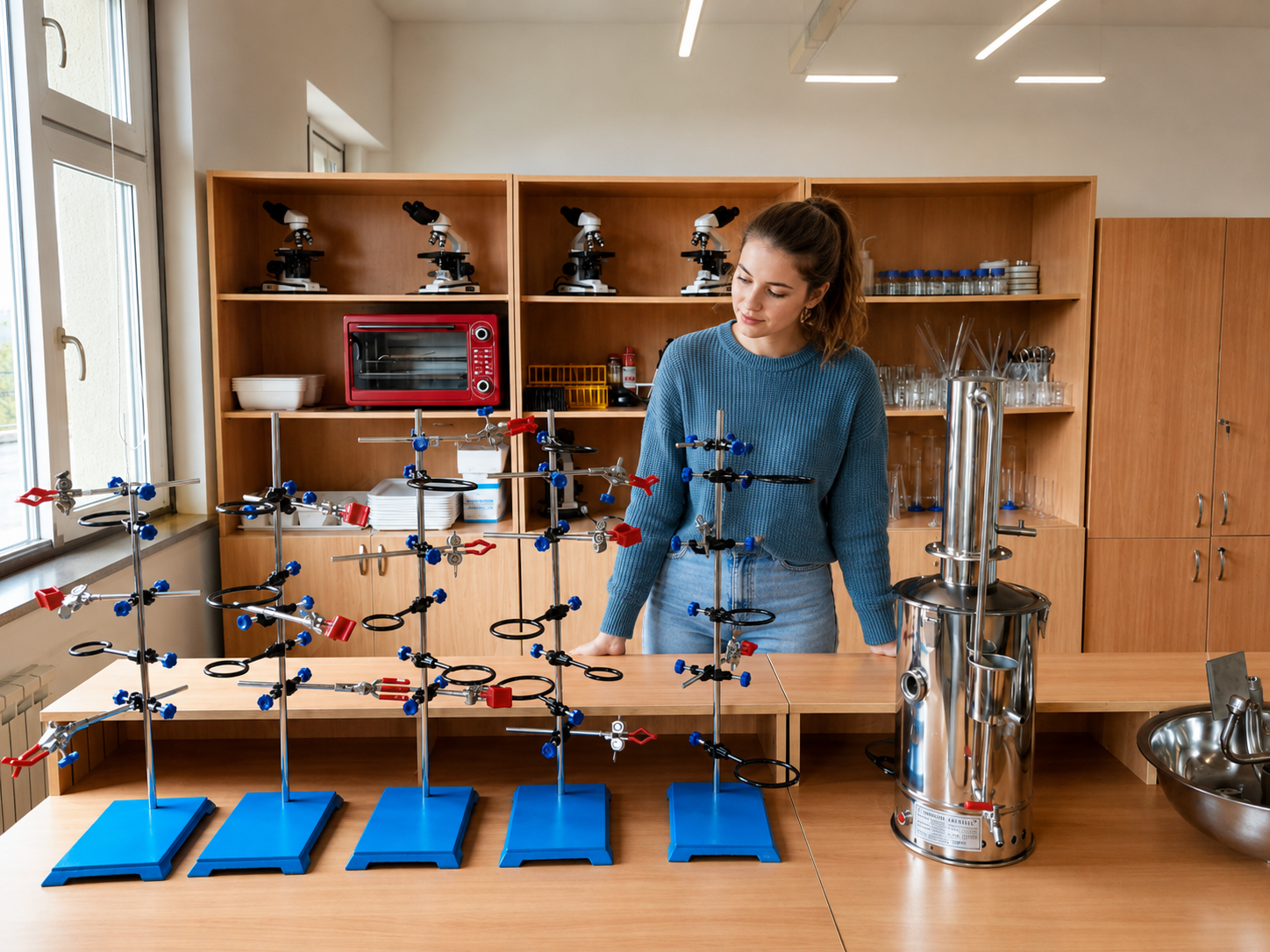
Equipping 439 schools: what a national STEM rollout actually takes
Armenia aims to equip every school with a science laboratory by the end of 2026. A look at the delivery layer of a 439-school rollout: seven laboratory configurations, 1.8 million items, 200+ localised teaching materials — and what ministries should ask suppliers.

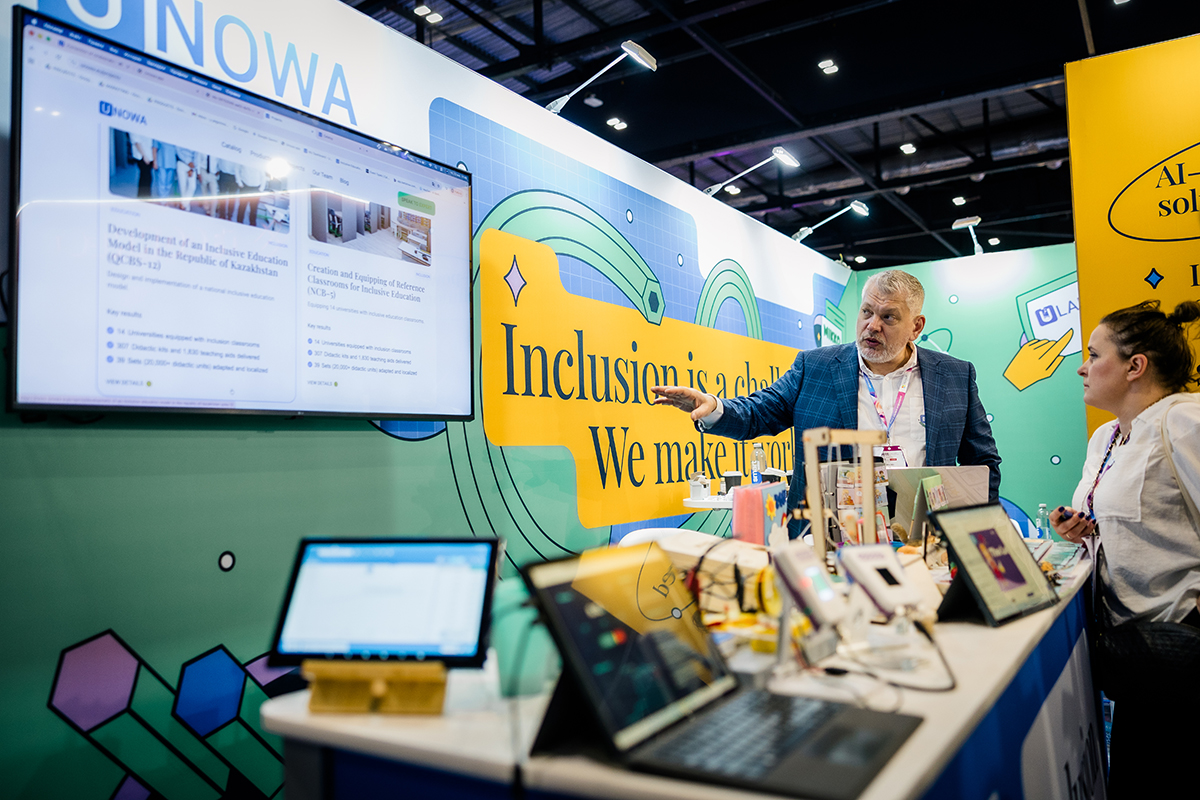
Responsible AI in Education Starts Before the Algorithm
Responsible AI in education depends on knowing what your data actually represents. A UNOWA pilot study shows why measurement validity has to come before AI interpretation.
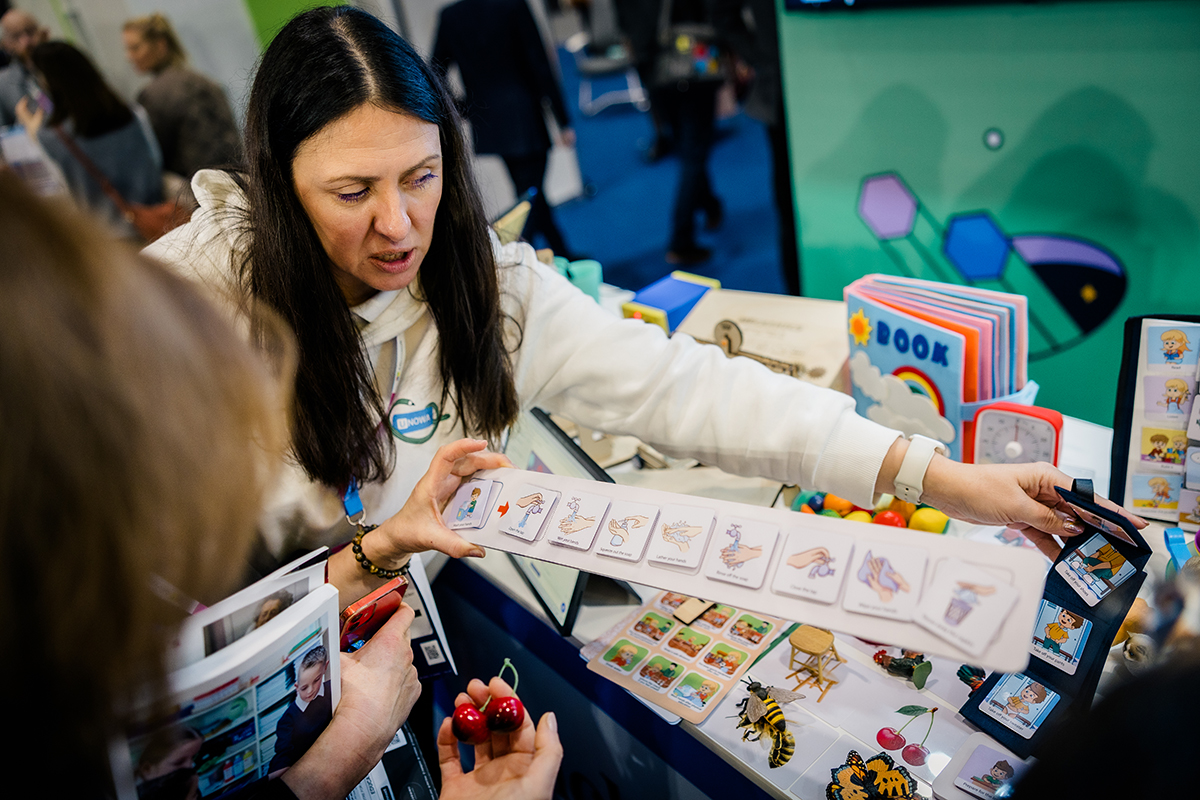
Differentiated Support in Inclusive Education: Why a Score Is Only the Start
Differentiated support in inclusive education starts where scoring ends. Here's why assessment should answer "what's getting in the way," not just "what's wrong."