

Did you know that 258 million children worldwide are excluded from education, often due to barriers that inclusive classroom design can dismantle? In this article, we explore the essentials of inclusive classroom design, drawing on global insights and our expertise at UNOWA to empower educators and institutions. We'll cover key benefits, challenges, best practices, and real-world examples, positioning inclusive environments as the foundation for equitable learning. Let's transform education together.
Why Inclusive Classroom Design Matters
Inclusive classroom design isn't just a trend — it's a human rights imperative rooted in frameworks like the UN Convention on the Rights of Persons with Disabilities (CRPD), which mandates accessible education for all. According to the UNESCO Global Education Monitoring Report 2020, inclusive education improves outcomes for everyone, boosting empathy and collaboration among peers while reducing long-term social costs.
At UNOWA, we see inclusive classroom design as central to our mission of empowering institutions, educators, and students. With over 15 years of experience delivering solutions like our MIKKO inclusive education system, we've supported projects in regions from the EU to MENA and CIS, adapting to local needs for maximum impact.
Key Benefits and Global Insights
Embracing inclusive classroom design yields profound advantages:
- Enhanced Learning Outcomes: Research shows it doesn't lower standards but elevates them through differentiated instruction, as noted in UNESCO's guidelines.
- Social and Economic Gains: The World Bank highlights how inclusion increases economic participation, cutting welfare costs.
- Peer Development: Non-disabled students gain improved problem-solving skills, per GEM Report case studies.
Statistics underscore the urgency: 40% of low-income countries failed to support disadvantaged learners during COVID-19, widening gaps. By integrating universal design principles, we can address these inequities.
For more on global benefits, explore the UNESCO GEM Report on Inclusion.
Overcoming Challenges in Implementation
While rewarding, inclusive classroom design faces hurdles like resource scarcity and policy gaps. Over 40% of countries in Latin America and Asia still mandate separate education for children with disabilities, per UNESCO data.
Common barriers include:
- Overcrowded Classrooms: Limiting personalized support.
- Inadequate Teacher Training: Only 41 countries recognize sign language in policies.
- Data Deficiencies: Nearly half of low- and middle-income countries lack disability data.
Our adaptable solutions at UNOWA help overcome these by providing training and analytics tailored to national standards.
Learn about policy barriers from the UN CRPD.
Best Practices for Effective Design
Drawing from expert insights, here are proven strategies for inclusive classroom design:
- Physical Accessibility: Use adjustable furniture, ramps, and sensory-friendly spaces — low-cost adaptations like pictogram signage work wonders in resource-limited settings.
- Pedagogical Flexibility: Apply Universal Design for Learning (UDL) with multiple means of engagement, representation, and expression.
- Cultural Inclusivity: Incorporate local languages and peer support programs to foster belonging.
Case studies from Colombia and Portugal show success through system-wide policies framing inclusion for all, not just "special needs." As UNESCO advises, start with a rights-based vision and engage communities.
For practical guidelines, check UNESCO's Guide for Ensuring Inclusion and Equity in Education.
Real-World Examples and Innovations
Global examples inspire action:
- In India's Odisha, classrooms use 21 tribal languages to include indigenous students.
- New Zealand employs itinerant teachers for underserved learners.
- Post-COVID, initiatives like mobile labs compensate for inadequate facilities, per World Bank partnerships.
At UNOWA, our MIKKO system has transformed spaces in Saudi Arabia and Poland, integrating STEM with inclusive tools for future-ready education.
Discover more case studies at the World Bank's Education page.
Partner with Us for Transformative Solutions
We're committed to innovative, inclusive education. Contact us at UNOWA to explore how our comprehensive systems can adapt to your context, from kindergartens to special centers.
For emerging trends, read about SDG4 on Inclusive Education.
FAQ
What is inclusive classroom design? It's creating environments where all students thrive, using flexible layouts, pedagogy, and supports to remove barriers.
How does it benefit non-disabled students? It fosters empathy and collaboration, improving overall social skills, as per UNESCO research.
What are common challenges? Resource limits and policy gaps, but tools like UDL help mitigate them.
How can UNOWA support my institution? We offer tailored solutions, training, and analytics — visit UNOWA for a consultation.
Where can I find more resources? Start with UNESCO's GEM Report for global insights and best practices.

Check out other articles
Explore the latest perspectives from our digital research team
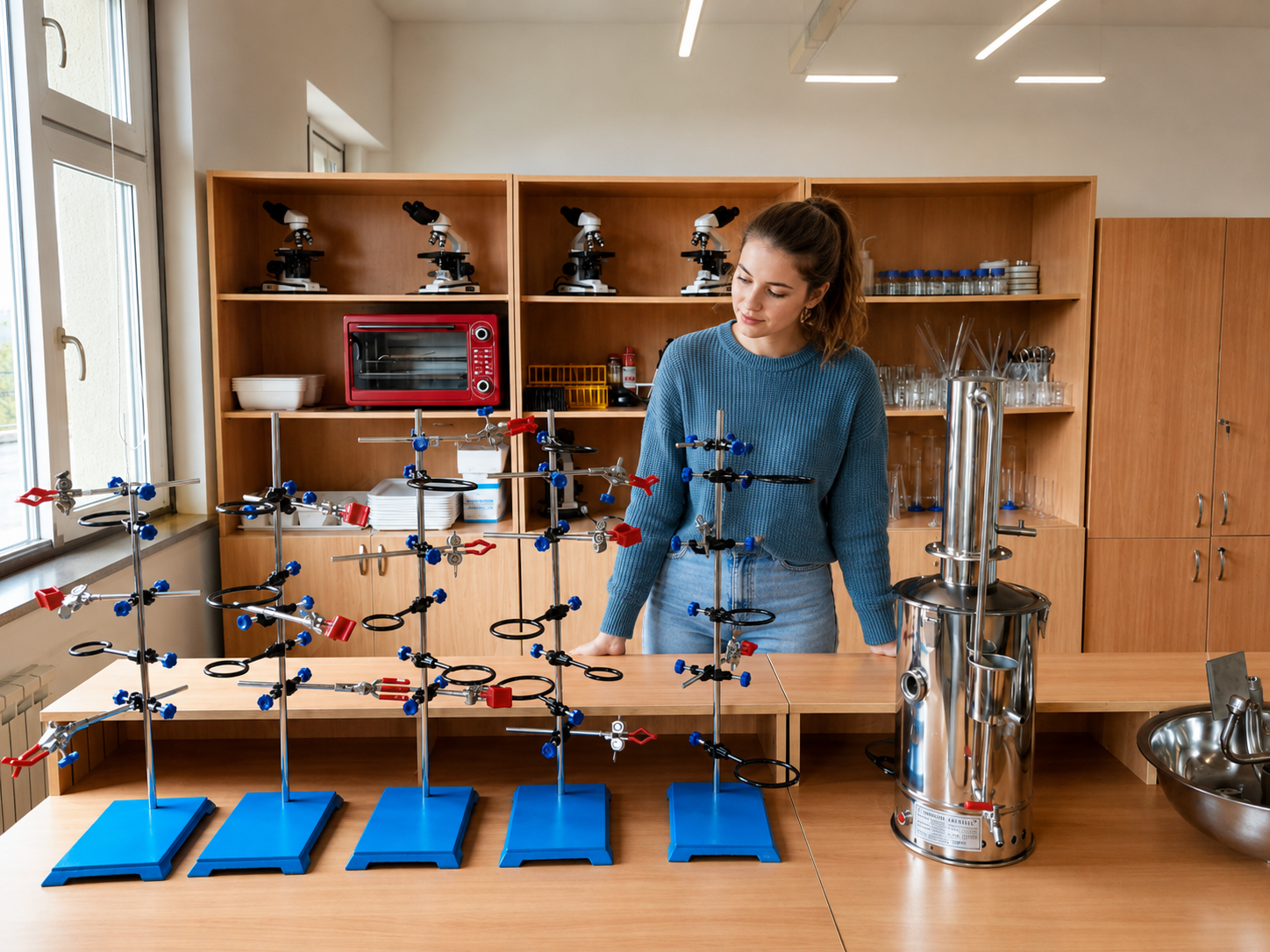
Equipping 439 schools: what a national STEM rollout actually takes
Armenia aims to equip every school with a science laboratory by the end of 2026. A look at the delivery layer of a 439-school rollout: seven laboratory configurations, 1.8 million items, 200+ localised teaching materials — and what ministries should ask suppliers.

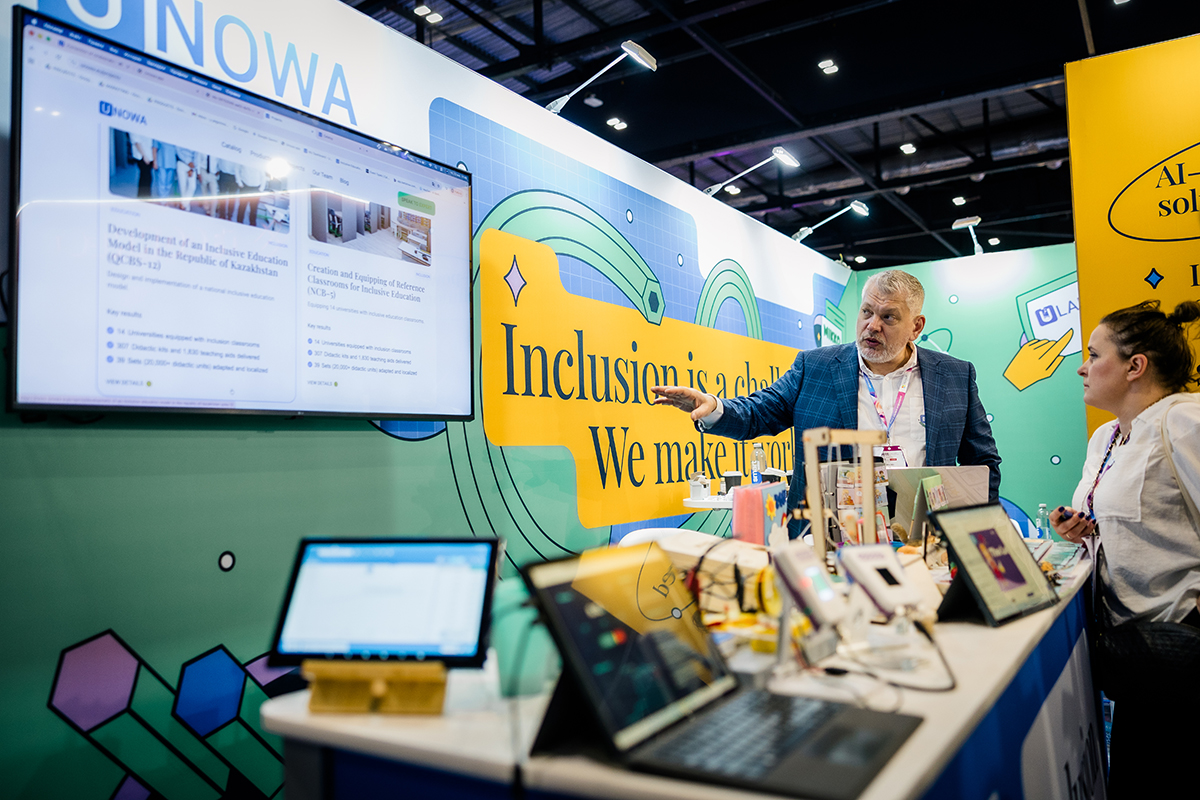
Responsible AI in Education Starts Before the Algorithm
Responsible AI in education depends on knowing what your data actually represents. A UNOWA pilot study shows why measurement validity has to come before AI interpretation.
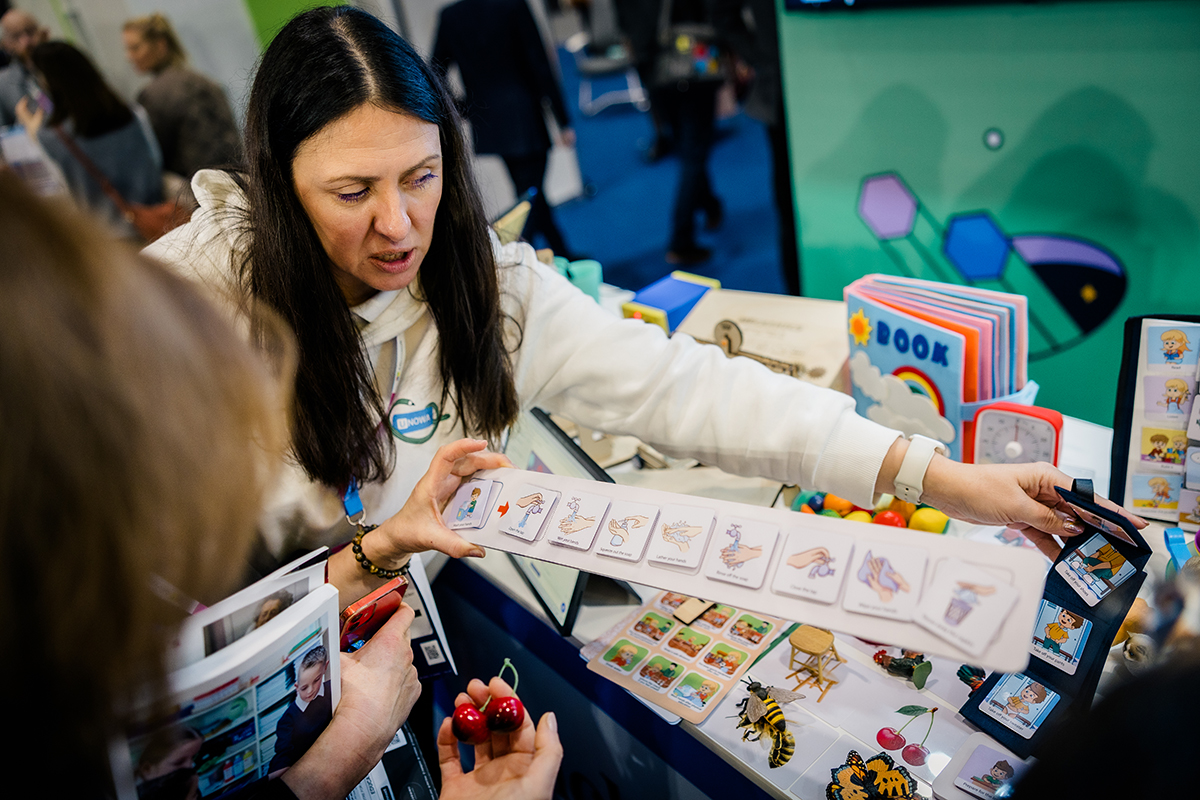
Differentiated Support in Inclusive Education: Why a Score Is Only the Start
Differentiated support in inclusive education starts where scoring ends. Here's why assessment should answer "what's getting in the way," not just "what's wrong."