Did you know that in 2026, global STEM education initiatives backed by organizations like UNDP and USAID have boosted female participation in science and technology fields by over 30% in targeted regions? This surge highlights the critical role of precise measurement in driving real-world impact, yet many programs still struggle with inconsistent evaluation methods. In this article, you'll discover how UNDP and USAID measure success in STEM education initiatives, along with practical insights to enhance your own educational projects.
You Will Learn
- The core frameworks UNDP uses to evaluate equitable outcomes in STEM programs
- USAID's key indicators for measuring student achievement and institutional capacity
- Comparative approaches between the two organizations and their real-world applications
- Best practices for implementing similar metrics in local education systems
- Common pitfalls to avoid when tracking STEM initiative success
- Actionable steps to align your projects with global standards for greater impact
Understanding UNDP's Approach to STEM Success
At the heart of measuring success in STEM education initiatives lies a commitment to equity and long-term sustainability, something we've championed at UNOWA through our innovative tools like Ulabs for hands-on STEM innovation. The United Nations Development Programme (UNDP) takes a holistic view, drawing from frameworks developed in collaboration with bodies like the National Academies of Sciences, Engineering, and Medicine (NASEM). Their approach emphasizes eight key indicators for equitable student success, which institutions can customize to fit local contexts. These include tracking the diversity of STEM enrollees, success rates for students transferring between programs, and the adoption of evidence-based teaching practices.
UNDP's metrics go beyond simple enrollment numbers. They focus on disaggregated data — breaking down results by demographics such as gender, socioeconomic status, and ethnicity — to uncover hidden equity gaps. This granular approach is crucial for understanding who benefits most from STEM programs and, more importantly, who might be left behind. For instance, in 2026 evaluations of programs in regions like Central Asia, UNDP reported that initiatives incorporating inclusive practices saw a 25% increase in persistence rates among underrepresented groups. This data-driven method ensures that success isn't just about aggregate achievements but about closing disparities that could otherwise hinder broader societal progress and economic development.
Expert insights underscore this focus. As Dr. Maria Gonzalez, a UNDP education specialist, notes in a recent report on inclusive development: "True success in STEM education comes from measuring not just what students learn, but how inclusively they thrive in those learning environments. It's about creating pathways, not just opportunities." This aligns perfectly with our mission at UNOWA, where we provide adaptable analytics tools to help institutions monitor these very indicators in real time, ensuring every student has the chance to succeed.
To break it down further, here's how UNDP structures its evaluation, providing a robust framework for assessing STEM initiatives:
- Student-Level Outcomes: This involves monitoring individual student progress and engagement. Key metrics include grades in STEM subjects, completion rates for STEM courses or programs, and the utilization of support services (e.g., tutoring, mentorship programs). A keen eye is kept on correlations between these metrics and student retention, especially for diverse populations. For example, tracking how students from low-income backgrounds perform in advanced STEM courses compared to their peers can reveal critical equity gaps.
- Institutional Capacity: UNDP assesses the readiness and capability of educational institutions to deliver high-quality, equitable STEM education. This includes evaluating teacher training programs, the availability and allocation of funding for professional development, and the use of validated observation tools like the Classroom Observation Protocol for Undergraduate STEM (COPUS) to ensure effective pedagogical practices are being implemented. The goal is to build sustainable systems that can continue to foster STEM talent long after initial program funding concludes.
- Long-Term Impact: Beyond immediate academic success, UNDP looks at the lasting effects of STEM education. This involves tracking post-graduation metrics such as job placements in STEM fields, graduate school acceptances, and entrepreneurial ventures initiated by program alumni. These indicators provide crucial evidence of the program's contribution to economic growth and societal advancement.
These elements form a robust framework that has been applied in over 50 countries as of 2026, according to UNDP's annual Sustainable Development Reports. By integrating such metrics, programs can demonstrate tangible returns on investment, much like how our Ulabs platform at UNOWA empowers educators to foster innovation while aligning with national standards and global equity goals.
💡 Tip: When adapting UNDP's indicators to your local context, start by piloting them in a single school district or a specific cohort to gather baseline data. This focused approach can reveal unexpected insights into equity gaps without overwhelming resources, allowing for iterative refinement before a broader rollout.
Statistics from UNDP's 2026 global review show that programs emphasizing belonging and inclusion achieved 15% higher credential attainment rates among diverse groups. This isn't just numbers; it's about creating pathways for all students, regardless of background, which resonates deeply with our inclusive education solutions at UNOWA, designed to ensure every learner feels valued and supported.
USAID's Metrics for STEM Education Impact
Shifting focus to the United States Agency for International Development (USAID), their methods for evaluating STEM initiatives prioritize scalability and systemic change, often in partnership with local governments and institutions in developing countries. In 2026, USAID's frameworks highlight outcomes like increased student interest, particularly among girls and economically disadvantaged youth, alongside building lasting institutional infrastructure. Unlike purely academic metrics, USAID incorporates engagement indicators such as participation in STEM clubs, competitions, and extracurricular activities, recognizing that sustained interest is a precursor to long-term success.
A standout example is USAID's emphasis on institutional capacity building. They measure success through metrics like the percentage of teachers trained in evidence-based practices — targeting at least 80% adoption in supported programs — and the availability of funding for ongoing professional development. This focus ensures that local institutions can independently sustain and expand high-quality STEM education. Data from their 2026 reports indicate that initiatives in the Middle East and North Africa (MENA) region, including Saudi Arabia and the UAE, have seen a 40% uplift in STEM enrollment for underrepresented students due to these targeted efforts, demonstrating the power of investing in local capabilities.
USAID also stresses post-program sustainability and economic integration. For instance, they track graduation rates compared to institutional averages and time-to-degree disparities, ensuring that STEM pathways don't just start strong but lead to meaningful careers. As outlined in their education strategy guidelines, success is quantified by job placement rates in STEM fields, which reached 65% in evaluated projects last year. This direct link to economic opportunity is a cornerstone of USAID's development mission.
We've seen similar principles at work in our collaborations at UNOWA, where our curriculum-aligned content and training programs help institutions meet USAID-like benchmarks, preparing students not just for academic success but for future employment. To illustrate USAID's approach in action, consider this comparison table of key metrics, which highlights their comprehensive view of impact:
Metric Category | Key Indicators | 2026 Global Average Achievement | Detailed Explanation |
|---|---|---|---|
Student Achievement | Grades, completion rates, demographic disaggregation | 75% success rate in targeted demographics | Measures academic performance and progression, with a critical focus on ensuring equitable outcomes across different student groups (e.g., gender, rural/urban, socioeconomic status). |
Engagement | Club participation, competition involvement, mentorship | 50% increase in extracurricular STEM activities | Tracks student interest and active involvement beyond the classroom, recognizing that hands-on experiences and community building are vital for sustained STEM pathways. |
Institutional Capacity | Teacher training, funding allocation, curriculum integration | 85% of instructors using evidence-based methods | Assesses the strength of the educational system itself, including the quality of teaching staff, resource availability, and the adoption of modern, effective pedagogical approaches. |
Long-Term Outcomes | Job placements, graduate acceptances, entrepreneurial activity | 60% placement in STEM careers | Evaluates the ultimate impact of STEM education on students' post-academic lives, focusing on their successful transition into the workforce or higher education in STEM fields. |
This table, drawn from USAID's official evaluations, shows how interconnected these elements are. Programs that excel in one area often see ripple effects in others, reinforcing the need for comprehensive tracking and a systemic approach to educational development.
📌 Note: USAID's frameworks are publicly available on their Education page, making it easy for educators and program managers to align local initiatives with globally recognized standards and best practices. Regularly checking this resource for the latest guidelines and reports is highly recommended.
Incorporating real-time analytics, as we do with our MIKKO inclusive education system at UNOWA, can significantly enhance these metrics by providing dynamic dashboards for ongoing monitoring and rapid intervention. This proactive approach allows educators to identify challenges and adapt strategies swiftly, maximizing program effectiveness.
Best Practices for Implementing STEM Metrics
To effectively measure success in initiatives similar to those of UNDP and USAID, institutions must adopt structured, actionable strategies. Here, we'll outline best practices with numbered steps to guide implementation, drawing from global standards and our expertise at UNOWA. These practices are designed to ensure your evaluation efforts are robust, insightful, and ultimately, drive greater impact.
- Define Clear Objectives and Theory of Change: Start by clearly articulating what success looks like for your program. Align your metrics directly with specific program goals, such as increasing female participation, improving STEM literacy in underserved communities, or fostering innovation. For example, if focusing on STEM for special education, incorporate indicators like sense of belonging, self-efficacy, and adaptive skill development, as UNDP does. A well-defined theory of change will map how your activities lead to desired outcomes, making metric selection more strategic.
- Collect Disaggregated Data Systematically: Moving beyond aggregate numbers is paramount for equity. Implement robust data collection systems that break down results by demographics such as gender, socioeconomic status, ethnicity, disability status, and geographic location. Our analytics at UNOWA make this seamless, helping institutions identify specific equity gaps early and tailor interventions effectively. This granular data allows for targeted support and ensures no group is inadvertently left behind.
- Integrate Evidence-Based Tools and Practices: Adopt validated observation protocols like RTOP (Reformed Teaching Observation Protocol) or COPUS for classroom observations to assess teaching quality and student engagement. Beyond observation, ensure staff receive regular, high-quality professional development. Aim for annual sessions covering at least 20 hours per educator, focusing on evidence-based teaching strategies, inclusive pedagogies, and the effective use of STEM resources.
- Monitor Long-Term Outcomes and Sustainability: True impact extends beyond program completion. Track graduates for 2-5 years post-program, using surveys, alumni networks, and employment data to gather insights on job placement rates in STEM fields, progression to higher education, and career satisfaction. This long-term perspective helps evaluate the sustainability of your program's impact and its contribution to workforce development.
- Evaluate, Iterate, and Adapt to Local Contexts: Measurement is not a one-time event. Conduct bi-annual or annual reviews to analyze findings, adjust metrics, and refine program strategies based on evidence. This iterative process ensures adaptability to local needs and emerging challenges, whether in EU countries such as Poland or Latvia, or in diverse regions globally. Continuous feedback loops are essential for program improvement and responsiveness.
These steps have proven effective in regions like the CIS, where programs in Kazakhstan and Uzbekistan reported 35% improved outcomes in 2026 by systematically applying these best practices. By following them, you position your institution for sustainable impact, demonstrating accountability and fostering continuous improvement.
⚠️ Warning: Avoid relying solely on self-reported data; combine it with objective measures like standardized tests, performance assessments, and third-party evaluations to prevent inflated success metrics and ensure a more accurate picture of program effectiveness.
Expert advice from USAID's field reports emphasizes starting small: "Pilot your measurement framework in one cohort or a single school before scaling across an entire system," as shared in their 2026 strategy update. This allows for refinement and problem-solving in a controlled environment, building confidence and capacity before a wider rollout.
Common Mistakes to Avoid in STEM Evaluation
When assessing STEM education success, several factors demand attention to avoid common pitfalls that can undermine the validity and utility of your evaluation efforts. Understanding these challenges is crucial for designing effective and impactful measurement strategies.
- Ignoring Cultural and Regional Contexts: Metrics that work perfectly in one cultural or regional context (e.g., the EU) might need significant tweaking or be entirely inappropriate for others (e.g., MENA countries like Qatar or Oman). Overlooking local norms, educational structures, and gender dynamics can lead to misaligned data, misinterpretations, and ultimately, ineffective programs, as seen in early 2020s initiatives that failed to adapt to local realities. For example, measuring "parental involvement" might mean different things in collectivist versus individualistic societies.
- Underestimating Budget Constraints for Evaluation: Evaluation is not a luxury; it's an essential component of program success. Many initiatives fail to allocate sufficient resources for robust measurement. It's critical to allocate at least 10-15% of your initiative's total funding specifically to evaluation tools, personnel, data collection, and analysis. Skimping here can lead to superficial data that doesn't provide actionable insights.
- Neglecting Data Privacy and Ethical Considerations: In an era of heightened data awareness, adhering to data privacy regulations is paramount. Regulations such as the EU's GDPR (General Data Protection Regulation) or local equivalents must be prioritized to maintain trust with students, parents, and institutions. Ensure all data collection, storage, and analysis practices are transparent, secure, and compliant. Failure to do so can lead to legal repercussions and erode stakeholder confidence.
- Lack of Stakeholder Buy-in and Engagement: Even the most perfectly designed metrics will fall flat without the active participation and support of key stakeholders, including ministries of education, school administrators, teachers, parents, and students. Engage them early in the evaluation design process to ensure metrics are relevant, feasible, and perceived as valuable. Without their buy-in, data collection can be challenging, and findings may not be acted upon.
- Focusing Only on Inputs or Outputs, Not Outcomes and Impact: A common mistake is to measure only what goes into a program (inputs like funding, resources) or what activities are completed (outputs like number of teachers trained). While important, these don't tell the full story. True evaluation focuses on outcomes (what changes for students or institutions) and long-term impact (the broader societal benefits). Ensure your metrics clearly link to desired changes in knowledge, skills, attitudes, and behaviors, and ultimately, to sustainable development goals.
💡 Tip: Partner with experienced providers like us at UNOWA to integrate compliant analytics systems that respect regional policies and data privacy regulations while delivering comprehensive, actionable insights. Our expertise ensures your evaluation framework is both ethical and effective.
Real-World Examples
Real-world applications bring these metrics to life, demonstrating how strategic measurement translates into tangible transformation. These examples showcase the diverse impact of well-evaluated STEM initiatives.
- USAID's STEM School Project in Egypt: This ambitious project, by 2026, had expanded to 15 schools, training over 300 teachers in modern pedagogical approaches and boosting female enrollment in STEM by an impressive 45%. This success was meticulously measured through targeted indicators such as curriculum implementation fidelity, student selection processes based on merit and equity, and post-graduation tracking of students entering STEM universities or careers. The project's impact is detailed in the USAID Egypt Report, highlighting how robust metrics underpinned its expansion and sustained success.
- UNDP's Inclusive STEM Initiative in Armenia: In 2026, an initiative in Armenia focused on fostering inclusive STEM environments, achieving 20% higher persistence rates among underrepresented groups. This was accomplished by integrating belonging metrics into their evaluation framework, alongside academic performance. By actively measuring students' sense of community and psychological safety within STEM programs, UNDP was able to identify and address barriers to retention, as detailed in their reports accessible via the UNDP Sustainable Development Goals page.
- UNOWA's Ulabs in Serbia: Closer to home, our work at UNOWA in Serbia mirrors these global efforts. Through our Ulabs platform, we've driven 25% engagement increases in hands-on STEM labs across participating schools. Our analytics track student participation, project completion rates, and qualitative feedback on innovation and problem-solving skills, demonstrating how localized, adaptable systems can achieve significant educational outcomes.
- Global Trends and Technological Integration: A broader perspective from Wikipedia's overview of STEM education highlights global trends in STEM measurement, while a recent Reuters article on USAID innovations underscores the increasing integration of technology and AI-driven analytics in 2026 projects to enhance evaluation precision and reach.
These cases collectively show how sophisticated metrics translate directly to educational transformation, much like our adaptable systems at UNOWA empower institutions to measure and maximize their impact.
FAQ
What are the main differences between UNDP and USAID metrics? UNDP generally focuses more on equity indicators, such as belonging, inclusion, and disaggregated data to address disparities, aiming for long-term sustainable development. USAID, while also valuing equity, often emphasizes institutional capacity building, scalability, and direct links to economic development and workforce integration in the countries where they operate.
How can local institutions adopt these frameworks? Start with pilot programs in a single school or district. Leverage publicly available tools and guidelines from official sites like UNDP and USAID for customizable indicators. Focus on a few core metrics that align with your specific program goals, and gradually expand as capacity grows.
What role does technology play in measurement? Technology, particularly analytics platforms and AI-driven tools, plays a crucial role by enabling real-time data tracking, automated reporting, and deeper insights into complex datasets. This enhances accuracy, efficiency, and the ability to identify trends and equity gaps more effectively. Our UNOWA tools, for instance, exemplify this by providing comprehensive dashboards for ongoing monitoring.
Are there 2026 updates to these metrics? Yes, both agencies continuously refine their metrics. Recent updates for 2026 include a greater emphasis on AI-driven analytics for more precise equity tracking, enhanced focus on digital literacy skills, and more robust indicators for climate change education within STEM.
How do these metrics support inclusive education? These metrics are fundamental to inclusive education by requiring disaggregated data collection. This allows programs to identify and address specific gaps in participation, performance, and persistence among diverse student populations, including those with special needs, ensuring that all students have equitable opportunities to succeed in STEM.
Can small schools implement these without large budgets? Absolutely. While large-scale implementation can be resource-intensive, small schools can start by focusing on core, high-impact indicators. Leverage free resources from USAID guidelines and UNDP publications, utilize simple survey tools, and prioritize qualitative data collection alongside basic quantitative metrics. The key is to be strategic and consistent with your chosen indicators.
Ready to Transform Your STEM Initiatives?
Empower your institution with metrics that drive real success, just like UNDP and USAID. At UNOWA, we're here to partner with you — offering Ulabs for hands-on STEM innovation, MIKKO for inclusive education, and comprehensive analytics tailored to your unique needs and national standards. Our solutions are designed to help you measure impact that lasts, fostering a future-ready education system.
Visit https://unowa.eu today to schedule a consultation and discover how our innovative products and services can transform learning experiences for the better. Let's build a future-ready education system together, empowering every student to thrive in science and technology.

Check out other articles
Explore the latest perspectives from our digital research team
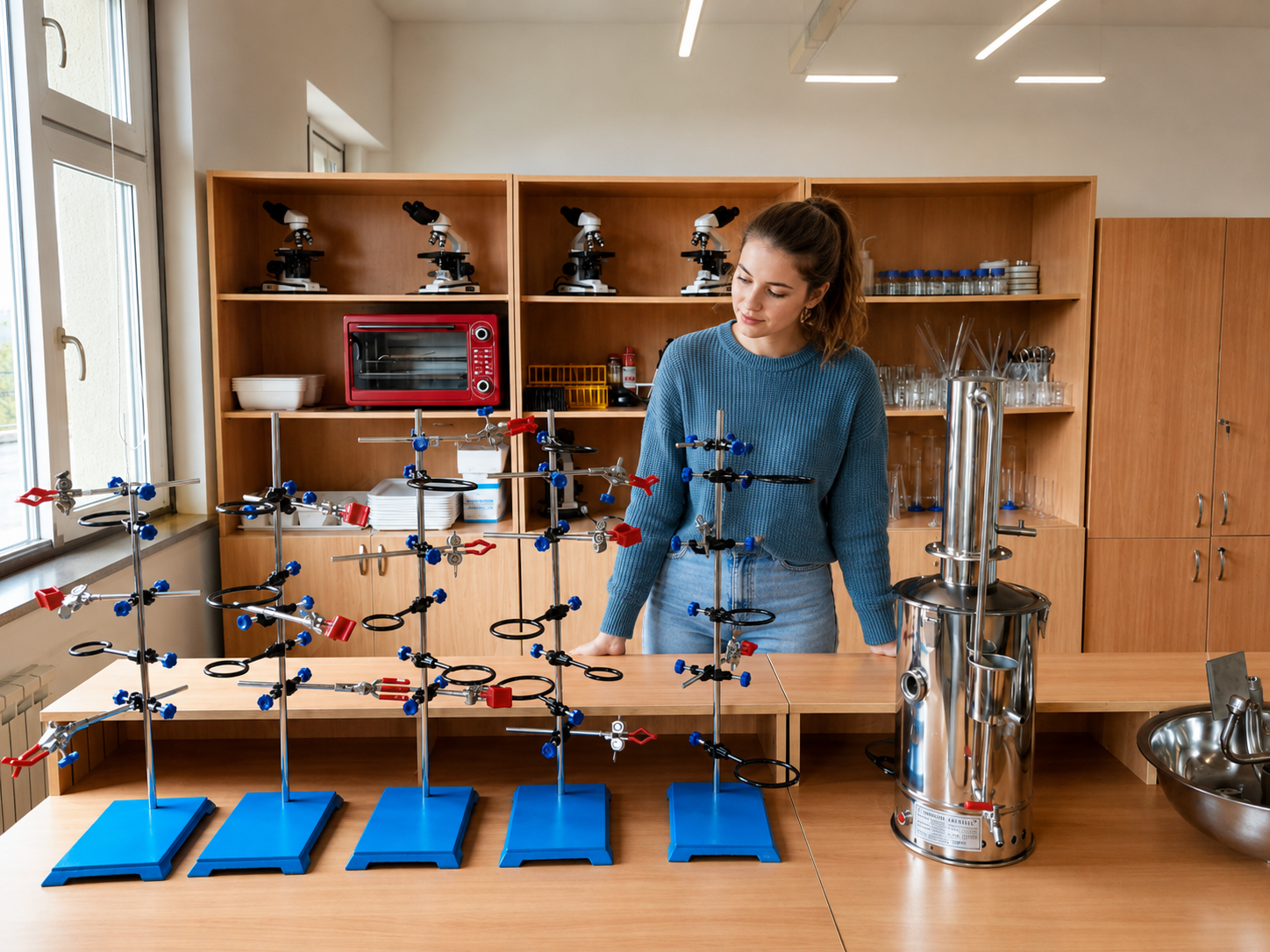
Equipping 439 schools: what a national STEM rollout actually takes
Armenia aims to equip every school with a science laboratory by the end of 2026. A look at the delivery layer of a 439-school rollout: seven laboratory configurations, 1.8 million items, 200+ localised teaching materials — and what ministries should ask suppliers.

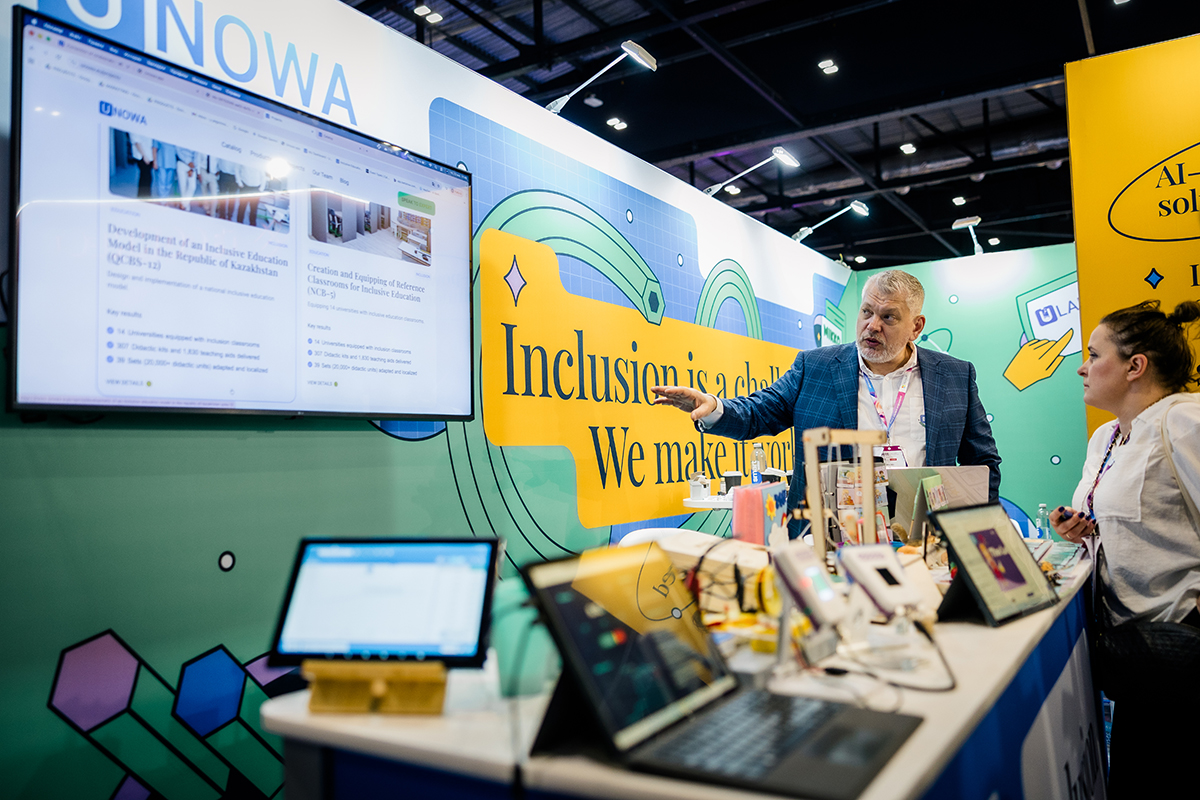
Responsible AI in Education Starts Before the Algorithm
Responsible AI in education depends on knowing what your data actually represents. A UNOWA pilot study shows why measurement validity has to come before AI interpretation.

Differentiated Support in Inclusive Education: Why a Score Is Only the Start
Differentiated support in inclusive education starts where scoring ends. Here's why assessment should answer "what's getting in the way," not just "what's wrong."