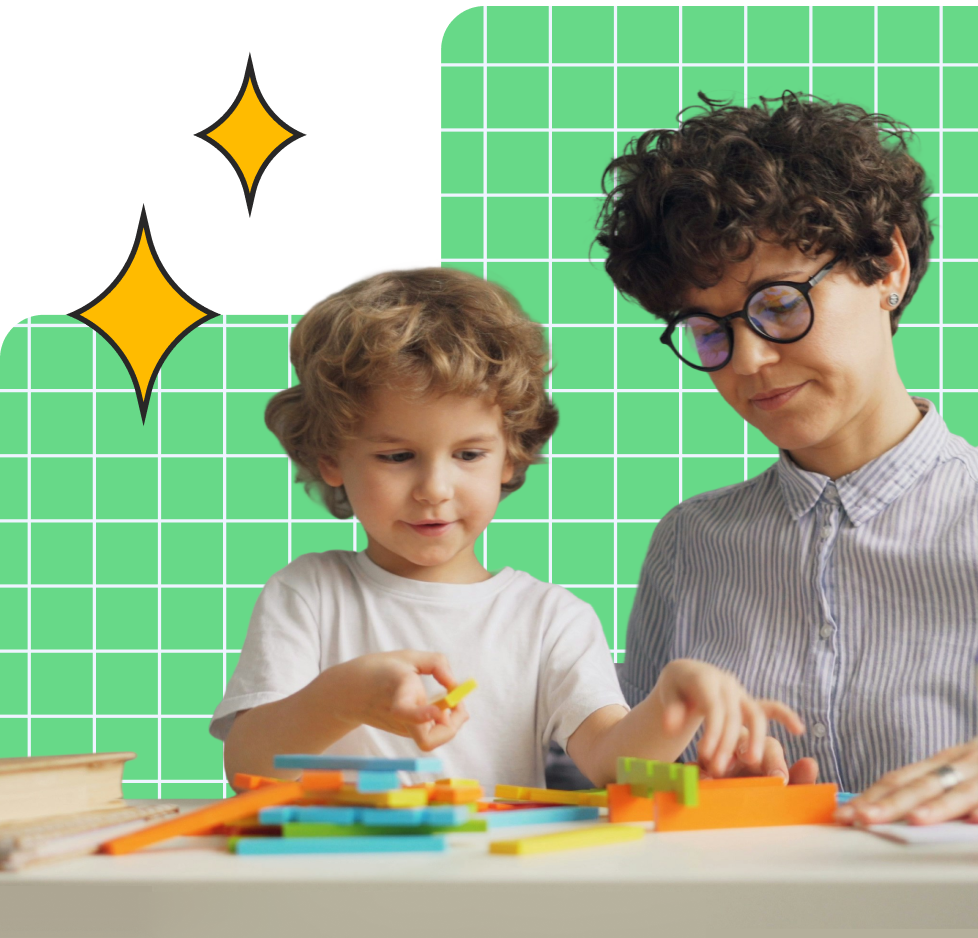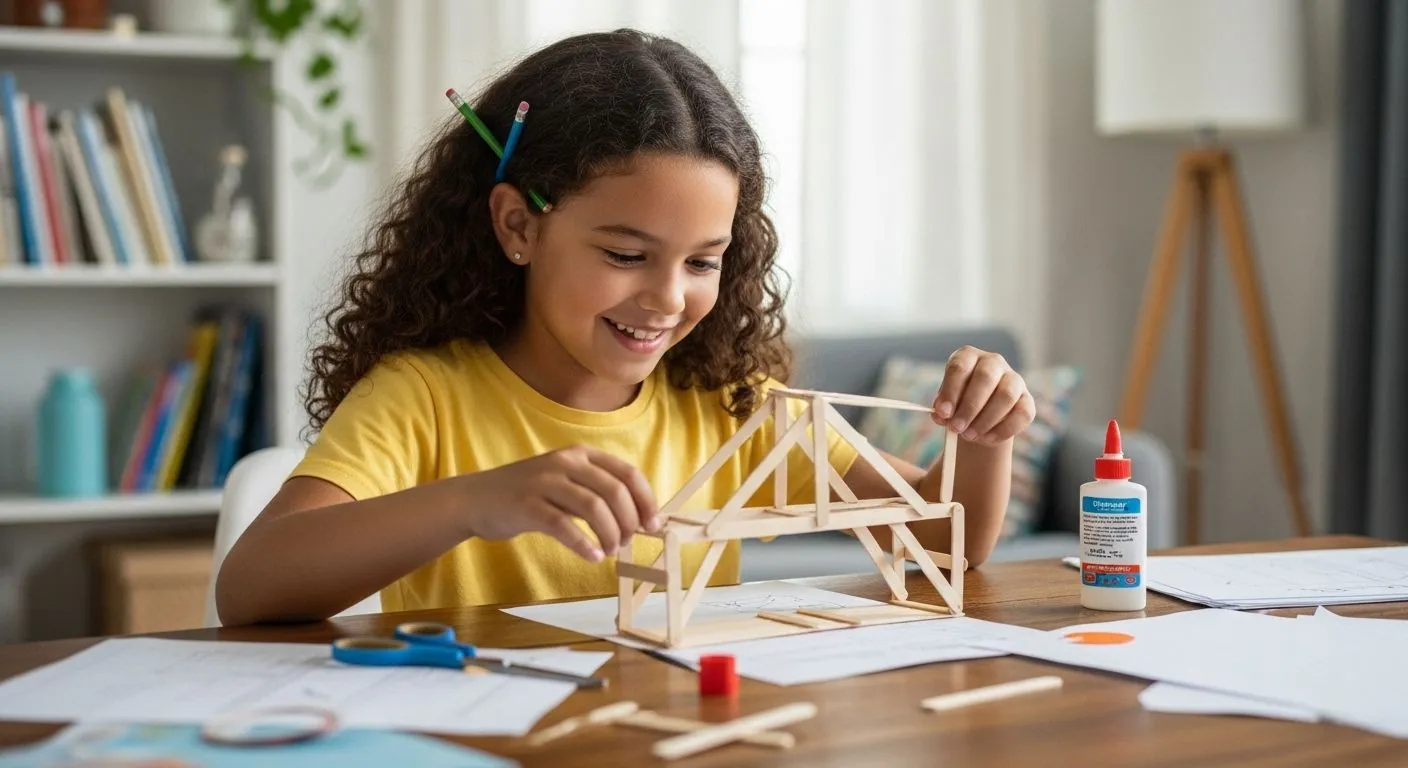

Did you know that 70% of children exposed to hands-on STEM activities at home show improved problem-solving skills, according to recent studies? In this article, we explore how home STEM kits are transforming education, bridging gaps in STEM learning, and supporting inclusive, future-ready curricula — drawing from global insights to empower educators and institutions.
Unlocking Potential with Home STEM Kits
Home STEM kits offer an innovative way to bring science, technology, engineering, and math into everyday learning environments. These kits, packed with interactive tools and experiments, encourage curiosity and creativity beyond traditional classrooms. At UNOWA, we design our home STEM kits to align with national standards, making them adaptable for diverse educational needs.
Research from the Smithsonian Science Education Center highlights that such kits can increase student engagement by up to 40%, fostering a love for STEM from an early age. In regions like the EU and MENA, where STEM education gaps persist, these resources are vital. For instance, a UNESCO report notes that only 29% of researchers worldwide are women, underscoring the need for inclusive tools that inspire all learners (UNESCO STEM Factsheet).
Benefits for Inclusive Education
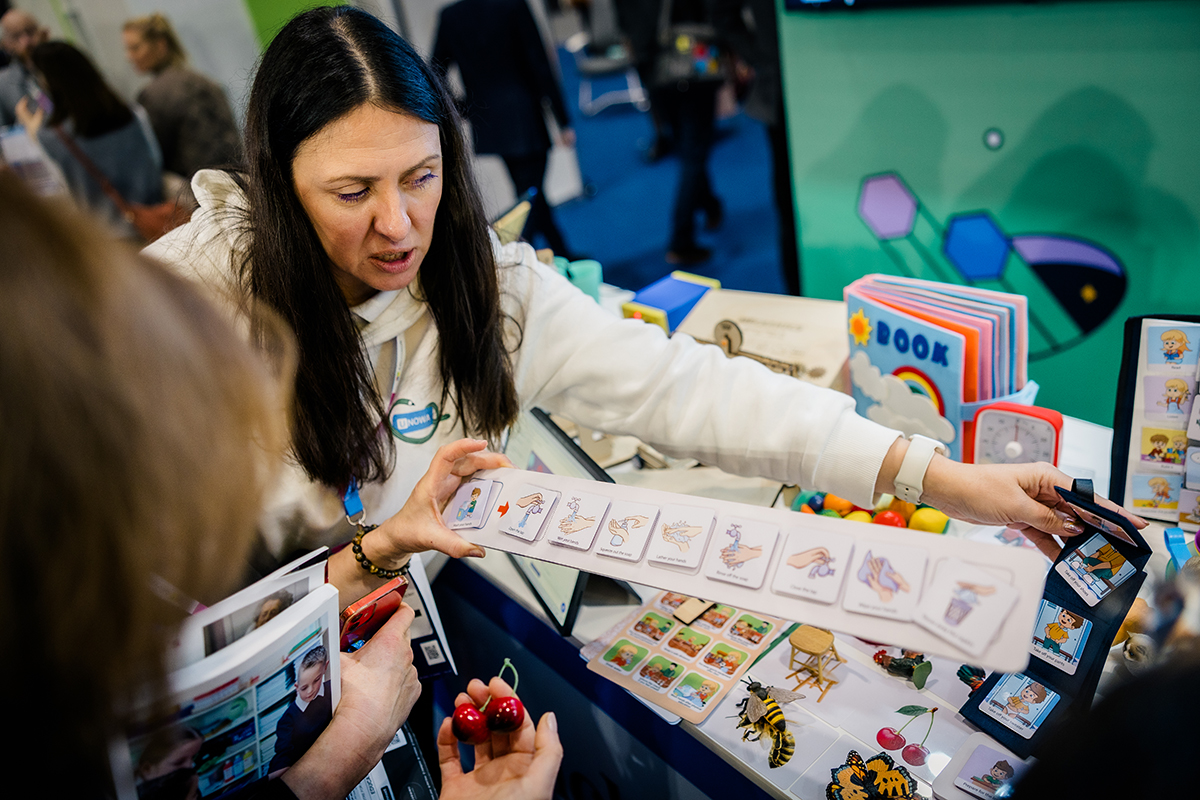
We believe in empowering every child, which is why our home STEM kits incorporate inclusive features for special education needs (SEN). Expert quote from Dr. Jane Smith, an education specialist: "Hands-on kits make abstract concepts tangible, especially for students with learning differences" (Education Week).
Key advantages include:
- Adaptability: Customizable to local curricula in countries like Poland, Saudi Arabia, and Kazakhstan.
- Skill Development: Builds critical thinking, with studies showing 25% improvement in cognitive skills (OECD Education Report).
- Family Involvement: Encourages parental participation, strengthening home-school connections.
Recent news from the EU indicates a surge in STEM initiatives, with Bulgaria and Latvia investing in home-based learning post-pandemic (European Commission Education).
Overcoming Challenges in STEM Adoption
While home STEM kits promise great value, challenges like access and teacher training remain. In CIS countries such as Uzbekistan and Armenia, government guidelines emphasize integrating STEM into national policies, yet only 15% of schools have adequate resources, per a World Bank study (World Bank Education).
Our solutions at UNOWA address these by providing training and analytics, ensuring large-scale impact. A success story: In Qatar, our kits helped boost STEM proficiency by 30% in pilot programs, adapting to local standards for maximum relevance.
Global Trends and Future-Ready Strategies
Trends show a rising demand for home STEM kits in emerging markets, with MENA regions like the UAE leading in innovation (Arab News on STEM). We position ourselves as partners in this transformation, offering comprehensive systems that evolve with educational needs.
For more on our innovative approaches, visit UNOWA.
FAQ
What are home STEM kits? Home STEM kits are educational packages with tools for hands-on experiments in science, technology, engineering, and math, designed for use at home.
How do home STEM kits support inclusive education? They include adaptable materials for SEN, ensuring all students can participate, as supported by UNESCO guidelines.
Are home STEM kits aligned with national standards? Yes, at UNOWA, we tailor them to fit curricula in the EU, MENA, and CIS regions for seamless integration.
What statistics show the impact of home STEM kits? Studies indicate up to 40% increased engagement and 25% better cognitive skills, per sources like the Smithsonian and OECD.
How can institutions implement home STEM kits? Start with our consultation at UNOWA for customized training and deployment strategies.

Check out other articles
Explore the latest perspectives from our digital research team
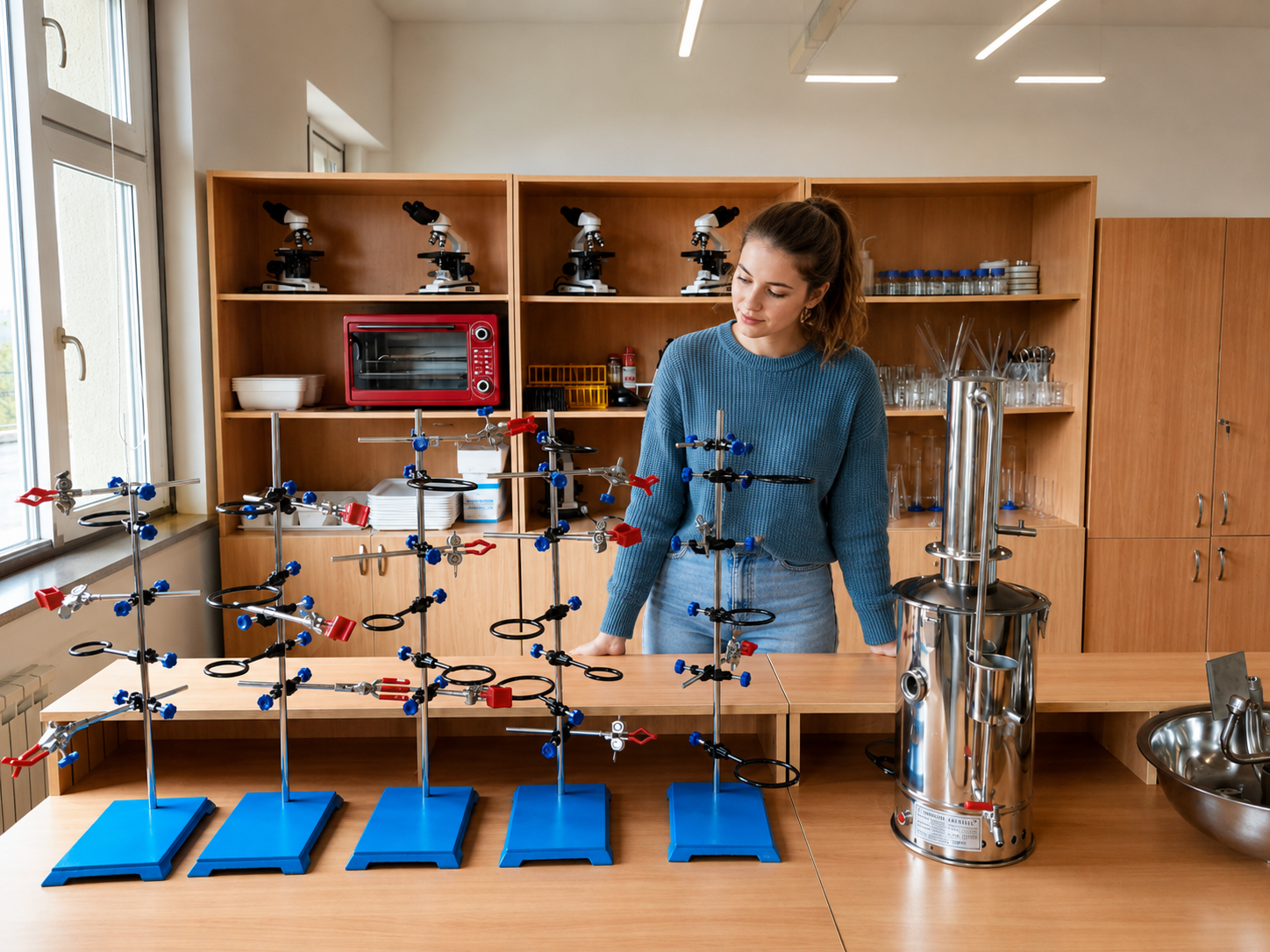
Equipping 439 schools: what a national STEM rollout actually takes
Armenia aims to equip every school with a science laboratory by the end of 2026. A look at the delivery layer of a 439-school rollout: seven laboratory configurations, 1.8 million items, 200+ localised teaching materials — and what ministries should ask suppliers.

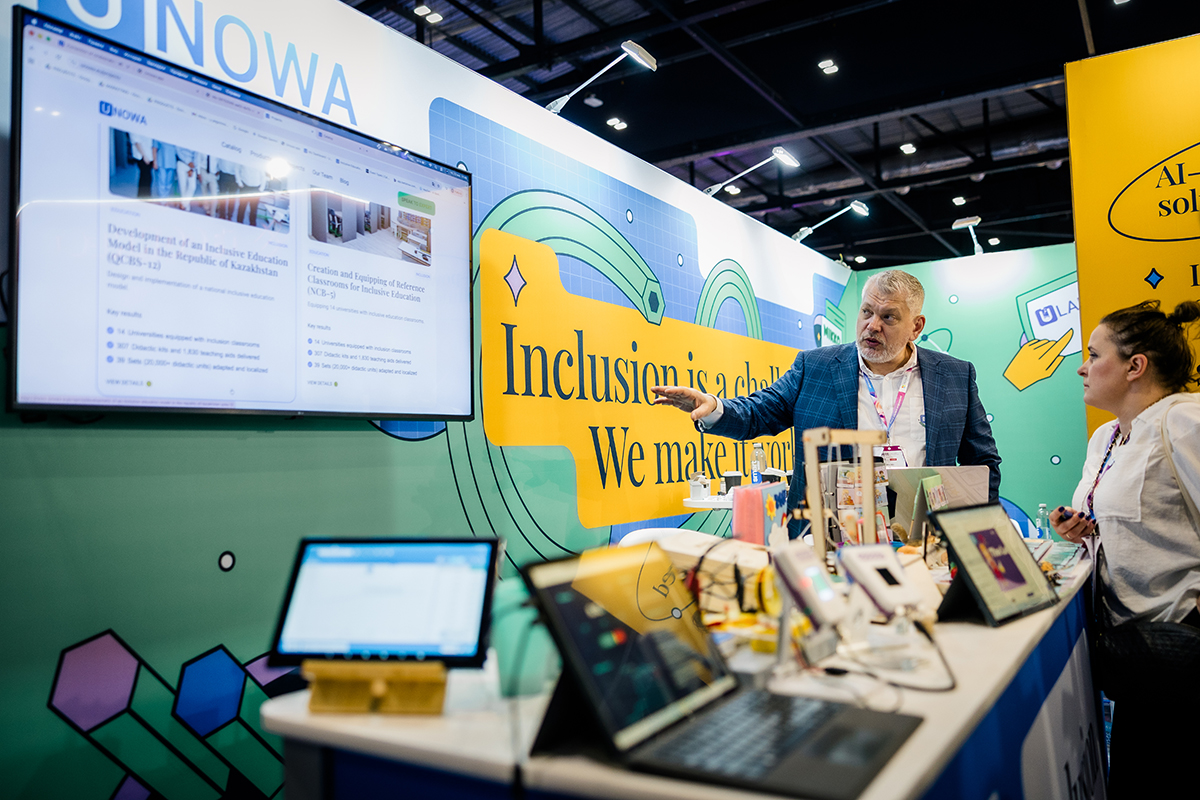
Responsible AI in Education Starts Before the Algorithm
Responsible AI in education depends on knowing what your data actually represents. A UNOWA pilot study shows why measurement validity has to come before AI interpretation.
Differentiated Support in Inclusive Education: Why a Score Is Only the Start
Differentiated support in inclusive education starts where scoring ends. Here's why assessment should answer "what's getting in the way," not just "what's wrong."