Imagine a world where 88 million more children gain access to quality education by 2026, transforming societies through inclusive and innovative learning — global education partnerships are making this a reality. In this article, we explore how these collaborations drive educational reform, address key challenges, and implement proven strategies, with insights from regions like the EU, MENA, and CIS. Drawing on our 15+ years of experience at UNOWA, we position ourselves as partners in creating adaptable, future-ready systems that empower institutions, educators, and students.
The Power of Global Education Partnerships
Global education partnerships represent multi-stakeholder collaborations that unite governments, international organizations, and private entities to fund and reform education systems. According to the Global Partnership for Education (GPE), these initiatives have already reached 107 million students in 2022, distributing 56 million textbooks and training over 675,000 teachers Global Partnership for Education.
At UNOWA, we embody this spirit by designing complete educational systems, including our inclusive MIKKO framework and STEM-focused Ulabs, tailored to national standards. These partnerships emphasize results-based financing, where funding ties to measurable outcomes like improved learning scores and equity indicators, as highlighted by the World Bank, which has invested over US$45 billion in education since 2000 World Bank Education.
Challenges in Building Inclusive and Adaptable Systems
Despite progress, global education partnerships face hurdles such as implementation capacity gaps and political cycles that disrupt long-term reforms. For instance, fragmented donor priorities can complicate national plans, while equity trade-offs risk widening gaps if STEM initiatives overlook marginalized groups.
In regions like Bulgaria and Serbia (EU), challenges include integrating Roma children and Ukrainian refugees, per EU directives on non-discrimination European Commission Education. In MENA countries like Saudi Arabia and the UAE, partnerships must balance rapid edtech adoption with inclusive access for diverse populations, aligning with visions like Saudi Vision 2030. Meanwhile, CIS nations such as Kazakhstan and Uzbekistan grapple with rural-urban divides, where data quality hinders effective policy adaptation OECD Education Policy Outlook.
We at UNOWA address these by offering analytics and training that build resilient, locally adaptable solutions, ensuring no child is left behind.
Proven Strategies from Global Reform Projects
Successful global education partnerships rely on evidence-based approaches. Here are key strategies drawn from GPE and World Bank experiences:
- Teacher Quality Upgrades: Comprehensive training, as in Ethiopia's program for over 100,000 primary teachers, leads to gains in math proficiency World Bank Projects.
- Targeted Infrastructure: Building accessible classrooms with WASH facilities boosts enrollment, especially for girls Global Partnership for Education.
- Data-Driven Adaptation: Implementing EMIS and assessments enables real-time policy adjustments, a model we've scaled in our curriculum-aligned content.
- Community Engagement: Initiatives like school canteens and cash transfers enhance access, as seen in Niger and Benin.
In the EU's Baltic states, partnerships via Erasmus+ foster digital skills and STEM hubs Erasmus+ Programme. For MENA, Gulf states leverage OECD reviews for STEM pipelines, while CIS countries use World Bank support for competency-based curricula in math and science.
By integrating these strategies, we empower partners to create innovative, inclusive education ecosystems. Explore our solutions at UNOWA.
Regional Insights: Tailoring Partnerships for Impact
Global education partnerships adapt to local contexts for maximum effect:
- EU Focus: In Poland, Latvia, and Estonia, collaborations emphasize Roma inclusion and refugee integration, supported by EU structural funds.
- MENA Innovations: Qatar and Oman prioritize edtech for knowledge economies, with UNESCO-backed initiatives on gender equity UNESCO Education.
- CIS Resilience: Armenia and Georgia build shock-resilient systems post-COVID, using GPE's remote learning frameworks.
These efforts align with SDG4 commitments, positioning regions as emerging education hubs. At UNOWA, our 15+ years of delivering over 300 national projects make us ideal partners in these transformations.
FAQ
What are global education partnerships? They are collaborations between governments, donors like the World Bank, and organizations to reform education, focusing on inclusion and innovation Global Partnership for Education.
How do they promote inclusive education? By funding accessible infrastructure, teacher training, and data tools to support marginalized groups, as per GPE's equity mandate.
What role does STEM play in these partnerships? STEM drives future-ready curricula, with initiatives like digital classrooms enhancing employability, especially in MENA and EU regions World Bank Education.
How can institutions join such partnerships? Start with national sector plans and engage grant agents like the World Bank; we at UNOWA offer consultations to align solutions — visit UNOWA.
What challenges do they face? Issues include capacity gaps and equity risks, but strategies like results-based financing help overcome them OECD Insights.

Check out other articles
Explore the latest perspectives from our digital research team
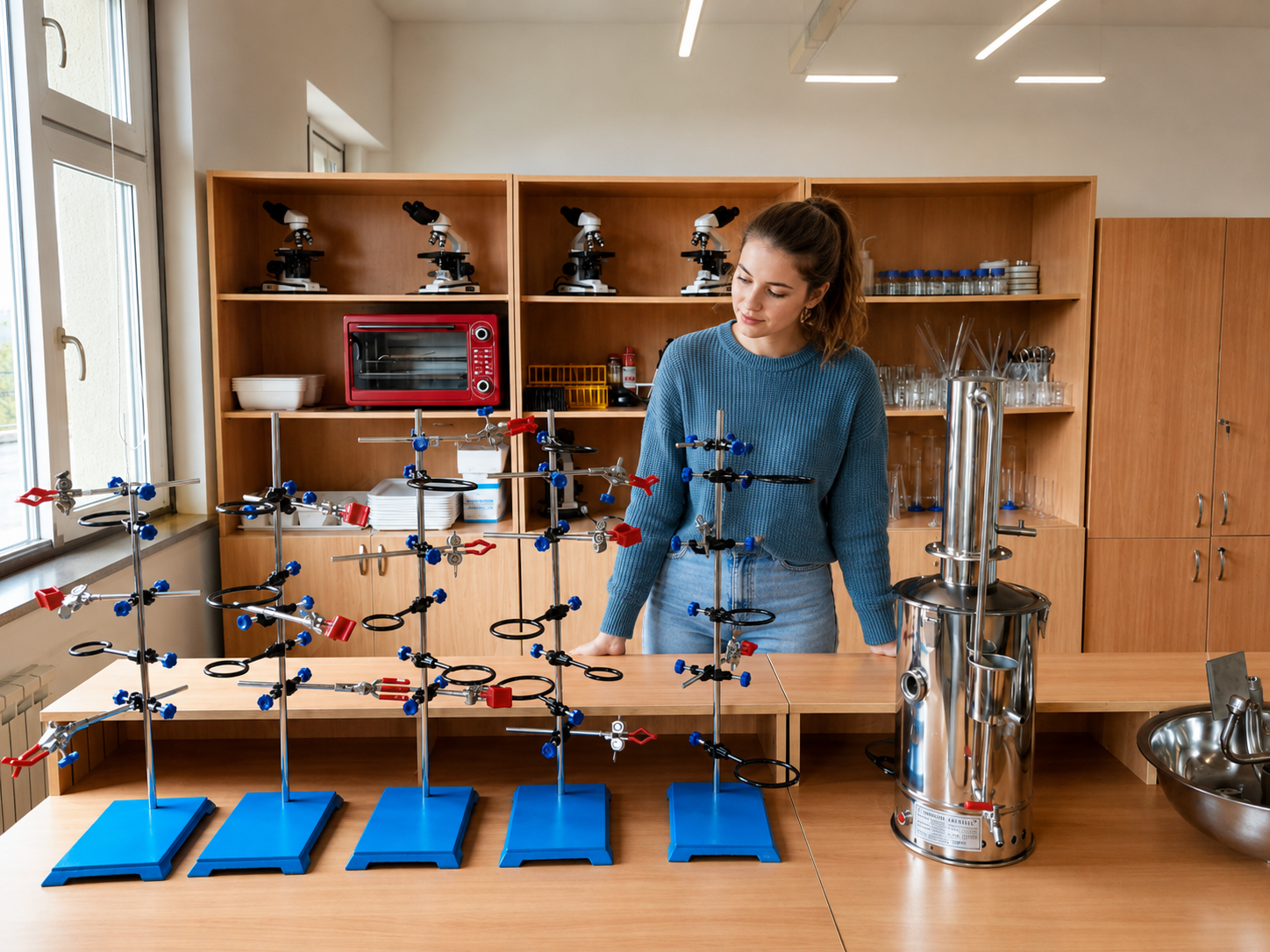
Equipping 439 schools: what a national STEM rollout actually takes
Armenia aims to equip every school with a science laboratory by the end of 2026. A look at the delivery layer of a 439-school rollout: seven laboratory configurations, 1.8 million items, 200+ localised teaching materials — and what ministries should ask suppliers.

Responsible AI in Education Starts Before the Algorithm
Responsible AI in education depends on knowing what your data actually represents. A UNOWA pilot study shows why measurement validity has to come before AI interpretation.
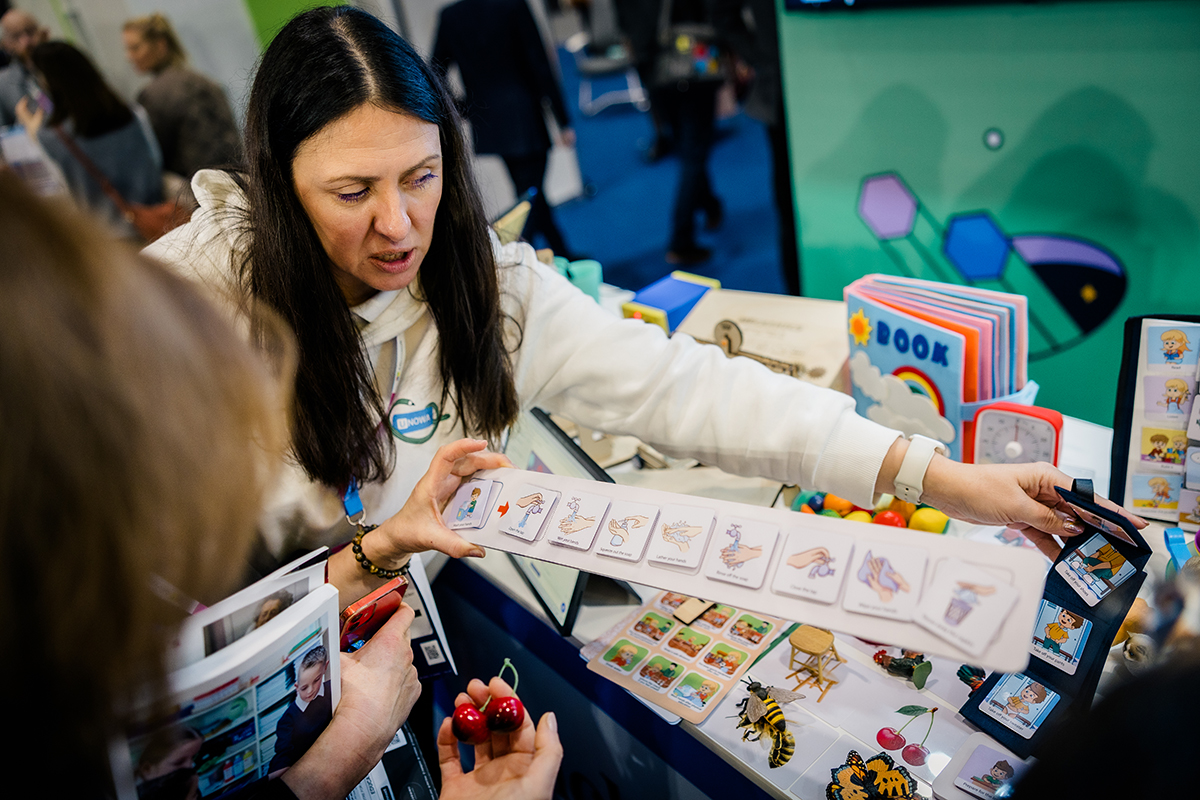
Differentiated Support in Inclusive Education: Why a Score Is Only the Start
Differentiated support in inclusive education starts where scoring ends. Here's why assessment should answer "what's getting in the way," not just "what's wrong."