

Imagine classrooms where walls move, technology empowers every learner, and inclusivity is built into every corner — this is the reality of future classroom design, transforming education worldwide.
In this article, we explore key trends, challenges, and strategies in future classroom design, drawing from global insights to help ministries, educators, and institutions create adaptable, innovative spaces. We'll cover core principles, inclusive elements, STEM integration, and proven implementation tips, positioning us at UNOWA as your partner in educational transformation.
Core Principles of Future Classroom Design
Future classroom design prioritizes flexibility, well-being, and technology integration to support diverse learning modes. Based on research from the Next Generation Learning Challenges (NGLC), well-designed spaces can boost learning outcomes through active pedagogies NGLC's Next Generation Learning Spaces.
Key elements include:
- Flexible layouts: Movable walls and furniture on casters allow quick reconfiguration for lectures, group work, or independent study.
- Zoned environments: Dedicated areas for collaboration, quiet focus, and presentations, such as learning stairs and multi-functional hubs.
- Health-focused features: Standing desks and biophilic elements reduce sedentary time, improving concentration and behavior, as noted in studies linking daylight to better attention OECD Future of Education and Skills 2030.
These principles align with our mission at UNOWA to empower institutions with adaptable solutions like MIKKO for inclusive education.
Inclusive and Accessible Features
In future classroom design, inclusivity ensures every student thrives, reflecting commitments under the UN Convention on the Rights of Persons with Disabilities (CRPD). Designs incorporate Universal Design for Learning (UDL) with sensory nooks and adaptable lighting for neurodiverse learners UNESCO Inclusive Education Guidelines.
Notable strategies:
- Sensory support: Calm rooms and varied seating options for emotional regulation, essential in regions like the EU and MENA.
- Accessibility upgrades: Wide doors, contrast signage, and tech integration, addressing needs in older buildings common in CIS countries.
- Equity focus: Designs that bridge digital divides, ensuring 1:1 device access without exacerbating inequalities.
We at UNOWA integrate these into our Ulabs for STEM, making education compassionate and accessible.
STEM Integration in Future Classroom Design
Future classroom design embeds STEM/STEAM through makerspaces and flexible labs, preparing students for evolving industries. Global projects show these spaces foster team-based problem-solving, with VR/AR enabling virtual simulations European Schoolnet Future Classroom Lab.
Implementation highlights:
- Makerspaces: Equipped with 3D printers and robotics, connected to core classrooms for interdisciplinary projects.
- Future-ready adaptability: Modular setups that pivot from manufacturing to AI, as seen in MENA's education modernization programs.
- Cross-curricular links: Transparent walls linking labs to humanities areas, supporting project-based learning.
Our curriculum-aligned content and training at UNOWA enhance these designs, driving innovation in regions like Saudi Arabia and Kazakhstan.
Challenges and Proven Strategies
While future classroom design promises transformation, challenges like budget constraints and pedagogical readiness persist. In emerging markets, renovations focus on HVAC and accessibility first, yielding outsized impacts World Bank Education Projects.
Effective strategies include:
- Phased approaches: Pilot prototype classrooms to test configurations before scaling.
- Co-design with stakeholders: Involve teachers and students for ownership, as emphasized in EU guidelines.
- Teacher empowerment: Ongoing training to maximize flexible spaces, preventing underuse.
Drawing from over 15 years of experience, we at UNOWA deliver proven solutions, having supported 300+ national projects. Explore our offerings at UNOWA.
FAQ
What is future classroom design? It refers to flexible, tech-integrated spaces that support inclusive, personalized learning aligned with modern pedagogies.
How does future classroom design support inclusivity? By incorporating UDL elements like sensory nooks and accessible tech, ensuring all students, including those with disabilities, can engage fully.
What role does technology play in future classroom design? Embedded tech like interactive whiteboards and VR enables collaborative, real-time learning, with strong infrastructure for cybersecurity.
How can institutions implement future classroom design on a budget? Focus on renovations like converting corridors into learning zones and using modular furniture for high-impact changes without full rebuilds.
Why partner with UNOWA for future classroom design? With our expertise in adaptable systems, we empower your transformation — contact us at UNOWA for a consultation.

Check out other articles
Explore the latest perspectives from our digital research team
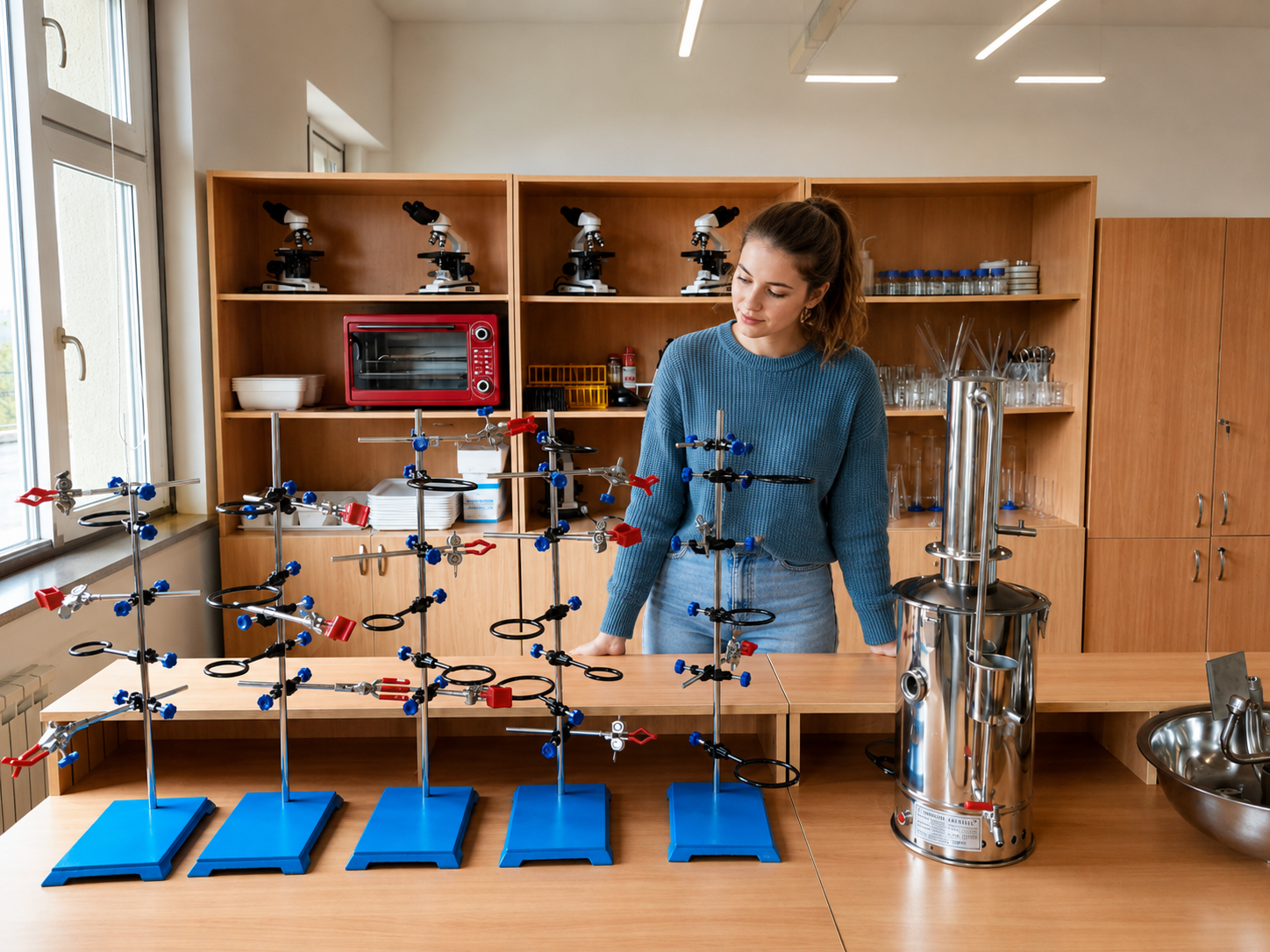
Equipping 439 schools: what a national STEM rollout actually takes
Armenia aims to equip every school with a science laboratory by the end of 2026. A look at the delivery layer of a 439-school rollout: seven laboratory configurations, 1.8 million items, 200+ localised teaching materials — and what ministries should ask suppliers.

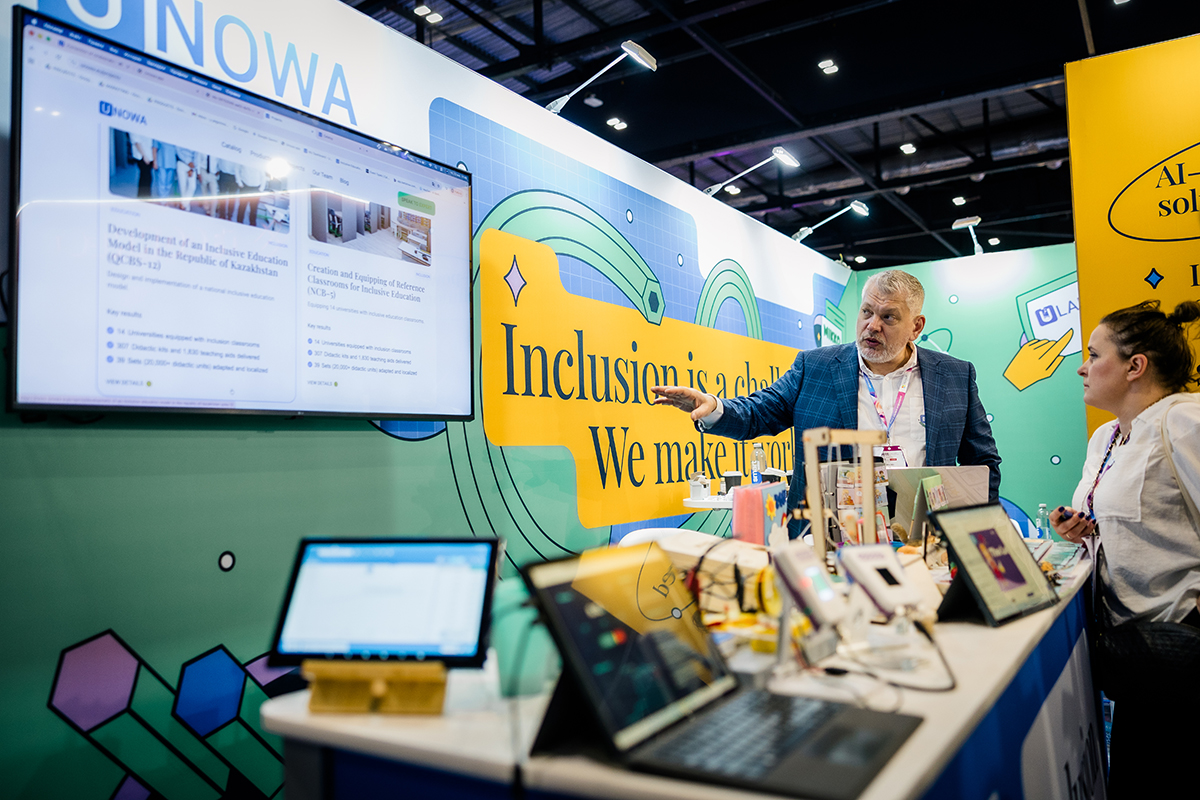
Responsible AI in Education Starts Before the Algorithm
Responsible AI in education depends on knowing what your data actually represents. A UNOWA pilot study shows why measurement validity has to come before AI interpretation.
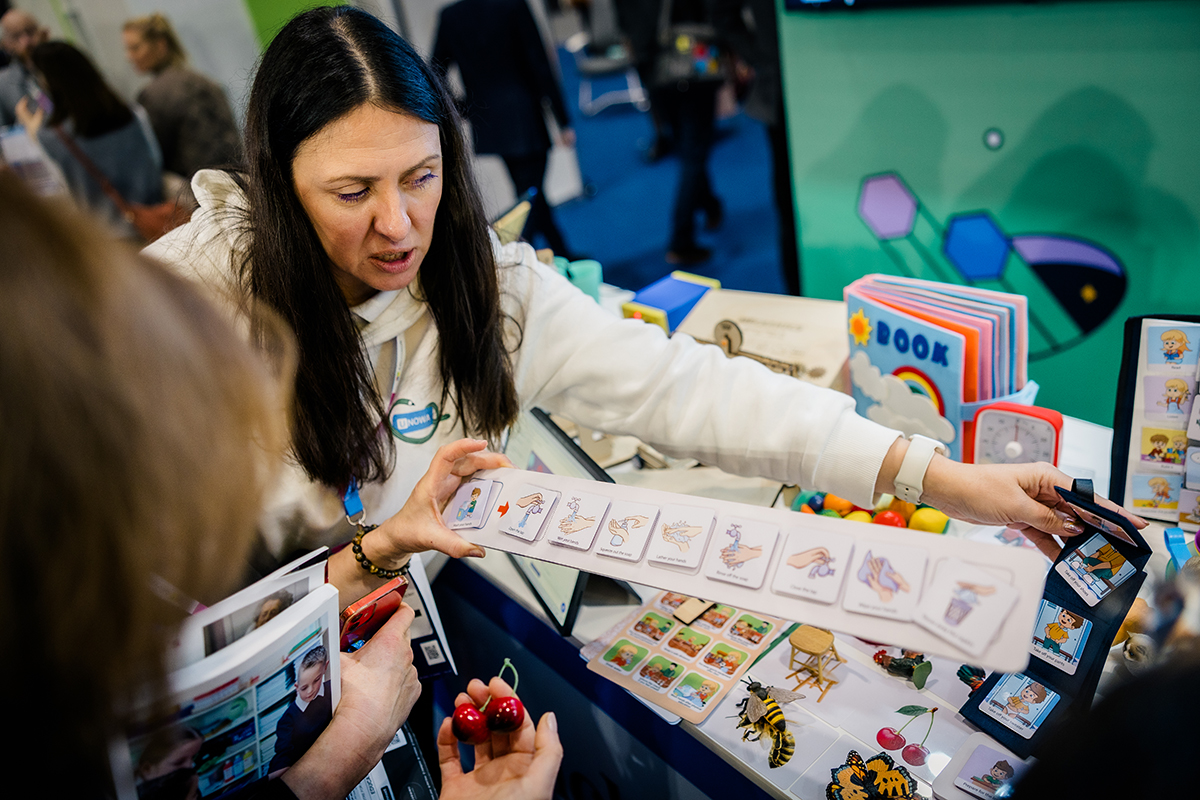
Differentiated Support in Inclusive Education: Why a Score Is Only the Start
Differentiated support in inclusive education starts where scoring ends. Here's why assessment should answer "what's getting in the way," not just "what's wrong."