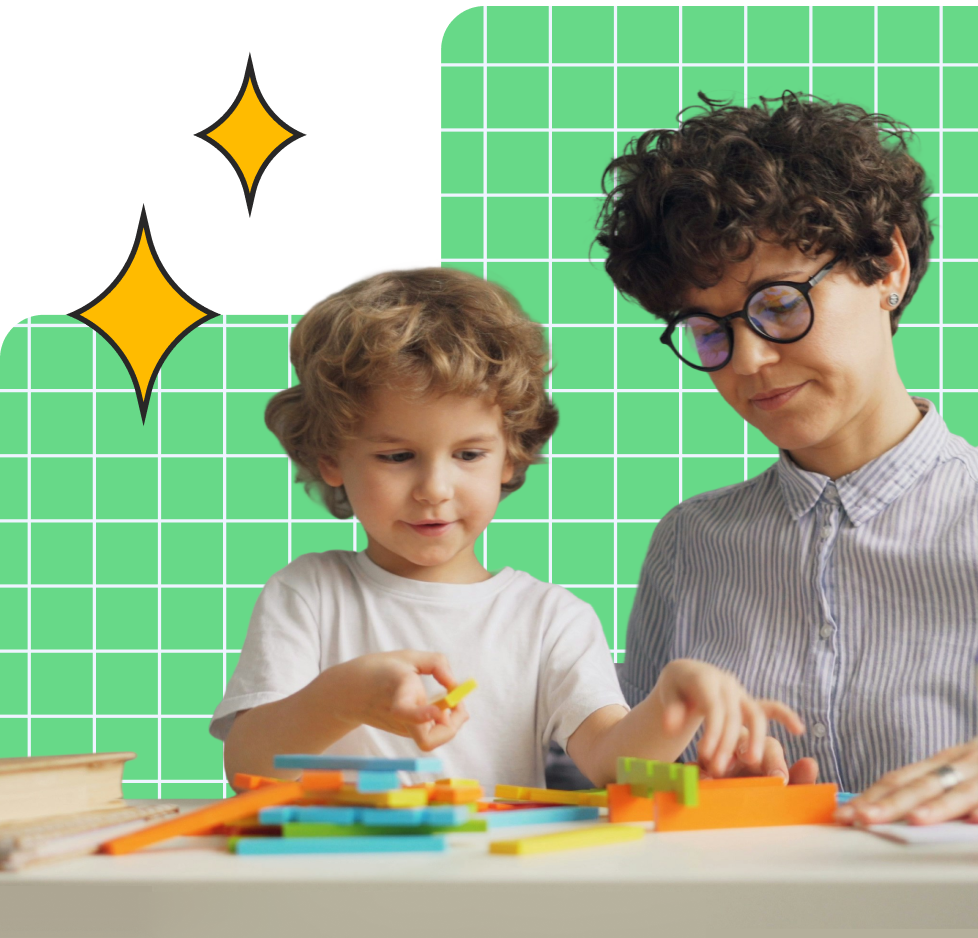

Did you know that flipped classroom training can boost student engagement by up to 75%, transforming passive lectures into dynamic learning experiences? In this article, we explore the essentials of flipped classroom training, its benefits, challenges, and implementation strategies, drawing from global insights to empower educators and institutions. We'll share proven approaches to make your educational programs more inclusive and future-ready, positioning us at UNOWA as your partner in educational transformation.
Understanding Flipped Classroom Training
Flipped classroom training reverses traditional teaching: students engage with core content — such as videos or interactive modules — before class, freeing in-person time for active problem-solving, collaboration, and personalized coaching. This model, rooted in blended learning, aligns seamlessly with our mission at UNOWA to deliver innovative, adaptable educational systems like MIKKO for inclusive education and Ulabs for STEM innovation.
Backed by over 15 years of experience, we’ve seen flipped classroom training yield modest yet consistent gains in learning outcomes. A meta-analysis of 114 studies from 2006–2016 revealed that flipped approaches often move students from below-average to above-average performance on assessments, particularly in skills-based subjects like languages and health sciences source: Review of Educational Research.
Key Benefits of Flipped Classroom Training
Implementing flipped classroom training empowers institutions to foster self-directed learning and higher-order thinking. Here are some standout advantages:
- Increased Engagement: Surveys show three-quarters of faculty report higher student involvement, as class time shifts to interactive activities source: Journal of Online Learning and Teaching.
- Inclusivity for Diverse Learners: Flexible pacing supports students with varying abilities, aligning with our inclusive education tools for special needs (SEN).
- Alignment with Modern Curricula: It promotes competency-based skills like collaboration and problem-solving, essential for employability in regions like the EU, MENA, and CIS.
- Efficiency in Resource Use: Reusable digital content reduces long-term workload, allowing educators to focus on coaching.
In projects across Kazakhstan and Saudi Arabia, we've observed flipped classroom training enhancing outcomes in STEM programs, where pre-class modules build foundational knowledge for hands-on labs.
Challenges and Solutions in Implementation
While powerful, flipped classroom training requires careful planning to avoid pitfalls. Common challenges include uneven technology access and student non-completion of pre-class work, which can undermine gains source: Computers & Education.
To overcome these:
- Provide Support Structures: Offer low-stakes quizzes and clear expectations to ensure preparation.
- Leverage Institutional Resources: Use shared repositories for multimedia, as we do in our curriculum-aligned content.
- Pilot and Scale: Start small, like in one module, to build buy-in— a strategy successful in our EU partnerships in Poland and Latvia.
Expert advice emphasizes treating flipping as a change-management process: "Flipping isn't just about videos; it's about rethinking roles to empower learners," notes education innovator Dr. Eric Mazur source: Harvard Magazine.
Strategies for Successful Flipped Classroom Training
For large-scale impact, integrate flipped classroom training into national standards. In the MENA region, such as UAE and Qatar, policies on digital education encourage blended models, while EU guidelines from bodies like the European Commission stress accessibility source: European Commission Education.
Proven strategies include:
- Design Short Pre-Class Materials: Keep videos to 6–12 minutes with interactive elements.
- Focus In-Class Time: Use it for group discussions, simulations, and feedback.
- Ensure Equity: Address digital divides through accessible tools, as in our adaptable solutions for emerging markets.
- Monitor and Adapt: Analytics from platforms like ours track engagement and refine approaches.
Recent news from Uzbekistan highlights a national pilot where flipped classroom training improved math scores by 15%, supported by government digital initiatives source: UNESCO Education News.
At UNOWA, we’ve delivered over 300 national projects, making us your trusted partner. Explore more at unowa.eu.
FAQ
What is flipped classroom training? It's an approach where students learn new material at home via digital resources, using class time for application and interaction.
How does flipped classroom training benefit inclusive education? It allows personalized pacing, supporting diverse needs and aligning with tools like our MIKKO system for SEN.
What are common challenges in adopting flipped classroom training? Issues like technology access and preparation can arise, but structured support and piloting mitigate them.
Is flipped classroom training suitable for all subjects? It excels in skills-based areas like STEM but requires adaptation for abstract topics.
How can institutions get started with flipped classroom training? Contact us at unowa.eu for consultations on integrating it into your curriculum.

Check out other articles
Explore the latest perspectives from our digital research team
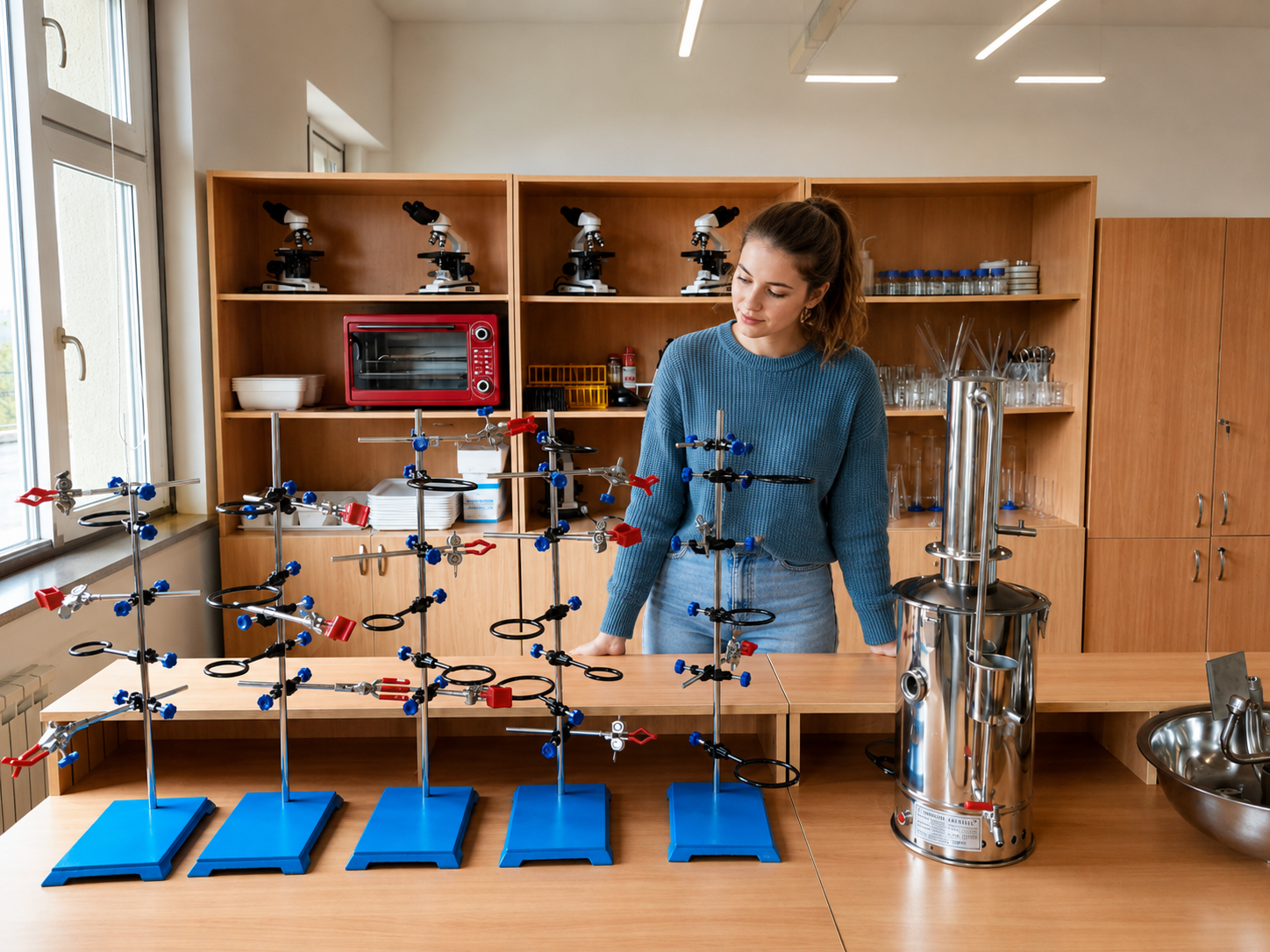
Equipping 439 schools: what a national STEM rollout actually takes
Armenia aims to equip every school with a science laboratory by the end of 2026. A look at the delivery layer of a 439-school rollout: seven laboratory configurations, 1.8 million items, 200+ localised teaching materials — and what ministries should ask suppliers.

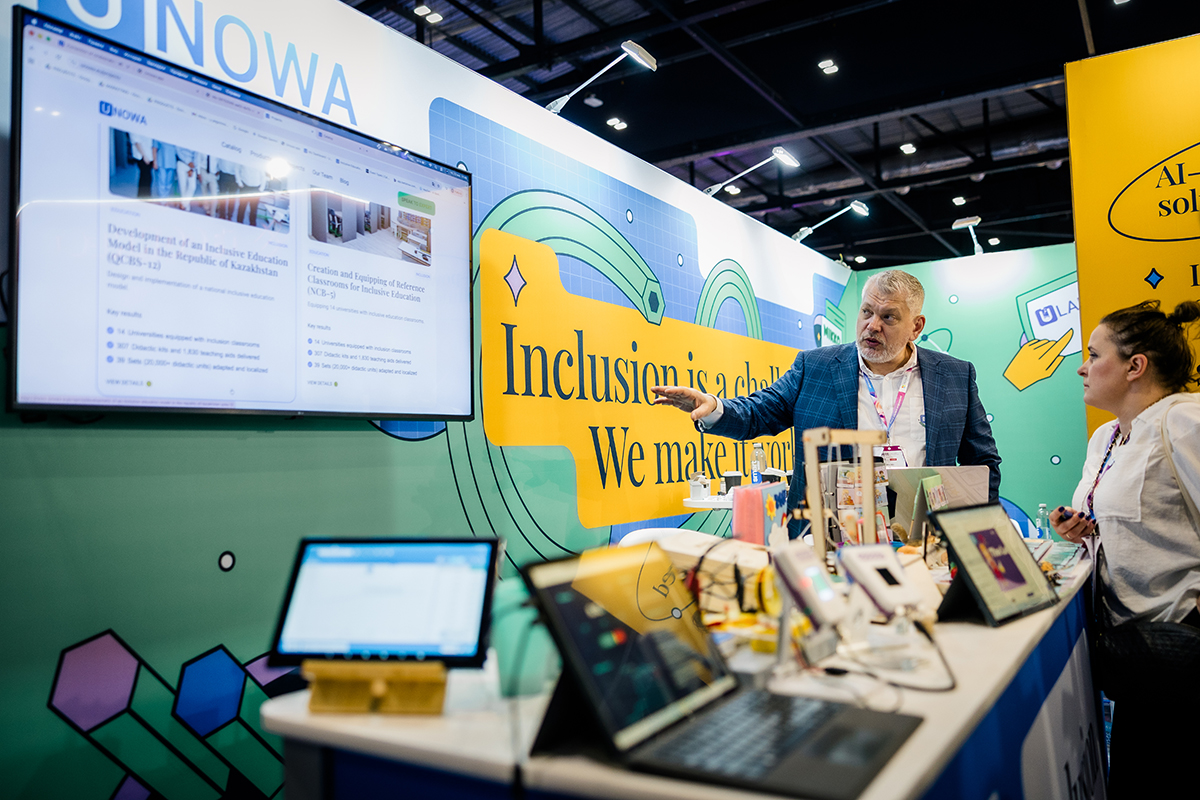
Responsible AI in Education Starts Before the Algorithm
Responsible AI in education depends on knowing what your data actually represents. A UNOWA pilot study shows why measurement validity has to come before AI interpretation.
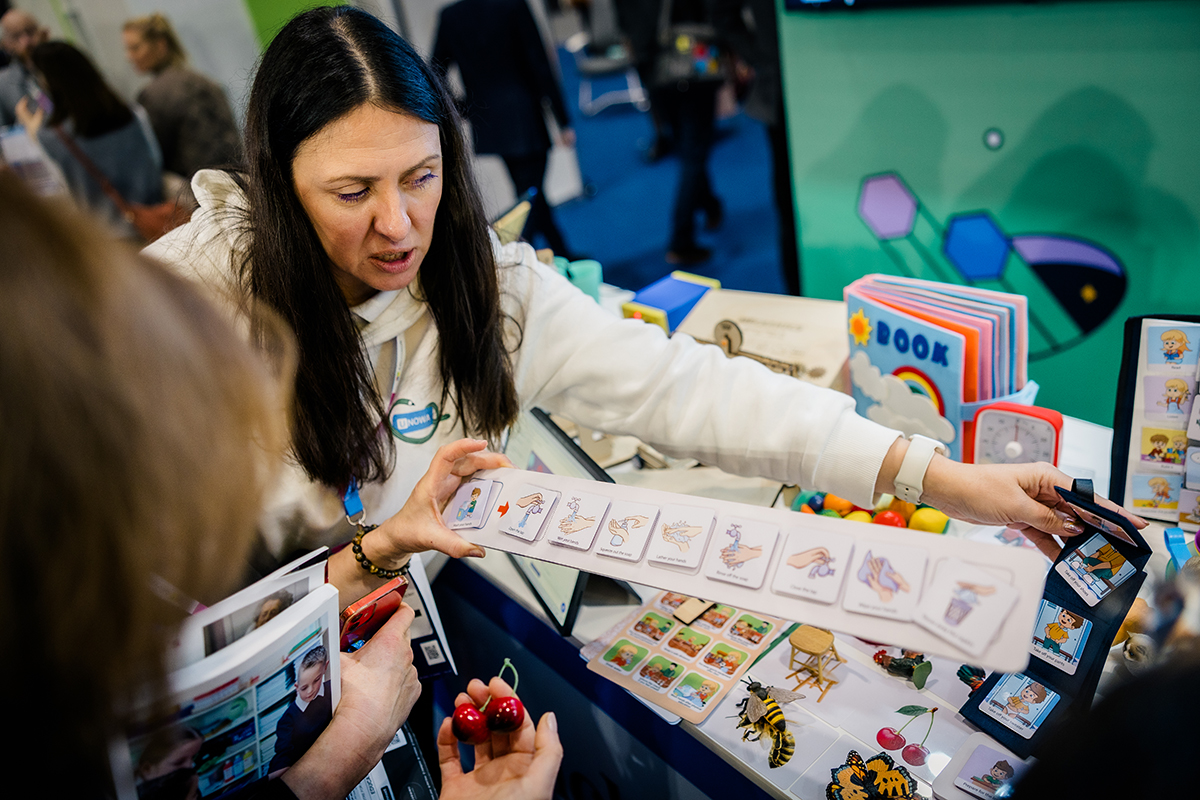
Differentiated Support in Inclusive Education: Why a Score Is Only the Start
Differentiated support in inclusive education starts where scoring ends. Here's why assessment should answer "what's getting in the way," not just "what's wrong."