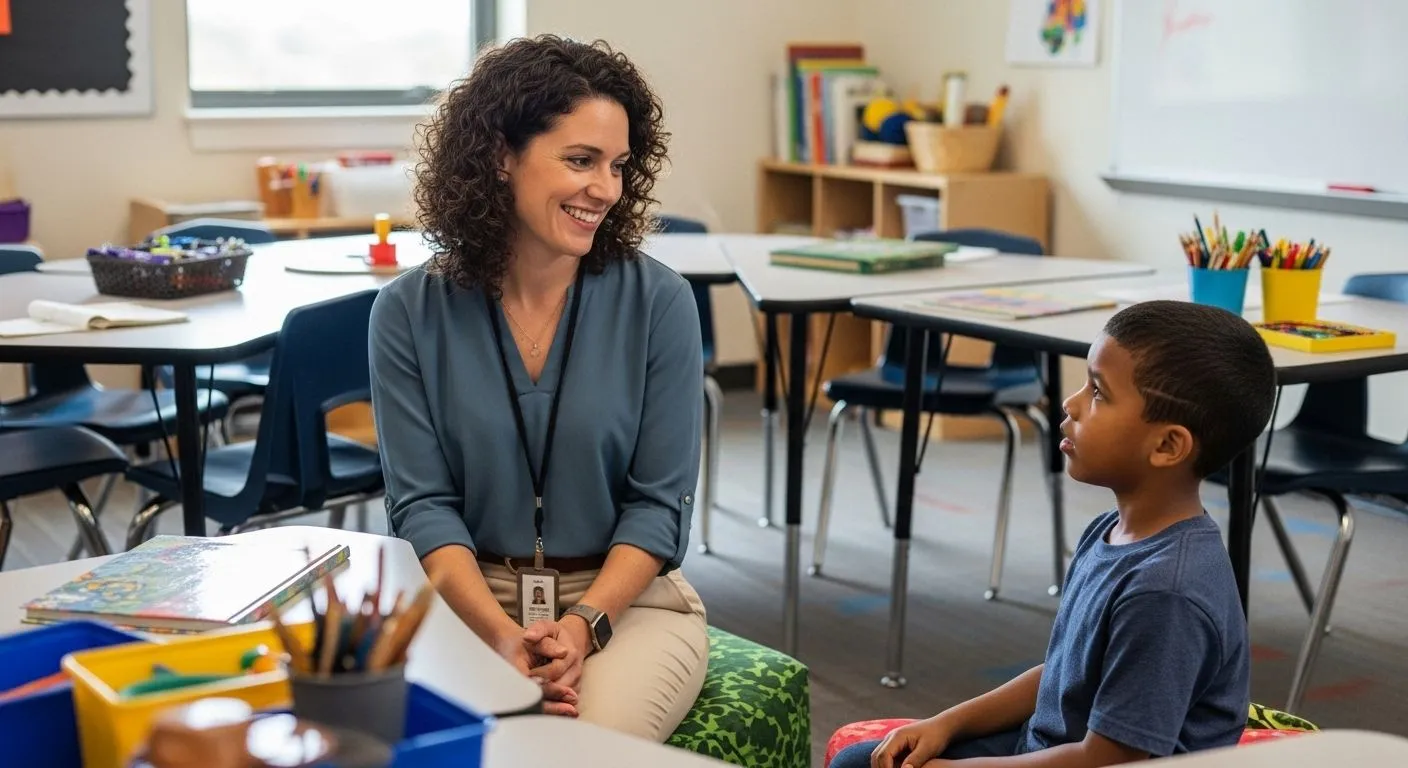

Did you know that 78% of students report better concentration in classrooms with flexible seating, transforming traditional learning into dynamic, engaging experiences? In this article, we explore how flexible classroom furniture empowers educators and students, supports inclusive and STEM-focused education, and aligns with global reforms — drawing on proven strategies to position your institution for future-ready success.
Benefits of Flexible Classroom Furniture
Flexible classroom furniture — including movable desks, ergonomic chairs, and modular seating — revolutionizes learning environments by fostering engagement and inclusivity. According to the National Education Association (NEA), 64% of students participate more actively when given seating choices, with 88% of those facing mental health challenges noting improved focus.
Key advantages include:
- Enhanced student engagement: Reduces behavioral issues and boosts motivation through movement and choice.
- Academic gains: Promotes critical thinking and collaboration, as evidenced by studies showing better on-task behavior.
- Physical well-being: Improves posture and energy levels, helping students burn calories and enhance brain oxygen flow.
For neurodiverse learners, such as those with ADHD or dyslexia, this furniture provides essential movement options, making education more accessible and compassionate.
Supporting Modern Pedagogy and STEM Innovation
At UNOWA, we see flexible classroom furniture as the backbone of student-centered learning. It enables quick shifts from lectures to group projects, aligning with 21st-century skills like problem-solving and creativity.
In STEM contexts, modular setups facilitate hands-on activities:
- Rapid reconfiguration for labs and prototyping.
- Dedicated zones for robotics and coding, as implemented in districts like Manteca Unified School District.
Expert Kayla Delzer notes, “This isn’t a fad. I think it will eventually evolve into the way all classrooms look,” highlighting its role in preparing students for innovative workplaces (We Are Teachers).
Case Studies and Real-World Experiences
Real transformations underscore the impact of flexible classroom furniture. In early childhood settings, Kaplan Early Learning Company reports reduced management time and stronger community building, with teachers observing, “Flexible learning environments are paramount to children's academic, social, and emotional success.”
A district-wide example from Manteca USD involved piloting wobble stools and cushions, leading to improved engagement across grades. Feedback-driven designs created archetypes for various pedagogies, proving scalable for large reforms.
Design Principles and Professional Advice
Designing with flexible classroom furniture requires thoughtful planning. Prioritize variety — mixing standing desks, soft seating, and mobile storage — for ergonomic, safe spaces.
Professional tips include:
- Mobility and zoning: Use casters for easy reconfiguration and create quiet corners for inclusive needs.
- Integration with tech: Ensure cable management supports digital learning.
- Implementation strategy: Start small, involve stakeholders, and provide training, as advised by Edutopia.
We at UNOWA guide these processes, drawing on over 15 years of experience to tailor solutions that meet national standards.
Regional Trends in Educational Transformation
Across our focus regions, flexible classroom furniture aligns with policy shifts toward inclusive, competency-based education.
In the EU (e.g., Poland and Estonia), EU-funded projects emphasize STEM labs, with flexible setups enabling digital agendas. MENA nations like the UAE invest in innovation hubs under visions like Centennial 2071, using reconfigurable spaces for project-based learning. In CIS countries such as Kazakhstan, donor-funded renovations extend modern designs to ordinary schools, supporting curriculum reforms.
These trends position flexible classroom furniture as a cost-effective enabler for equity and innovation. Explore more at UNOWA.
FAQ
What is flexible classroom furniture? It includes movable, modular items like adjustable desks and ergonomic seats that adapt to various learning activities, promoting inclusivity and engagement.
How does it benefit inclusive education? By offering choices for neurodiverse students, it supports sensory needs and reduces barriers, as per NEA insights on ADHD and anxiety.
Is it aligned with national standards? Yes, it complies with ergonomic and accessibility guidelines, such as UN CRPD principles, and enhances competency-based curricula in regions like the EU and MENA.
How can we implement it in our institution? Start with pilots, involve educators, and partner with us at UNOWA for customized, scalable solutions.
What are the costs and sustainability aspects? While initial investments vary, modular designs offer long-term savings through durability and adaptability, aligning with green procurement policies.

Check out other articles
Explore the latest perspectives from our digital research team
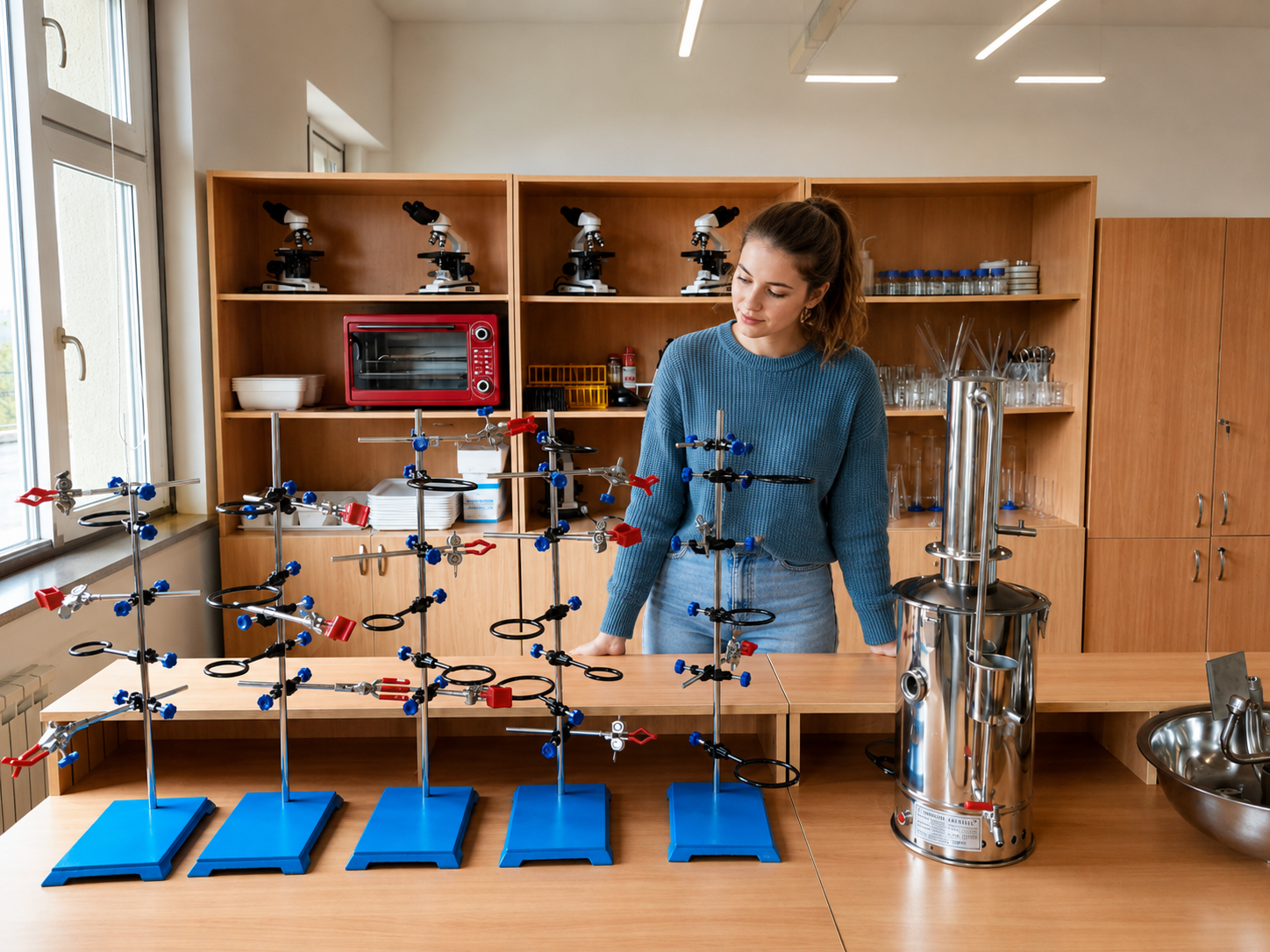
Equipping 439 schools: what a national STEM rollout actually takes
Armenia aims to equip every school with a science laboratory by the end of 2026. A look at the delivery layer of a 439-school rollout: seven laboratory configurations, 1.8 million items, 200+ localised teaching materials — and what ministries should ask suppliers.

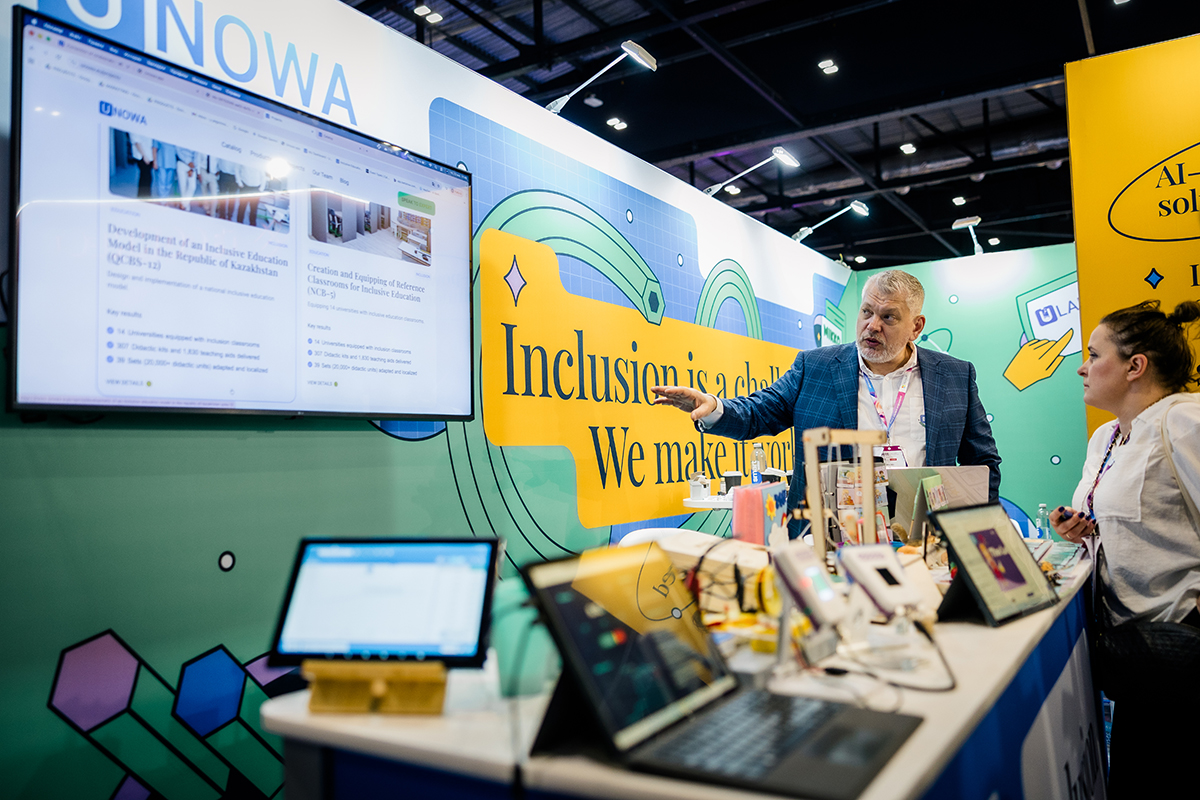
Responsible AI in Education Starts Before the Algorithm
Responsible AI in education depends on knowing what your data actually represents. A UNOWA pilot study shows why measurement validity has to come before AI interpretation.
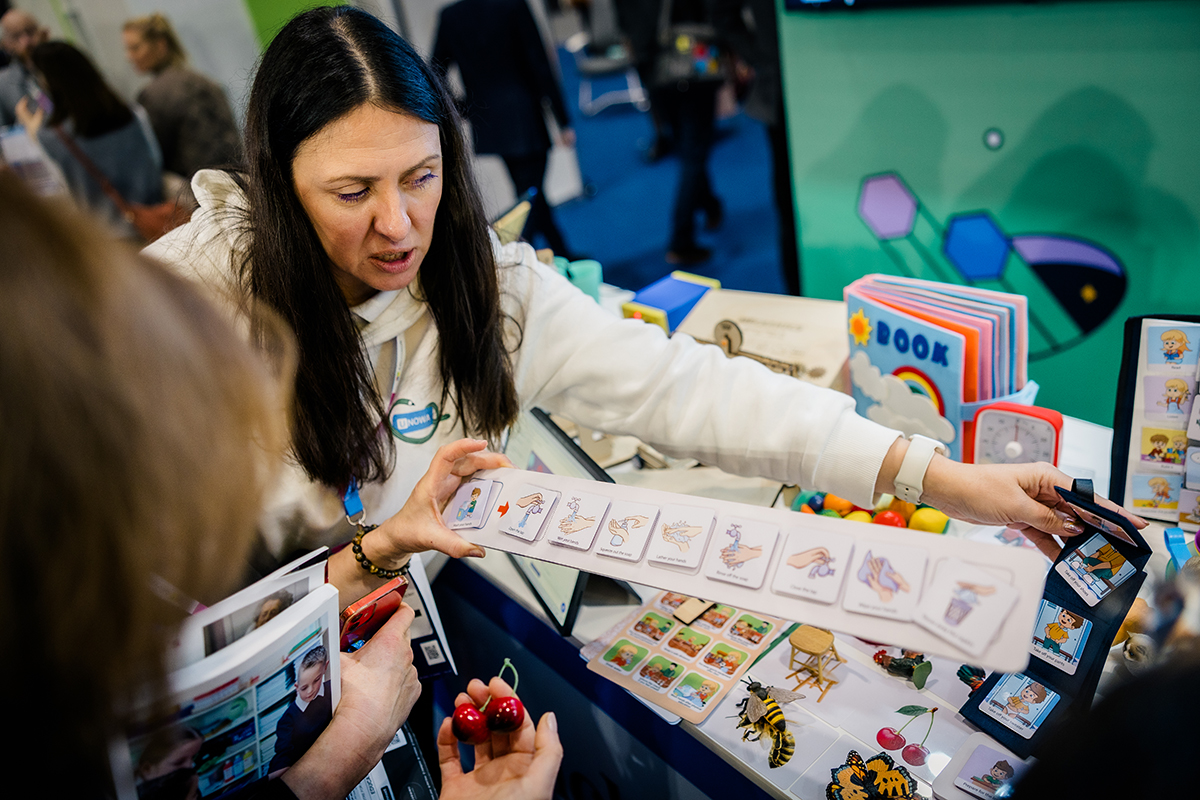
Differentiated Support in Inclusive Education: Why a Score Is Only the Start
Differentiated support in inclusive education starts where scoring ends. Here's why assessment should answer "what's getting in the way," not just "what's wrong."