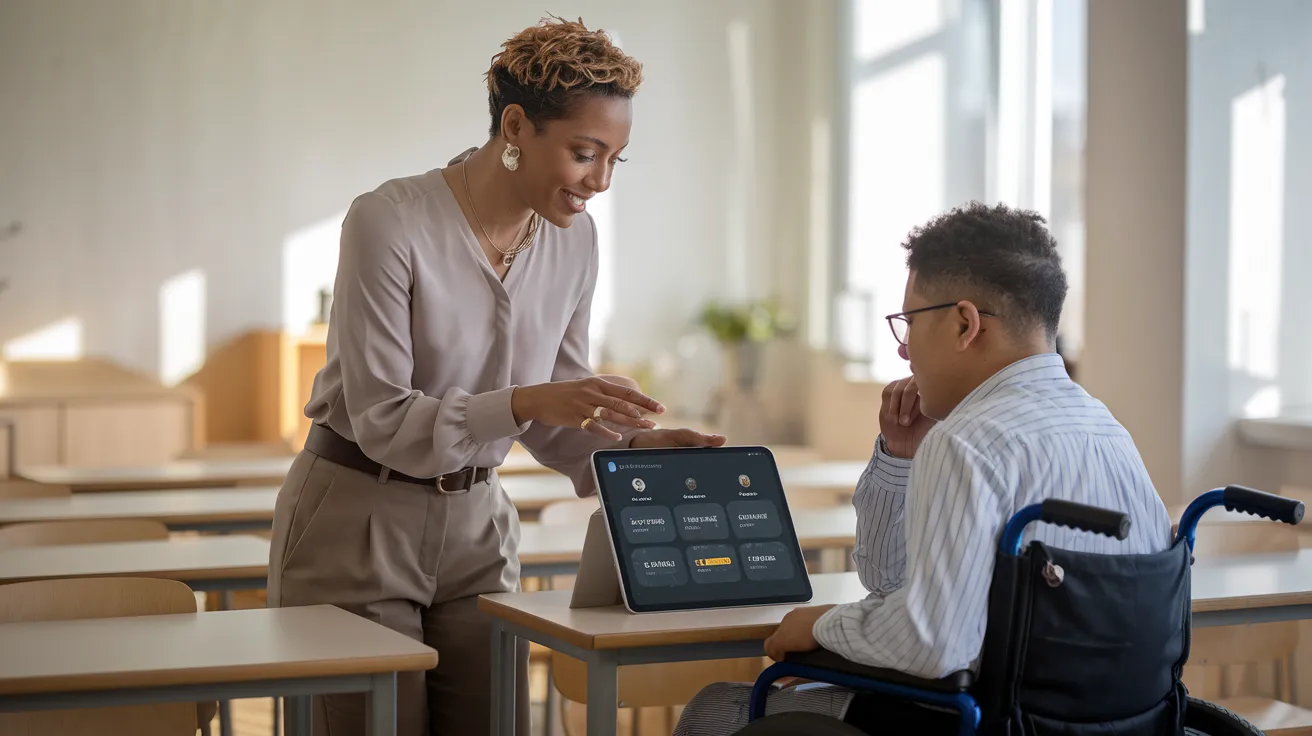

Artificial intelligence is rapidly transforming education, offering unprecedented opportunities for personalized learning, efficiency, and large-scale impact. However, as AI becomes more deeply embedded in student evaluations, ethical concerns — particularly around AI bias in education — demand urgent attention. At UNOWA, we are committed to empowering institutions, educators, and students with innovative, inclusive, and responsible educational solutions. In this article, we explore the complexities of AI bias in student evaluations, drawing on the latest research, regulations, and best practices from the EU, MENA, and CIS regions.
The Rise of AI in Student Evaluations
AI adoption in education has surged globally. By 2025, an estimated 92% of students will have used AI in some form, compared to just 66% in 2024. Nearly half of students (45%) report using AI while at school, and institutions are increasingly integrating AI-powered tools into assessment and feedback processes (source). This rapid growth is reshaping how learning is measured and valued.
Yet, with opportunity comes responsibility. As AI systems become gatekeepers of academic success, the risk of bias — whether in grading, feedback, or access — raises profound ethical questions.
Understanding AI Bias in Education
AI bias in education refers to systematic and unfair outcomes produced by algorithms, often due to biased training data or flawed design. In student evaluations, this can manifest as:
- Perpetuation of stereotypes: AI trained on historical data may reinforce existing inequalities, disadvantaging students from underrepresented backgrounds.
- Unfair grading: Automated assessment tools may misinterpret diverse linguistic, cultural, or neurodiverse expressions, leading to inaccurate or unjust results.
- Lack of transparency: Students and educators may not understand how AI decisions are made, undermining trust and accountability.
Key Statistics
- 40% of students believe AI-generated content would receive a good grade; 34% disagree, highlighting uncertainty about AI’s fairness.
- 80% of students say their institution has a clear AI policy, but only 36% have received support to develop AI skills.
- 42% of students feel staff are well-equipped to help with AI, up from 18% in 2024.
Regional Perspectives: EU, MENA, and CIS
European Union (EU)
The EU leads globally in regulating AI in education. The AI Act (2024) classifies educational AI systems as “high-risk,” mandating:
- Strict transparency: Institutions must explain how AI is used in evaluations.
- Non-discrimination: Regular audits are required to detect and mitigate bias.
- Human oversight: AI cannot be the sole assessor in high-stakes decisions.
These measures aim to protect students’ rights and promote fairness, especially in multilingual and multicultural contexts (European Commission AI Act).
MENA Region
Countries in the Middle East and North Africa are rapidly adopting AI in education, with emerging guidelines inspired by EU standards. Key priorities include:
- Data protection: Safeguarding student privacy in AI-driven assessments.
- Fairness: Ensuring AI tools do not exacerbate existing inequalities.
- Resource disparities: Addressing gaps in infrastructure and access.
CIS Countries
In the CIS region, interest in AI-driven education is growing. Policies are often modeled on EU frameworks, with a focus on:
- Transparency and fairness: Adapting best practices to local contexts.
- Staff training: Bridging gaps in AI literacy among educators.
- Infrastructure development: Ensuring equitable access to AI tools.
Ethical Concerns: Beyond the Algorithm
Perpetuating Inequality
AI systems can inadvertently reinforce social and cultural biases present in historical data. For example, if an AI grading tool is trained primarily on essays from native speakers, it may unfairly penalize students who use different linguistic structures or cultural references.
Misinformation and Deepfakes
The rise of AI-generated misinformation and deepfakes poses new challenges for academic integrity. Institutions must develop robust policies to detect and address these risks, protecting the credibility of student evaluations (UNESCO AI in Education).
Intellectual Property and Privacy
Students are increasingly concerned about the ownership and privacy of their data when using AI tools. Transparent policies and robust data protection measures are essential to build trust and safeguard intellectual property.
Expert Insights and Professional Advice
“Institutions should not adopt a mainly punitive approach; instead, their AI policies should reflect that AI use by students is inevitable and often beneficial. Institutions should share best practice and work together to design effective teaching and learning strategies.” — Jisc Report on AI in Education
At UNOWA, we echo this sentiment. Rather than restricting AI, we advocate for empowering both students and educators through AI literacy, transparency, and collaboration.
Best Practices for Ethical AI in Student Evaluations
1. Continuous Review and Bias Auditing
Regularly update assessment practices and audit AI systems for bias, especially in diverse and multicultural environments. This ensures that algorithms evolve alongside student needs and societal values.
2. Transparency and Communication
Clearly communicate how AI is used in evaluations. Students should understand the criteria, processes, and limitations of AI-driven assessments.
3. Human Oversight
Maintain human involvement in high-stakes decisions. AI should support, not replace, educators’ professional judgment — especially in cases where context and nuance matter.
4. AI Literacy Training
Provide ongoing training for both students and staff. Only 36% of students currently receive institutional support to develop AI skills, despite 80% of institutions having clear AI policies. Bridging this gap is critical for responsible and effective AI use.
5. Collaboration and Sharing Best Practices
Foster a culture of ethical AI use by sharing best practices across institutions and regions. Collaboration accelerates learning and helps address shared challenges.
Regulatory Landscape: What Institutions Need to Know
- EU: The AI Act sets a global benchmark for transparency, fairness, and human oversight in educational AI.
- MENA: Countries are developing guidelines focused on data protection and fairness, often inspired by EU standards.
- CIS: Policy development is ongoing, with pilot projects and staff training as key priorities.
For more on regulatory developments, visit the European Commission’s AI Policy.
UNOWA’s Commitment to Ethical, Inclusive AI
With over 15 years of experience and a track record of delivering over 300 national projects, we at UNOWA are dedicated to transforming learning experiences for the better. Our solutions — ranging from inclusive education systems (MIKKO) to STEM innovation labs (Ulabs) and advanced analytics — are designed to be adaptable, transparent, and equitable.
We believe every child deserves access to quality education, regardless of their abilities or background. By embedding ethical principles and human oversight into our AI-powered tools, we empower institutions to create fairer, more inclusive learning environments.
Discover more about our approach at UNOWA.
Frequently Asked Questions
What is AI bias in education?
AI bias in education refers to unfair or discriminatory outcomes produced by algorithms, often due to biased training data or design flaws. This can affect grading, feedback, and access to educational opportunities.
How can institutions reduce AI bias in student evaluations?
Institutions should regularly audit AI systems for bias, maintain human oversight in high-stakes decisions, provide AI literacy training, and ensure transparency in how AI is used.
Are there regulations governing AI in education?
Yes. The EU’s AI Act classifies educational AI as “high-risk,” requiring transparency, non-discrimination, and human oversight. MENA and CIS countries are developing similar guidelines, often inspired by EU standards.
What are the risks of relying solely on AI for grading?
Sole reliance on AI can lead to unfair or inaccurate assessments, especially for students from diverse linguistic or cultural backgrounds. Human oversight is essential to ensure fairness and context-sensitive evaluation.
How does UNOWA address ethical concerns around AI bias?
We design our educational systems with transparency, inclusivity, and human oversight at their core. Our commitment is to empower educators and students with ethical, future-ready tools that support equitable learning outcomes.
For further reading on AI ethics in education, visit:
- UNESCO: Artificial Intelligence in Education
- European Commission: AI Policy
- Jisc: AI in Education
- Times Higher Education: AI Use in Higher Education
Let’s work together to transform learning experiences for the better. Connect with us at UNOWA to explore how we can empower your institution with ethical, innovative, and inclusive educational solutions.

Check out other articles
Explore the latest perspectives from our digital research team

Equipping 439 schools: what a national STEM rollout actually takes
Armenia aims to equip every school with a science laboratory by the end of 2026. A look at the delivery layer of a 439-school rollout: seven laboratory configurations, 1.8 million items, 200+ localised teaching materials — and what ministries should ask suppliers.

Responsible AI in Education Starts Before the Algorithm
Responsible AI in education depends on knowing what your data actually represents. A UNOWA pilot study shows why measurement validity has to come before AI interpretation.

Differentiated Support in Inclusive Education: Why a Score Is Only the Start
Differentiated support in inclusive education starts where scoring ends. Here's why assessment should answer "what's getting in the way," not just "what's wrong."