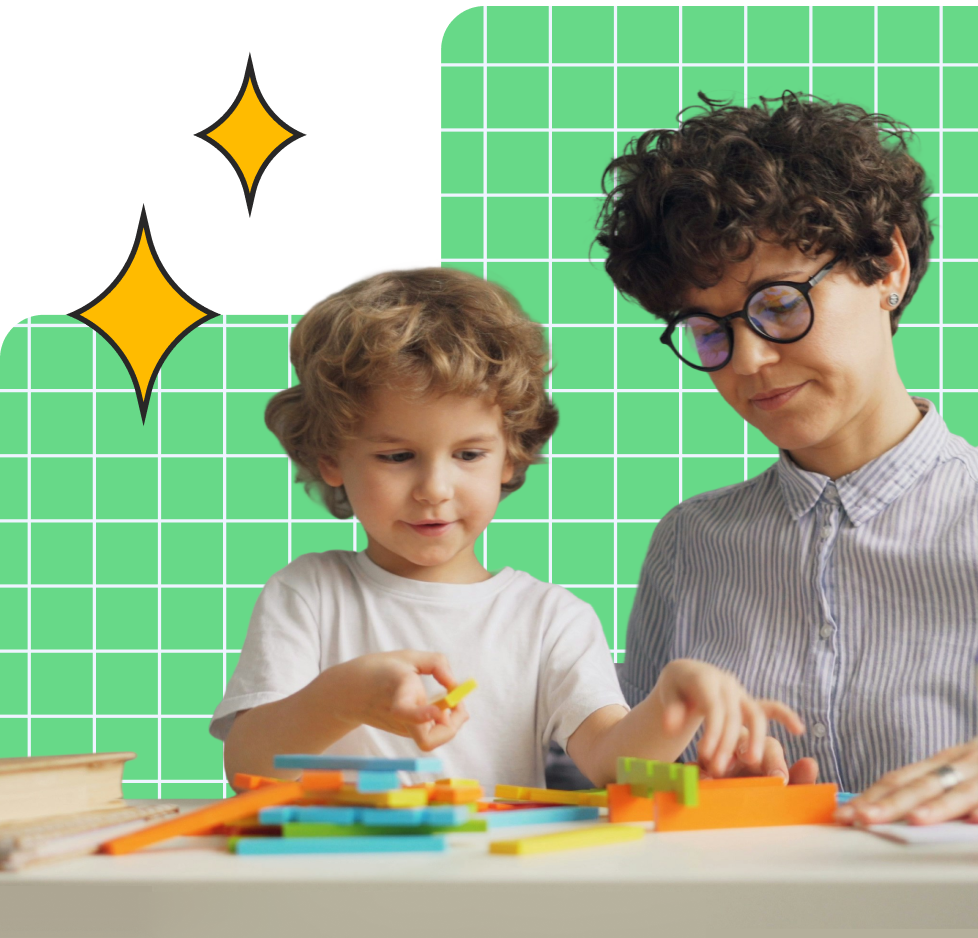
In today’s rapidly evolving world, empowering girls in STEM education is not just a matter of equity — it’s a strategic imperative for building resilient, innovative societies. At UNOWA, we are committed to transforming learning experiences and creating a better world through modern education tools, including inclusive STEM kits designed to inspire and empower the next generation of female innovators.
The Gender Gap in STEM: Why Action Is Urgent
Despite significant progress in education, girls remain underrepresented in STEM (Science, Technology, Engineering, Mathematics) fields across the EU, MENA, and CIS regions. According to the European Commission, only 34% of STEM graduates in the EU are women, and a mere 19% of ICT specialists are female. In some regions, girls account for just 12.6% of STEM-related subjects studied, compared to 37.5% for boys. This gap is even more pronounced in digital and ICT roles, where women’s participation drops sharply after graduation.
The consequences of this disparity are profound. Not only does it limit individual potential, but it also constrains economic growth and innovation. The European Commission estimates that closing the gender gap in digital skills could generate an additional EUR 16 billion annually for the European economy (source).
Barriers Facing Girls in STEM Education
Understanding the barriers is key to designing effective interventions:
- Lower Self-Efficacy: Despite often achieving equal or better academic results, girls frequently report lower confidence in their STEM abilities.
- Gender Bias and Stereotypes: Persistent stereotypes in both education and the workplace discourage girls from pursuing STEM careers.
- Lack of Role Models: The scarcity of female mentors and leaders in STEM fields limits girls’ aspirations and sense of belonging.
- Limited Access to Resources: In regions such as MENA and CIS, access to quality STEM education and materials is often restricted, further widening the gap.
These challenges are echoed in recent studies and policy reports (UNESCO, European Institute for Gender Equality).
The Transformative Power of STEM Kits
At UNOWA, we believe that hands-on, practical learning is essential for building confidence and interest in STEM subjects. STEM kits are a powerful tool in this mission, offering:
- Interactive, Tangible Learning: STEM kits make abstract concepts concrete, allowing girls to experiment, build, and solve real-world problems.
- Confidence Building: By enabling girls to see the results of their work, STEM kits foster self-efficacy and a sense of achievement.
- Early Exposure: Introducing STEM kits in primary education can spark curiosity and set girls on a lifelong path toward STEM studies and careers.
Recent initiatives, such as the EU’s Girls Go Circular program, have demonstrated the impact of early, hands-on STEM experiences. Since 2020, Girls Go Circular has empowered over 48,000 girls across Europe with digital and entrepreneurial skills, aiming to reach 50,000 by 2027 (Girls Go Circular).
Case Studies: Success Stories from Around the World
Girls Go Circular (EU)
Supported by the European Commission, this initiative provides workshops and digital skills training for girls, fostering leadership and technical competencies. Its holistic approach combines STEM kits, mentorship, and real-world challenges, setting a benchmark for effective intervention.
Girls in STEM Project (EU)
This project offers workshops and mentorship programs focused on practical skills and confidence-building. By connecting girls with female STEM professionals, it addresses the critical need for role models and guidance.
Women in STEM in Central Asia
In countries like Kazakhstan and Uzbekistan, girls often outperform boys in school and have higher university attendance rates. However, this does not always translate into STEM careers, highlighting the need for targeted interventions that bridge the gap between education and employment (World Bank).
Policies and Guidelines: A Supportive Framework
Governments and international organizations are increasingly recognizing the importance of empowering girls in STEM education:
- EU Digital Education Action Plan: Article 13 encourages women’s participation in STEM, with funding for projects like Girls Go Circular and Girls in STEM.
- European Commission’s Women in Digital Scoreboard: This tool tracks progress and highlights the economic benefits of closing the gender gap in digital skills.
- National Initiatives: Many EU member states, as well as CIS countries, have launched their own programs to promote STEM education for girls, often in partnership with NGOs and international organizations.
For more information on policy frameworks, see the European Commission’s Digital Strategy.
Professional Advice: How Institutions Can Drive Change
Drawing on over 15 years of experience delivering educational innovation, we recommend the following strategies for ministries, schools, and educational partners:
- Start Early: Introduce STEM kits and activities in primary education to build interest and confidence from a young age.
- Provide Mentorship: Connect girls with female STEM professionals to offer guidance, inspiration, and real-world perspectives.
- Address Stereotypes: Implement teacher training and awareness campaigns to challenge gender bias in classrooms and curricula.
- Ensure Accessibility: Make STEM kits and resources available in underserved regions, particularly in MENA and CIS, to ensure no girl is left behind.
- Engage Communities: Involve parents and local communities to reinforce positive attitudes toward girls in STEM.
Unique Insights: Maximizing the Impact of STEM Kits
Our experience shows that the most effective STEM programs are those that combine hands-on learning with mentorship, community engagement, and continuous evaluation. By monitoring and adapting programs to meet girls’ evolving needs, institutions can ensure lasting impact.
“Investing in programs that support girls in STEM is not just an ethical imperative but also a strategic one. An increase in the number of women entering the digital skills market would generate an additional annual EUR 16 billion for the European economy.” — European Commission
Recent Developments: Momentum for Change
The EU and partner organizations are ramping up investments in digital education and gender equality. New reports and funding initiatives are expanding the reach of programs like Girls Go Circular, aiming to empower tens of thousands more girls by 2027. In the MENA and CIS regions, governments are increasingly prioritizing STEM education as a driver of economic diversification and innovation.
For the latest updates and resources, visit UNOWA’s website.
FAQ: Empowering Girls in STEM Education
Q: Why is it important to empower girls in STEM education? A: Empowering girls in STEM education unlocks individual potential, drives economic growth, and fosters innovation. Diverse perspectives lead to better problem-solving and more inclusive technologies.
Q: How do STEM kits help girls in STEM education? A: STEM kits provide hands-on, interactive experiences that build confidence, spark curiosity, and make learning engaging and relevant.
Q: What are the main barriers for girls in STEM? A: Key barriers include gender stereotypes, lack of role models, lower self-confidence, and limited access to resources — especially in underserved regions.
Q: What can institutions do to support girls in STEM? A: Institutions should introduce STEM kits early, provide mentorship, challenge stereotypes, ensure accessibility, and engage communities in supporting girls’ STEM journeys.
Q: Where can I find more information or support? A: Explore resources and solutions at UNOWA, Girls Go Circular, UNESCO, and European Institute for Gender Equality.
Empowering girls through STEM kits is a proven, impactful strategy for bridging the gender gap in STEM education and careers. By working together — ministries, educators, and partners — we can transform learning experiences and create a brighter, more inclusive future for all. Let’s work together to empower the next generation of innovators.

Check out other articles
Explore the latest perspectives from our digital research team
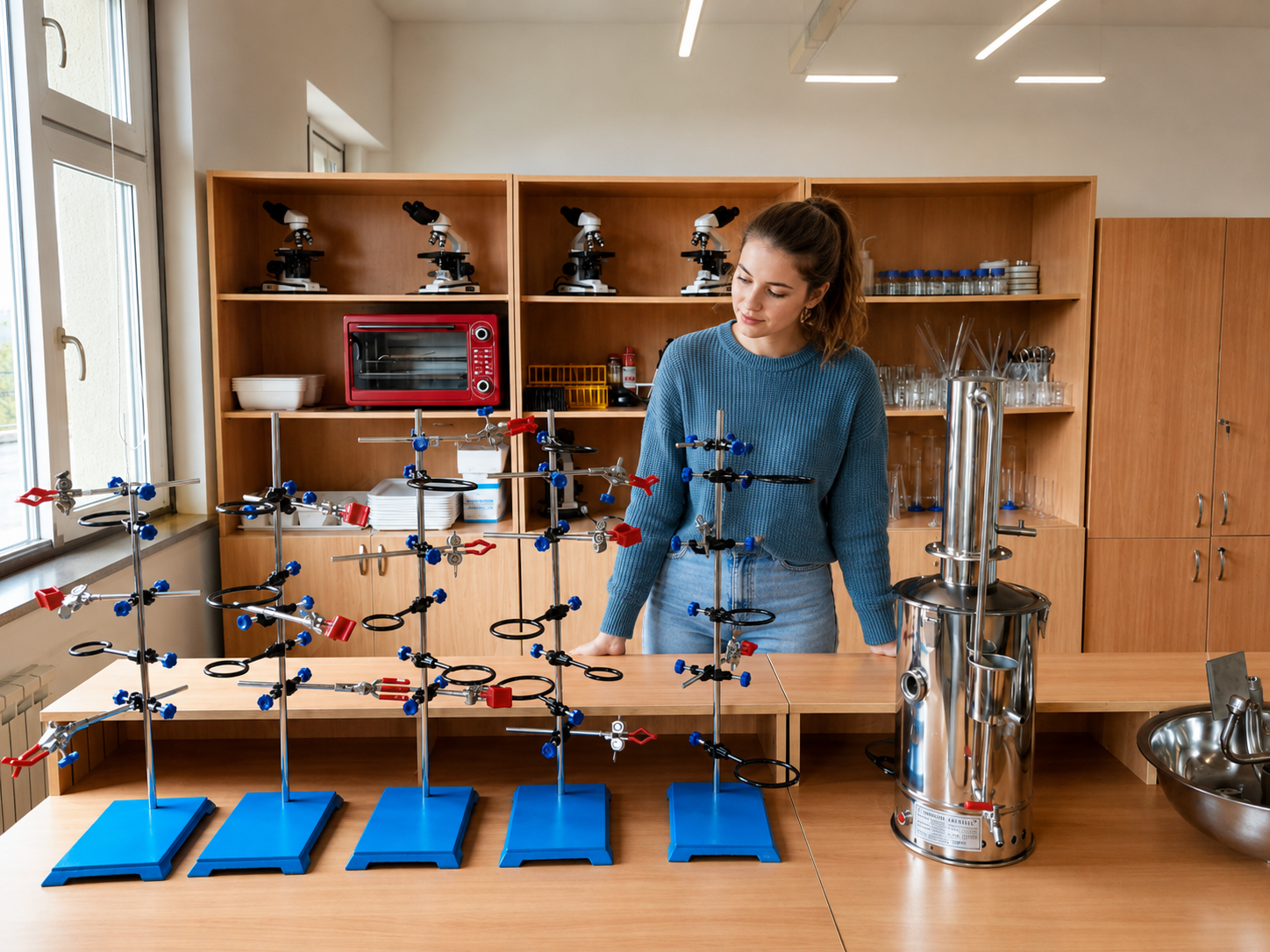
Equipping 439 schools: what a national STEM rollout actually takes
Armenia aims to equip every school with a science laboratory by the end of 2026. A look at the delivery layer of a 439-school rollout: seven laboratory configurations, 1.8 million items, 200+ localised teaching materials — and what ministries should ask suppliers.

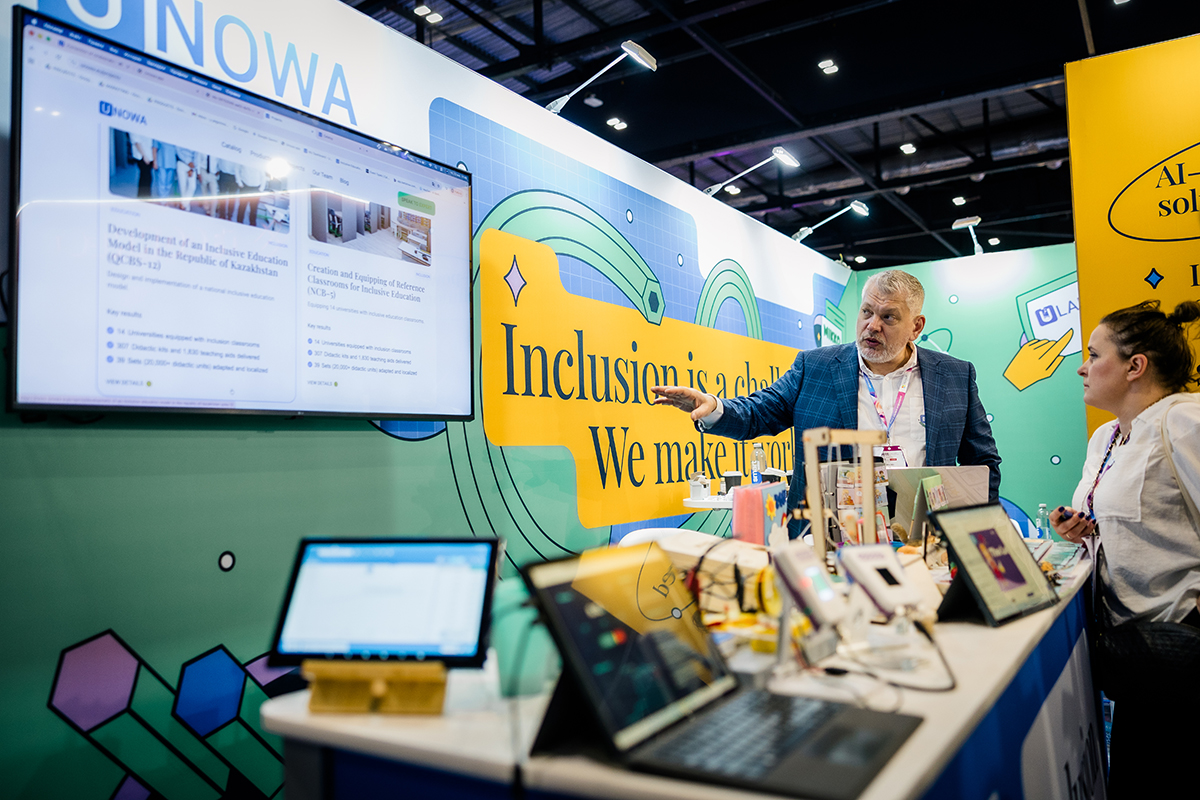
Responsible AI in Education Starts Before the Algorithm
Responsible AI in education depends on knowing what your data actually represents. A UNOWA pilot study shows why measurement validity has to come before AI interpretation.
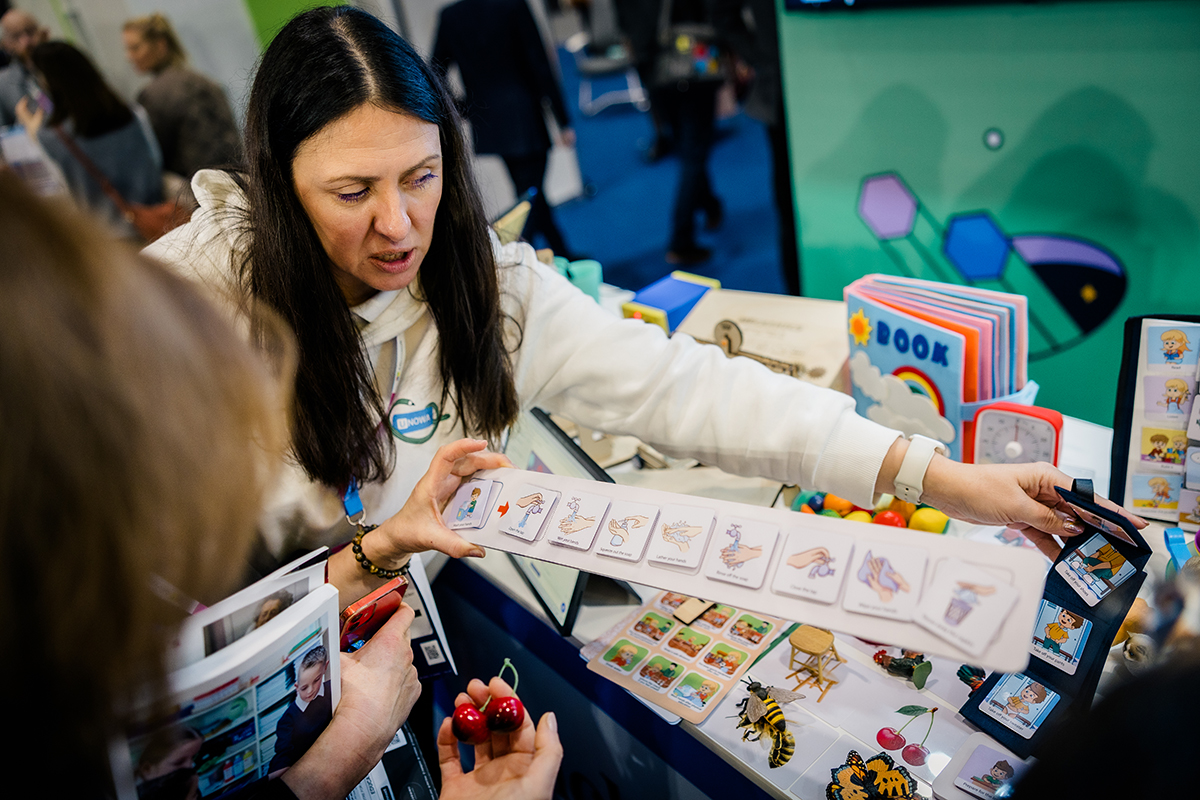
Differentiated Support in Inclusive Education: Why a Score Is Only the Start
Differentiated support in inclusive education starts where scoring ends. Here's why assessment should answer "what's getting in the way," not just "what's wrong."