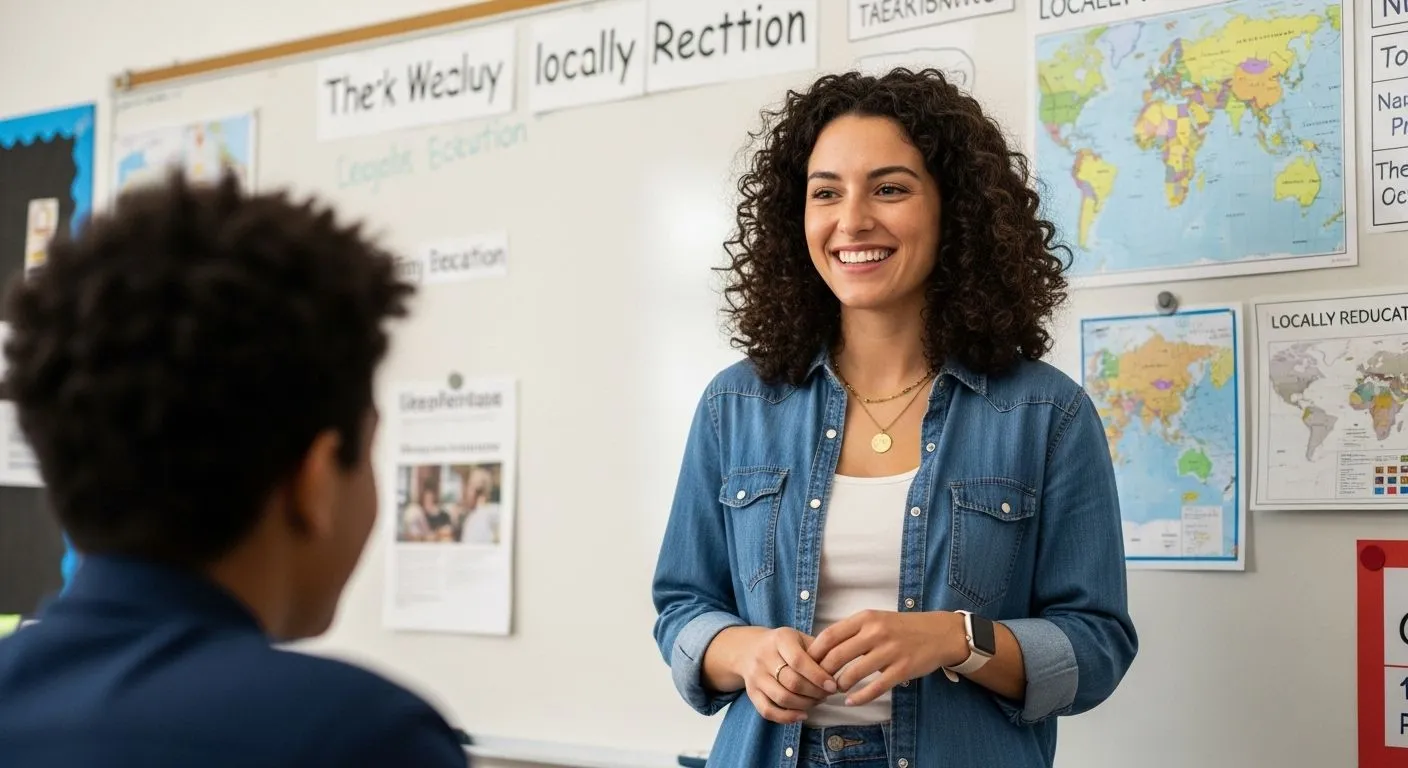

Imagine a world where every student, regardless of location or background, engages deeply with learning materials that feel truly their own — education content localization makes this possible, boosting engagement by up to 6 times compared to generic resources. In this article, we explore the essentials of education content localization, its role in inclusive and STEM education, regional challenges in the EU, MENA, and CIS, proven strategies from global projects, and how we at UNOWA empower institutions to adapt content for national standards and large-scale impact.
Why Education Content Localization Matters
Education content localization isn't just translation — it's about adapting curricula, resources, and assessments to local languages, cultures, and regulations for better equity and outcomes. According to a cross-sector analysis by UNESCO, localized content can generate sixfold more engagement than global generics, especially in diverse classrooms. This approach aligns with our mission at UNOWA to deliver inclusive systems like MIKKO and STEM innovations via Ulabs, tailored for schools, kindergartens, and special education centers.
Key benefits include:
- Improved access and equity: Supports students with disabilities or multilingual backgrounds through Universal Design for Learning (UDL).
- Enhanced STEM relevance: Maps content to local industries, like renewables in MENA or digital skills in the EU.
- Regulatory compliance: Ensures alignment with national standards, reducing risks for ministries and institutions.
Challenges in Key Regions
Adapting content varies by geography, with unique hurdles in our focus areas.
EU Insights: Bulgaria, Malta, Poland, Latvia, Lithuania, Estonia, Serbia
In the EU, fragmentation across 27 national systems demands precise mapping to standards, as noted in OECD reports. For instance, Estonia's advanced e-school ecosystems require multilingual support for Russian-speaking minorities, while Poland's centralized exams necessitate careful alignment. We address these by co-designing with local experts, ensuring education content localization respects EU directives on inclusion and digital transformation.
MENA Perspectives: Saudi Arabia, UAE, Qatar, Oman
MENA nations invest heavily in STEM for economic diversification, per World Bank analyses. Challenges include dual-language (Arabic-English) design and cultural sensitivity, like respecting norms in Vision 2030 projects. Our solutions at UNOWA incorporate ministry-approved glossaries and localized career pathways, fostering inclusive growth.
CIS Dynamics: Kazakhstan, Uzbekistan, Armenia, Moldova, Azerbaijan, Kyrgyzstan, Georgia
Post-Soviet legacies mean trilingual environments and evolving curricula, as highlighted by 1EdTech Consortium guidelines. Modular content helps navigate changes, such as shifting from Russian to national languages. We empower these regions with adaptable tools, drawing on our 15+ years of experience in over 300 national projects.
Proven Strategies for Success
From global reforms, here are actionable insights:
- Start with mapping: Create a curriculum matrix to align with national standards, avoiding "translation-only" pitfalls.
- Incorporate AI thoughtfully: Use AI for adaptation while ensuring bias mitigation, per UNESCO AI in Education guidelines.
- Co-create with locals: Involve teachers and advocates for culturally relevant examples, boosting retention.
- Focus on inclusion: Embed accessibility like captions and UDL from the outset for equitable access.
These strategies have driven success in pan-European STEM platforms and Gulf initiatives, where localized PD increased teacher adoption significantly.
Positioning for Future-Ready Education
By embracing education content localization, institutions become attractive hubs for international students — one-third of whom prefer localized TNE over studying abroad, according to transnational education studies. At UNOWA, we provide comprehensive solutions, from curriculum-aligned content to analytics, transforming learning for a better world. Let's collaborate to scale impact — sign up for a consultation today.
FAQ
What is education content localization?
It's the process of adapting educational materials to local languages, cultures, and standards for better relevance and effectiveness.
How does it support inclusive education?
By integrating UDL and accessibility features, it ensures all students, including those with disabilities, can access quality learning.
Why is it crucial for STEM?
Localized STEM content uses regional examples and terminology, making complex concepts relatable and aligned with national priorities.
What are common challenges in MENA?
Dual-language needs and cultural adaptations, often requiring ministry approvals for compliance.
How can UNOWA help?
We offer tailored systems like MIKKO for inclusion and Ulabs for STEM, backed by our expertise in global projects — visit UNOWA to learn more.

Check out other articles
Explore the latest perspectives from our digital research team
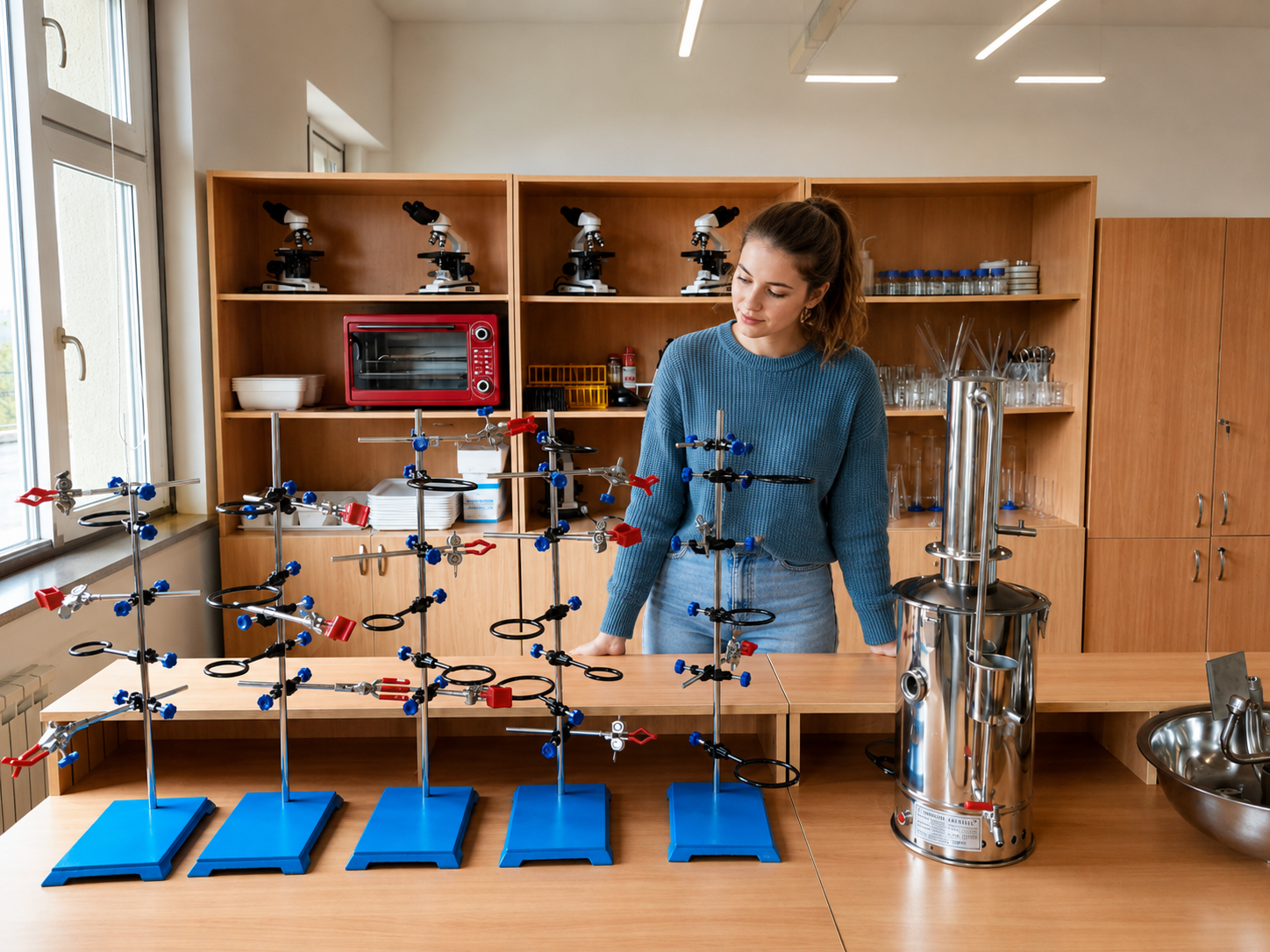
Equipping 439 schools: what a national STEM rollout actually takes
Armenia aims to equip every school with a science laboratory by the end of 2026. A look at the delivery layer of a 439-school rollout: seven laboratory configurations, 1.8 million items, 200+ localised teaching materials — and what ministries should ask suppliers.

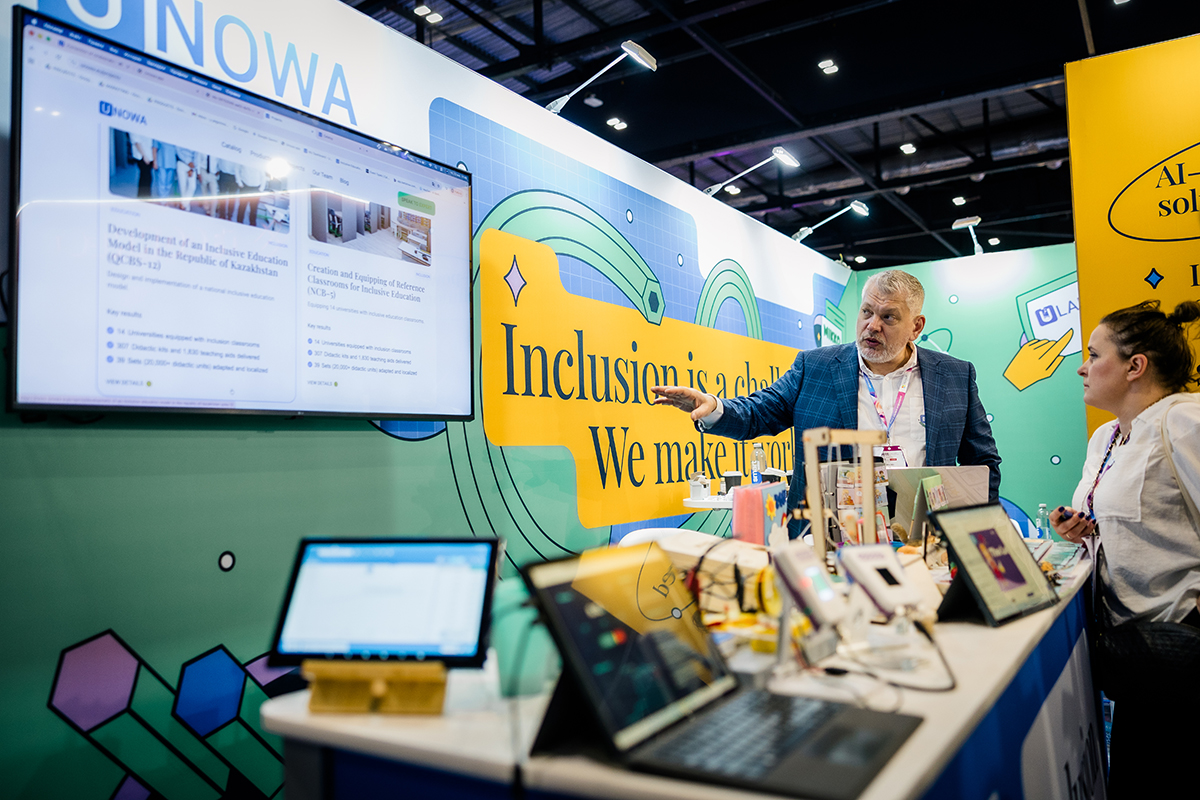
Responsible AI in Education Starts Before the Algorithm
Responsible AI in education depends on knowing what your data actually represents. A UNOWA pilot study shows why measurement validity has to come before AI interpretation.
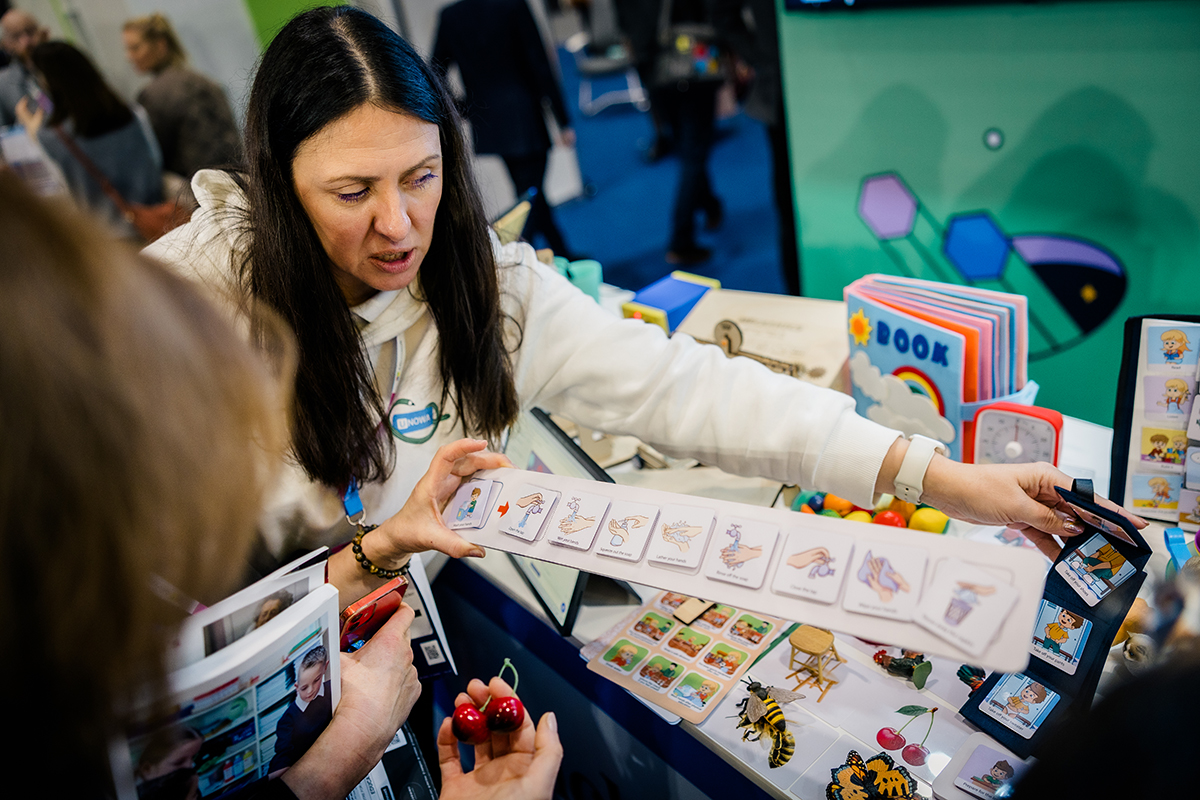
Differentiated Support in Inclusive Education: Why a Score Is Only the Start
Differentiated support in inclusive education starts where scoring ends. Here's why assessment should answer "what's getting in the way," not just "what's wrong."