

Did you know that nearly all U.S. superintendents are excited about AI's potential to revolutionize personalized learning, yet concerns over unauthorized use highlight the need for innovative safeguards? This article explores curriculum innovation, sharing global insights, challenges, and strategies to empower inclusive, adaptable education — drawing from proven reforms to position us as your partner in transformation.
Why Curriculum Innovation Matters Now
In an era of rapid technological advancement, curriculum innovation is essential for preparing students for future challenges. We at UNOWA, with over 15 years of experience, deliver complete educational systems that integrate inclusive education like MIKKO and STEM innovation through Ulabs, all adaptable to national standards. Recent data shows edtech shifting from novelty to necessity, with tools prioritizing enriched teaching amid budget constraints and cybersecurity threats, as noted in the 2025-2026 Education Insights Report by CoSN.
Key drivers include:
- AI integration for spotting knowledge gaps, linking current struggles to past concepts.
- Personalized learning to address equity and reduce teacher workloads.
- Career-connected STEM experiences using VR and immersive technologies for real-world application.
By embracing these, institutions in regions like the EU, MENA, and CIS can foster learner agency and workforce readiness.
Challenges in Implementing Curriculum Innovation
Adopting curriculum innovation isn't without hurdles. Global education faces issues like teacher burnout, student disengagement, and AI-related integrity concerns. For instance, cybersecurity threats and data scarcity hinder evidence-based reforms, as highlighted in HolonIQ's 2026 Global Education Outlook.
In targeted geographies such as Bulgaria, Saudi Arabia, and Kazakhstan, adapting curricula to local standards while ensuring inclusivity adds complexity. Expert insight: "Technology advancements will continue to accelerate in 2026... immersive technologies such as VR, XR, and hybrid learning models will become more mainstream," predicts education innovation lead Madeleine Mortimore from Logitech's Global Education Report.
Common challenges include:
- Balancing innovation with equity and human connection.
- Attracting and retaining educators amid rapid tech changes.
- Limited resources for bold shifts like generative AI adoption.
We address these through our comprehensive solutions, including training and analytics tailored for schools, kindergartens, and special education centers. Explore more at UNOWA.
Proven Strategies for Successful Curriculum Innovation
Drawing from global reform projects, effective curriculum innovation relies on proven strategies. For example, the U.S. Department of Education's STEM 2026 Vision emphasizes culturally relevant experiences and technology-enhanced access to build cognitive skills.
Strategies to implement:
- AI and Personalization: Use predictive analytics to reduce admin workloads and boost student engagement — impacting higher effort via meaningful lessons.
- STEM and Career Innovation: Integrate project-based learning with industry partnerships, enhancing confidence and readiness in fields like biotech.
- Learner-Centered Approaches: Promote problem-based models to foster adaptability and soft skills.
In practice, neuroscience-informed methods in math curricula have shown gains in reasoning, reducing anxiety through visual, real-world contexts, per insights from Education Week's 2026 Trends Report. These strategies have delivered scalable impacts, with districts reporting increased enrollment in career-technical programs.
At UNOWA, our curriculum-aligned content and analytics support these transformations, empowering educators in Poland, UAE, Uzbekistan, and beyond. Learn how we can partner with you at UNOWA.
Global Perspectives on Inclusive and Adaptable Curricula
Curriculum innovation thrives when inclusive and locally adaptable. In the EU, MENA, and CIS, reforms focus on equity, with policies like federal scholarships driving tutoring and private enrollment growth, as per UNESCO's Education 2030 Framework.
We believe every child deserves access to quality education, regardless of abilities — evident in our MIKKO inclusive tools. Unique insight: Districts integrating VR for CTE see rises in technical fluency, preparing students for skills-based hiring.
By sharing these insights, we position ourselves as a trusted voice in educational transformation, backed by over 300 national projects. For forward-looking solutions, visit UNOWA.
FAQ
What is curriculum innovation? Curriculum innovation involves integrating cutting-edge tools like AI and VR to make education more personalized, inclusive, and future-ready.
How does UNOWA support curriculum innovation? We provide adaptable systems including STEM Ulabs and inclusive MIKKO, with training and analytics for large-scale impact — explore at UNOWA.
What are key challenges in curriculum innovation? Challenges include equity, cybersecurity, and teacher retention, but strategies like AI personalization help overcome them.
Why focus on STEM in curriculum innovation? STEM innovation builds workforce skills through real-world experiences, as emphasized in global visions like U.S. STEM 2026.
How can institutions start with curriculum innovation? Begin with assessments and partnerships — contact us at UNOWA for a consultation to transform your learning experiences.

Check out other articles
Explore the latest perspectives from our digital research team
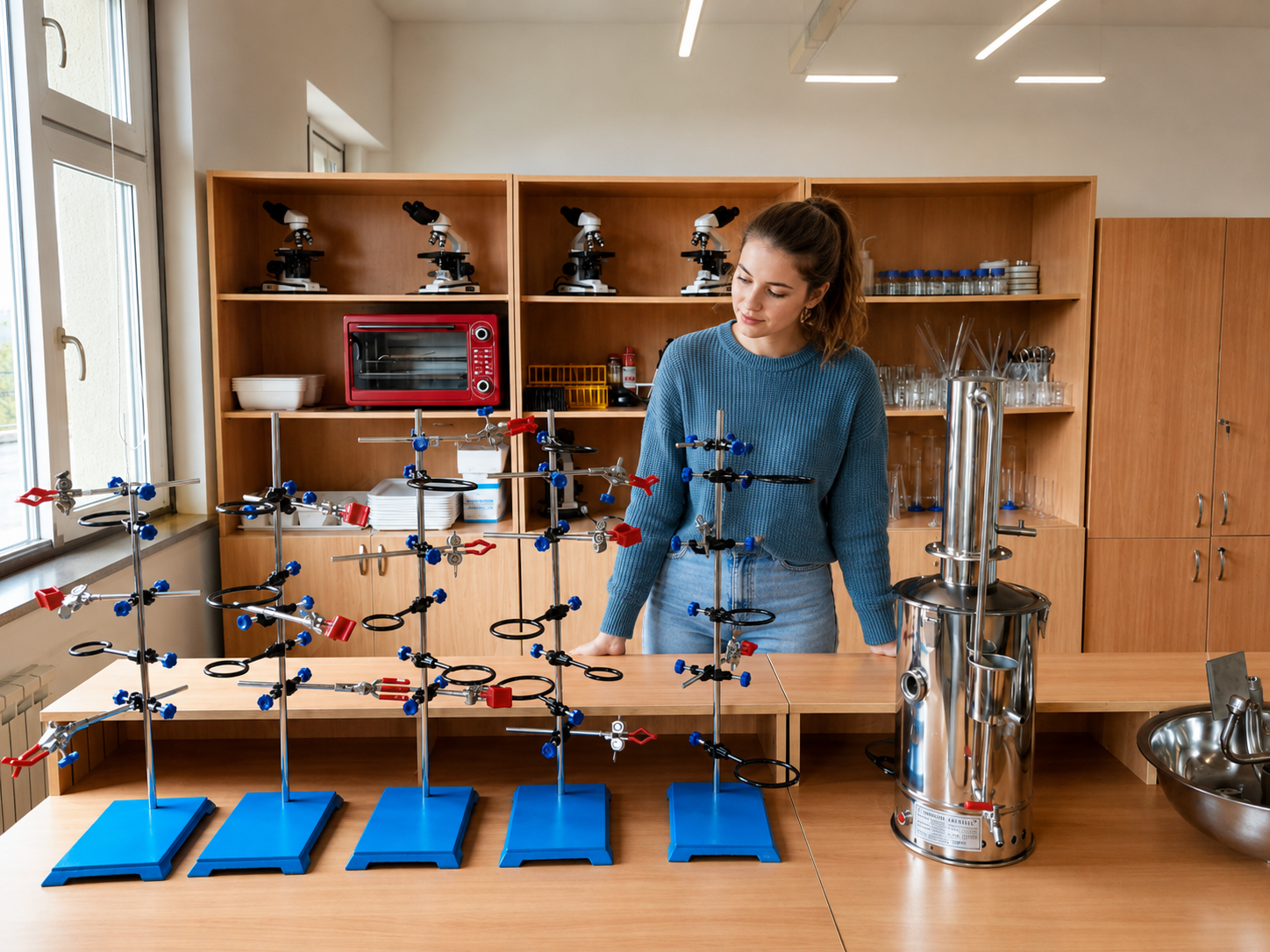
Equipping 439 schools: what a national STEM rollout actually takes
Armenia aims to equip every school with a science laboratory by the end of 2026. A look at the delivery layer of a 439-school rollout: seven laboratory configurations, 1.8 million items, 200+ localised teaching materials — and what ministries should ask suppliers.

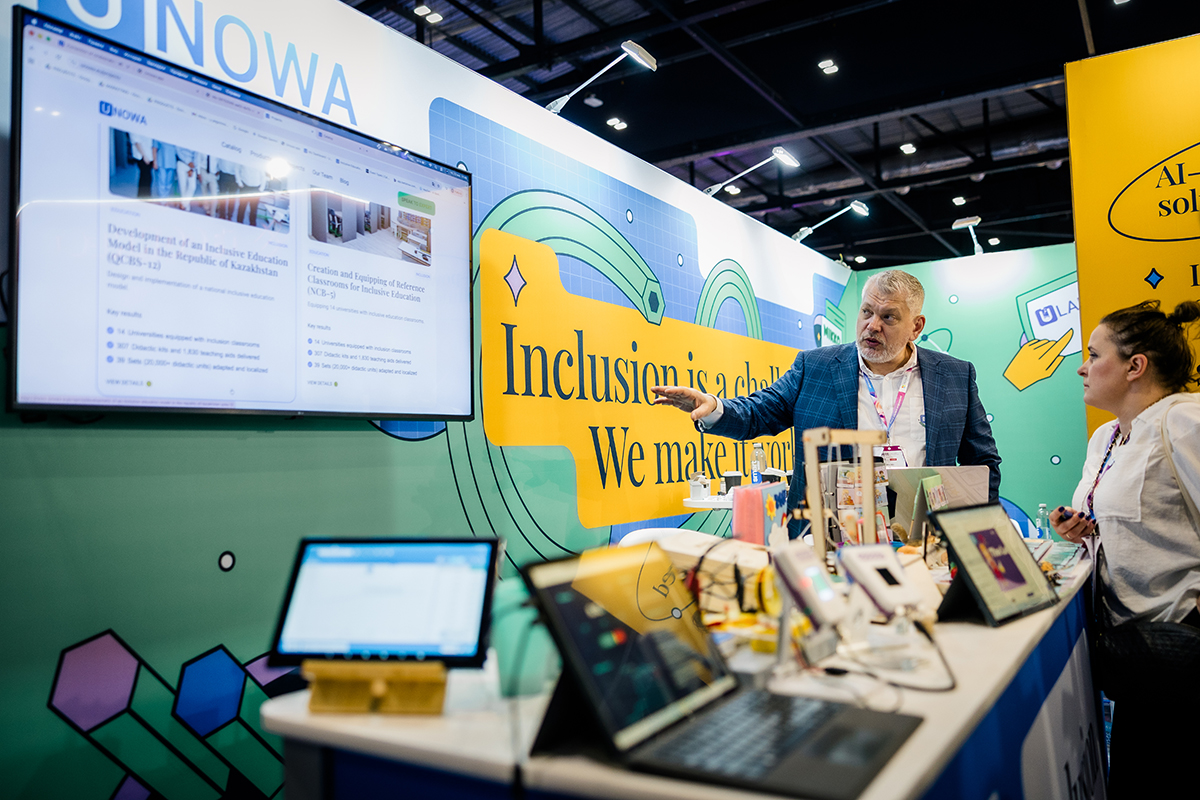
Responsible AI in Education Starts Before the Algorithm
Responsible AI in education depends on knowing what your data actually represents. A UNOWA pilot study shows why measurement validity has to come before AI interpretation.
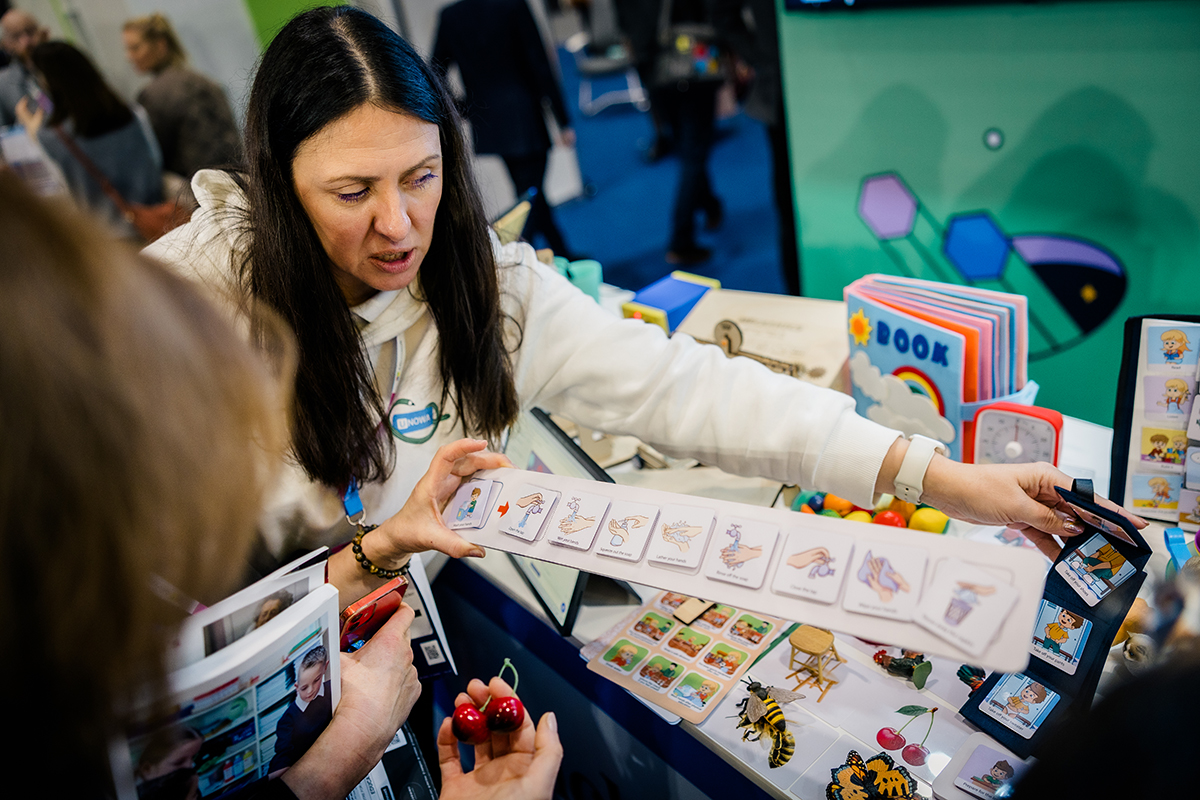
Differentiated Support in Inclusive Education: Why a Score Is Only the Start
Differentiated support in inclusive education starts where scoring ends. Here's why assessment should answer "what's getting in the way," not just "what's wrong."