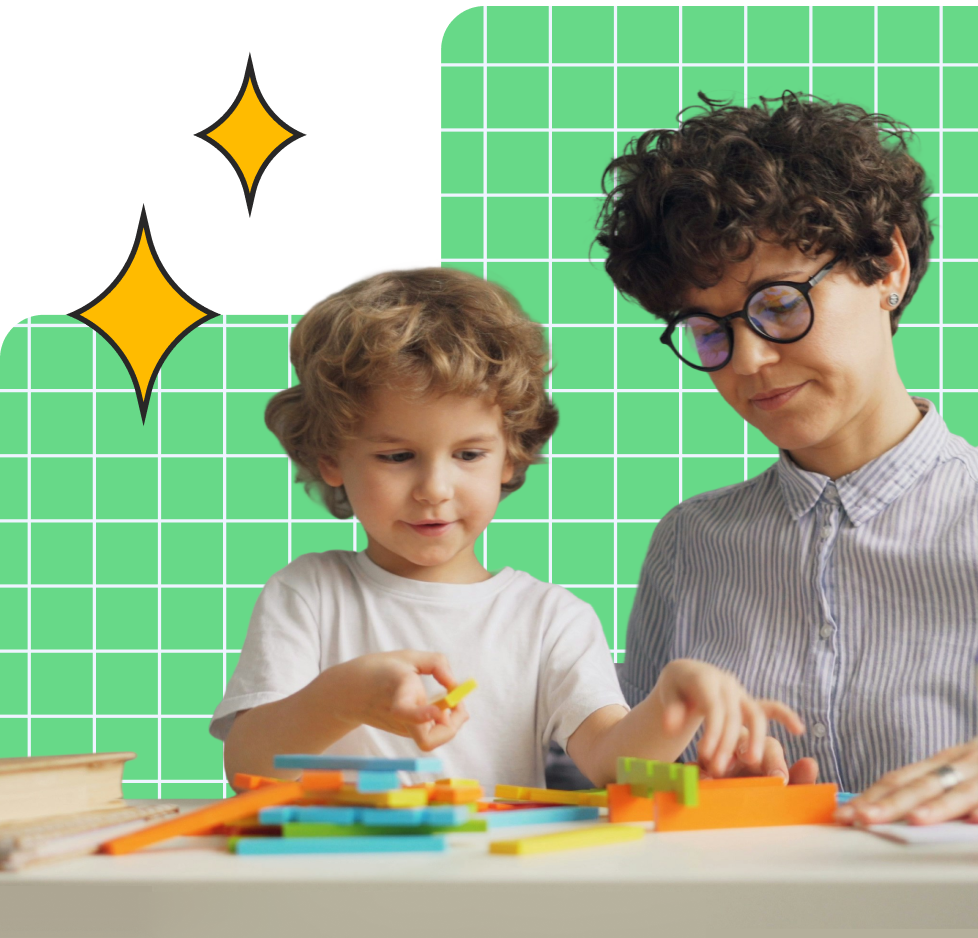

Inclusive education is more than a policy — it's a commitment to equity, innovation, and the belief that every learner deserves access to high-quality, relevant education. At UNOWA, we are dedicated to empowering institutions, educators, and students through comprehensive, adaptable solutions that drive large-scale impact. Drawing from over 15 years of experience and global reform projects, we understand that inclusive curriculum design is at the heart of educational transformation.
The Evolution of Inclusive Education
Over the past two decades, regions such as Central and Eastern Europe, the Caucasus, and Central Asia have made remarkable strides toward a rights-based approach to inclusive education. According to the European Agency for Special Needs and Inclusive Education, out-of-school rates have halved, and the percentage of children with disabilities in special schools dropped from 78% in 2005/06 to 53% in 2015/16. These improvements reflect a broader shift: two-thirds of education systems now define inclusion to encompass multiple marginalized groups, not just those with disabilities.
Despite this progress, challenges remain. One in three students with special needs in Central and Eastern Europe is still placed in special schools, and in countries like Georgia and Kyrgyzstan, youth with disabilities are disproportionately represented among the out-of-school population. This underscores the urgent need for inclusive curriculum design that adapts to diverse learners and national standards.
Key Principles of Inclusive Curriculum Design
Inclusive curriculum design is not a one-size-fits-all solution. It requires a flexible, adaptive approach that respects local contexts while upholding global best practices. At UNOWA, our approach is grounded in the following principles:
1. Differentiated Instruction and Assessment
Effective inclusive curricula are built on the foundation of differentiated instruction — tailoring teaching methods, materials, and assessments to meet the varied needs of all learners. This approach ensures that students with special educational needs (SEN) are not left behind, and that every child can engage meaningfully with the curriculum.
2. Flexible Learning Environments
Creating flexible learning environments means providing a range of supports, from counseling and mentoring to specialist and therapist assistance. In fact, 23 out of 30 reviewed education systems in Central and Eastern Europe offer counseling and mentoring, while 22 provide learning assistance and 21 have specialist support. These supports are essential for mainstreaming students with SEN and fostering a sense of belonging.
3. Collaboration Between Mainstream and Specialist Staff
A growing trend across Europe and beyond is the transformation of special schools into resource centers. These centers enable specialized professionals — such as special educators, psychologists, and speech therapists — to collaborate with mainstream teachers, providing targeted support and expertise. This model not only benefits students with SEN but also enriches the entire school community.
4. Alignment with National Standards
Inclusive curriculum design must be adaptable to national standards while allowing for necessary modifications to accommodate individual needs. This balance ensures that all students receive a high-quality education that prepares them for future success, regardless of their abilities.
Regional Perspectives: Progress and Challenges
European Union (Bulgaria, Malta, Poland, Latvia, Lithuania, Estonia, Serbia)
EU member states benefit from robust monitoring and support mechanisms, such as the European Semester process and the Education and Training Monitor. These tools track efforts to fight inequalities and promote social inclusion. National policies are increasingly aligned with EU guidelines, focusing on mainstreaming students with SEN and developing resource centers.
The European Commission’s initiatives — like the Erasmus+ programme, the European Toolkit for Schools, and the eTwinning platform — provide valuable resources, training, and opportunities for collaboration. These platforms are instrumental in sharing best practices and supporting teacher professional development in inclusive education.
MENA (Saudi Arabia, UAE, Qatar, Oman)
Countries in the MENA region are engaging in international partnerships and adopting inclusive education policies, often influenced by global best practices. While the pace of reform varies, there is a clear trend toward embracing inclusive curriculum design and investing in teacher training and support systems.
CIS (Kazakhstan, Uzbekistan, Armenia, Moldova, Azerbaijan, Kyrgyzstan, Georgia)
Significant progress has been made in reducing segregation and increasing support in mainstream schools. However, challenges persist in fully implementing inclusive practices and ensuring equitable access for all students with SEN. Continued investment in professional development and resource centers is critical for sustaining momentum.
Policy, Regulation, and Global Reform
The shift from a medical model of disability to a social and rights-based approach is reshaping inclusive education policies worldwide. Governments are increasingly focused on building closer links between mainstream and special schools, promoting a rights-based approach, and developing new support systems.
The European Commission is expanding online platforms and toolkits to support inclusive education and teacher training. International projects, such as those supported by Erasmus+ and the European Solidarity Corps, foster cross-border collaboration and innovation in inclusive education.
For more on EU policy frameworks, visit the European Agency for Special Needs and Inclusive Education, European Commission Education and Training, and Erasmus+.
Expert Insights
“Rather than ‘achieving’ a fully inclusive system, countries have a range of policies that can be considered inclusive or exclusionary to differing degrees.” — European Agency for Special Needs and Inclusive Education
“Closer links are being built between mainstream and special schools. Some special schools are also being developed into resource centres, where specialised professionals work as partners with mainstream schools.” — European Agency for Special Needs and Inclusive Education
UNOWA’s Approach: Empowering Inclusive Education
At UNOWA, we are at the forefront of developing cutting-edge educational solutions that empower institutions, educators, and students. Our inclusive education platform, MIKKO, is designed to support schools, kindergartens, and special education centers with:
- Curriculum-aligned content tailored for inclusive learning
- Teacher training and professional development in inclusive practices
- Analytics and monitoring to track progress and inform decision-making
- Adaptability to national standards for seamless integration and large-scale impact
We believe every child deserves access to quality education, regardless of their abilities. By partnering with ministries of education, curriculum authorities, and educational institutions across the EU, MENA, and CIS regions, we are transforming learning experiences for the better.
Learn more about our solutions at UNOWA.
Best Practices for Implementing Inclusive Curriculum Design
- Engage Stakeholders Early: Involve teachers, parents, students, and community members in curriculum development to ensure relevance and buy-in.
- Invest in Professional Development: Ongoing training equips educators with the skills and confidence to implement inclusive practices effectively.
- Leverage Technology: Digital platforms and adaptive learning tools can personalize instruction and support diverse learners.
- Monitor and Evaluate: Use data-driven approaches to assess the effectiveness of inclusive strategies and make informed improvements.
- Foster Collaboration: Encourage partnerships between mainstream and special schools, as well as with external experts and organizations.
For additional resources, visit the European Toolkit for Schools and UNESCO Inclusive Education.
Frequently Asked Questions
What is inclusive curriculum design?
Inclusive curriculum design is the process of creating educational programs that are accessible, relevant, and adaptable to the diverse needs of all learners, including those with special educational needs (SEN). It involves differentiated instruction, flexible assessment, and collaboration between mainstream and specialist staff.
How can schools adapt national standards for inclusive education?
Schools can align their curricula with national standards while allowing for adaptations — such as modified materials, alternative assessments, and individualized support — to meet the needs of students with SEN. Collaboration with resource centers and ongoing teacher training are key to successful adaptation.
What are the main challenges in implementing inclusive education?
Common challenges include limited resources, insufficient teacher training, persistent reliance on special schools, and societal attitudes toward disability. Addressing these challenges requires systemic reform, investment in professional development, and strong leadership.
How does UNOWA support inclusive education?
UNOWA provides comprehensive solutions — including curriculum-aligned content, teacher training, analytics, and adaptable platforms — designed to empower institutions and educators in delivering inclusive education at scale. Our products are tailored to national standards and support both mainstream and special education settings.
Where can I find more information about inclusive education policies?
For more information, explore the European Agency for Special Needs and Inclusive Education, UNESCO Inclusive Education, and UNOWA.
Empowering educators to create a brighter future for all students is at the core of our mission. Let’s work together to transform learning experiences and build a more inclusive, equitable world.

Check out other articles
Explore the latest perspectives from our digital research team

Equipping 439 schools: what a national STEM rollout actually takes
Armenia aims to equip every school with a science laboratory by the end of 2026. A look at the delivery layer of a 439-school rollout: seven laboratory configurations, 1.8 million items, 200+ localised teaching materials — and what ministries should ask suppliers.

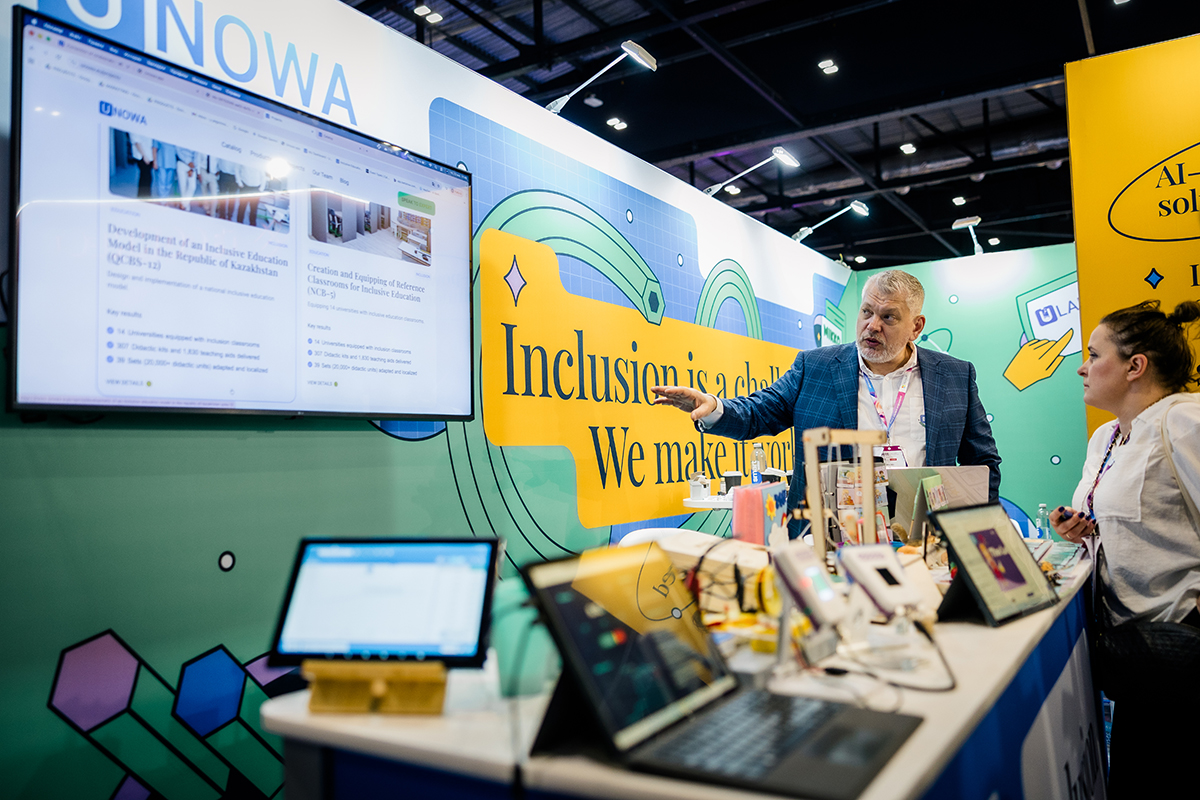
Responsible AI in Education Starts Before the Algorithm
Responsible AI in education depends on knowing what your data actually represents. A UNOWA pilot study shows why measurement validity has to come before AI interpretation.
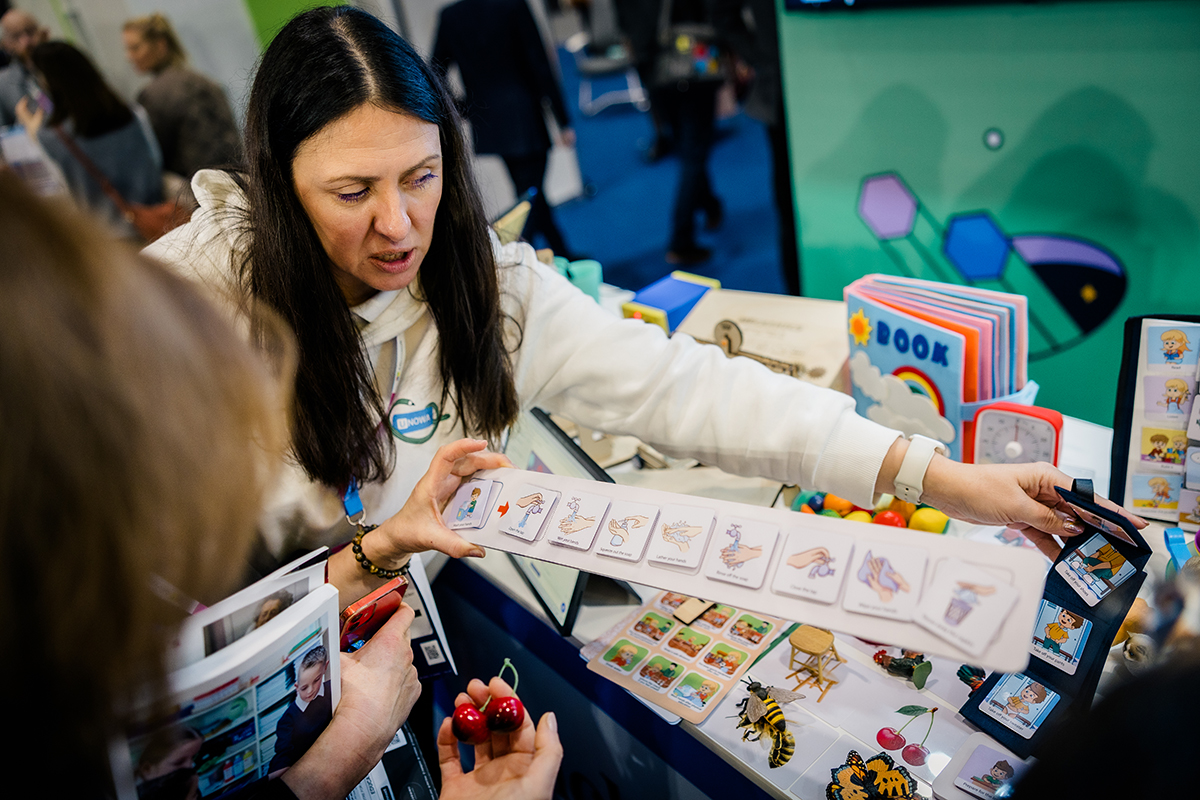
Differentiated Support in Inclusive Education: Why a Score Is Only the Start
Differentiated support in inclusive education starts where scoring ends. Here's why assessment should answer "what's getting in the way," not just "what's wrong."