

Did you know that over 70% of teachers worldwide adapt curricula daily to meet diverse student needs, yet many lack the tools for scalable impact? At UNOWA, we empower educators with innovative solutions to transform these challenges into opportunities for inclusive, future-ready learning. This article explores proven curriculum adaptation strategies, drawing from global reforms in the EU, MENA, and CIS regions, and positions us as your partner in educational transformation.
Understanding Curriculum Adaptation Strategies
Curriculum adaptation strategies involve modifying educational content, methods, and assessments to align with national standards while addressing diverse learner needs. Based on insights from the RAND American Instructional Resources Survey, teachers often supplement core materials due to insufficient built-in differentiation — highlighting the need for high-quality instructional materials (HQIM) that embed flexibility from the start RAND Corporation.
We focus on strategies like Universal Design for Learning (UDL), which designs curricula for multiple engagement modes, reducing retrofits for inclusion. As per CAST guidelines, UDL ensures accessibility for all, including students with disabilities CAST UDL Guidelines.
Key Strategies for Inclusive Education
Inclusive education thrives when curriculum adaptation strategies prioritize equity. Here are core approaches:
- Embed UDL Principles: Offer flexible lesson structures with multimodal assessments, as seen in Malta's National Curriculum Framework, supporting diverse abilities Malta Ministry of Education.
- Data-Informed Personalization: Use formative assessments to adjust pacing, ensuring competency-based progression without lowering expectations.
- Assistive Technology Integration: Digital tools enable real-time modifications, vital for special education centers.
In regions like Saudi Arabia's Vision 2030 reforms, these strategies integrate students with special needs into mainstream settings, fostering compassion and empowerment Saudi Vision 2030.
Innovating STEM Through Adaptation
STEM innovation demands curriculum adaptation strategies that shift from rote learning to inquiry-based projects. For instance:
- Project-Based Learning: Incorporate coding and robotics, as in Estonia's digital curriculum, aligning with EU competences Estonian Ministry of Education.
- Industry Partnerships: Collaborate for real-world applications, enhancing skills in emerging markets like the UAE.
- Digital Simulations: Compensate for resource gaps in CIS countries like Kazakhstan, where competency-based reforms emphasize problem-solving.
OECD reports underscore that such adaptations boost STEM outcomes, preparing students for future challenges OECD Education.
Adapting to National Standards at Scale
Effective curriculum adaptation strategies maintain alignment with national standards through:
- Detailed Learning Progressions: Clarify mastery levels for localized adjustments, as in Poland's core curriculum.
- Centralized Resources: Item banks and blueprints guide adaptations, ensuring consistency.
- Professional Development: Curriculum-aligned training empowers teachers, a cornerstone of our 15+ years of experience delivering over 300 projects.
UNESCO guidelines reinforce these for large-scale impact, especially in inclusive reforms UNESCO Inclusive Education.
Global Insights and Proven Examples
Drawing from reforms across our target geographies:
- In Bulgaria and Serbia, adaptations focus on Roma inclusion and flexible pacing within EU-aligned standards.
- MENA leaders like Qatar invest in STEM centers, using digital platforms for differentiated tasks.
- CIS nations such as Georgia excel in inclusive efforts, transitioning to competency-based models with strong teacher support.
These examples, informed by World Bank projects, demonstrate scalable success World Bank Education. At UNOWA, we tailor solutions like MIKKO for inclusive education and Ulabs for STEM, adaptable to your context — explore more at https://unowa.eu.
FAQ
What are the main benefits of curriculum adaptation strategies? They enhance inclusion, boost engagement, and align with standards, leading to better outcomes for all students.
How do we implement UDL in curriculum adaptation? Start by designing flexible content and assessments, as outlined in CAST resources, and integrate our training for seamless adoption.
Can curriculum adaptation strategies support STEM in resource-limited areas? Yes, through digital simulations and partnerships, as proven in CIS reforms.
What role does data play in these strategies? Data informs real-time adjustments, ensuring personalized learning without compromising quality.
How can UNOWA help with national-scale adaptations? We provide complete systems, from content to analytics, customized for your standards — contact us at https://unowa.eu for a consultation.

Check out other articles
Explore the latest perspectives from our digital research team
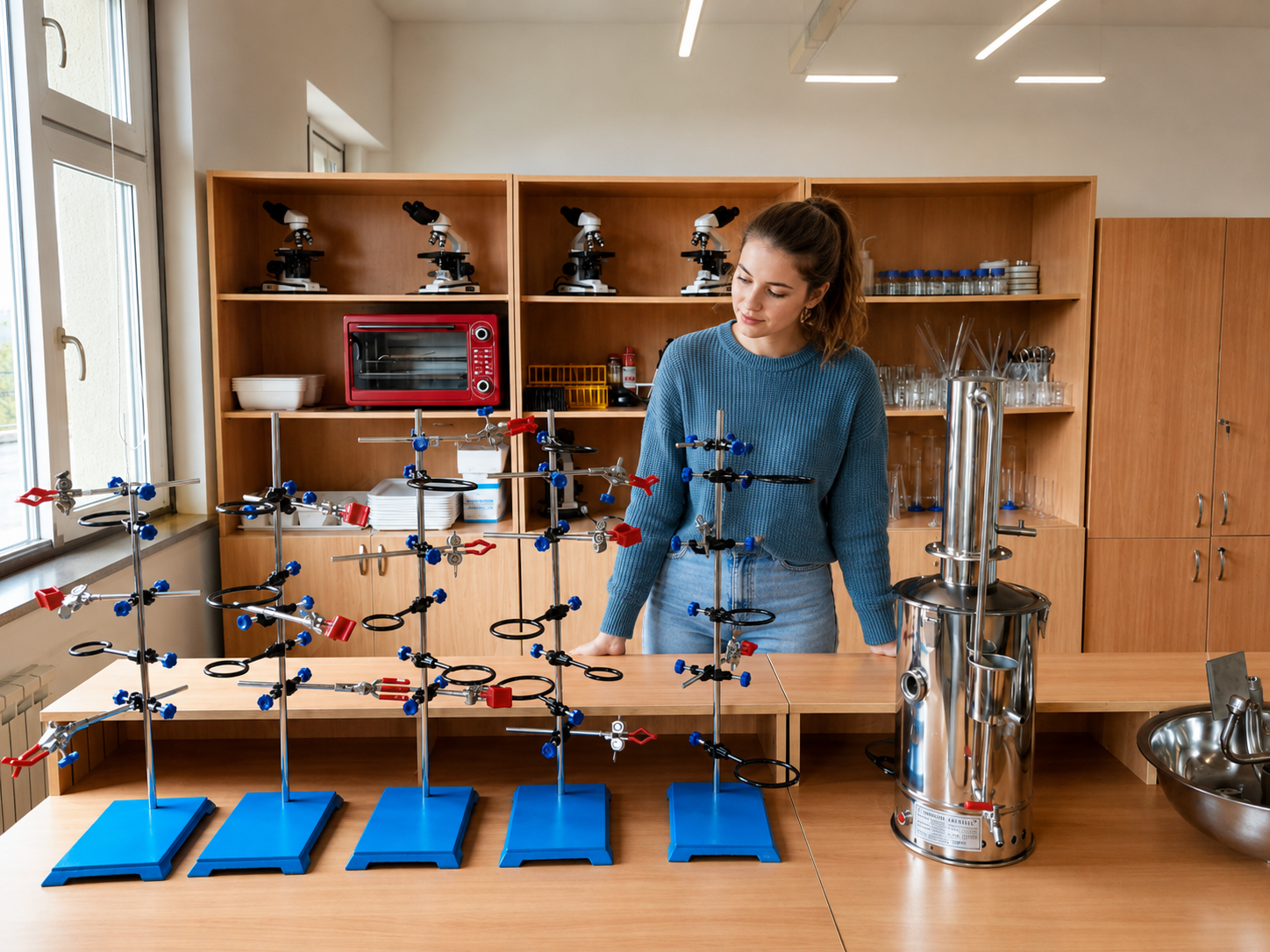
Equipping 439 schools: what a national STEM rollout actually takes
Armenia aims to equip every school with a science laboratory by the end of 2026. A look at the delivery layer of a 439-school rollout: seven laboratory configurations, 1.8 million items, 200+ localised teaching materials — and what ministries should ask suppliers.

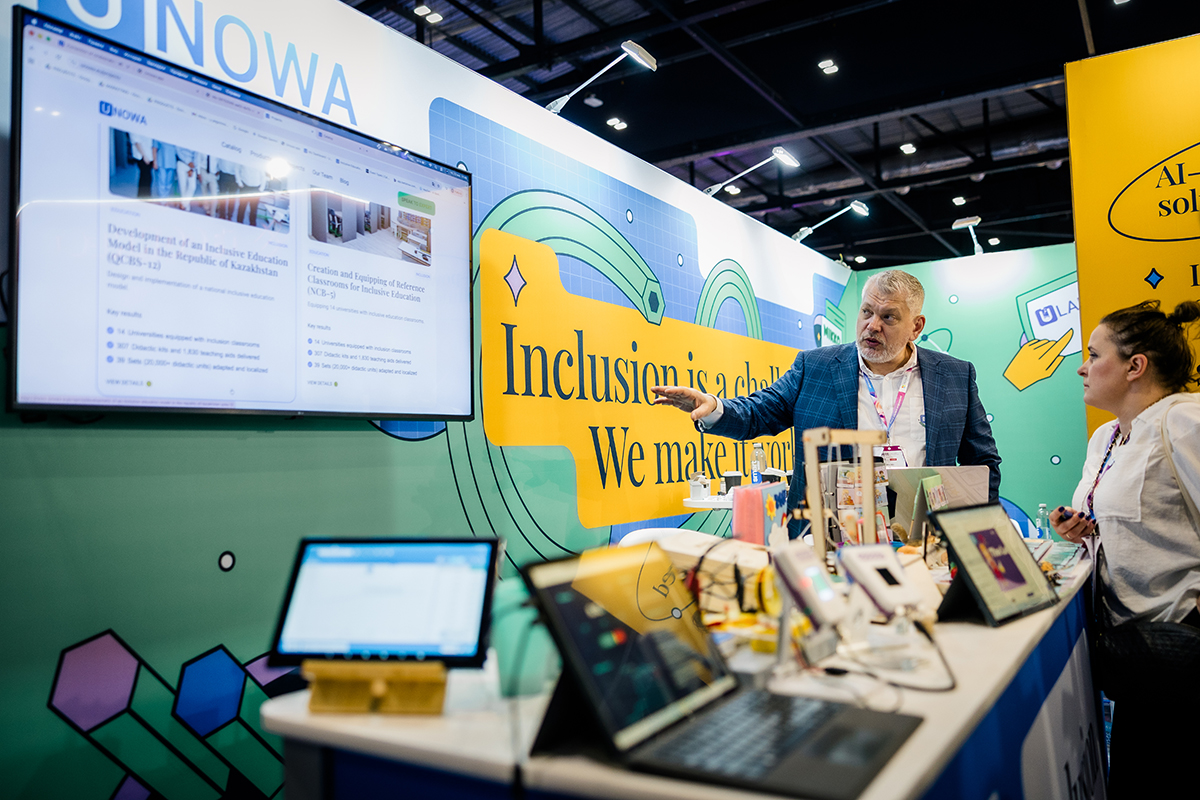
Responsible AI in Education Starts Before the Algorithm
Responsible AI in education depends on knowing what your data actually represents. A UNOWA pilot study shows why measurement validity has to come before AI interpretation.
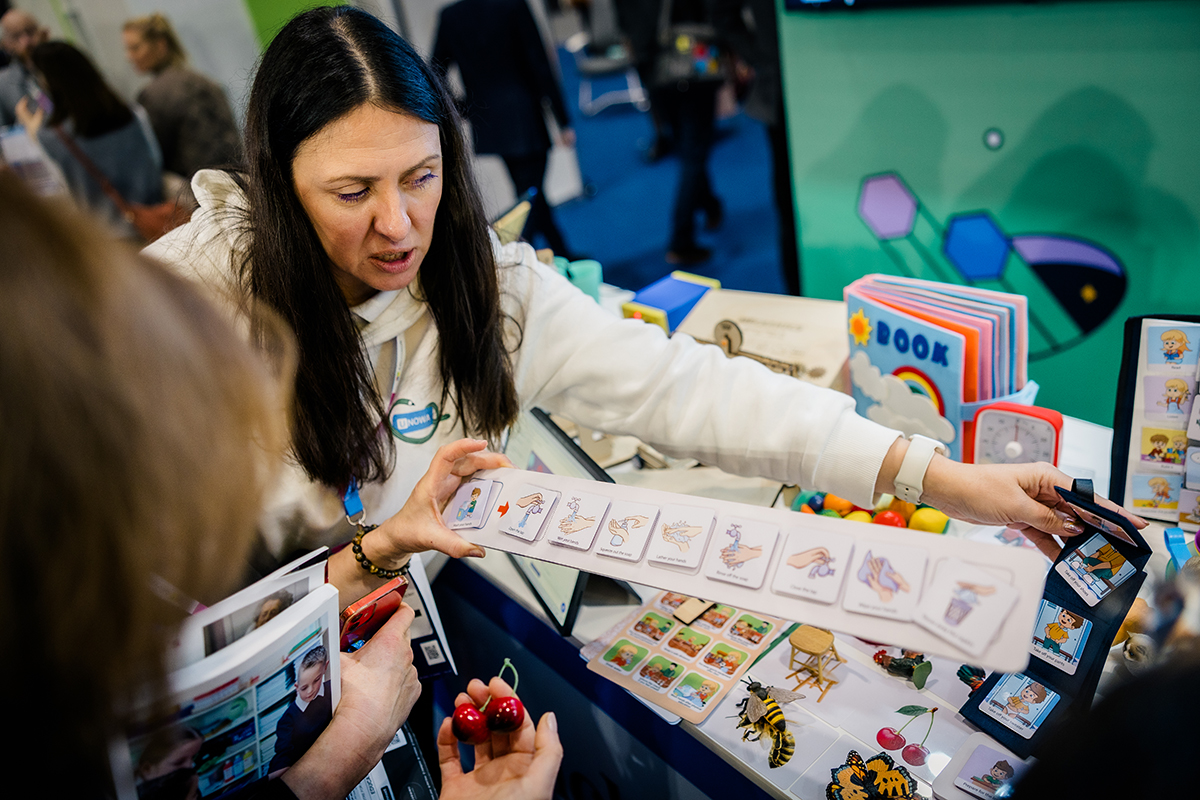
Differentiated Support in Inclusive Education: Why a Score Is Only the Start
Differentiated support in inclusive education starts where scoring ends. Here's why assessment should answer "what's getting in the way," not just "what's wrong."