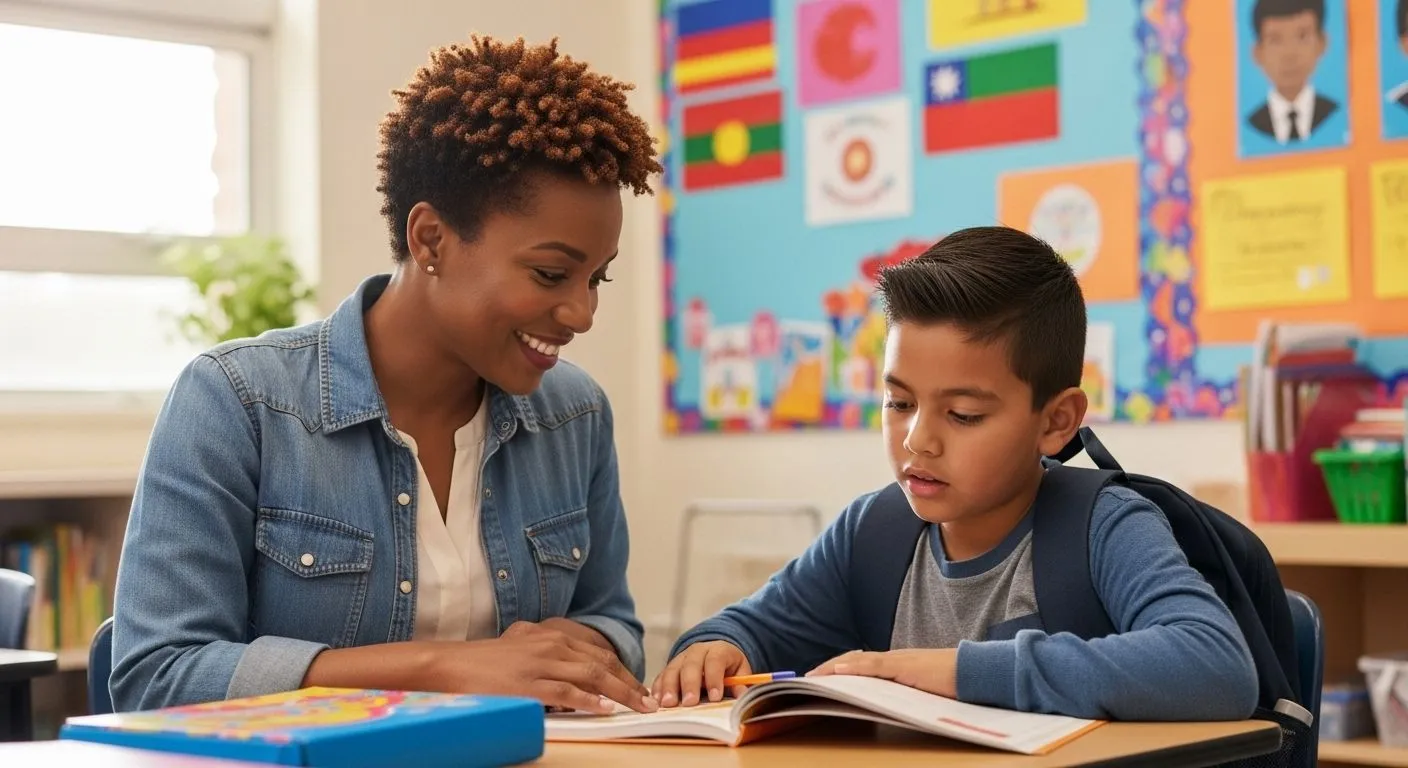

Did you know that students in culturally responsive classrooms show up to 30% higher engagement rates, according to UNESCO studies? This article explores culturally responsive teaching, its benefits, challenges, and strategies for implementation, drawing from global insights to empower educators in creating inclusive, future-ready learning environments. We'll delve into key facts, real-world applications, and how we at UNOWA integrate these principles into our adaptable educational systems.
Understanding Culturally Responsive Teaching
Culturally responsive teaching is an educational approach that recognizes and incorporates students' cultural backgrounds, experiences, and perspectives into the learning process. Originating from the work of scholars like Gloria Ladson-Billings in the 1990s, it emphasizes academic success, cultural competence, and critical consciousness.
Key facts from research highlight its impact:
- Improved academic outcomes: A 2022 study by the American Educational Research Association found that CRT practices lead to higher test scores and reduced achievement gaps in diverse classrooms.
- Global relevance: In regions like the EU and MENA, CRT addresses multicultural student populations, with over 70% of teachers in Poland reporting better integration of migrant students through these methods, per a European Commission report.
As Geneva Gay, a leading expert, states: "Culturally responsive teaching is using the cultural knowledge, prior experiences, frames of reference, and performance styles of ethnically diverse students to make learning more relevant and effective." This aligns with our mission at UNOWA to transform learning through inclusive tools like MIKKO for special education.
For more background, explore this Guide to Culturally Responsive Teaching from Edutopia.
Benefits and Challenges in Diverse Regions
Implementing culturally responsive teaching fosters inclusive education, particularly in our target geographies. In the EU, countries like Bulgaria and Latvia use CRT to adapt curricula for minority groups, enhancing STEM innovation through tools like our Ulabs platform.
Key benefits include:
- Enhanced student motivation: In Saudi Arabia and the UAE, recent initiatives have shown 20-25% increases in student participation in multicultural settings, as reported by the UAE Ministry of Education.
- Bridging cultural gaps: In CIS nations such as Kazakhstan and Uzbekistan, CRT supports locally adaptable education, aligning with national standards and reducing dropout rates by 15%, according to a 2023 UNESCO report.
- Future-ready skills: It promotes critical thinking and empathy, essential for STEM fields, where diverse perspectives drive innovation.
However, challenges persist:
- Resource limitations: In emerging markets like Serbia and Armenia, teachers often lack training, with only 40% feeling prepared, per World Bank data.
- Policy integration: Governments in Qatar and Oman are advancing guidelines, but implementation varies.
We address these through our comprehensive training and analytics, empowering institutions to overcome barriers. Learn about global inclusive policies in this UNESCO Inclusive Education Report.
Proven Strategies from Global Projects
Drawing from over 15 years of experience in 300+ national projects, we at UNOWA have seen culturally responsive teaching succeed in real-world reforms. For instance, in Malta and Estonia, our curriculum-aligned content has integrated local languages and traditions, boosting engagement in special education centers.
Effective strategies include:
- Incorporate local contexts: Adapt lessons to include regional histories, as in Georgia's schools where CRT improved literacy by 18%.
- Professional development: Offer training on cultural competence, like our programs that align with EU directives.
- Use technology: Leverage tools like our Ulabs for interactive, inclusive STEM activities that respect diverse learning styles.
- Community involvement: Engage families, a key factor in Moldova's successful reforms.
A quote from Zaretta Hammond, author of Culturally Responsive Teaching and the Brain: "It's about leveraging students' cultural assets to accelerate learning." This resonates with our innovative solutions for large-scale impact.
For case studies, check this World Bank Education Report on regional implementations.
Integrating with Inclusive and STEM Education
Culturally responsive teaching is foundational to inclusive education, ensuring every child, regardless of background, thrives. In special education, it supports neurodiverse learners, aligning with our MIKKO system.
In STEM, CRT encourages diverse problem-solving, vital for innovation. Recent news from a 2024 Qatar Foundation initiative highlights how CRT in UAE schools increased female participation in STEM by 25%.
We invite you to explore how our adaptable systems can support your institution — visit UNOWA for a consultation.
For further reading on STEM integration, see this OECD Education Policy Outlook.
FAQ
What is culturally responsive teaching? It's an approach that integrates students' cultural backgrounds into teaching to enhance learning and equity.
How does it benefit diverse regions? In areas like the EU and MENA, it improves engagement and reduces gaps, with statistics showing up to 30% better outcomes (UNESCO).
What are common challenges? Lack of training and resources, but professional development can mitigate these, as seen in our UNOWA projects.
How can UNOWA help implement it? Through our inclusive tools, training, and analytics tailored to national standards — learn more at UNOWA.
Where can I find government guidelines? Check resources like the European Commission Education Portal for EU policies.

Check out other articles
Explore the latest perspectives from our digital research team
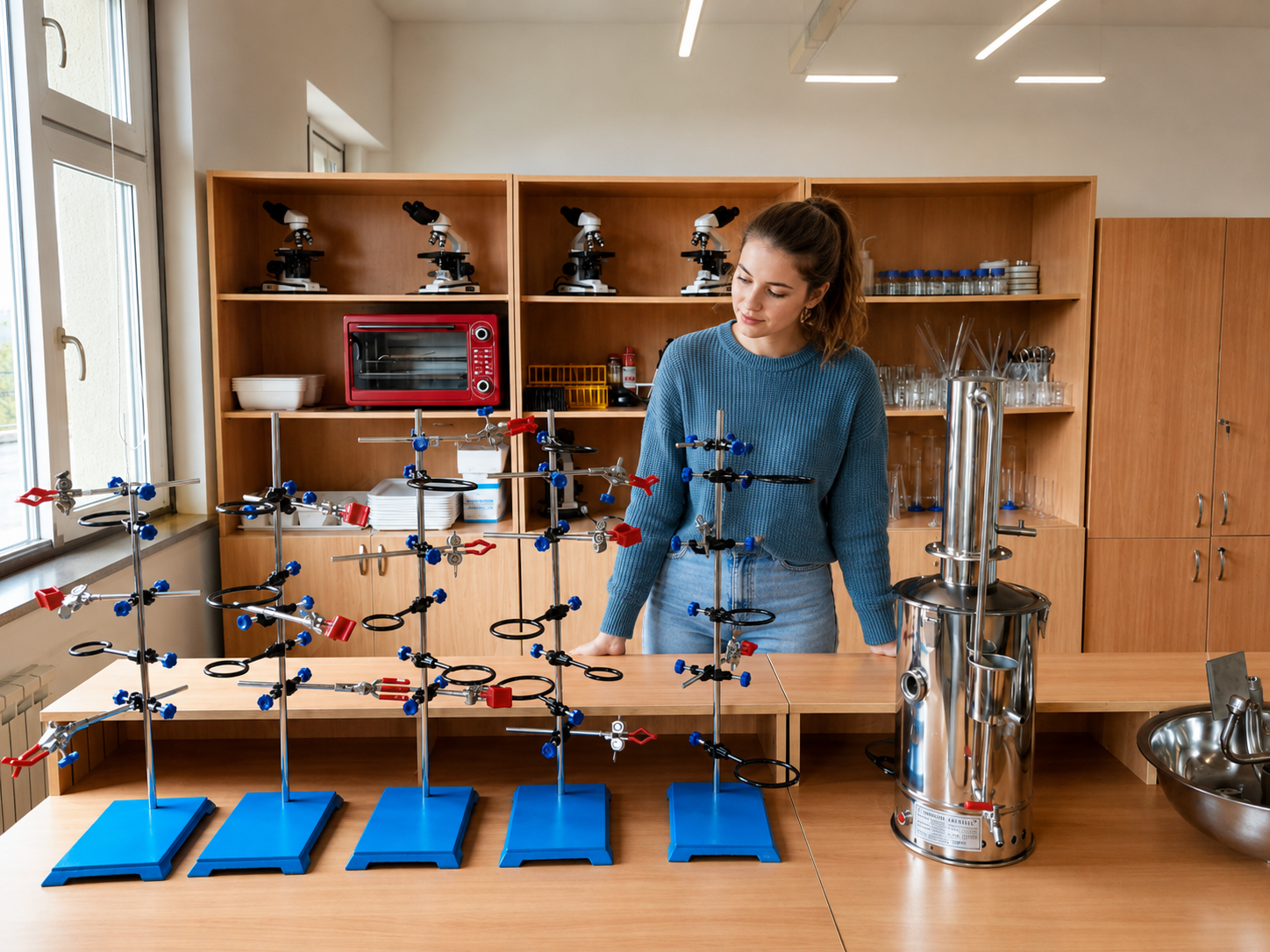
Equipping 439 schools: what a national STEM rollout actually takes
Armenia aims to equip every school with a science laboratory by the end of 2026. A look at the delivery layer of a 439-school rollout: seven laboratory configurations, 1.8 million items, 200+ localised teaching materials — and what ministries should ask suppliers.

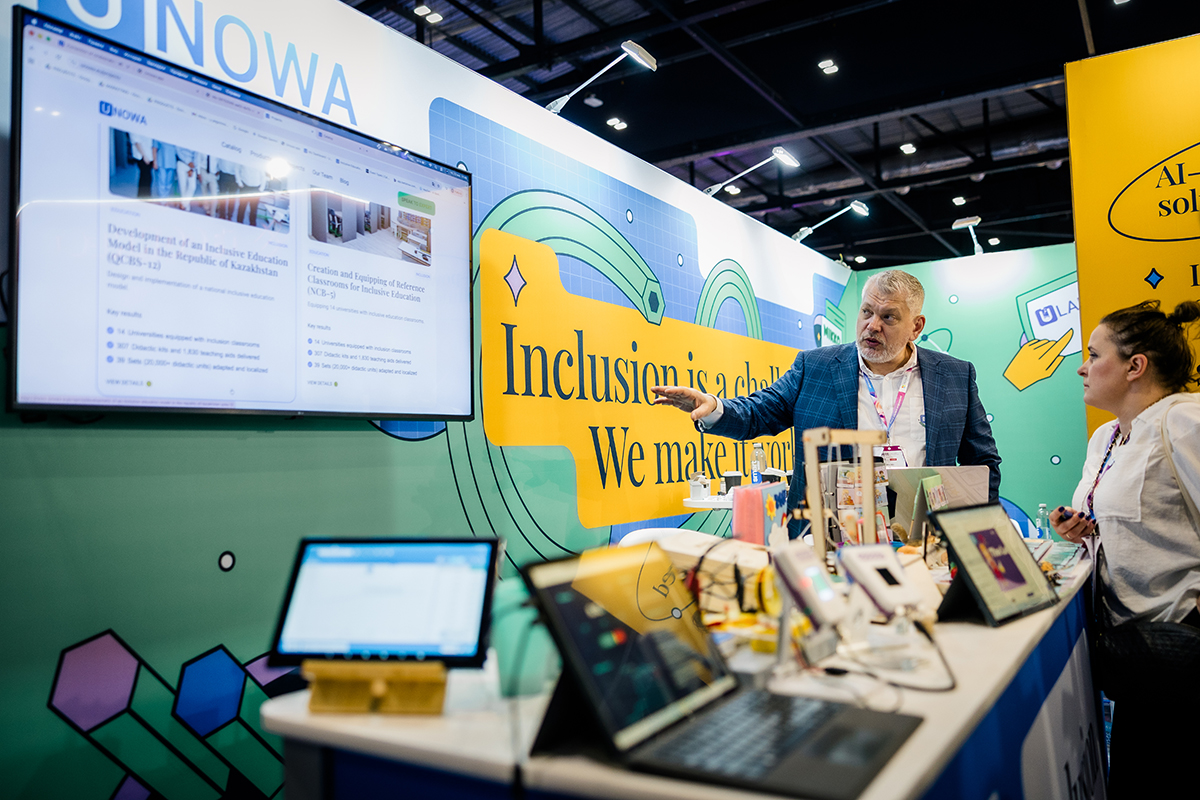
Responsible AI in Education Starts Before the Algorithm
Responsible AI in education depends on knowing what your data actually represents. A UNOWA pilot study shows why measurement validity has to come before AI interpretation.
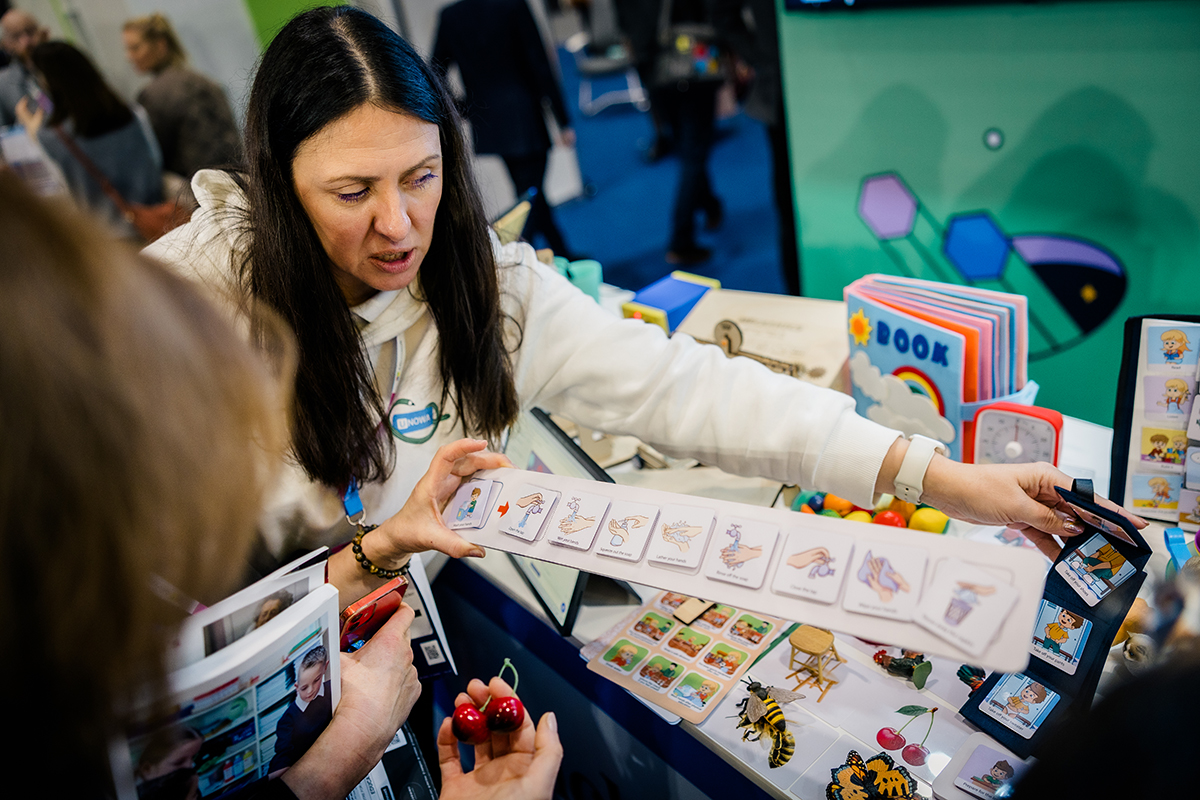
Differentiated Support in Inclusive Education: Why a Score Is Only the Start
Differentiated support in inclusive education starts where scoring ends. Here's why assessment should answer "what's getting in the way," not just "what's wrong."