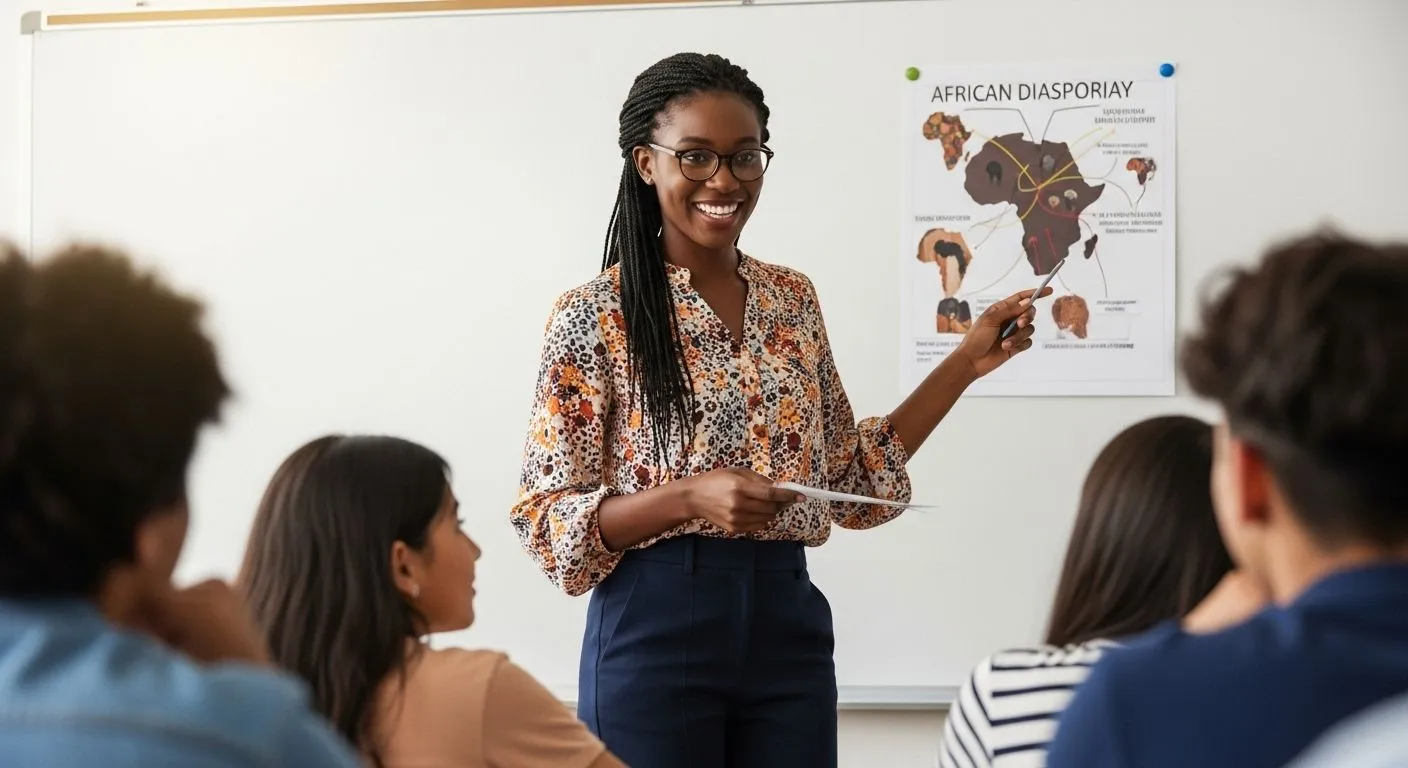

Did you know that students engaged through culturally relevant teaching are up to 20% more likely to excel in STEM subjects, according to recent global studies? This article explores the essentials of culturally relevant teaching, its benefits for inclusive education, regional adaptations in the EU, MENA, and CIS, and proven strategies to empower educators and students — drawing on expert insights and real-world examples to guide transformative practices.
What Is Culturally Relevant Teaching?
Culturally relevant teaching is a powerful pedagogical approach that integrates students' cultural backgrounds, experiences, and perspectives into the learning process to boost engagement and academic success. Rooted in the work of scholars like Gloria Ladson-Billings, it emphasizes three pillars: intellectual growth, cultural competence, and critical consciousness to affirm identities and challenge inequities.
As we at UNOWA design inclusive systems like MIKKO for special education and Ulabs for STEM innovation, we see culturally relevant teaching as essential for creating adaptable, future-ready curricula aligned with national standards.
Why Culturally Relevant Teaching Matters in Diverse Regions
In regions like the EU, MENA, and CIS, culturally relevant teaching addresses growing diversity from migration and cultural shifts. For instance, a 2025 Malta report showed a 15% increase in student retention among minority groups in schools using these methods, as cited by the European Commission.
- EU Insights: Countries such as Poland and Estonia prioritize multicultural training, with policies from the Erasmus+ program supporting inclusive reforms.
- MENA Adaptations: In the UAE and Saudi Arabia, national curricula blend local values with global skills, per guidelines from the UAE Ministry of Education.
- CIS Strategies: Kazakhstan's reforms have led to 20% better STEM scores for rural students, according to UNESCO reports.
These examples highlight how culturally relevant teaching fosters equity, with our solutions at UNOWA empowering institutions to implement them at scale.
Proven Strategies for Implementing Culturally Relevant Teaching
Drawing from expert advice, here are actionable strategies to integrate culturally relevant teaching:
- Incorporate Cultural References: Tailor lessons with local examples, like using regional data in STEM via our Ulabs platform.
- Build Relationships: Engage families to understand backgrounds, enhancing inclusivity in special education settings.
- Encourage Critical Reflection: Train educators to address biases, as recommended by Edutopia's guide.
- Adapt to STEM and Special Needs: Make science relatable by linking to community issues, boosting motivation for diverse learners.
Brittany Aronson, an educational expert, notes: "When teachers connect lessons to students’ real-world experiences, students become more motivated learners," per Learning for Justice.
Challenges and Solutions in Global Education Reform
Common challenges include limited training and resources, but policies like those from the California Department of Education offer frameworks for success. At UNOWA, with over 15 years of experience in 300+ national projects, we provide training and analytics to overcome these, ensuring culturally adaptable solutions.
Recent news from UNESCO underscores rising adoption in emerging markets, positioning culturally relevant teaching as key to sustainable development.
FAQ
What is the core goal of culturally relevant teaching?
It aims to affirm students' identities while promoting academic excellence and critical thinking.
How does culturally relevant teaching support STEM education?
By using culturally familiar examples, it increases engagement and relevance, as seen in our Ulabs innovations.
Can culturally relevant teaching be adapted to special education?
Yes, it ensures equitable support for diverse needs, aligning with our MIKKO inclusive systems.
What resources does UNOWA offer for implementing this approach?
Explore our comprehensive solutions at UNOWA for training, content, and analytics tailored to your region.
How can educators start with culturally relevant teaching?
Begin with self-reflection and incorporate student backgrounds — contact us for expert consultations.

Check out other articles
Explore the latest perspectives from our digital research team
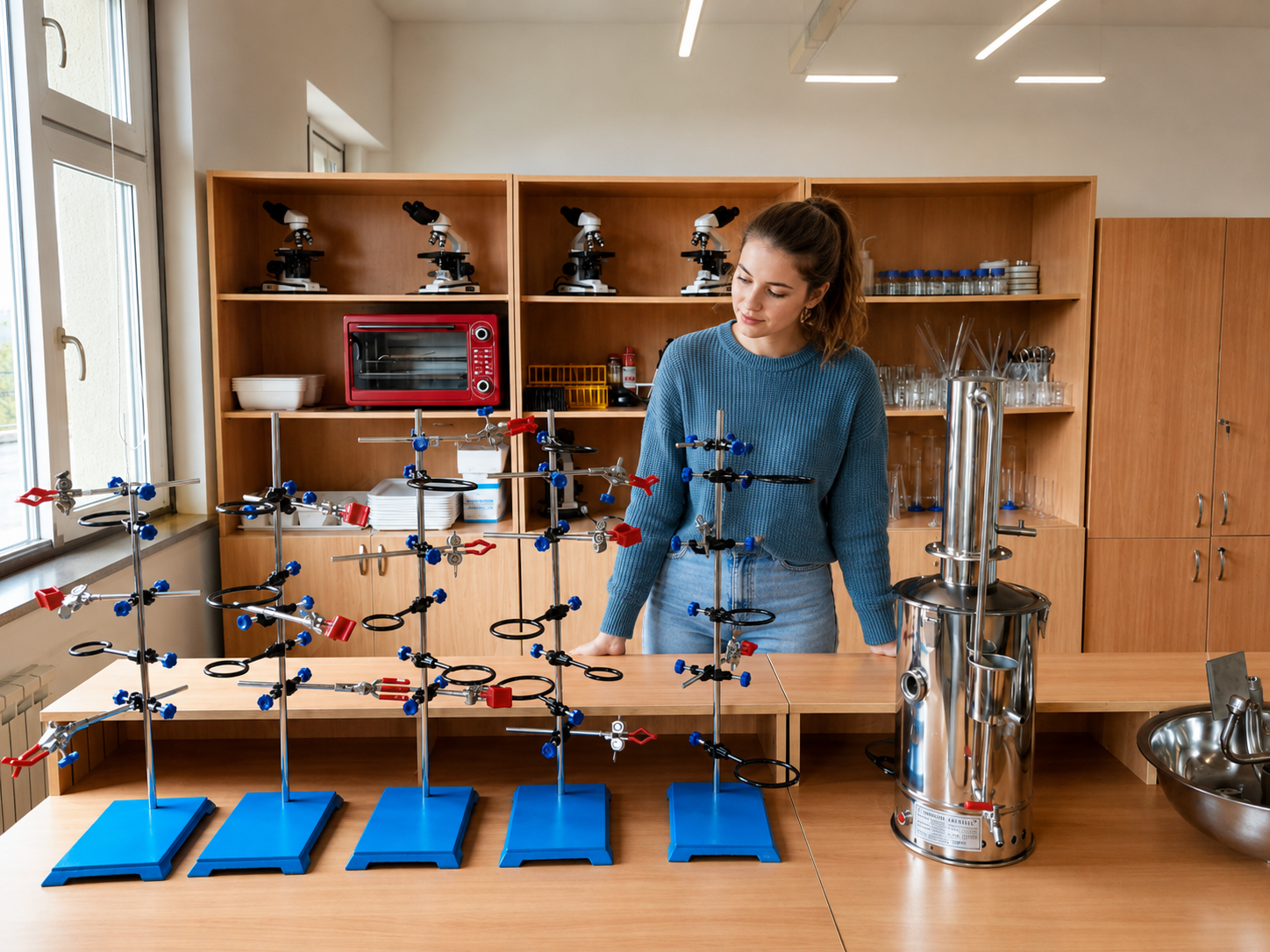
Equipping 439 schools: what a national STEM rollout actually takes
Armenia aims to equip every school with a science laboratory by the end of 2026. A look at the delivery layer of a 439-school rollout: seven laboratory configurations, 1.8 million items, 200+ localised teaching materials — and what ministries should ask suppliers.

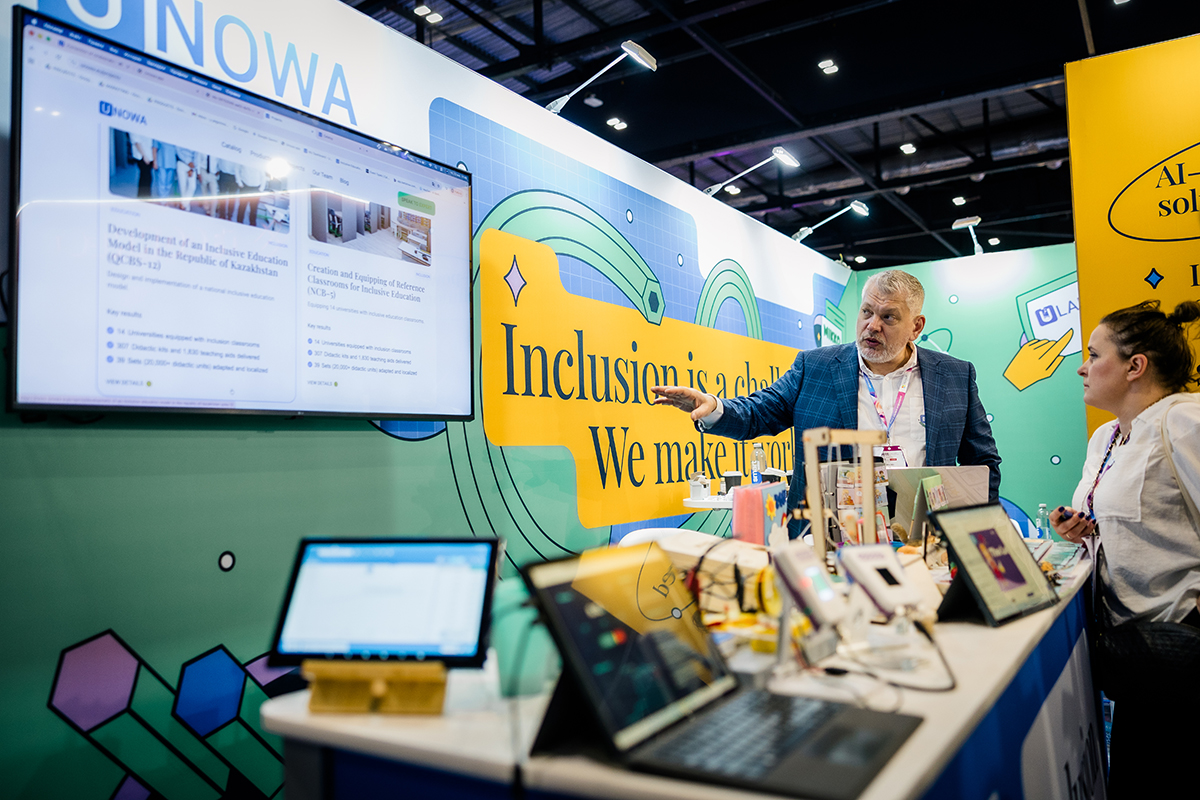
Responsible AI in Education Starts Before the Algorithm
Responsible AI in education depends on knowing what your data actually represents. A UNOWA pilot study shows why measurement validity has to come before AI interpretation.
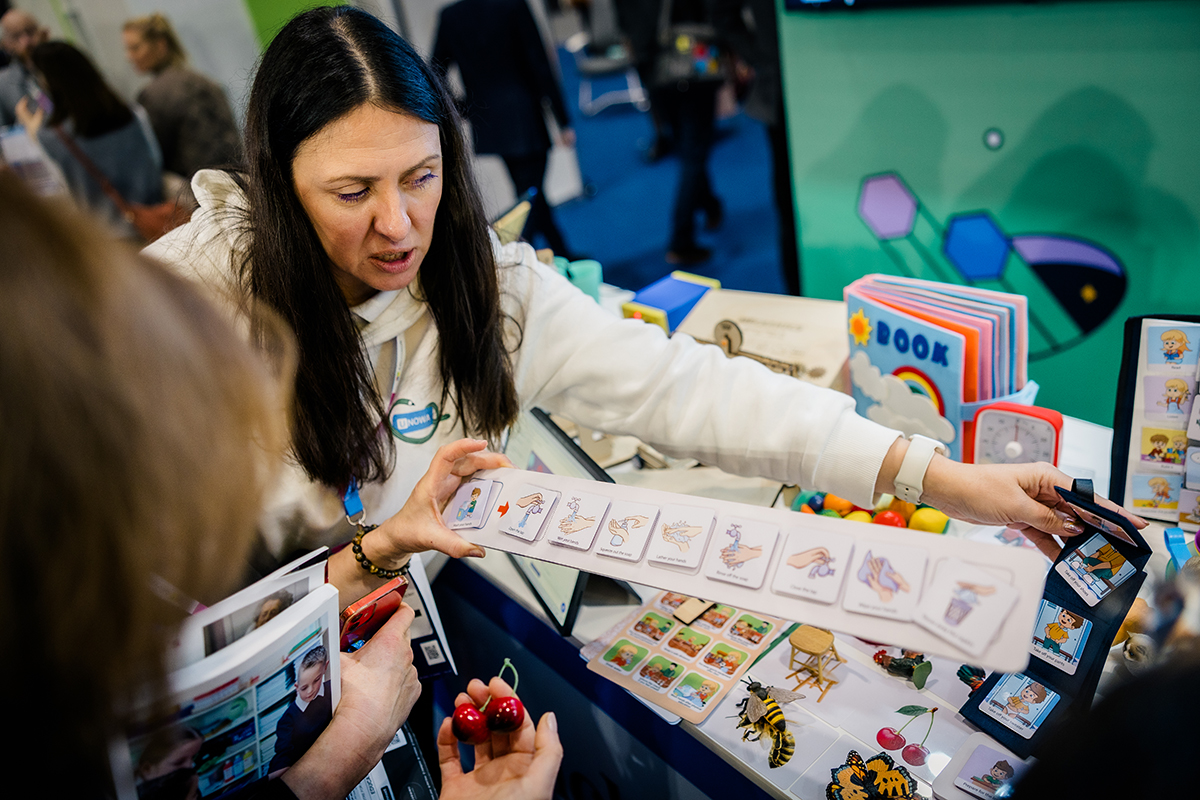
Differentiated Support in Inclusive Education: Why a Score Is Only the Start
Differentiated support in inclusive education starts where scoring ends. Here's why assessment should answer "what's getting in the way," not just "what's wrong."