Did you know that over 70,000 students in the US alone enrolled in data science courses in a recent school year, signaling a global shift toward STEM innovation in curricula? This article explores countrywide curriculum modernization, highlighting challenges, strategies, and regional insights from EU, MENA, and CIS nations, while showcasing how we at UNOWA empower inclusive, future-ready education.
The Urgency of Countrywide Curriculum Modernization
In an era of rapid digital transformation, countrywide curriculum modernization is essential for equipping students with competencies like problem-solving, digital literacy, and collaboration. Drawing from global reforms, we see a shift from content-heavy syllabi to competency-based models, integrating STEM innovation and inclusive education. With our 15+ years of experience delivering over 300 national projects, we help bridge the policy-practice gap through adaptable solutions like MIKKO for inclusive education and Ulabs for STEM labs.
Key trends include:
- Competency-based curricula emphasizing real-world skills.
- Integration of AI, coding, and data science from primary levels.
- Focus on equity for students with disabilities, minorities, and rural populations.
According to NWEA, there's growing urgency for middle school literacy supports to ensure equitable STEM access, a principle we apply in our curriculum-aligned content.
Regional Insights into Curriculum Reforms
Countrywide curriculum modernization varies by region, but common themes emerge in our target geographies.
EU Examples: Bulgaria, Malta, Poland, and Beyond
In the EU, reforms align with the European Commission's Key Competences for Lifelong Learning. Estonia stands out with its digital-ready curriculum, achieving strong PISA results and narrow equity gaps through school autonomy and inclusive strategies.
In Bulgaria, EU-funded reforms boost digital competence and support for Roma students, though teacher PD remains crucial. Malta's National Curriculum Framework emphasizes bilingual inclusion and STEM labs, addressing migrant needs effectively.
We empower these efforts with our training and analytics, ensuring reforms are inclusive and scalable. For more on EU education policies, visit UNESCO's education page.
MENA Innovations: Saudi Arabia, UAE, and More
MENA nations tie countrywide curriculum modernization to economic visions like Saudi Arabia's Vision 2030, integrating STEM and English from early grades while advancing inclusive policies for students with disabilities.
The UAE leads in AI and robotics, with federal guidelines for "students of determination." Challenges include aligning high-level goals with classroom practice, where our Ulabs provide cutting-edge STEM tools.
Qatar and Oman focus on 21st-century skills, supported by international partnerships. Explore more at the World Bank's education resources.
CIS Progress: Kazakhstan, Uzbekistan, and Others
In CIS countries, transitions to competency-based curricula emphasize trilingual education and ICT. Kazakhstan's Nazarbayev Intellectual Schools pilot STEM labs, while Georgia advances inclusive models with resource centers.
Uzbekistan's reforms reduce curriculum overload, prioritizing STEM and teacher training. We support these with our adaptable systems, drawing from proven global projects.
For insights into CIS education, check UNESCO's regional reports.
Challenges in Countrywide Curriculum Modernization
Despite progress, hurdles persist:
- Teacher capacity gaps: New pedagogies demand sustained PD, not one-off workshops.
- Assessment misalignment: High-stakes exams often favor rote learning over competencies.
- Digital divides: Uneven access in rural areas hampers STEM innovation.
- Data scarcity: Limited longitudinal data hinders targeted inclusive strategies.
Expert quote from NWEA: "There's a growing urgency around middle school literacy... embedding reading across all subjects is key for equity."
We address these through our comprehensive analytics and training, fostering resilient systems.
Proven Strategies for Success
Based on global evidence, here are actionable approaches:
- Align components: Ensure standards, materials, assessments, and PD interconnect.
- Embed inclusive practices: Use co-teaching and differentiated instruction for all learners.
- Leverage technology: Integrate AI with guardrails for adaptive learning.
- Prioritize STEM equity: Implement universal screening for advanced courses.
- Sustain PD: Foster professional learning communities for ongoing growth.
Our solutions, like curriculum-aligned content, have transformed learning in over 300 projects. Learn more at UNOWA.
FAQ
What is countrywide curriculum modernization?
It's a systemic update to national curricula, focusing on competencies, inclusion, and innovation to prepare students for the future.
How does UNOWA support inclusive education in reforms?
We offer MIKKO, our inclusive education system, with adaptable materials for SEN, ensuring every child accesses quality learning.
What are key challenges in STEM integration?
Teacher preparedness, assessment alignment, and digital divides — addressed through our Ulabs for hands-on innovation.
Why is data important in curriculum modernization?
Robust data tracks equity and impact, as highlighted by NWEA, guiding targeted interventions.
How can institutions partner with UNOWA?
Visit UNOWA for consultations on tailoring our solutions to your national standards.

Check out other articles
Explore the latest perspectives from our digital research team
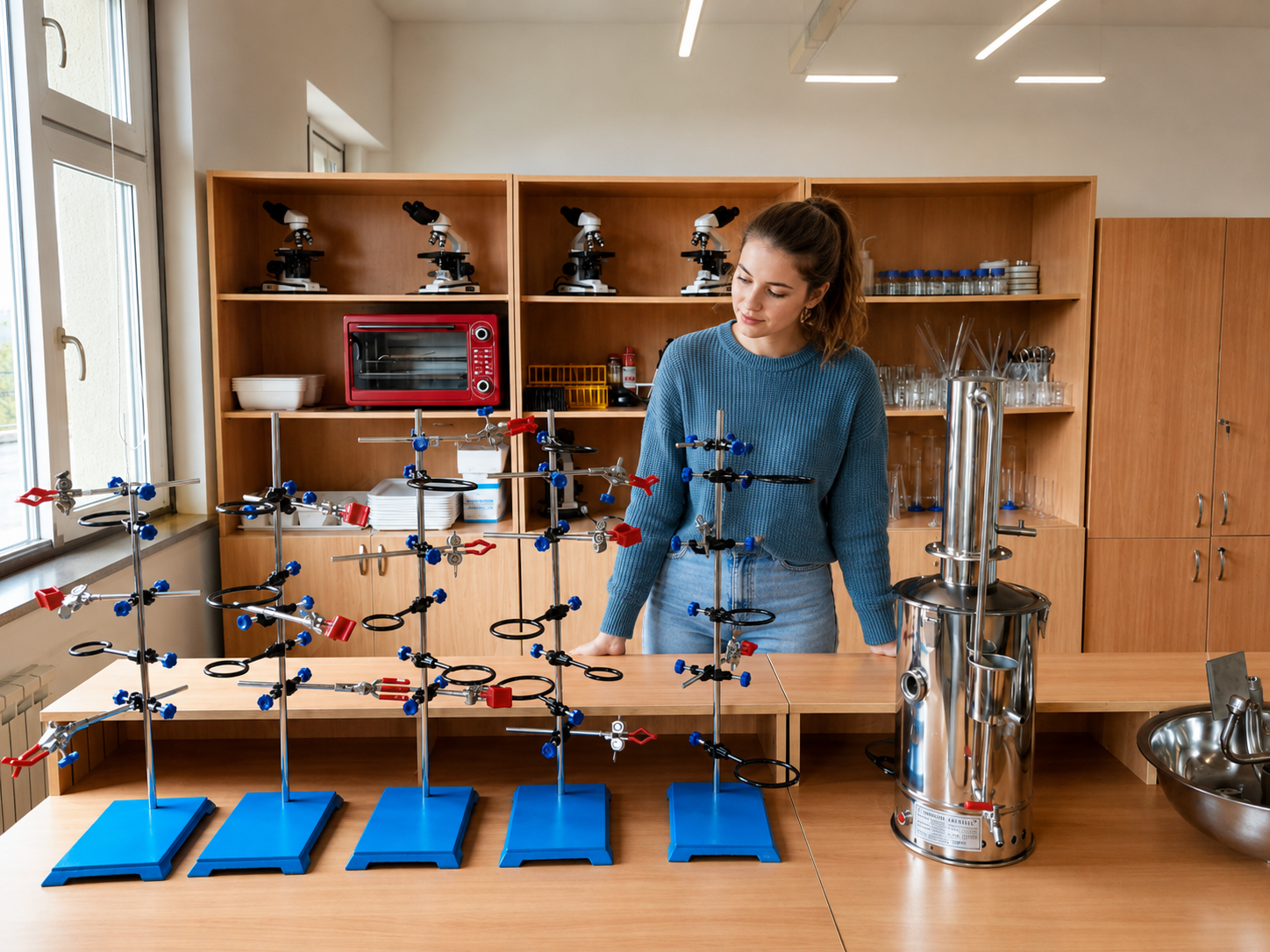
Equipping 439 schools: what a national STEM rollout actually takes
Armenia aims to equip every school with a science laboratory by the end of 2026. A look at the delivery layer of a 439-school rollout: seven laboratory configurations, 1.8 million items, 200+ localised teaching materials — and what ministries should ask suppliers.

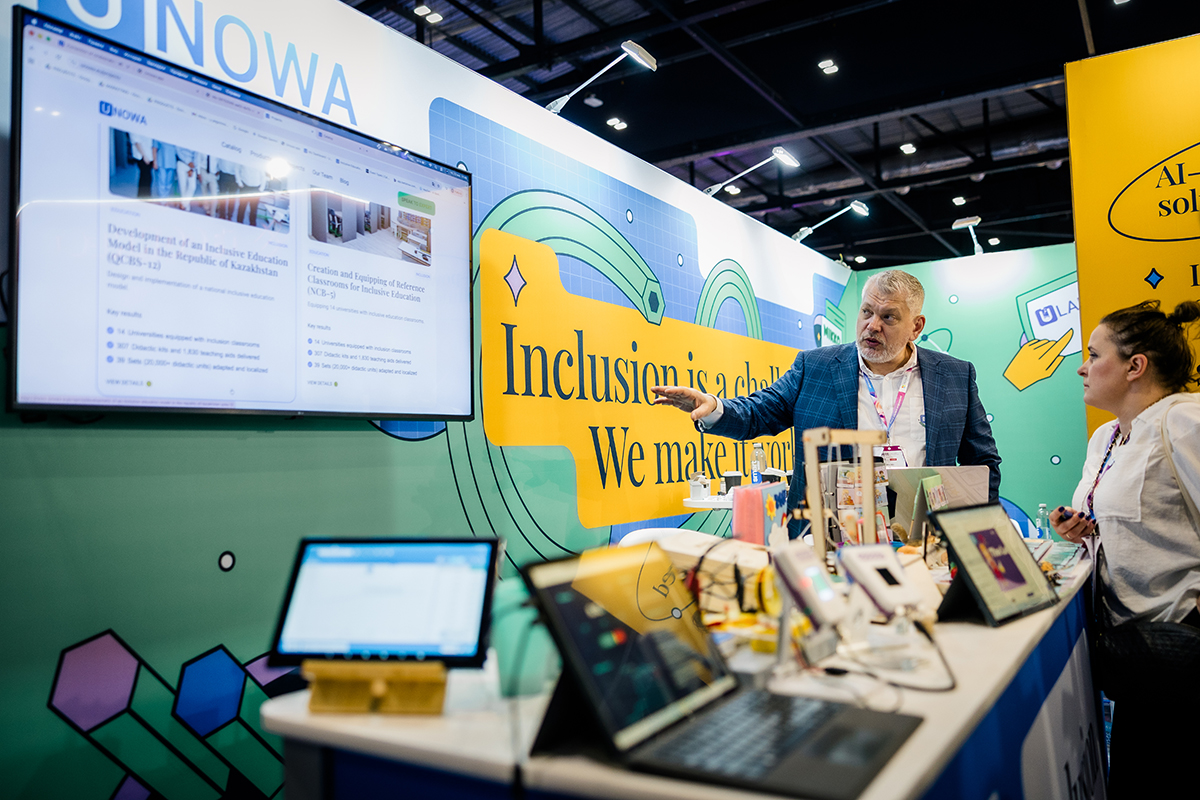
Responsible AI in Education Starts Before the Algorithm
Responsible AI in education depends on knowing what your data actually represents. A UNOWA pilot study shows why measurement validity has to come before AI interpretation.
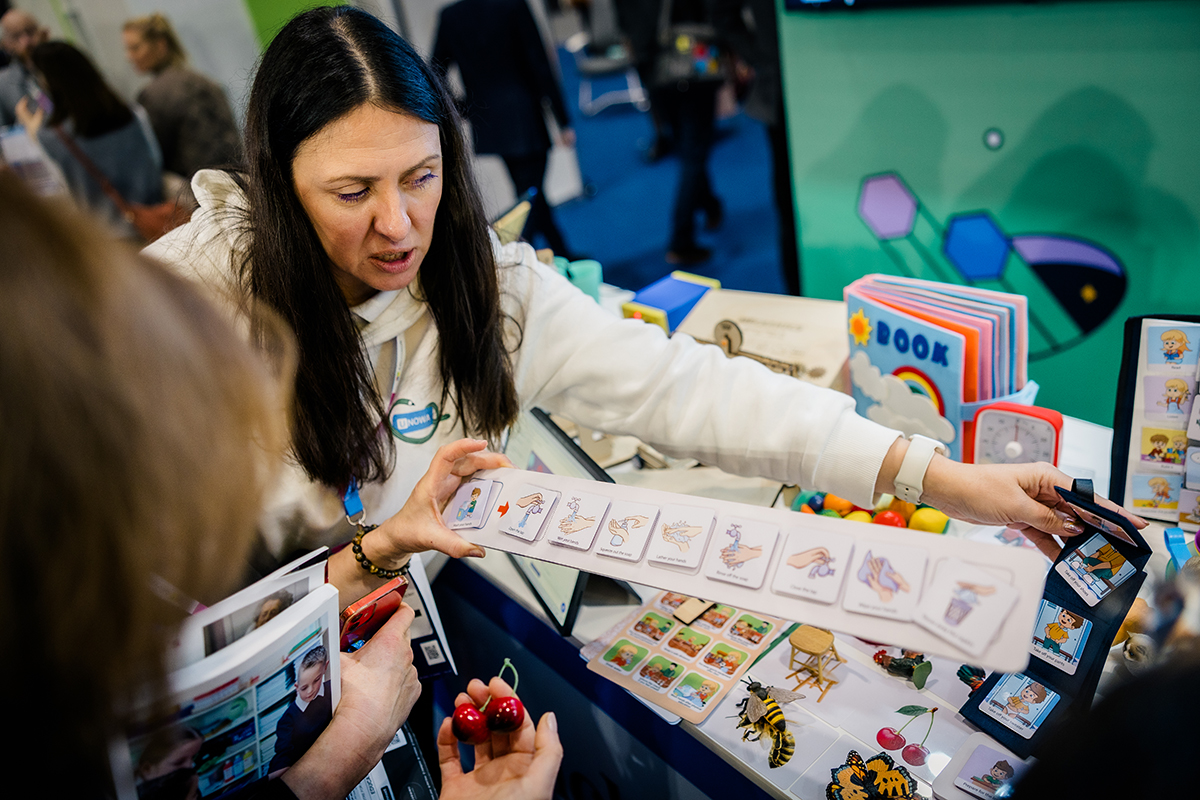
Differentiated Support in Inclusive Education: Why a Score Is Only the Start
Differentiated support in inclusive education starts where scoring ends. Here's why assessment should answer "what's getting in the way," not just "what's wrong."