

Did you know that contextual learning materials can boost student post-test scores by over 60 points in subjects like statistics, as shown in quasi-experimental studies? This article explores how these innovative tools transform education, drawing on global insights to address challenges and strategies for inclusive, adaptable learning — positioning us at UNOWA as your partner in creating future-ready systems.
What Are Contextual Learning Materials?
Contextual learning materials are resources that embed academic content in real-life scenarios, such as local community issues or career applications, making learning meaningful and relevant. Based on constructivist theories from experts like John Dewey, they enhance engagement by connecting new knowledge to students' experiences, leading to better retention and motivation.
Research from Columbia’s Community College Research Center highlights that contextualization improves outcomes for underprepared students, with 27 studies showing positive effects on academic progression Community College Research Center.
At UNOWA, we integrate contextual learning materials into our MIKKO inclusive education and Ulabs STEM innovation systems, aligning them with national standards across the EU, MENA, and CIS regions.
Benefits for Inclusive and STEM Education
Contextual learning materials excel in fostering inclusivity and innovation:
- Enhanced Engagement: They increase interest and achievement in STEM by linking concepts to real-world uses, supporting long-term memory transfer.
- Inclusivity Boost: These materials cater to diverse needs, using modalities like hands-on activities to reach neurodiverse learners and multilingual students.
- STEM Innovation: By incorporating local datasets and industry-aligned tasks, they build problem-solving skills essential for careers in smart cities or renewable energy.
A study on Contextual Teaching and Learning (CTL) reported significant improvements in writing and problem-solving through community interactions ResearchGate.
We empower educators with contextual learning materials that are adaptable, ensuring every child accesses quality education. Explore our solutions at UNOWA.
Regional Insights and Adaptability
In the EU (Bulgaria, Malta, Poland, Latvia, Lithuania, Estonia, Serbia), contextual learning materials align with European Key Competences, promoting real-life STEM tasks in EU-funded projects European Commission Education.
For MENA (Saudi Arabia, UAE, Qatar, Oman), they support visions like Saudi Vision 2030 by contextualizing STEM around desert ecology and smart cities World Bank MENA.
In CIS countries (Kazakhstan, Uzbekistan, Armenia, Moldova, Azerbaijan, Kyrgyzstan, Georgia), reforms emphasize competence-based curricula, where contextual learning materials integrate local industries like agriculture UNESCO CIS.
Our 15+ years of experience help tailor these materials to your national standards, driving large-scale impact.
Challenges and Proven Strategies
While powerful, implementing contextual learning materials faces hurdles like teacher preparation and resource gaps. Research notes that without proper training, materials may lack authenticity OECD Education.
Proven strategies include:
- Backward Design: Start from standards and overlay local contexts.
- Teacher Development: Use co-planning and model units for effective adoption.
- Inclusive Practices: Apply Universal Design for Learning for differentiation.
By addressing these, we transform challenges into opportunities for educational reform. Learn more at UNOWA.
FAQ
What are contextual learning materials? They are educational resources that apply academic content to real-life contexts, enhancing relevance and engagement.
How do they support inclusive education? Contextual learning materials accommodate diverse needs through differentiated tasks and cultural responsiveness, as per UNESCO guidelines UNESCO Inclusive Education.
Can they align with national standards? Yes, we design them to map explicitly to standards, ensuring adaptability in regions like the EU, MENA, and CIS.
What evidence shows their effectiveness? Studies indicate higher achievement and motivation, with CTL approaches yielding significant score improvements in math and science.
How can we implement them in our institution? Contact us at UNOWA for consultations on integrating contextual learning materials into your curriculum.

Check out other articles
Explore the latest perspectives from our digital research team
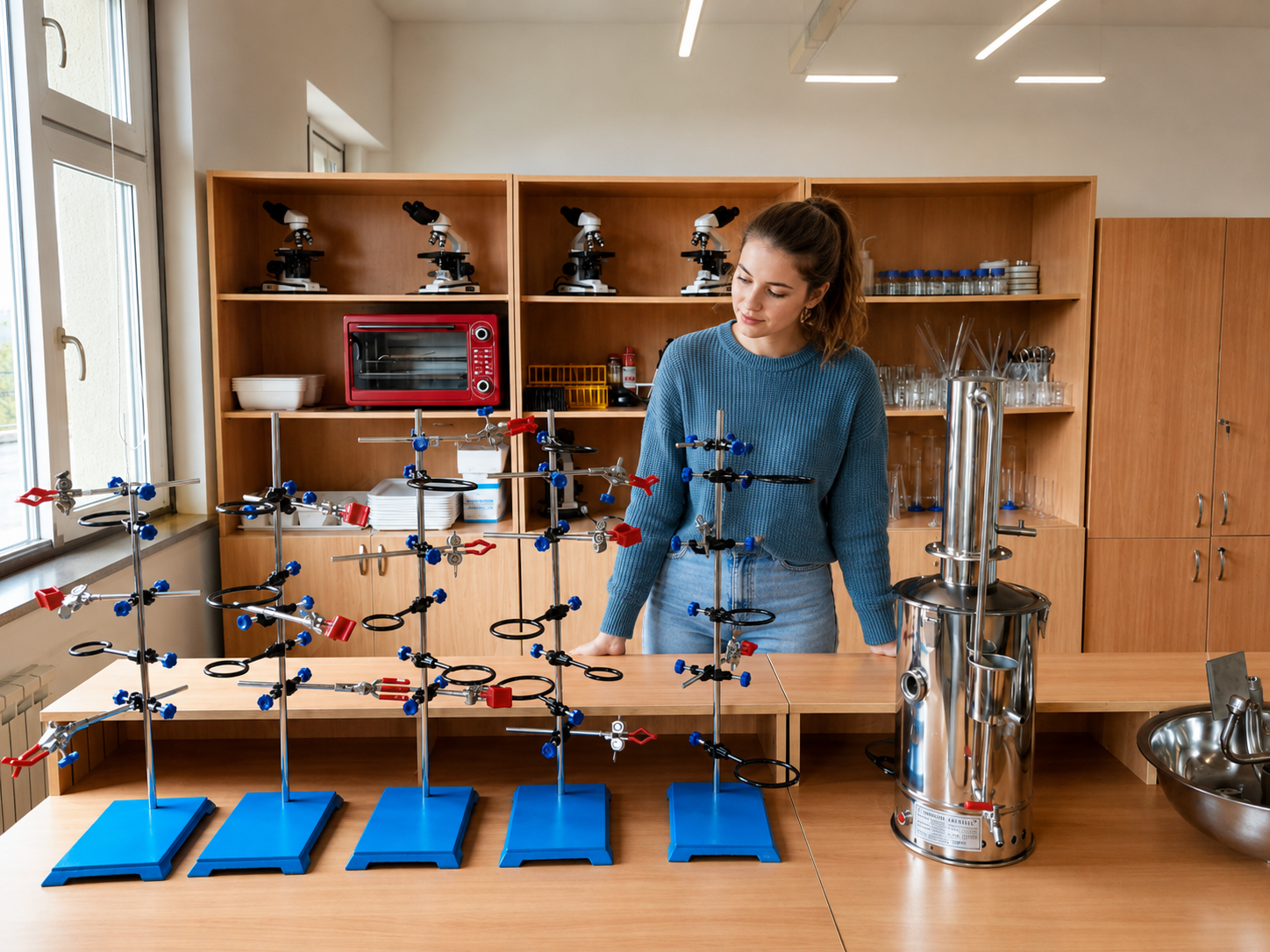
Equipping 439 schools: what a national STEM rollout actually takes
Armenia aims to equip every school with a science laboratory by the end of 2026. A look at the delivery layer of a 439-school rollout: seven laboratory configurations, 1.8 million items, 200+ localised teaching materials — and what ministries should ask suppliers.

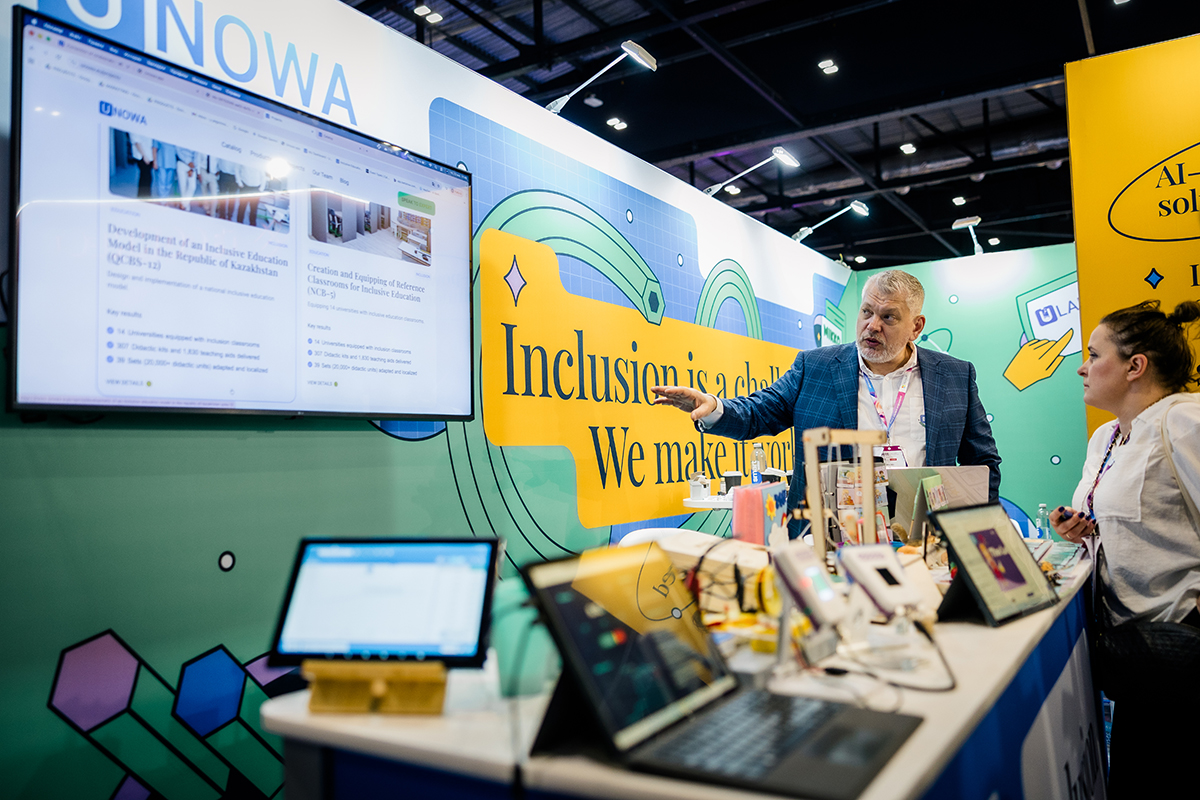
Responsible AI in Education Starts Before the Algorithm
Responsible AI in education depends on knowing what your data actually represents. A UNOWA pilot study shows why measurement validity has to come before AI interpretation.
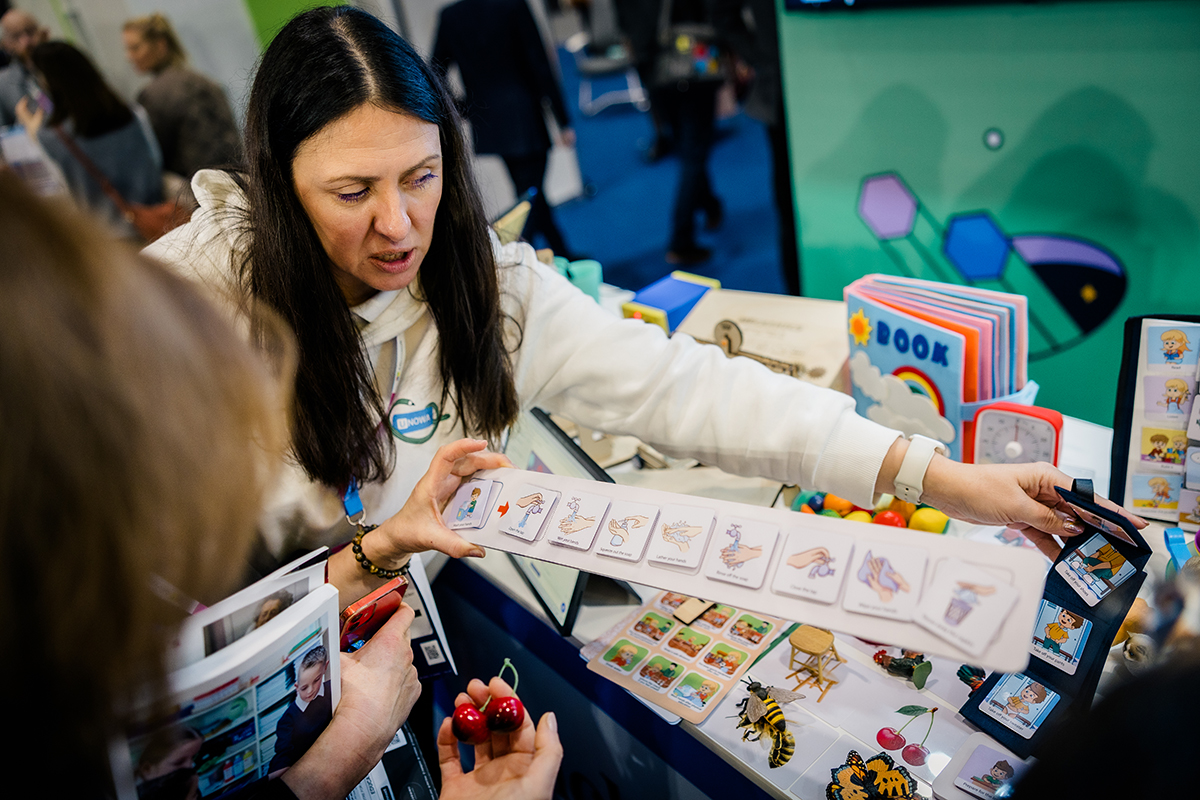
Differentiated Support in Inclusive Education: Why a Score Is Only the Start
Differentiated support in inclusive education starts where scoring ends. Here's why assessment should answer "what's getting in the way," not just "what's wrong."