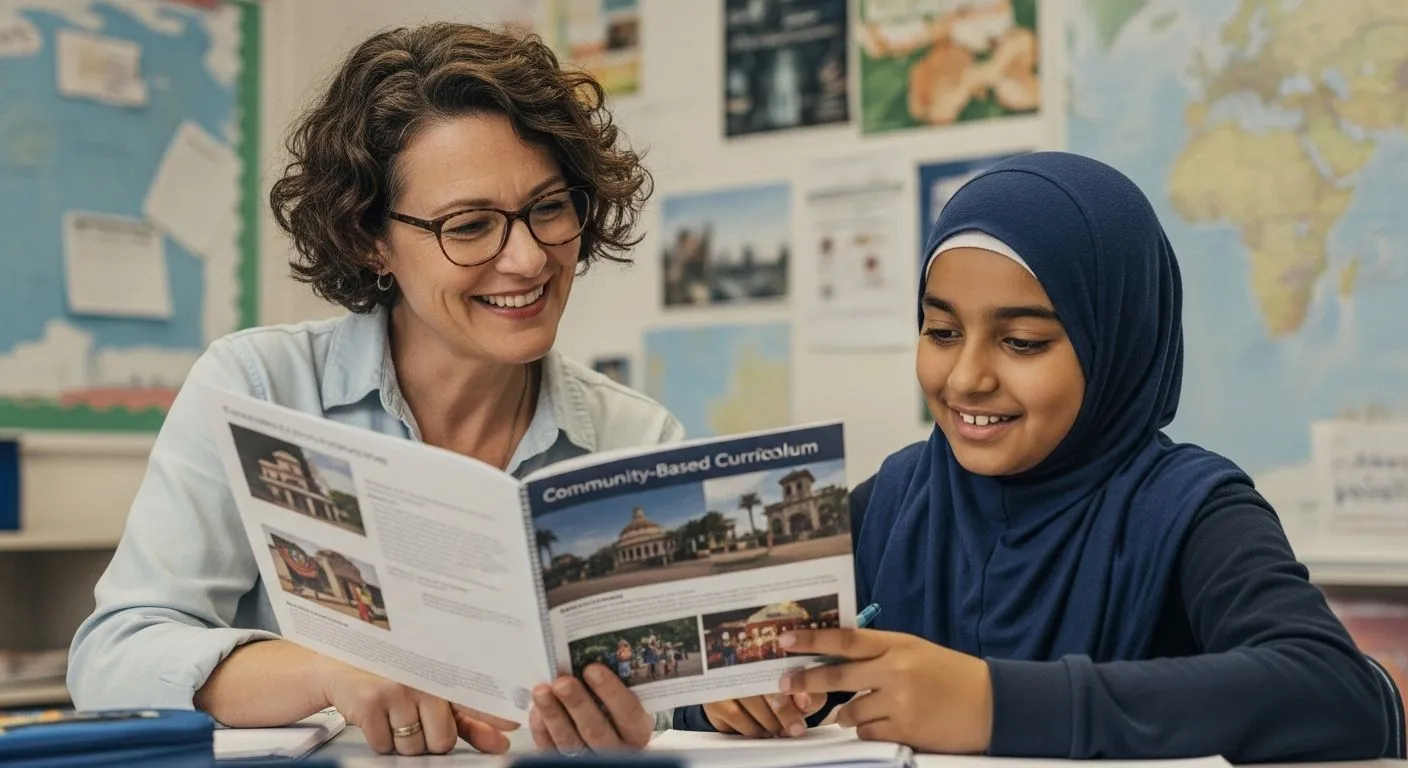

Did you know that schools integrating community-based curriculum can boost student engagement by up to 30%, according to global studies? This article explores how community-based curriculum empowers inclusive, locally adaptable education, drawing on insights from EU, MENA, and CIS regions to highlight benefits, challenges, and strategies — positioning us at UNOWA as your partner in transforming learning for a future-ready world.
What Is Community-Based Curriculum?
At its core, community-based curriculum blends classroom learning with real-world local experiences, co-created by schools, communities, and partners. It treats the community as an extended classroom, fostering academic skills alongside practical competencies, civic engagement, and cultural relevance. As we at UNOWA emphasize, this approach aligns perfectly with our mission to deliver inclusive, innovative educational systems adaptable to national standards.
Global trends show community-based curriculum gaining traction for its role in education for sustainable development, as noted by UNESCO's Education for Sustainable Development framework. In regions like the EU, MENA, and CIS, it often manifests as service learning, project-based initiatives, or entrepreneurial education, supported by policies encouraging school-community partnerships.
Key Benefits of Community-Based Curriculum
Implementing community-based curriculum yields transformative outcomes, backed by research and real-world examples:
- Enhanced Student Engagement and Skills: Students develop problem-solving, communication, and teamwork through hands-on projects, with studies showing improved work readiness and social skills. For instance, in EU countries like Poland and Estonia, such programs have increased student motivation by linking academics to local realities.
- Community Development and Inclusion: It promotes equity by involving marginalized groups, addressing local issues like social cohesion or environmental protection. In MENA nations such as the UAE and Qatar, initiatives tied to national visions for innovation have strengthened community trust and youth contributions.
- Future-Ready Adaptability: Flexible frameworks allow alignment with national priorities, such as digital skills or green economy themes, making education relevant across diverse geographies.
Statistics from the OECD's Education at a Glance report reveal that competency-based models like these correlate with higher employability rates, especially in transitioning economies of the CIS, including Kazakhstan and Georgia.
Challenges and Proven Strategies
While powerful, adopting community-based curriculum isn't without hurdles. Common challenges include rigid timetables, funding shortages, and balancing national standards with local flexibility — issues we've helped address in over 300 national projects at UNOWA.
To overcome these:
- Start with Co-Design: Involve students, educators, and community partners from the outset, as seen in successful Bulgarian and Serbian pilots funded by EU programs.
- Invest in Teacher Training: Provide professional development for facilitation and partnership management, drawing from World Bank's education reform insights in MENA and CIS regions.
- Ensure Inclusivity: Use accessible designs with language support and safe environments, aligning with government guidelines in Oman and Uzbekistan for equitable access.
Expert advice from practitioners highlights that sustainable models prioritize long-term partnerships over one-off events, embedding reflection and assessment to measure both academic and transversal skills.
Regional Insights and Case Studies
In the EU (e.g., Latvia, Lithuania, Malta), community-based curriculum thrives via Erasmus+ projects, fostering cross-border collaborations on cultural heritage and sustainability. A case in Poland saw schools partner with local NGOs for youth-led environmental initiatives, boosting civic participation.
In MENA (Saudi Arabia, Oman), it's framed around economic diversification, with STEM projects in technology parks enhancing innovation. Qatar's heritage-focused programs, as per UNESCO's regional reports, integrate cultural identity for inclusive learning.
In the CIS (Armenia, Kyrgyzstan, Moldova), post-Soviet reforms enable community-linked projects on local history and entrepreneurship. Georgia's experiences, supported by donor NGOs, demonstrate how modest initiatives shift school cultures toward student agency.
These examples underscore our expertise at UNOWA in adapting solutions like MIKKO for inclusive education and Ulabs for STEM innovation. Explore more at unowa.eu.
FAQ
What defines a community-based curriculum? It's an educational approach where learning is co-created with local communities, integrating real-world projects into formal curricula for relevance and engagement.
How does community-based curriculum support inclusion? By involving diverse groups in design and ensuring accessibility, it addresses needs of special education and marginalized students, as per European Commission's inclusive education guidelines.
What are common challenges in implementation? Issues like funding, teacher capacity, and regulatory alignment can arise, but strategies like partnerships and training mitigate them effectively.
How can UNOWA help with community-based curriculum? We offer tailored systems, training, and analytics to make your curriculum locally adaptable and future-ready — contact us at unowa.eu for a consultation.
Is community-based curriculum effective in emerging markets? Yes, with evidence from CIS and MENA showing improved skills and community ties, supported by UNESCO's global education monitoring.

Check out other articles
Explore the latest perspectives from our digital research team

Equipping 439 schools: what a national STEM rollout actually takes
Armenia aims to equip every school with a science laboratory by the end of 2026. A look at the delivery layer of a 439-school rollout: seven laboratory configurations, 1.8 million items, 200+ localised teaching materials — and what ministries should ask suppliers.

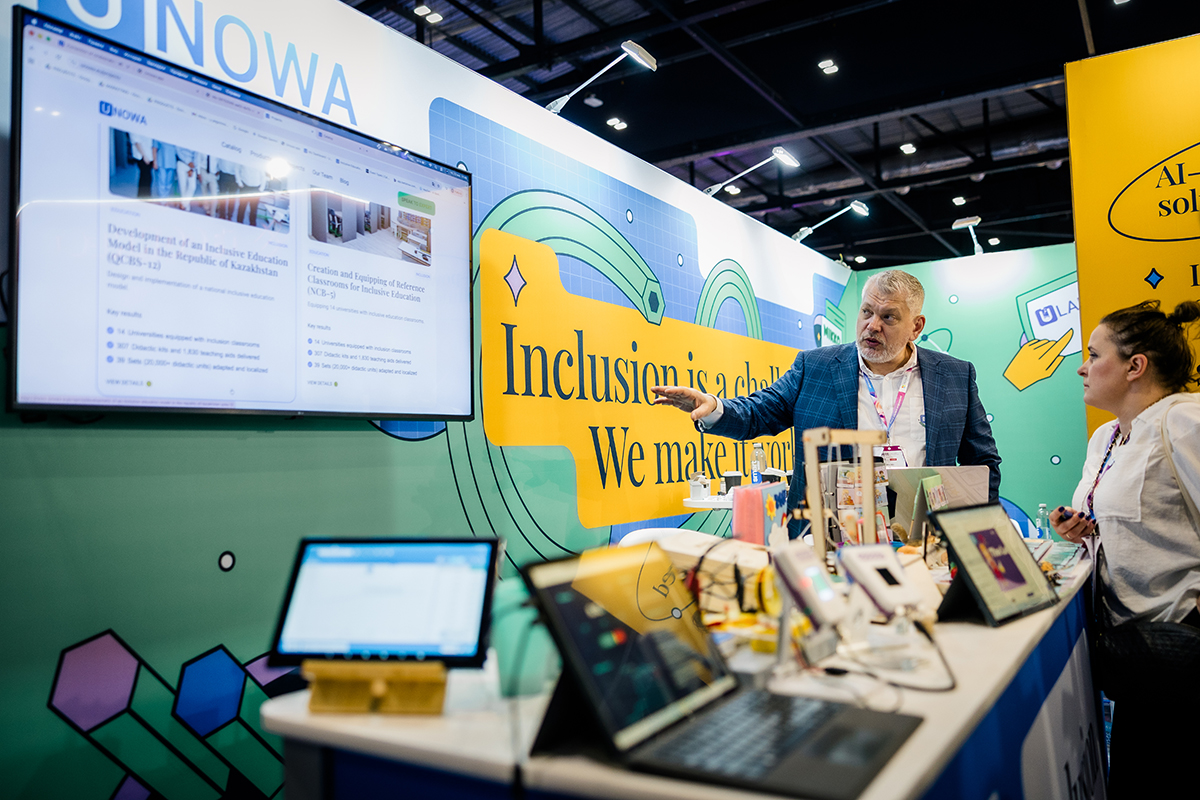
Responsible AI in Education Starts Before the Algorithm
Responsible AI in education depends on knowing what your data actually represents. A UNOWA pilot study shows why measurement validity has to come before AI interpretation.
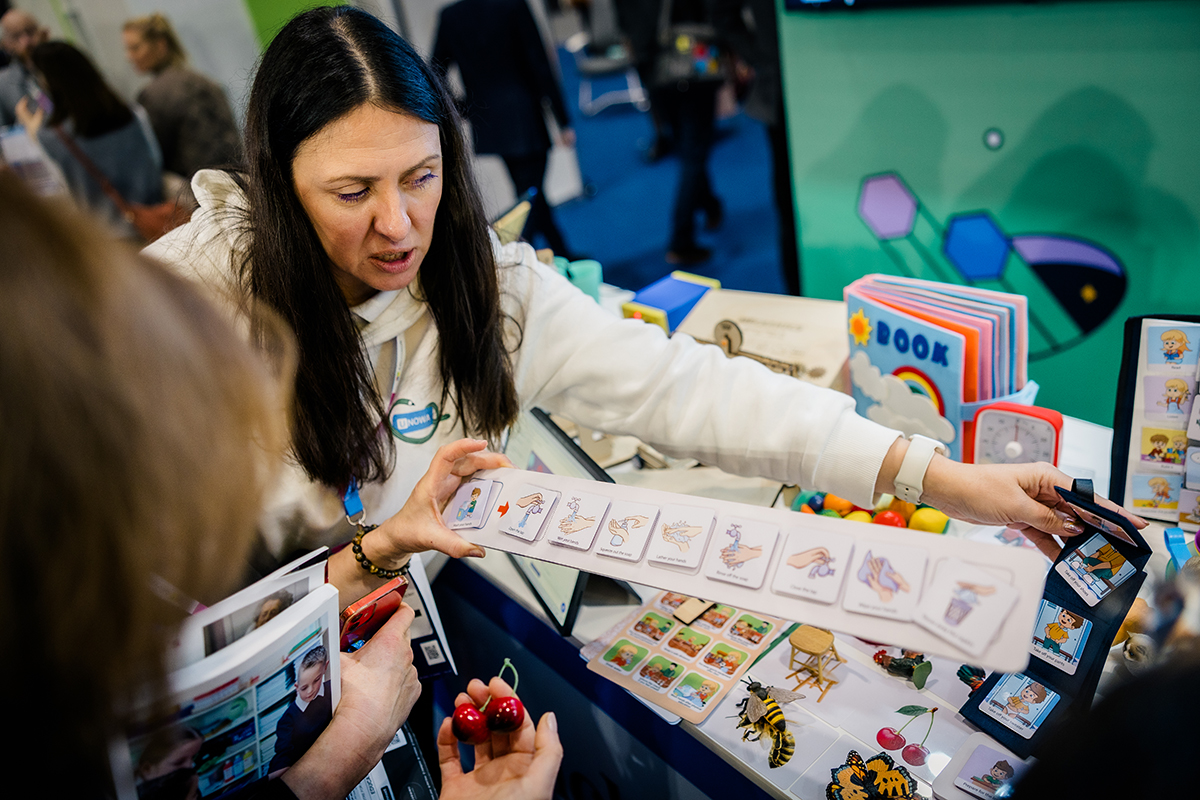
Differentiated Support in Inclusive Education: Why a Score Is Only the Start
Differentiated support in inclusive education starts where scoring ends. Here's why assessment should answer "what's getting in the way," not just "what's wrong."