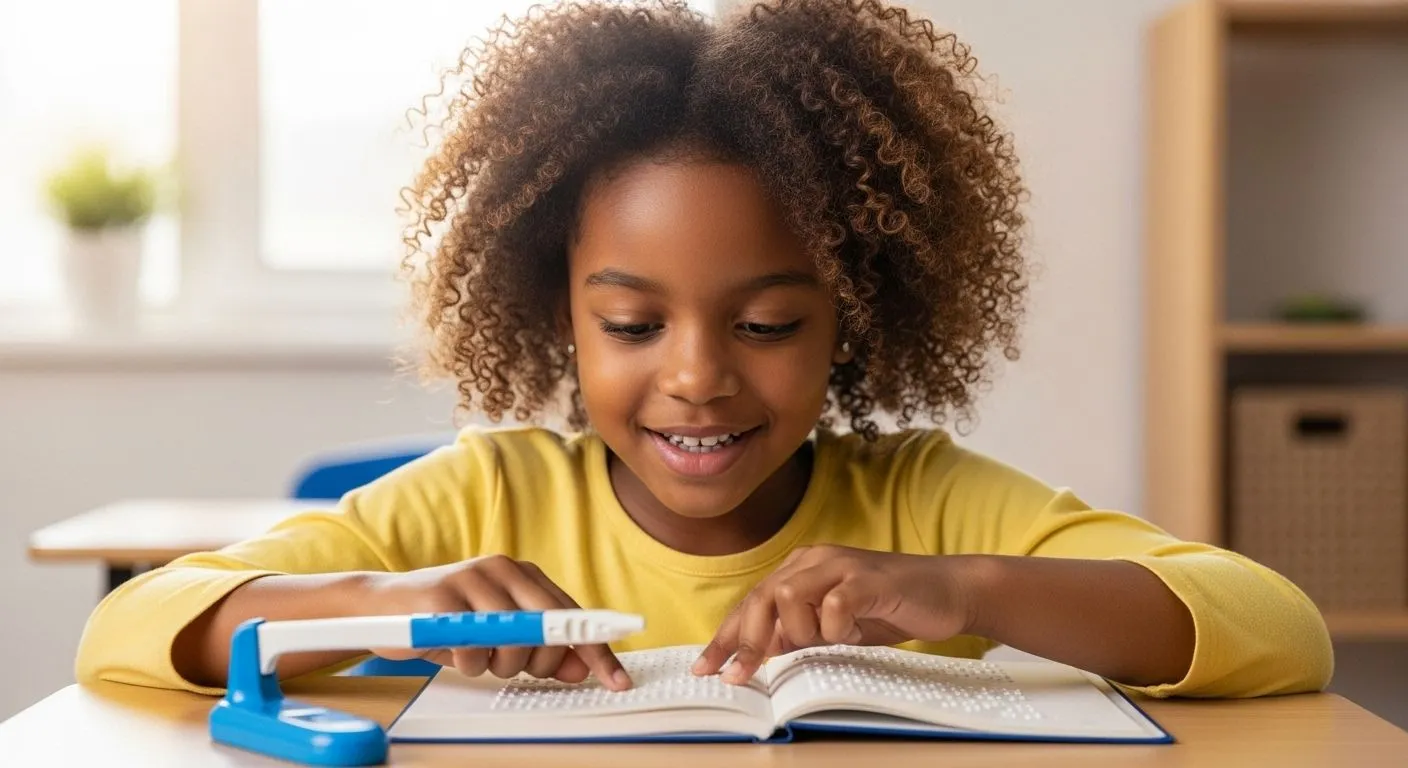

Did you know that only about 8.5% of visually impaired students in the U.S. are identified as braille readers, despite its proven link to higher employment and independence? This article explores innovative braille learning tools, their benefits, challenges, and regional policies, highlighting how we at UNOWA empower inclusive education through adaptable solutions.
The Importance of Braille Learning Tools
Braille remains the only full literacy medium for those who cannot reliably use print, fostering reading, writing, math, and more. With global visual impairment affecting at least 2.2 billion people, according to the World Health Organization, braille learning tools are essential for empowerment. Research shows braille proficiency correlates with 90% employment rates among blind adults, versus much lower for non-readers, as noted in the National Federation of the Blind's report.
We integrate braille learning tools into our inclusive education systems like MIKKO, ensuring accessibility for special education centers across the EU, MENA, and CIS regions.
Innovative Braille Learning Tools
Modern braille learning tools blend tradition with technology to make learning engaging and effective.
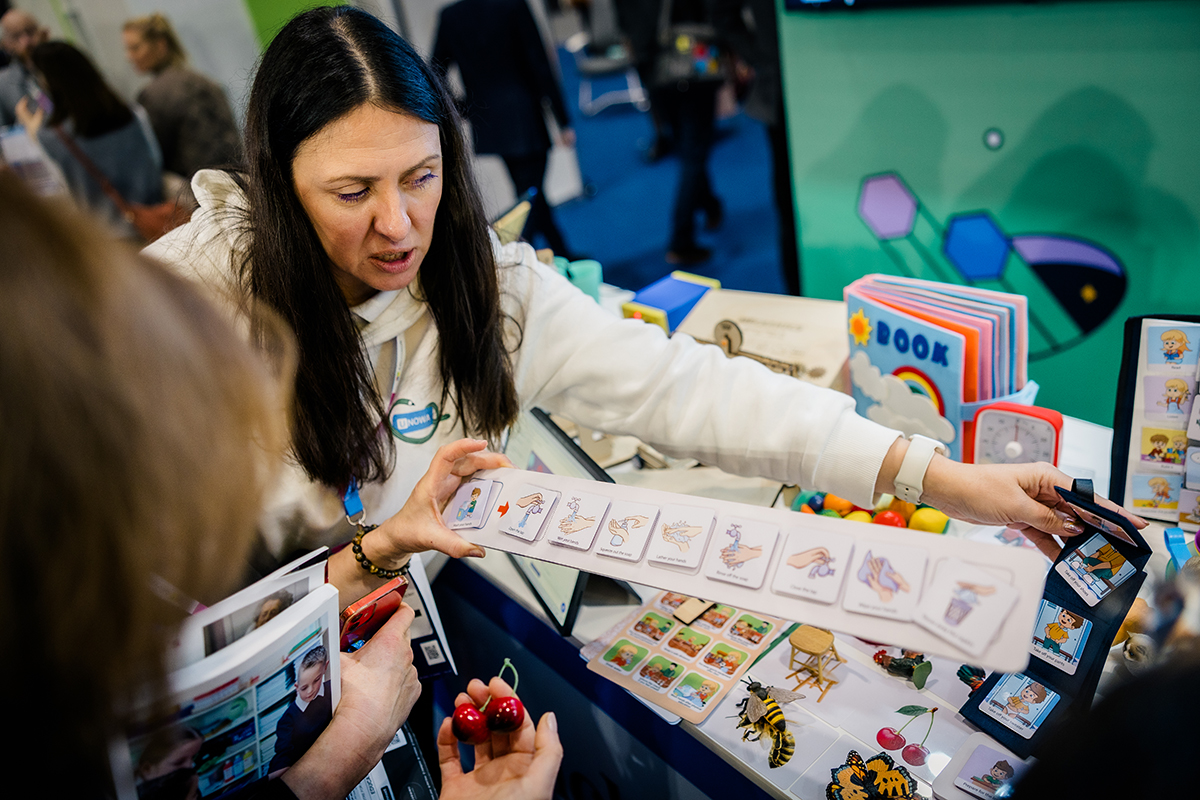
- Pre-literacy devices: Tools like textured storybooks and peg boards build tactile skills early, reducing frustration when introduced to children aged 2-5.
- Digital displays: Refreshable braille displays connect to devices, with 66.1% of users employing them at work, per NRTC on Blindness and Low Vision.
- Interactive apps: Gamified tools with audio-tactile feedback accelerate proficiency, supporting multilingual needs in regions like Saudi Arabia and Poland.
These innovations align with our commitment to cutting-edge solutions, transforming learning for visually impaired students.
Benefits and Challenges
Braille learning tools enhance cognitive development, independence, and academic success. Studies indicate students receiving braille instruction 4-5 times per week match sighted peers' reading scores, from the Journal of Blindness Innovation and Research.
However, challenges persist:
- Teacher shortages: Many educators lack braille confidence, leading to inconsistent instruction.
- Cost barriers: Bulky materials and devices can be expensive, especially in rural CIS areas like Kyrgyzstan.
- Attitudinal hurdles: Some view audio tech as a replacement, despite braille's unique literacy benefits.
We address these through training and analytics, fostering inclusive environments.
Regional Policies and Guidelines
Policies in our target geographies emphasize braille under the UN CRPD, ratified by nearly all listed countries.
- EU nations (e.g., Bulgaria, Poland): The European Accessibility Act mandates accessible materials, with resource centers providing braille tools.
- MENA (e.g., UAE, Qatar): Vision 2030 initiatives fund braille displays, as seen in Saudi Arabia's university accessibility units.
- CIS (e.g., Kazakhstan, Georgia): Inclusive laws support braille via special schools and donor projects like those from UNICEF.
For tailored implementations, explore our solutions at UNOWA.
Proven Strategies from Global Projects
Global experiences show early, frequent braille exposure yields rapid skill gains. In EU pilots, multimodal tools improved STEM access, while MENA projects introduced affordable devices, enhancing equity. We draw on over 15 years of experience in 300+ national projects to deliver scalable, locally adaptable braille learning tools.
FAQ
What are the best braille learning tools for beginners? Low-tech options like peg boards and apps with tactile overlays are ideal for ages 2-5, building foundational skills enjoyably.
How do braille learning tools support employment? Proficiency boosts independence and job satisfaction, with 56% employment among braille learners versus 23% for print-only, per research.
Are there regulations requiring braille in education? Yes, the UN CRPD mandates braille facilitation, implemented variably in EU, MENA, and CIS policies.
How can institutions integrate braille learning tools? Partner with us at UNOWA for training, content, and analytics tailored to national standards.
What challenges do braille learning tools face in emerging markets? Teacher training and equipment costs are key issues, addressed through our inclusive systems.

Check out other articles
Explore the latest perspectives from our digital research team
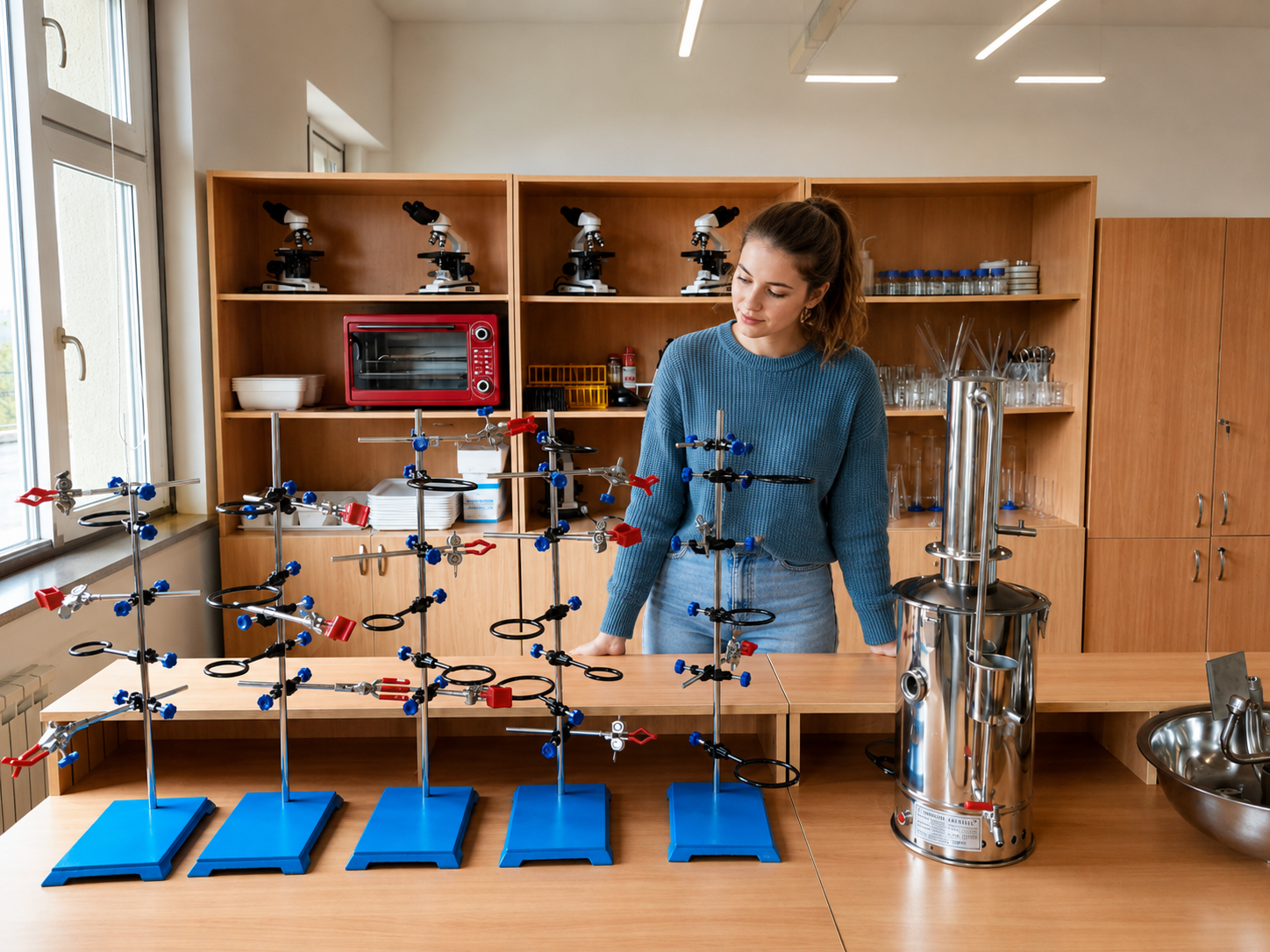
Equipping 439 schools: what a national STEM rollout actually takes
Armenia aims to equip every school with a science laboratory by the end of 2026. A look at the delivery layer of a 439-school rollout: seven laboratory configurations, 1.8 million items, 200+ localised teaching materials — and what ministries should ask suppliers.

Responsible AI in Education Starts Before the Algorithm
Responsible AI in education depends on knowing what your data actually represents. A UNOWA pilot study shows why measurement validity has to come before AI interpretation.
Differentiated Support in Inclusive Education: Why a Score Is Only the Start
Differentiated support in inclusive education starts where scoring ends. Here's why assessment should answer "what's getting in the way," not just "what's wrong."