

Did you know that 1 in 31 children are now identified with autism, a sharp rise that underscores the critical need for robust autism classroom support in schools worldwide?
In this article, we explore effective strategies, challenges, and innovative solutions for autism classroom support, drawing from global insights to empower educators and institutions. We'll cover key facts, practical tools, regional policies, and proven approaches, positioning inclusive education as a pathway to transformative learning. At UNOWA, we deliver adaptable systems like our MIKKO inclusive education platform to make this a reality — discover more at unowa.eu.
Understanding Autism in the Classroom
Autism spectrum disorder involves differences in social communication, sensory processing, and repetitive behaviors, as defined by the DSM-5 from the American Psychiatric Association (source: APA). With 13% of students with disabilities identified as autistic — a jump from 5% in 2008 — classrooms must adapt to diverse needs.
Key challenges include sensory sensitivities and social navigation, but strengths like focused interests can be leveraged. As expert Stephen Shore notes, "If you’ve met one person with autism, you’ve met one person with autism," emphasizing individualized autism classroom support (source: Autism Speaks).
Effective Strategies for Autism Classroom Support
Implementing autism classroom support starts with evidence-based practices. Here's how:
- Structured Environments: Use visual schedules and routines to provide predictability, reducing anxiety. Tools like "first-then" boards help with transitions.
- Sensory Accommodations: Create calm corners with noise-cancelling headphones or fidgets to manage sensory overload.
- Communication Aids: Incorporate augmentative and alternative communication (AAC) for non-verbal students, allowing extra processing time.
- Universal Design for Learning (UDL): Offer multiple ways to learn and demonstrate knowledge, benefiting all students (source: CAST UDL Guidelines).
Research shows that 20–30 hours/week of structured intervention can yield significant skill gains, blending elements of Applied Behavior Analysis (ABA) with naturalistic approaches (source: CDC Autism Data).
At UNOWA, our inclusive education solutions integrate these strategies, empowering teachers with customizable tools — explore our offerings.
Overcoming Challenges in Inclusive Settings
Despite progress, only 41% of autistic students spend most of their day in general education, per U.S. data, with similar gaps globally. Teachers often face insufficient training and burnout, especially in balancing class needs.
In regions like the EU and MENA, challenges include uneven funding and stigma, but successes emerge through co-teaching and resource centers. For instance, Malta's guidelines promote classroom assistants, while UAE pilots inclusive schools (source: UNESCO Inclusive Education).
We address these by providing training and analytics in our systems, fostering resilient, inclusive environments.
Regional Insights and Policies
Aligned with the UN Convention on the Rights of Persons with Disabilities (CRPD), many nations prioritize inclusion (source: UN CRPD).
- EU Countries (e.g., Poland, Bulgaria): Focus on Individual Education Plans (IEPs) and EU-funded pilots for co-teaching.
- MENA (e.g., Saudi Arabia, UAE): Investments in specialized centers transition toward mainstream support, with policies emphasizing early intervention.
- CIS (e.g., Kazakhstan, Georgia): Shifting from segregated models, with NGO-driven pilots enhancing autism classroom support.
Government guidelines stress reasonable accommodations, but implementation varies — urban areas often lead (source: World Bank Education).
Through our 15+ years of experience, we've supported over 300 projects, adapting to local standards for large-scale impact — contact us for consultation.
FAQ
What is the first step in providing autism classroom support? Begin with assessing individual needs and creating a structured, predictable environment using visual aids.
How can teachers get trained for autism classroom support? Seek ongoing professional development, including workshops on UDL and sensory strategies, often available through regional education authorities or partners like UNOWA.
Are there regulations requiring autism classroom support? Yes, under the CRPD, countries must provide inclusive education with accommodations — check local ministries for specifics.
How does technology aid autism classroom support? Tools like visual apps and AI-driven trackers enhance engagement, as seen in emerging pilots across our target regions.
Why choose UNOWA for autism classroom support? Our innovative, inclusive solutions are tailored for scalability, backed by expertise in special education — learn more.

Check out other articles
Explore the latest perspectives from our digital research team
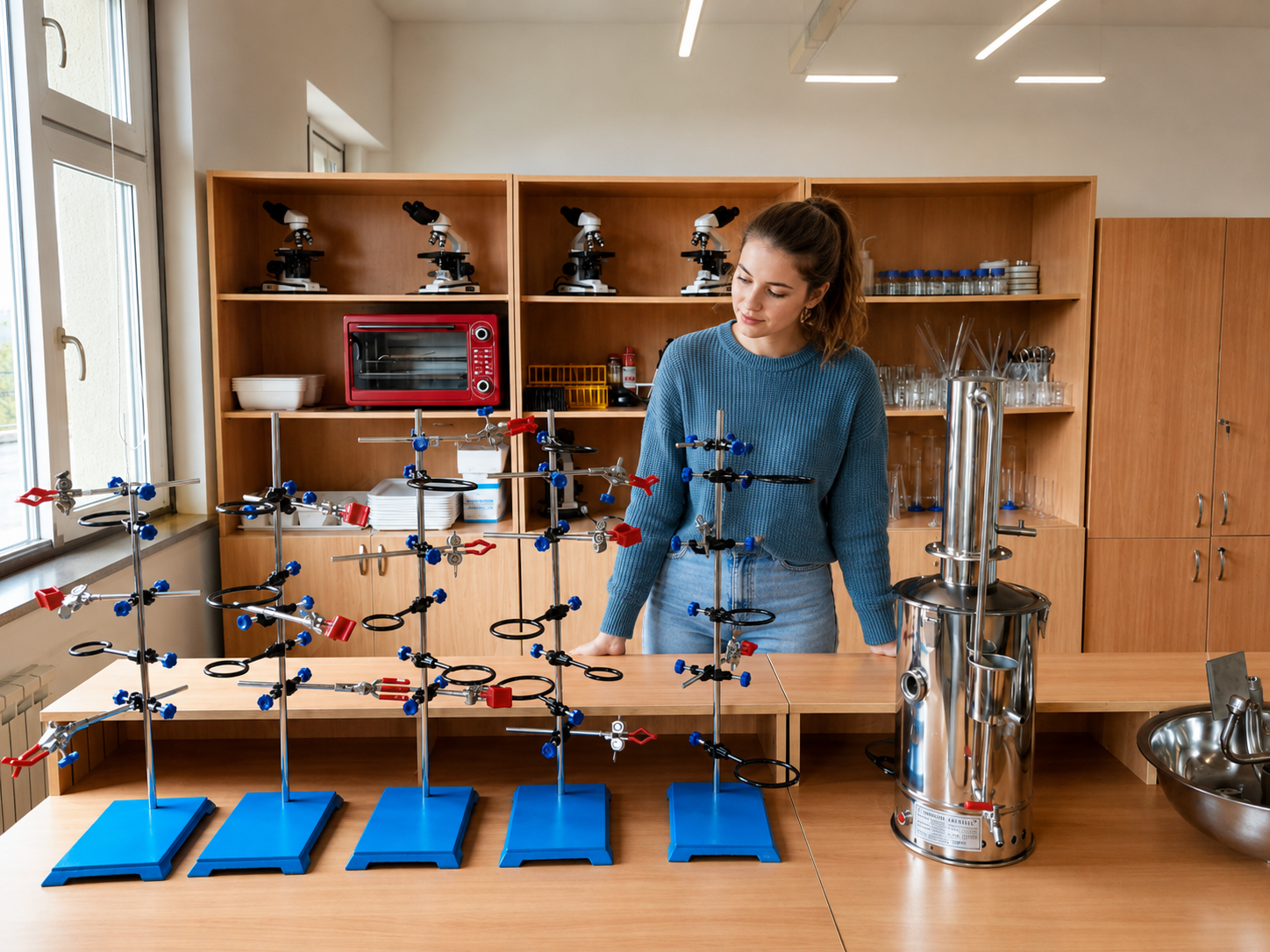
Equipping 439 schools: what a national STEM rollout actually takes
Armenia aims to equip every school with a science laboratory by the end of 2026. A look at the delivery layer of a 439-school rollout: seven laboratory configurations, 1.8 million items, 200+ localised teaching materials — and what ministries should ask suppliers.

Responsible AI in Education Starts Before the Algorithm
Responsible AI in education depends on knowing what your data actually represents. A UNOWA pilot study shows why measurement validity has to come before AI interpretation.
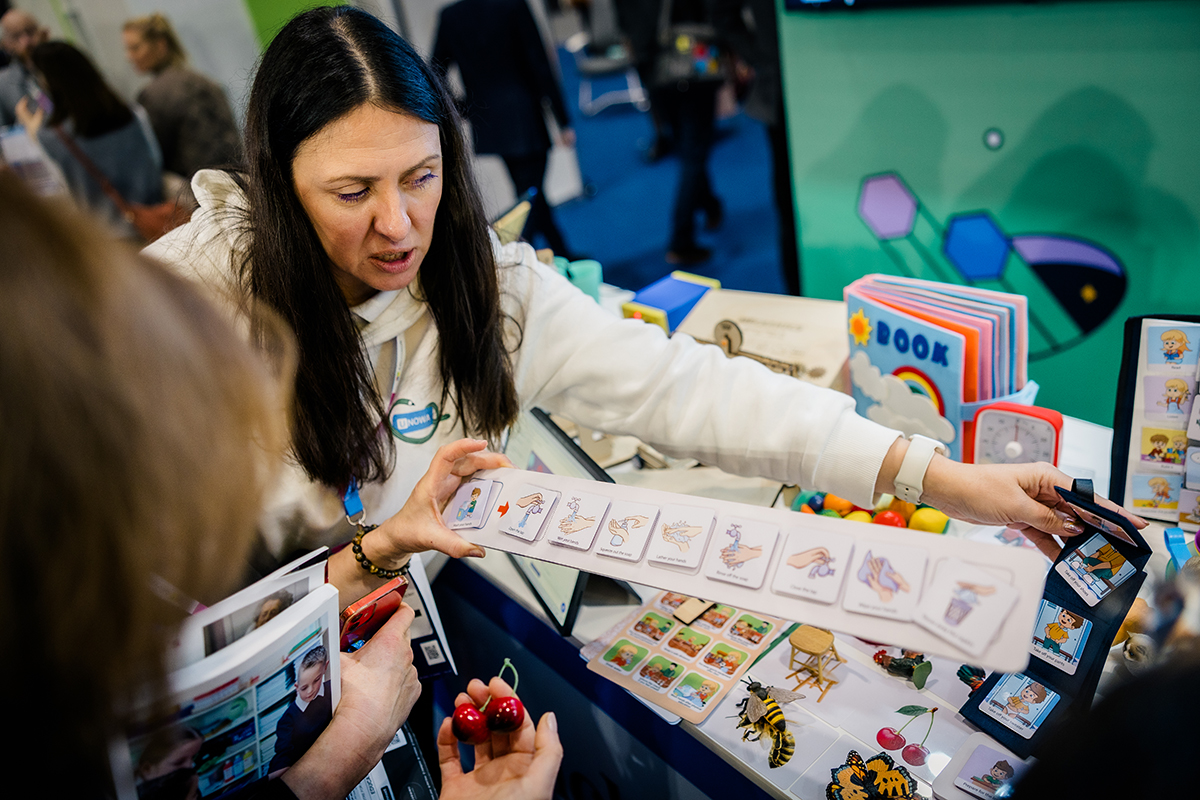
Differentiated Support in Inclusive Education: Why a Score Is Only the Start
Differentiated support in inclusive education starts where scoring ends. Here's why assessment should answer "what's getting in the way," not just "what's wrong."