Did you know that teachers using AI tools save an average of 5.9 hours per week, reclaiming precious time for what truly matters — nurturing student potential? In this article, we explore AI training for teachers, highlighting global trends, regional insights, and practical strategies to empower educators in creating inclusive, future-ready classrooms. Drawing from recent research and our 15+ years of experience, we'll cover benefits, challenges, best practices, and how we at UNOWA are leading the way in transforming education.
Why AI Training for Teachers Matters Now
As AI reshapes education, AI training for teachers is no longer optional — it's essential for fostering innovative, inclusive learning environments. Globally, 50% of teachers have received at least one AI professional development session in 2025, up from just 13% in 2023, according to UNESCO's AI in Education report. This surge reflects a broader push toward digital literacy, with 87% of educators now using AI for tasks like grading and personalization.
In regions like the EU, MENA, and CIS, governments are prioritizing AI training for teachers to align with national standards. For instance, Poland and Estonia have launched programs emphasizing STEM and inclusivity, while Saudi Arabia's Vision 2030 integrates AI into teacher development. These efforts address key challenges, such as uneven access in rural areas, and unlock benefits like enhanced student engagement.
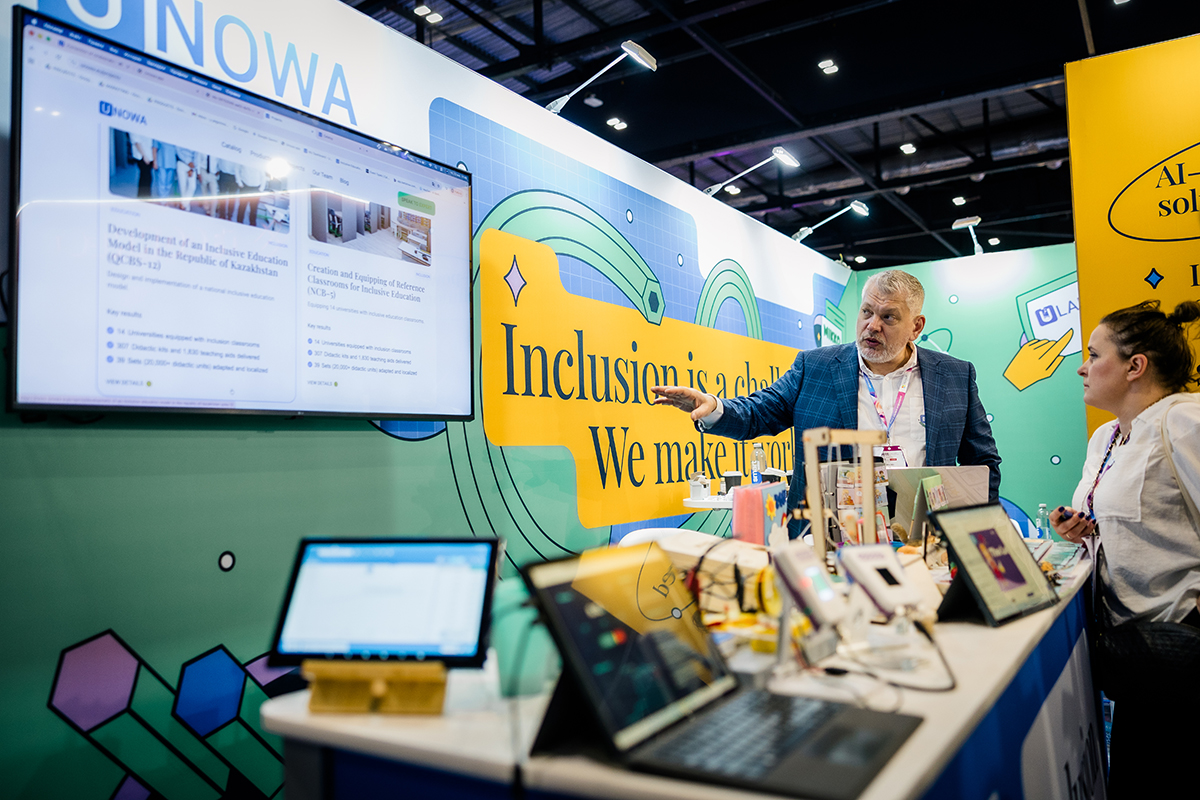
At UNOWA, we empower educators through tailored AI training for teachers, integrated with our MIKKO inclusive education and Ulabs STEM innovation platforms. This approach ensures adaptability to local needs, from Bulgaria to Kazakhstan.
Key Benefits and Challenges of AI Training for Teachers
AI training for teachers delivers transformative advantages, backed by data and real-world applications:
- Time Efficiency: Educators save 5.9 hours weekly, equating to six weeks annually, allowing focus on creative teaching (EdSurge report).
- Personalized Learning: AI enables customized experiences, especially in inclusive settings, supporting diverse needs like those in special education centers.
- Improved Outcomes: Schools with AI policies see greater adoption and student success, with 74% of districts planning training by 2025 (Brookings Institution analysis).
However, challenges persist:
- Access Gaps: In emerging markets like Uzbekistan and Oman, limited infrastructure hinders training.
- Mindset Shifts: As expert Mary Ann Danford notes, "One of the biggest obstacles... is changing the mindset of teachers to see AI as a tool" (Education Week).
- Policy Needs: Only 19% of schools have formal AI guidelines, per recent surveys.
We address these by offering scalable, curriculum-aligned solutions that build confidence and skills.
Regional Strategies and Best Practices
Tailoring AI training for teachers to local contexts is crucial for large-scale impact. Here's how it's unfolding in our key geographies:
EU Insights (Bulgaria, Malta, Poland, Latvia, Lithuania, Estonia, Serbia)
EU nations are advancing under the Digital Education Action Plan, focusing on ethical AI. Estonia's pilot programs integrate AI with STEM, boosting teacher efficacy in inclusive classrooms.
MENA Developments (Saudi Arabia, UAE, Qatar, Oman)
Vision 2030 drives investments, with UAE's "AI for Education" initiative providing free resources. Best practices include peer-led workshops, enhancing bilingual and STEM education.
CIS Progress (Kazakhstan, Uzbekistan, Armenia, Moldova, Azerbaijan, Kyrgyzstan, Georgia)
Kazakhstan leads with government-backed training, aligning with UNESCO guidelines for equity. Case studies show AI improving outcomes in diverse settings, from urban schools to rural kindergartens.
Expert Pat Yongpradit from Code.org emphasizes: "We’re entering the later-adopter phase," highlighting the momentum (Code.org insights). We at UNOWA collaborate on these fronts, delivering adaptable systems for national projects.
Proven Strategies for Implementing AI Training for Teachers
To maximize impact, consider these evidence-based approaches:
- Start with Train-the-Trainer Models: 59% of educators favor this for scalability.
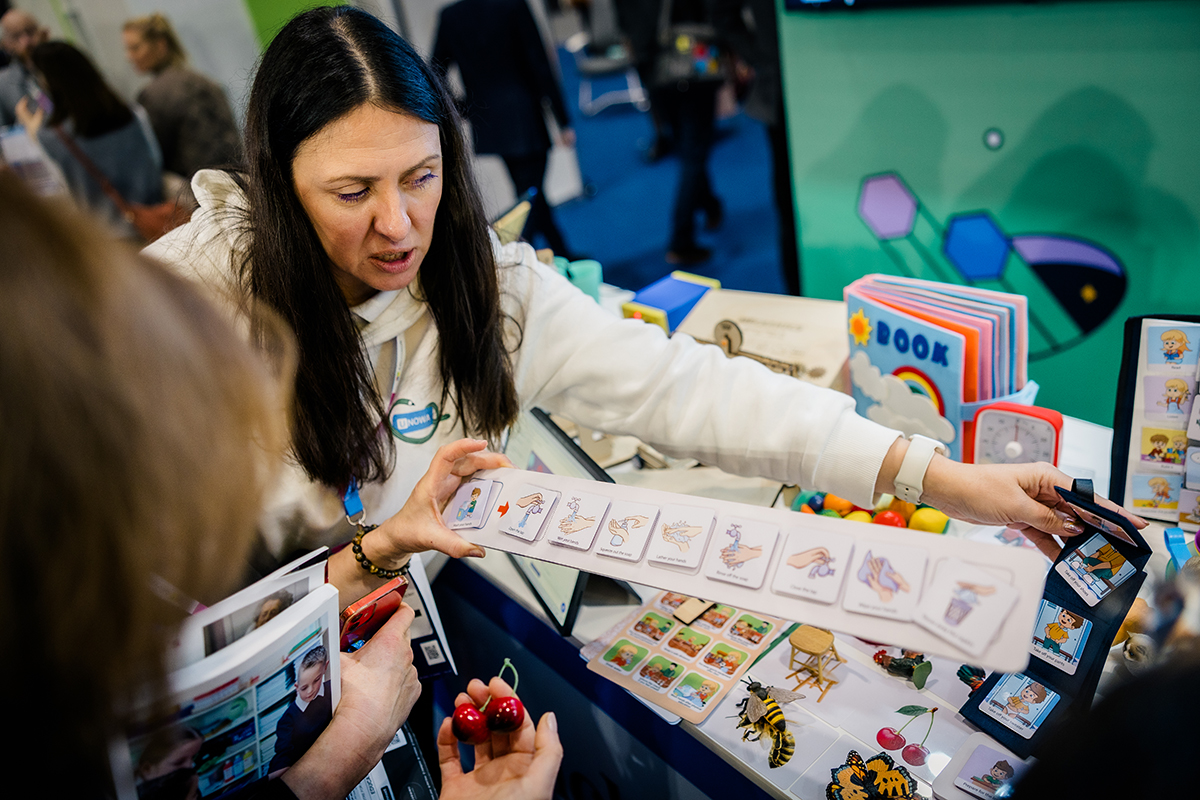
- Integrate with Inclusive Tools: Combine AI with platforms like our MIKKO for SEN materials.
- Focus on Ethics and Policy: Develop guidelines to ensure responsible use.
- Measure and Adapt: Use analytics to track progress, as we do in over 300 projects.
For more on our solutions, visit UNOWA.
FAQ
What is AI training for teachers? It's professional development that equips educators with skills to use AI tools for teaching, personalization, and administration, fostering innovative classrooms.
How does AI training benefit inclusive education? It enables tailored learning for diverse needs, supporting students in special education and promoting accessibility, as seen in our MIKKO system.
What are common challenges in AI training for teachers? Key issues include access to resources, resistance to change, and lack of policies, but targeted programs can overcome these.
How can institutions get started with AI training? Partner with experts like us at UNOWA for customized, curriculum-aligned training — sign up for a consultation at UNOWA.
Are there regulations for AI in education? Yes, frameworks like the EU's Digital Education Action Plan guide ethical implementation across regions.

Check out other articles
Explore the latest perspectives from our digital research team

Equipping 439 schools: what a national STEM rollout actually takes
Armenia aims to equip every school with a science laboratory by the end of 2026. A look at the delivery layer of a 439-school rollout: seven laboratory configurations, 1.8 million items, 200+ localised teaching materials — and what ministries should ask suppliers.

Responsible AI in Education Starts Before the Algorithm
Responsible AI in education depends on knowing what your data actually represents. A UNOWA pilot study shows why measurement validity has to come before AI interpretation.
Differentiated Support in Inclusive Education: Why a Score Is Only the Start
Differentiated support in inclusive education starts where scoring ends. Here's why assessment should answer "what's getting in the way," not just "what's wrong."