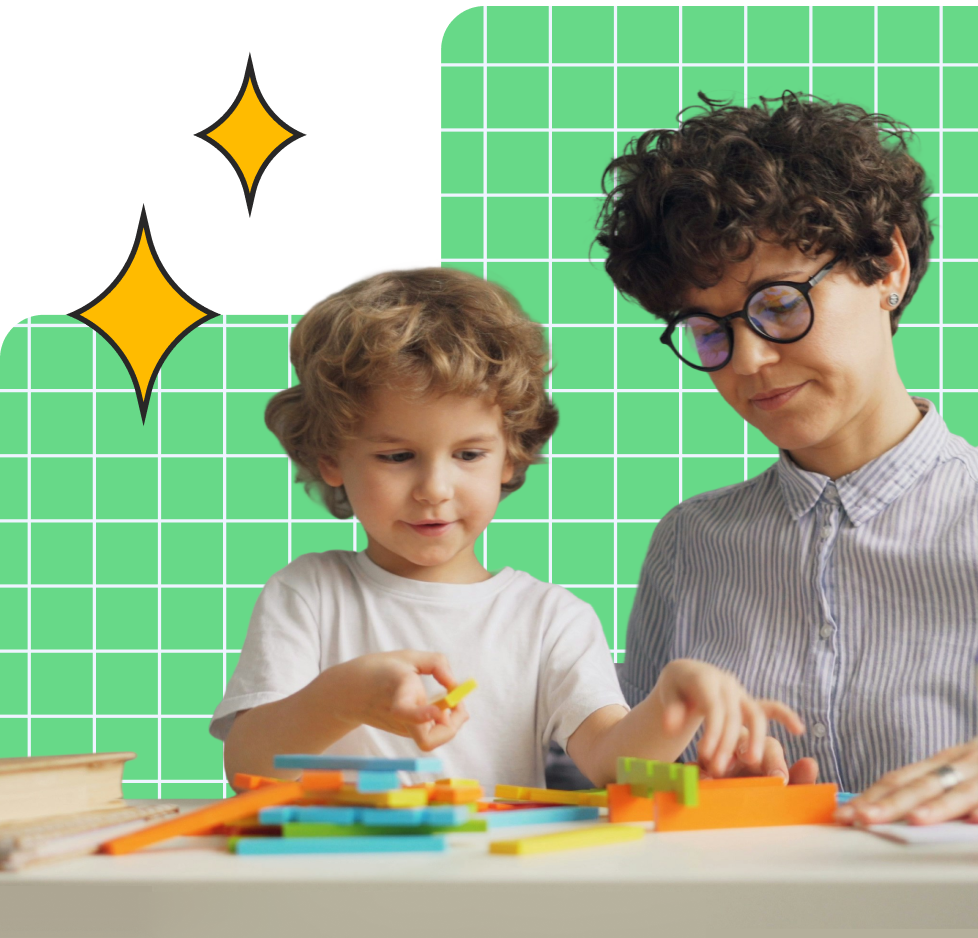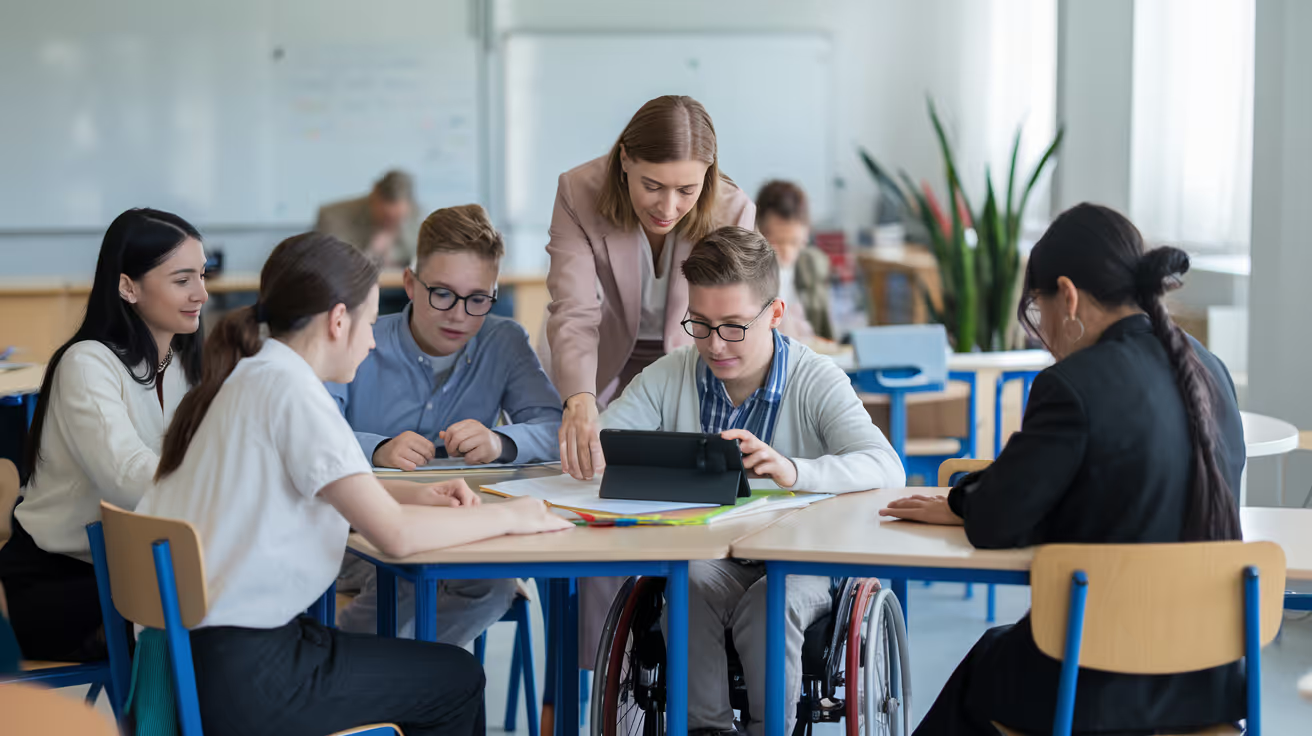

Artificial intelligence (AI) is rapidly reshaping the educational landscape, offering unprecedented opportunities to personalize learning, enhance inclusivity, and scale quality education across diverse regions. At UNOWA, we are committed to empowering institutions, educators, and students by integrating innovative AI solutions into complete educational systems — ensuring every learner, regardless of background or ability, can thrive in a modern classroom.
The Global Surge of AI in Education
The adoption of AI in education is accelerating worldwide. The global EdTech market is projected to reach $404 billion by 2025, with the European AI in education sector alone expected to grow at a compound annual growth rate (CAGR) of 31.9% from 2025 to 2030. In 2024, over 41% of large EU enterprises reported using AI technologies, highlighting a strong momentum towards digital transformation in education.
This surge is not limited to the European Union. Across the MENA region, countries like Saudi Arabia, UAE, and Qatar are investing in scalable AI-driven STEM education to address teacher shortages and bridge educational gaps. Meanwhile, CIS countries such as Kazakhstan and Uzbekistan are modernizing legacy systems with adaptive learning and AI-powered special education initiatives.
Why AI in Education Matters
Personalized and Inclusive Learning
AI enables the creation of personalized learning pathways, adapting content and assessments in real time to meet each student’s needs. This is especially transformative for inclusive education, where AI-driven tools can support students with special educational needs (SEN) by providing differentiated instruction, adaptive feedback, and accessible resources.
For example, our MIKKO platform is designed to ensure that every child, regardless of ability, has access to high-quality, curriculum-aligned content. By leveraging AI, we can tailor educational experiences to individual learning styles, languages, and abilities — empowering all students to reach their full potential.
Scalable Solutions for Systemic Impact
AI’s scalability is a game-changer for ministries of education and institutional administrators tasked with delivering quality education at scale. Automated grading, adaptive assessments, and intelligent analytics free up valuable teacher time, allowing educators to focus on higher-order teaching and mentorship.
In regions facing teacher shortages or large, diverse student populations, such as rural areas in the MENA and CIS, AI-powered platforms can bridge the gap — ensuring no learner is left behind.
Curriculum Alignment and National Standards
A key challenge in digital transformation is ensuring that new technologies align with national curricula and educational standards. At UNOWA, we prioritize curriculum-aligned AI tools, supporting ministries of education in large-scale rollouts that meet local requirements and learning objectives.
Our Ulabs STEM innovation platform, for instance, integrates AI-driven analytics and adaptive content, making it easy for educators to track progress and ensure compliance with national standards.
Navigating Challenges: Regulation, Equity, and Training
Regulatory Compliance and Data Privacy
The European Union is leading the way in regulating AI in education. The EU AI Act classifies educational AI as a high-risk application, mandating strict oversight, transparency, and human-in-the-loop requirements. Data privacy laws across the EU, MENA, and CIS regions require robust safeguards for student information, explicit consent, and clear data usage policies.
As a trusted partner, we ensure our solutions are fully compliant with these regulations, prioritizing safety, transparency, and ethical design in every deployment. Learn more about the EU AI Act.
Equity and Access
Despite rapid progress, there remains significant heterogeneity in AI adoption and benefits. Higher-income regions often see greater access to advanced tools, while underserved communities risk being left behind. To address this, we design our platforms with accessibility features, multilingual support, and offline capabilities — ensuring equitable access for all learners.
Teacher Training and Professional Development
Effective integration of AI in education hinges on empowering educators with the skills and confidence to use new technologies. We invest in comprehensive teacher training programs, focusing on digital literacy, AI pedagogy, and ongoing professional support. This ensures that educators are not just users of technology, but active partners in shaping the future of learning.
Proven Strategies for Successful AI Implementation
Inclusive Design
Developing AI tools with accessibility and inclusivity at their core is essential. Our platforms are built to support diverse learning needs, including materials for SEN and multilingual content, ensuring that every student can participate fully in the digital classroom.
Stakeholder Engagement
We believe in the power of collaboration. Involving teachers, parents, students, and administrators in the design and rollout of AI solutions ensures relevance, acceptance, and long-term success.
Continuous Evaluation
Ongoing monitoring and impact assessment are critical to ensuring that AI tools deliver on their promise — improving learning outcomes without exacerbating inequalities. We work closely with ministries of education and institutional leaders to set clear metrics for success and sustainability.
Real-World Impact: Success Stories from EU, MENA, and CIS
- EU: National AI-in-education strategies in countries like Estonia and Poland have led to pilot programs in adaptive learning and automated grading, resulting in measurable improvements in student engagement and achievement.
- MENA: Large-scale AI deployments in STEM labs are helping to bridge gender and rural-urban divides, with increased STEM participation among girls and students in remote areas.
- CIS: Pilot projects in Kazakhstan and Armenia are leveraging AI-driven platforms for individualized education plans (IEPs) in special education centers, providing tailored support and better outcomes for students with diverse needs.
“AI has the potential to transform education by making learning more personalized, inclusive, and scalable. However, realizing this potential requires careful attention to regulation, teacher training, and ethical design.” — Regional EdTech Policy Expert
“The EU AI Act sets a global benchmark for safe and responsible AI in education, but it also raises the bar for compliance and transparency, especially for high-risk applications.” — European AI Policy Analyst
The Role of Ministries, Project Leaders, and Administrators
Ministries of education are pivotal in setting standards, ensuring regulatory compliance, and scaling successful pilots into national programs. Project leaders should prioritize solutions that are curriculum-aligned, inclusive, and scalable, with clear metrics for success. Institutional administrators must focus on data privacy, teacher training, and stakeholder communication to ensure smooth adoption and long-term impact.
At UNOWA, we partner with ministries, project leaders, and institutions to deliver complete, future-ready educational systems — empowering every learner and educator to succeed in the age of AI.
Frequently Asked Questions
What are the main benefits of AI in education?
AI in education enables personalized learning, automates routine tasks, supports inclusive education, and provides real-time analytics for educators. This leads to improved student engagement, better learning outcomes, and more efficient use of resources.
How does UNOWA ensure data privacy and regulatory compliance?
We adhere to the strictest data privacy laws and regulatory frameworks, including the EU AI Act. Our solutions are designed with transparency, safety, and ethical use at their core, ensuring full compliance in every region we serve.
Can AI help address teacher shortages?
Yes. AI-powered platforms can automate administrative tasks, provide differentiated instruction, and support remote or underserved classrooms — helping to bridge gaps where qualified teachers are scarce.
How does AI support inclusive education?
AI tools can adapt content and assessments to individual needs, support multiple languages, and provide accessible resources for students with disabilities. This ensures that every learner, regardless of ability, can participate fully in the classroom.
What support does UNOWA offer for teacher training?
We offer comprehensive professional development programs focused on digital literacy, AI pedagogy, and ongoing support — empowering educators to confidently integrate AI into their teaching practice.
AI in education is not just a trend — it is a transformative force for inclusive, scalable, and curriculum-aligned learning. At UNOWA, we are proud to be at the forefront of this movement, partnering with educational leaders across the EU, MENA, and CIS regions to build a brighter, more equitable future for all learners.
For more information on our complete educational systems and AI-driven solutions, visit UNOWA.
Further Reading
- European Commission: Artificial Intelligence in Education
- UNESCO: AI and Education
- World Economic Forum: How AI is Transforming Education
- OECD: AI and the Future of Education

Check out other articles
Explore the latest perspectives from our digital research team

Equipping 439 schools: what a national STEM rollout actually takes
Armenia aims to equip every school with a science laboratory by the end of 2026. A look at the delivery layer of a 439-school rollout: seven laboratory configurations, 1.8 million items, 200+ localised teaching materials — and what ministries should ask suppliers.

Responsible AI in Education Starts Before the Algorithm
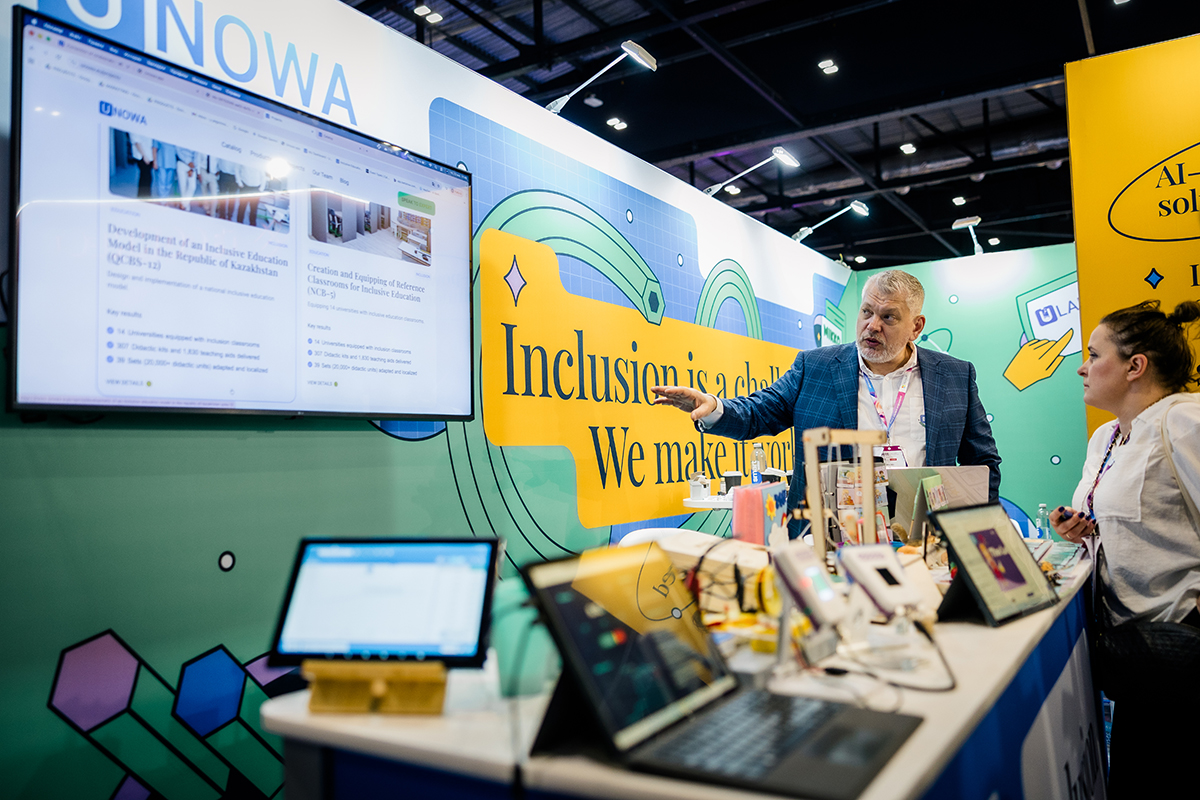
Responsible AI in education depends on knowing what your data actually represents. A UNOWA pilot study shows why measurement validity has to come before AI interpretation.
Differentiated Support in Inclusive Education: Why a Score Is Only the Start
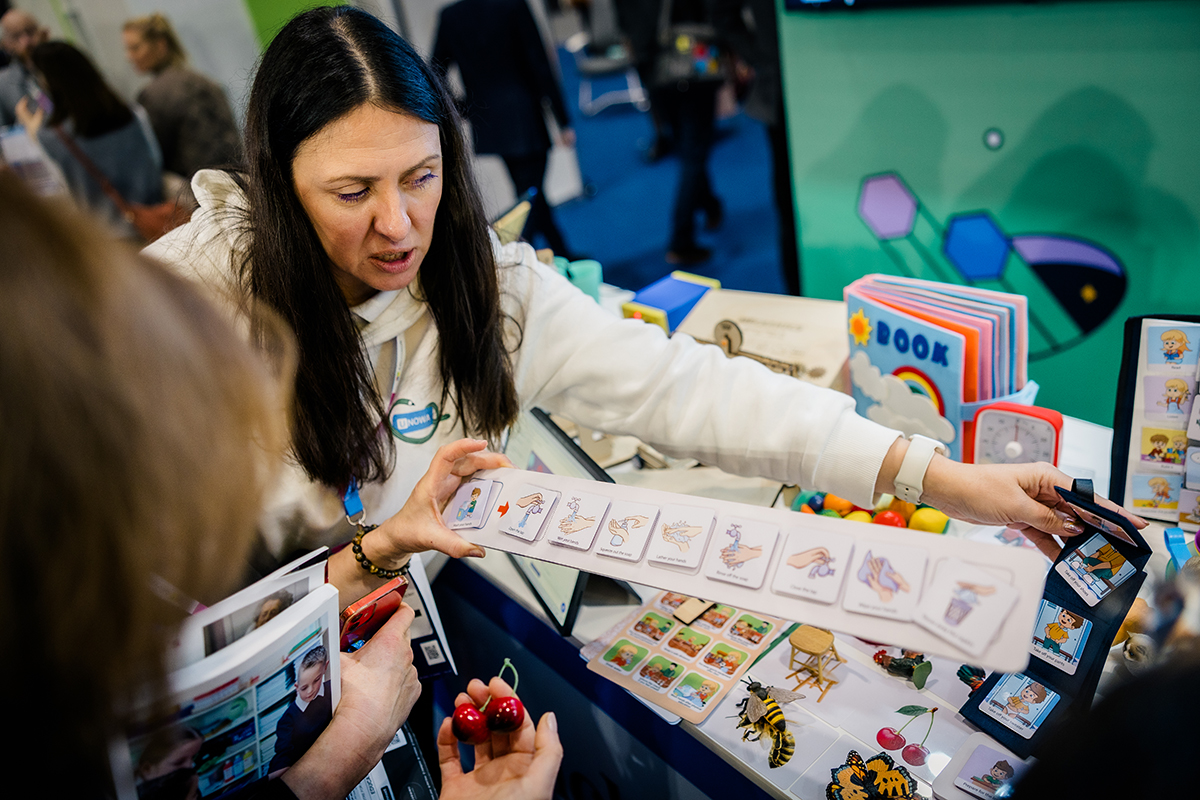
Differentiated support in inclusive education starts where scoring ends. Here's why assessment should answer "what's getting in the way," not just "what's wrong."